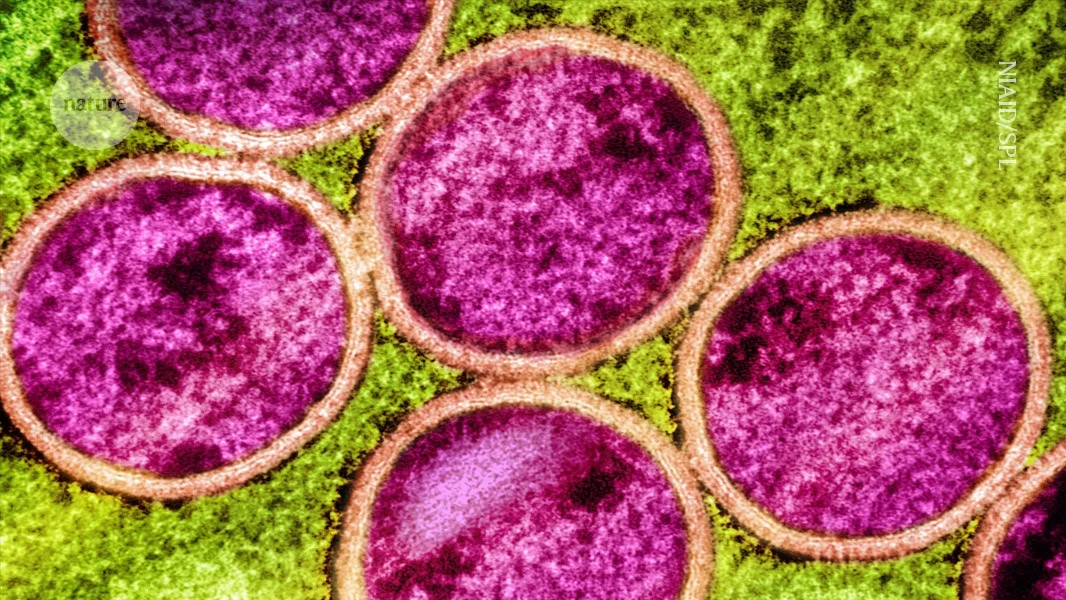
Research Reveals Mpox's Curious Evolution and Global Resurgence Risks
Research shows mpox is evolving with new strains that spread more easily and may affect male fertility, raising concerns about potential future global outbreaks.

All articles tagged with #virus evolution
Research shows mpox is evolving with new strains that spread more easily and may affect male fertility, raising concerns about potential future global outbreaks.
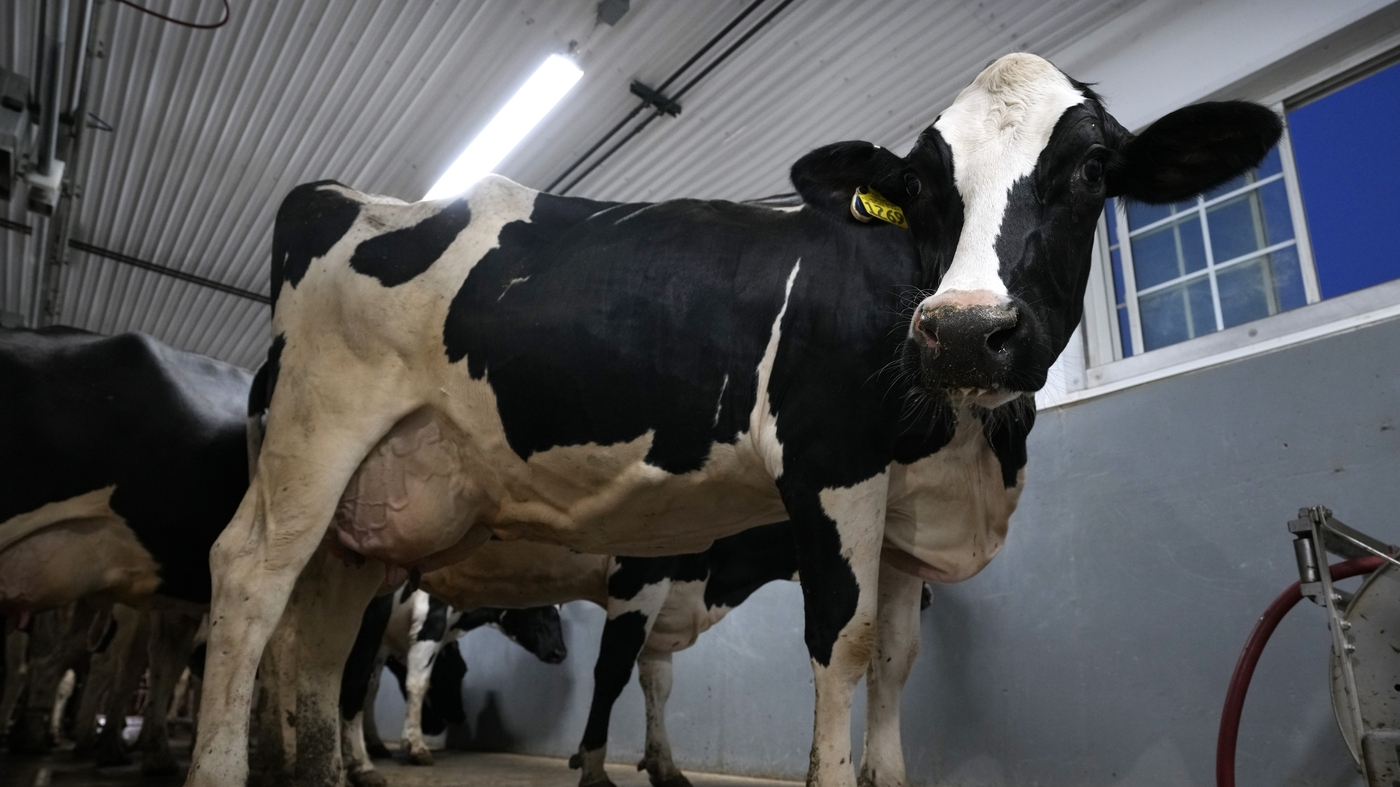
Scientists are concerned about the potential risks to humans as bird flu spreads among dairy cattle, with a focus on understanding virus mutations that could make it a threat to mammals. While the virus has shown some signs of evolving to better replicate inside mammals, it has not yet demonstrated efficient airborne transmission between humans. Research on virus transmission in mammals, particularly through experiments on ferrets, offers some clues but also highlights the need for caution in interpreting the results.
The emergence of the JN.1 COVID-19 variant, with significant evolutionary changes and global spread, highlights the ongoing threat of the virus and the need for sustained global health efforts. The variant's distinct characteristics, including immune evasion and unique cell entry, raise concerns about disease severity and transmission. While current vaccines and treatments remain effective, continued surveillance and research are crucial for pandemic preparedness and response, emphasizing the importance of comprehensive strategies to reduce COVID transmission and impacts.
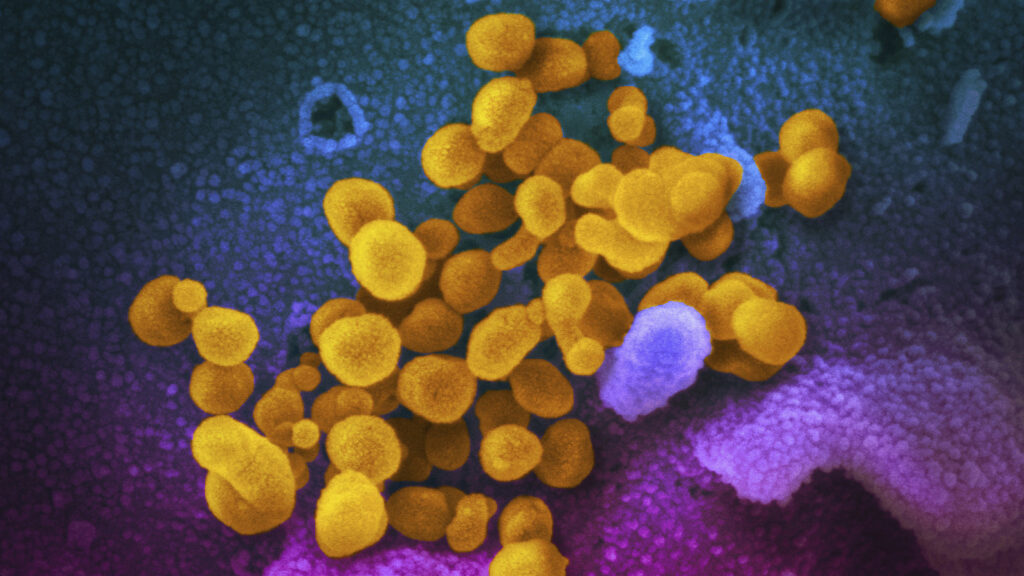
New research published in Science Translational Medicine examines the persistence of Covid in immunocompromised patients, revealing varying levels of risk for chronic infection. The study found that patients with severe immunosuppression, such as those with malignancies or bone marrow transplants, faced challenges in clearing the virus, leading to higher rates of viral evolution and impacting treatment efficacy. The findings underscore the need to identify effective treatment strategies for persistently infected patients and address the public health concern of potential viral variants emerging from these cases. Immunocompromised individuals continue to face heightened risks and challenges as the pandemic persists, despite the broader perception that it is largely over.

New studies suggest that highly mutated COVID variants BA.2.86 and JN.1 may cause more severe disease than other Omicron variants, with BA.2.86 showing traits similar to earlier, more deadly strains. Experts are concerned about the potential recombination of COVID with other coronaviruses in animals and the possibility of a more severe form of the virus emerging. Waning immunity from vaccination and prior infection may also contribute to an increase in COVID hospitalizations. The evolving nature of the virus, including its potential to infect the GI tract and the role of animals in viral mutation, warrants further study and vigilance.
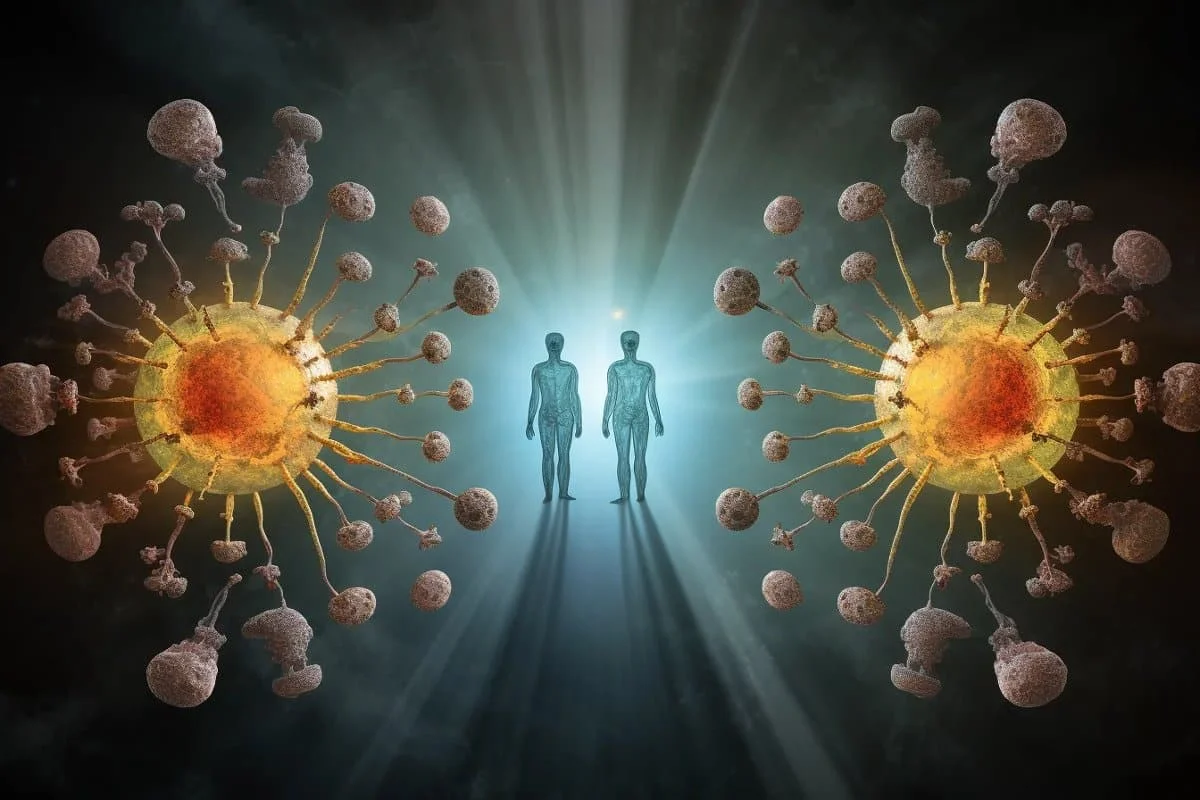
Human behavioral responses to COVID-19, such as lockdowns and isolation, have influenced the evolution of the virus, making it more transmissible early in infection, according to a study by researchers at Nagoya University. Using AI and mathematical modeling, the study found that SARS-CoV-2 variants showed a 5-fold increase in maximum viral load and a faster peak as the virus evolved from the Wuhan to Delta strains. The research highlights the complex interplay between viral load, transmission dynamics, and human behavior, emphasizing the need to consider human behavior in public health strategies and virus evolution studies.

Researchers from Nagoya University have used AI and mathematical modeling to uncover the impact of human behavior, such as lockdowns and isolation measures, on the evolution of COVID-19. Their study reveals that these human responses affect the virus's evolution, making it more transmissible earlier in its lifecycle. The research highlights the intricate relationship between human behavior and disease-causing agents, providing new insights into virus evolution and the need to consider the impact of human behavior on public health strategies.

California is experiencing an increase in mpox cases, with the state's public health department reporting 17 new cases per week. Research from the University of Edinburgh suggests that the mpox virus is evolving to become more infectious, potentially due to the increase in human-to-human transmission. Health officials emphasize the importance of completing the two-dose mpox vaccine series to protect against severe illness. Since the outbreak in 2022, there have been over 31,000 cases and 55 deaths in the US.

HV.1, the new dominant COVID-19 variant in the United States, is more infectious and better at making people sick, according to a Utah health expert. While it doesn't appear to be more severe than the previous variant, EG.5, it is still causing serious illness, hospitalizations, and deaths. The timing of the variant's spread during the fall/winter season is concerning, as it coincides with increased indoor activities and holidays. Another newer variant, JN.1, has been detected in Iceland and other countries, but its impact is still being monitored. HV.1 now accounts for over a quarter of all COVID-19 cases in the U.S., while Eris, the previous dominant variant, remains close behind.
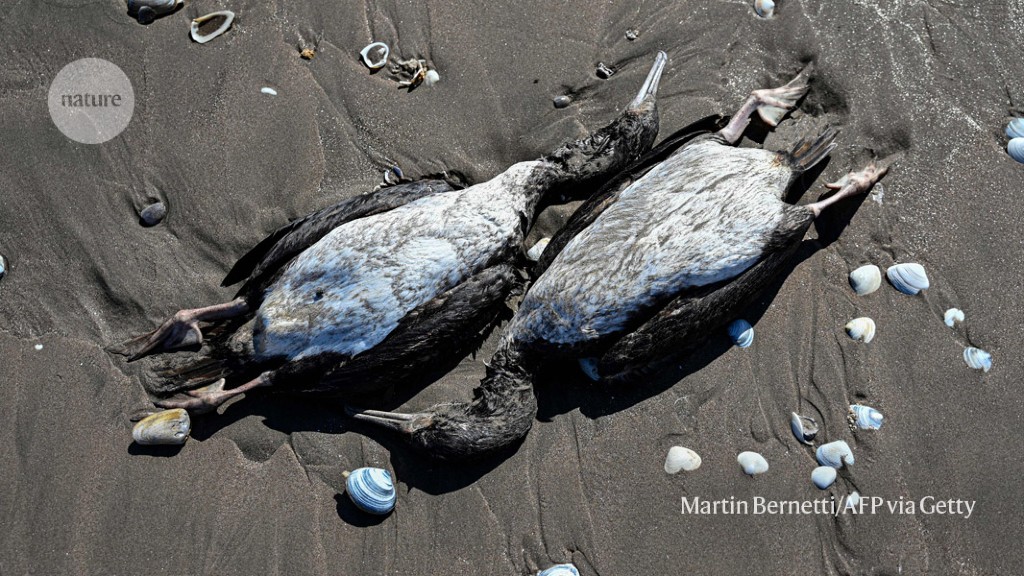
Researchers studying the evolution of the bird flu virus have found that the current strain, H5N1, has become increasingly infectious to wild birds. The strain emerged in Europe in 2020 and has spread to numerous countries. The study reveals that the virus mutated through interactions with non-deadly varieties of bird flu, called low-pathogenic avian influenza (LPAI) viruses, circulating among wild birds. The virus's adaptation to wild birds poses challenges for controlling the disease, as spillover into wild birds has created a global challenge that is difficult to manage. Eradication or elimination strategies targeting LPAI viruses could help control avian influenza.
Scientists have developed an AI system called EVEscape that can predict alterations and mutations in viruses, including COVID-19, as they evolve. The system assigns a score to each variant, indicating its potential to evade immunity from prior infection and vaccination. EVEscape is currently being used to evaluate up-and-coming COVID variants and assist in pandemic planning. The tool has the potential to aid in the development of variant-proof vaccines and therapies. Additionally, it can be used to predict immune escape in other viruses with pandemic potential, such as Lassa and Nipah.

A new study published in the scientific journal Nature suggests that Merck's antiviral Covid pill, molnupiravir, can cause mutations in the virus that occasionally spread to other people, potentially accelerating Covid's evolution. The study found that mutations increased in 2022 after the introduction of molnupiravir in many countries. While there is no evidence that the drug has produced more transmissible or severe variants of Covid, the findings raise questions about the usefulness of molnupiravir and highlight the need for further assessment of its risks and benefits. Merck has disputed the study, stating that the mutations analyzed were associated with sporadic cases and lacked documented evidence of transmission.

Scientists have raised concerns that the antiviral drug molnupiravir, used to treat Covid-19 patients, may be causing mutations in the virus and fueling the evolution of new variants. While there is no evidence that molnupiravir has produced more dangerous variants, researchers have found evidence that the drug can sometimes lead to mutated versions of the virus that can still be transmissible. The mutations increase the genetic diversity of the virus and provide more options for future evolution. The implications of these mutations are still unclear, but further research is needed to assess the risks and benefits of molnupiravir and similar drugs.
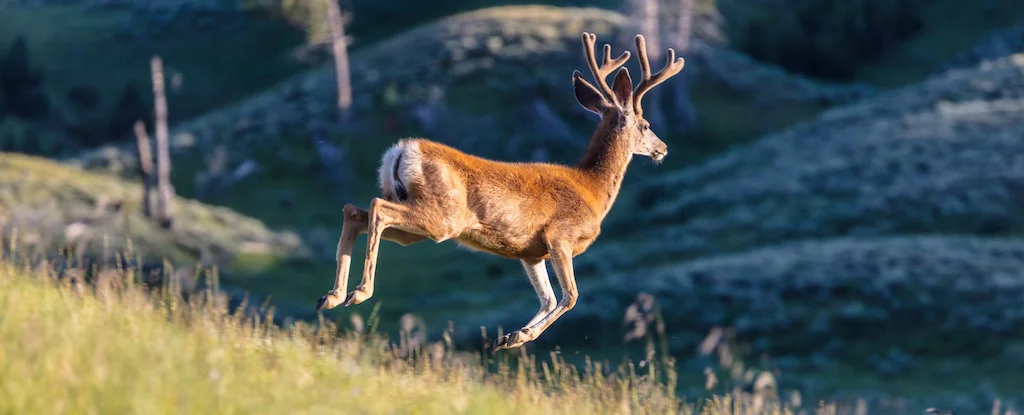
A new study has found that the SARS-CoV-2 virus, responsible for the COVID-19 pandemic, is infecting white-tailed deer in the United States and evolving rapidly within them. The study conducted in Ohio detected active infections in 10 percent of deer sampled, with at least one positive case found in 59 percent of counties tested. Genetic analysis suggests that at least 30 of the infections were introduced by humans. The researchers warn that white-tailed deer could serve as a reservoir for the virus, potentially spreading it to other wildlife, livestock, and humans. However, the study also suggests that COVID-19 vaccination offers protection against variants from deer. Further research is needed to understand the implications of virus evolution in deer and its potential impact on other animal hosts.
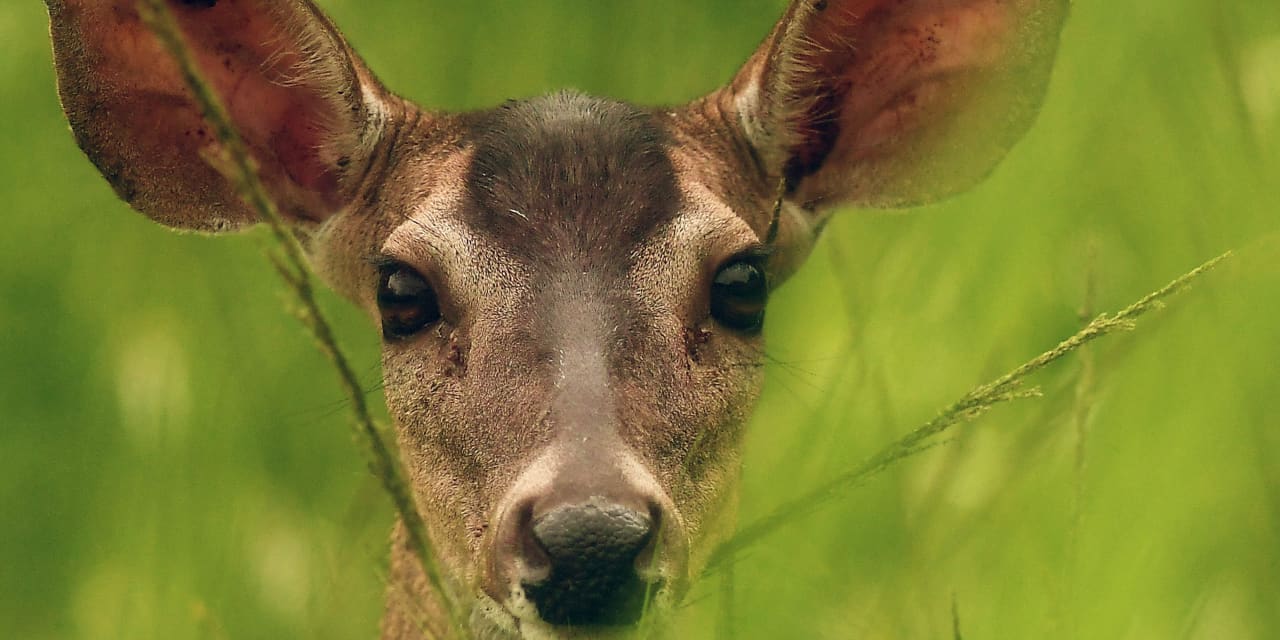
A study published in Nature Communications reveals that the COVID-19 virus is evolving at a faster rate in white-tailed deer compared to humans, with potential consequences for both people and livestock. Researchers collected over 1,500 nasal swabs from deer in Ohio and found that more than 10% of the samples were positive for COVID-19, primarily the delta variant. The study suggests that COVID-19 can easily move between humans and animals, with evidence of transmission from deer to humans. The continued spread of the virus in deer and other hosts could lead to further evolution. Vaccination is believed to offer protection against severe disease if the virus spills back from animals to humans.