Tag

Ba286

All articles tagged with #ba286

"Emerging COVID Variants Pirola BA.2.86 and JN.1 Pose Increased Risk, Studies Warn"

Originally Published 2 years ago — by Fortune

Featured image for "Emerging COVID Variants Pirola BA.2.86 and JN.1 Pose Increased Risk, Studies Warn"
Source: Fortune

New studies suggest that highly mutated COVID variants BA.2.86 and JN.1 may cause more severe disease than other Omicron variants, with BA.2.86 showing traits similar to earlier, more deadly strains. Experts are concerned about the potential recombination of COVID with other coronaviruses in animals and the possibility of a more severe form of the virus emerging. Waning immunity from vaccination and prior infection may also contribute to an increase in COVID hospitalizations. The evolving nature of the virus, including its potential to infect the GI tract and the role of animals in viral mutation, warrants further study and vigilance.
Surge in COVID variant BA.2.86 cases alarms CDC

Originally Published 2 years ago — by Fox News

Featured image for Surge in COVID variant BA.2.86 cases alarms CDC
Source: Fox News

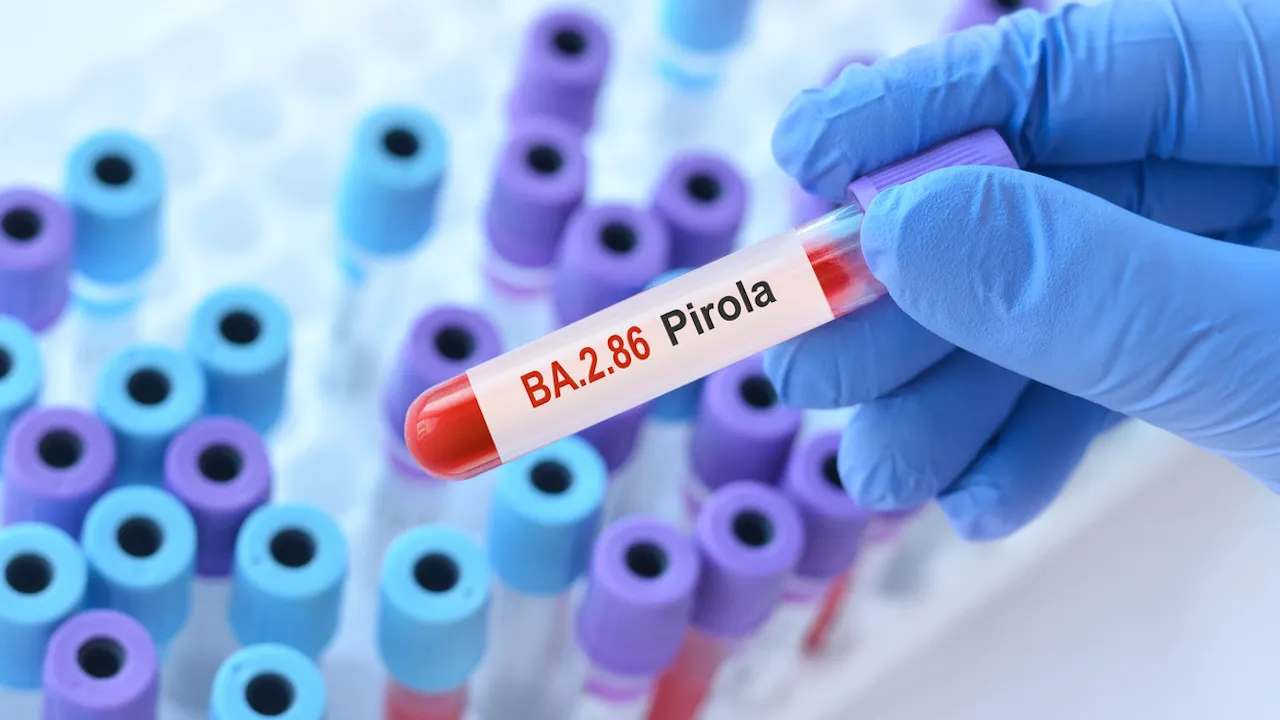
Cases of the COVID-19 variant Omicron BA.2.86, also known as Pirola, have tripled in two weeks, comprising between 5% and 15% of all infections, according to a CDC report. Despite its prevalence, BA.2.86 does not appear to be driving increases in infections or hospitalizations in the United States. The CDC and WHO consider the public health risk posed by this variant to be low compared to other circulating variants. The updated COVID-19 vaccines are believed to increase protection against BA.2.86, as they do for other variants. It is recommended that high-risk groups continue to adopt risk-mitigating behaviors and consult with their physicians about booster shots.

Rapid spread of BA.2.86 COVID variant alarms CDC

Originally Published 2 years ago — by USA TODAY

Featured image for Rapid spread of BA.2.86 COVID variant alarms CDC
Source: USA TODAY

The BA.2.86 variant of COVID-19 has seen a threefold increase in the United States in recent weeks, now estimated to account for nearly 10% of circulating viruses, according to the CDC's Nowcast variant tracker. While the exact percentage is uncertain, health officials believe the variant likely makes up 5% to 15% of circulating variants. The increase in hospitalizations and deaths from COVID-19 is concerning, and colder temperatures in densely populated regions may be contributing to the rise. The BA.2.86 variant is a sub-variant of omicron and is not currently driving increases in infections or severe illness. However, it has been classified as a "variant of interest" by the WHO. New York and New Jersey have seen the highest figures of BA.2.86 cases, and health officials are urging people to stay updated on vaccines and get tested if symptoms develop.

Rapid Spread of BA.2.86 COVID Variant Raises Concerns in the US

Originally Published 2 years ago — by University of Minnesota Twin Cities

Featured image for Rapid Spread of BA.2.86 COVID Variant Raises Concerns in the US
Source: University of Minnesota Twin Cities

The World Health Organization (WHO) has upgraded the BA.2.86 variant, including its offshoots, to a variant of interest as its global proportions, including in the United States, continue to grow. The BA.2.86 variant now accounts for about 9% of circulating viruses in the US. While the immune escape potential of BA.2.86 is expected to be less dramatic than that of the Omicron variant, studies suggest that updated vaccines will provide added protection. The public health risk is currently low, and there is no indication that BA.2.86 will cause more severe disease. The CDC also shares the assessment that the public health risk is low, and BA.2.86 is not driving increases in cases and hospitalizations.

"The Evolving Threat: WHO's Close Watch on COVID Variants"

Originally Published 2 years ago — by Euronews

Featured image for "The Evolving Threat: WHO's Close Watch on COVID Variants"
Source: Euronews

Multiple subvariants of the Omicron variant of COVID-19 are currently circulating globally, including EG.5 (Eris), HV.1, and BA.2.86. While these variants have accumulated mutations that allow them to better infect individuals with immunity to SARS-CoV-2, there is currently no evidence of increased disease severity. Testing and surveillance efforts have decreased, hindering the ability to track and study emerging variants. Experts emphasize the importance of continued vaccination, mask-wearing, and testing to prevent further spread.

CDC Provides Updates on Dominant COVID-19 Variants in the U.S.

Originally Published 2 years ago — by University of Minnesota Twin Cities

Featured image for CDC Provides Updates on Dominant COVID-19 Variants in the U.S.
Source: University of Minnesota Twin Cities

The US Centers for Disease Control and Prevention (CDC) is monitoring the spread of the JN.1 COVID-19 variant, which is part of the same lineage as the BA.2.86 variant. JN.1 contains an extra spike mutation and has been detected in the United States and 11 other countries. The CDC expects that updated COVID vaccines will help protect against both variants, and it reassures the public that new variants are monitored for their impact on vaccines, tests, and treatments. In other news, a study from Japan suggests that seasonal flu vaccination is associated with reduced antibiotic use in people over 65. The US Food and Drug Administration (FDA) has warned consumers to avoid certain over-the-counter eye drops due to potential infection risk. A study from Denmark found that over 50% of long-COVID patients failed to improve 1.5 years after their initial diagnosis, regardless of the variant they were infected with. Lastly, a study in British Columbia, Canada, revealed that by July 2023, over 80% of residents younger than 50 had been infected with SARS-CoV-2, while over 40% of those aged 80 or older remained uninfected and at higher risk for severe outcomes.

"Emerging COVID Variant Faces Resistance from Strengthened Human Immunity"

Originally Published 2 years ago — by WebMD

Featured image for "Emerging COVID Variant Faces Resistance from Strengthened Human Immunity"
Source: WebMD

The Omicron variant of COVID-19, known as BA.2.86, has a new mutation called JN.1, raising concerns among experts. The variant has been found in multiple countries, and more cases are suspected. With over 40 mutations already identified, the virus is evolving and binding better. It is yet to be determined if the new variants will lead to a significant increase in COVID cases or how well immune systems will respond. Scientists recommend close monitoring, increased testing, and updated vaccines to enhance protection. The hope is that the virus will become seasonal, allowing for annual updates to vaccines similar to flu shots.

SARS-CoV-2 BA.2.86 spike: Antigenicity, receptor affinity, and global spread

Originally Published 2 years ago — by Nature.com

A new subvariant of the SARS-CoV-2 virus, BA.2.86, has emerged with 34 additional mutations in its spike protein. However, it is not more resistant to human sera compared to the currently dominant variants, indicating that it may not have a growth advantage. Sera from patients who had breakthrough infections with the XBB variant exhibited robust neutralizing activity against all tested viruses, suggesting that upcoming XBB monovalent vaccines could provide added protection. The BA.2.86 spike showed greater resistance to certain monoclonal antibodies but was more sensitive to others. Additionally, it had a remarkably high receptor affinity. The global spread of this new variant is concerning, and further surveillance is needed to determine its trajectory.

Unveiling the 'Pirola' Covid Variant: What You Need to Know

Originally Published 2 years ago — by The Independent

Featured image for Unveiling the 'Pirola' Covid Variant: What You Need to Know
Source: The Independent

A new Covid variant called "Pirola" or BA.2.86, with over 30 mutations in its spike protein, is spreading in the United States and has been detected in multiple countries. The World Health Organization is closely monitoring the variant due to its high number of mutations, similar to the Delta variant's mutation rate compared to earlier strains. Pirola has been found in 10 US states and has been associated with a rise in Covid-19 cases. Experts are studying its transmissibility and potential to evade immunity from prior infection or vaccination. The CDC advises people to get vaccinated, tested, seek treatment if at high risk, wear high-quality masks, improve ventilation, and practice hand hygiene to protect against the variant.

"UK Faces Dual Threat: Highly Mutated COVID Variant and Vaccine Cost Concerns"

Originally Published 2 years ago — by Reuters UK

Featured image for "UK Faces Dual Threat: Highly Mutated COVID Variant and Vaccine Cost Concerns"
Source: Reuters UK

The UK Health Security Agency (UKSHA) has confirmed 34 COVID-19 cases in England linked to the highly mutated variant BA.2.86, which carries over 35 mutations compared to the dominant variant XBB.1.5. Five patients have been hospitalized, but no deaths have been linked to this emerging variant. The majority of cases were identified in a care home outbreak in Norfolk. Moderna and Pfizer have reported that their updated COVID-19 vaccines show strong responses against the BA.2.86 subvariant. The variant has been detected in several countries, indicating potential widespread community transmission. Further investigation is needed to understand the behavior and extent of this variant in the UK population.

COVID Variant BA.2.86 Spreads to Multiple States, Experts Concerned

Originally Published 2 years ago — by ABC News

Featured image for COVID Variant BA.2.86 Spreads to Multiple States, Experts Concerned
Source: ABC News

The COVID variant BA.2.86, which has a high number of mutations, has been detected in five states in the United States: Texas, Ohio, Michigan, New York, and Virginia. This variant was first identified in Denmark and has since been reported in several countries. Experts believe it may be contributing to the increase in COVID hospitalizations. The CDC's advisory committee is set to discuss new boosters targeting COVID subvariants, which are expected to become available in mid- to late-September. While it's unclear how well the new boosters will protect against BA.2.86, the current vaccine is designed to target a related variant, providing decent protection against severe disease and hospitalization. Wastewater sampling is being used as an early detection tool for monitoring the variant's spread.

Multiple COVID variants discovered in Ohio, including BA.2.86 and Pirola

Originally Published 2 years ago — by WJW FOX 8 News Cleveland

Featured image for Multiple COVID variants discovered in Ohio, including BA.2.86 and Pirola
Source: WJW FOX 8 News Cleveland

The Ohio Department of Health has confirmed one case of the highly mutated BA.2.86 coronavirus variant in Lorain County. This variant, first detected in Denmark and Israel, contains several mutations that distinguish it from other lineages and may have a higher ability to infect individuals who have had COVID-19 or been vaccinated. However, there is currently no evidence that it causes more severe illness, hospitalizations, or deaths. Four variants of concern, including omicron XBB and omicron EG.5, were responsible for about half of all COVID-19 infections in Ohio during the two weeks ending August 12.

"Unraveling the Pirola Variant: Key Facts and Boosters' Longevity"

Originally Published 2 years ago — by Hindustan Times

Featured image for "Unraveling the Pirola Variant: Key Facts and Boosters' Longevity"
Source: Hindustan Times

The BA.2.86 variant, also known as Pirola, has emerged with 35 new mutations, distinguishing it from previous Covid variants. Its severity is unknown due to limited samples, but it is prevalent worldwide. The variant's age is uncertain, and there is no evidence suggesting it is more severe or transmissible than other variants. BA.2.86 is a variant of interest as it has around 30 genetic changes from its parent variant, B82 (Omicron). The effectiveness of previous vaccines against Pirola is yet to be determined, but individuals with prior Covid infection and global vaccines may have some level of protection.

"Emerging Concern: BA.2.86 Detected in US Wastewater - Take Precautions"

Originally Published 2 years ago — by Forbes

Featured image for "Emerging Concern: BA.2.86 Detected in US Wastewater - Take Precautions"
Source: Forbes

The BA.2.86 variant of SARS-CoV-2, an updated version of Omicron, has been detected in the United States through wastewater analysis. While only two official sequences have been identified, the widespread presence of nearly identical sequences suggests that the variant is more prevalent than reported cases. BA.2.86 is highly mutated and may be more immune resistant, infectious, and potentially more severe than its predecessor. The effectiveness of current vaccine boosters against BA.2.86 is uncertain, and mask use in crowded areas is recommended as a preventive measure.

"Mask Mandates: Reconsidering Protection Amidst COVID Resurgence"

Originally Published 2 years ago — by The Conversation

Featured image for "Mask Mandates: Reconsidering Protection Amidst COVID Resurgence"
Source: The Conversation

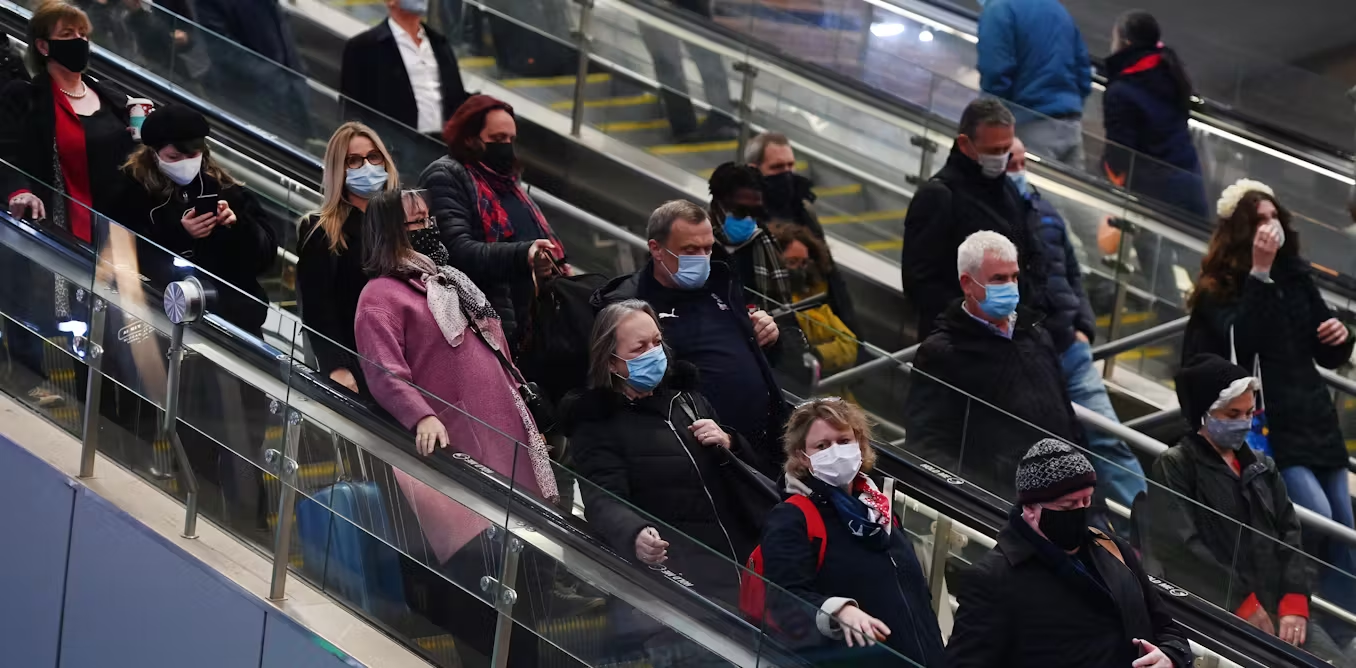
The emergence of the BA.2.86 variant, with its high number of spike protein mutations, has raised concerns about the effectiveness of vaccines and the need for reintroducing measures to control viral spread. However, there is currently insufficient data to determine the impact of this variant. The effectiveness of face coverings, or masks, in preventing COVID-19 transmission remains a contentious issue due to limited comprehensive studies. Implementing mask mandates alone may not be effective without other measures, and public compliance could be challenging. The chances of significant multi-layered infection controls being reintroduced are currently low. BA.2.86 has spread globally but has not caused many hospitalizations, suggesting that existing immunity from vaccines and previous infections is still protective.