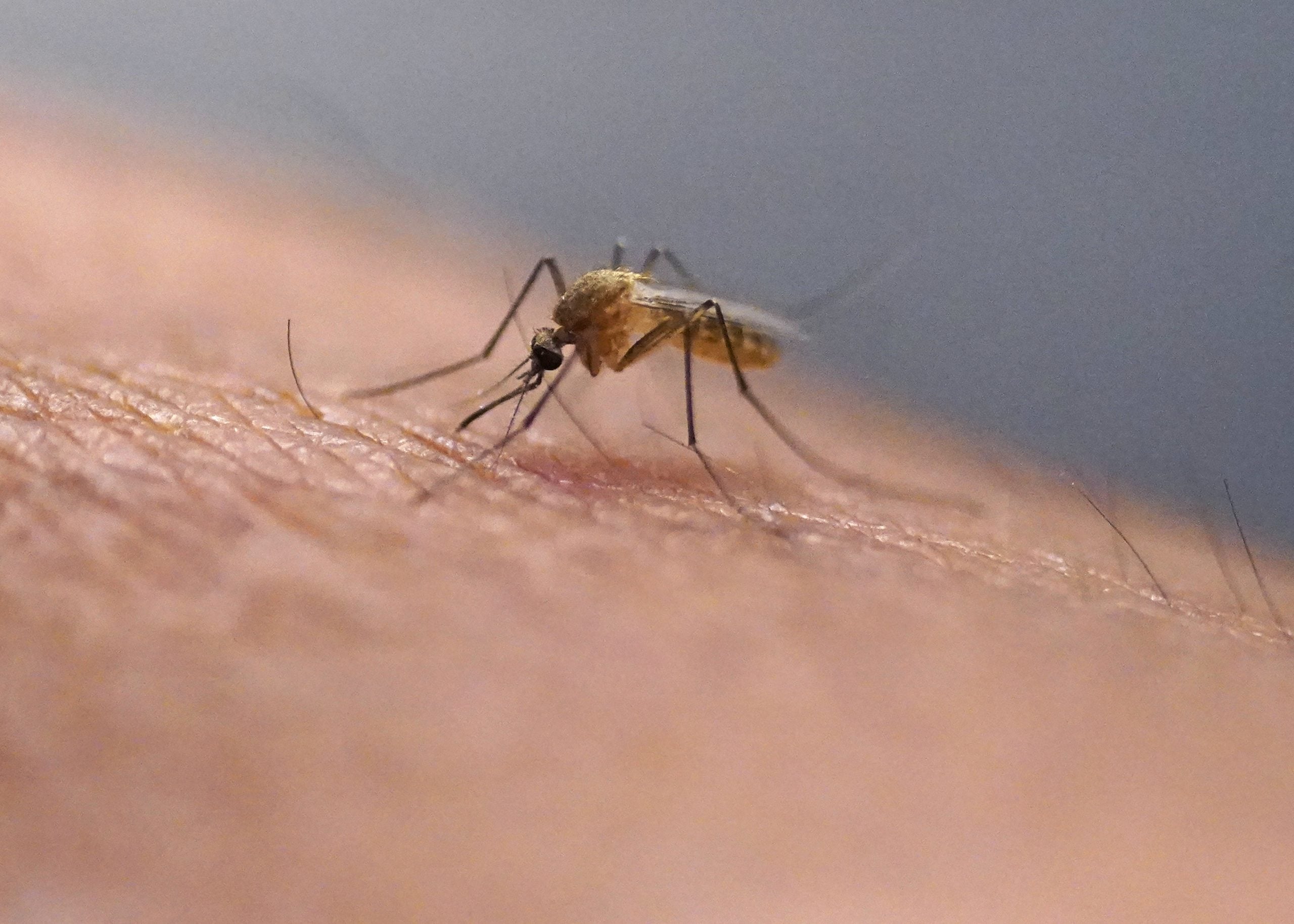
The Eastern equine encephalitis virus has been detected in mosquitoes in three Vermont counties, prompting health officials to advise residents on protective measures, as the virus, though rare, can cause serious illness and death in humans. The virus is monitored through mosquito testing, and while no human vaccine exists, precautions like wearing protective clothing and avoiding standing water are recommended. The virus's presence highlights the importance of ongoing surveillance and public awareness to prevent outbreaks.
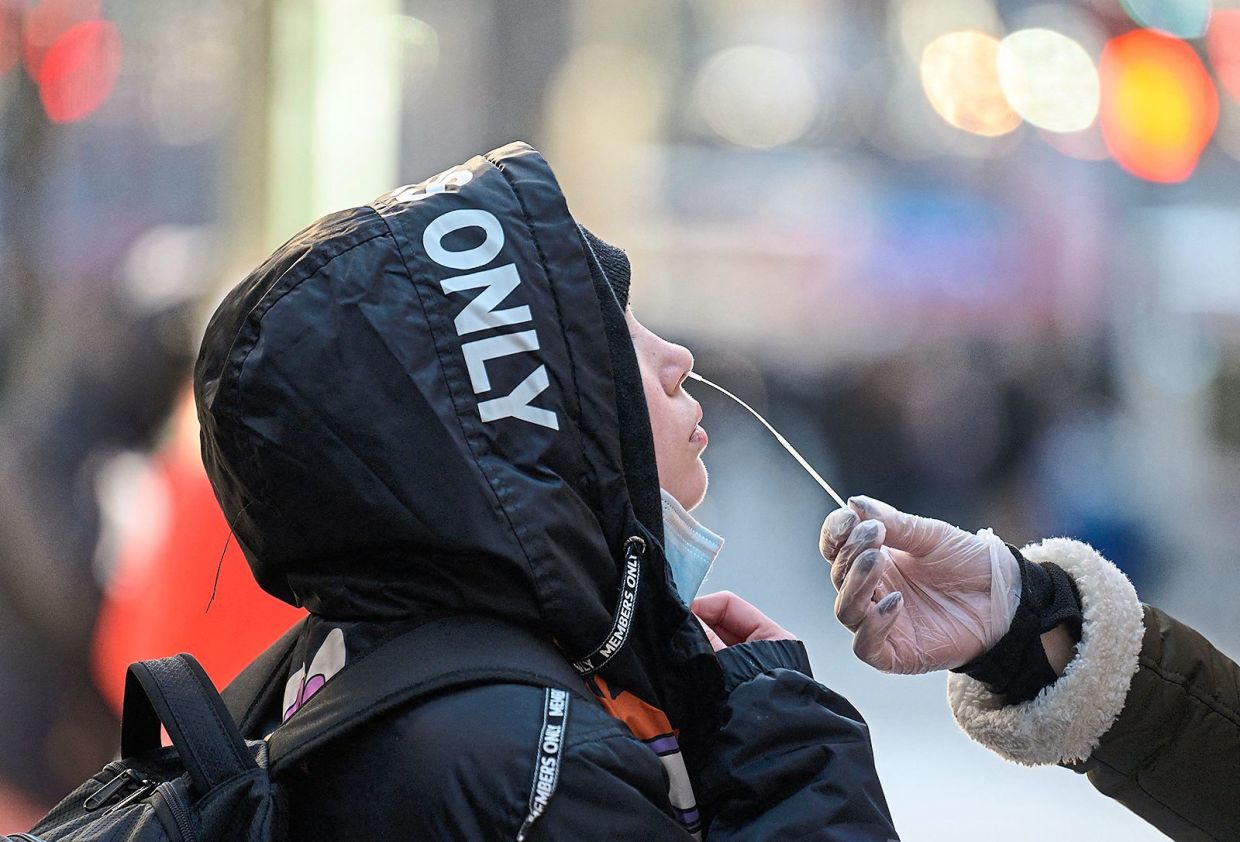
Rapid antigen tests for Covid-19 may appear negative even when individuals are sure they have the virus, due to changes in how our bodies respond to the coronavirus. The immune system's faster recognition of the virus can lead to early symptoms and a suppressed viral load, making it harder to detect with rapid tests. Negative results may indicate low risk of spreading the virus, but individuals with symptoms should consider seeking treatment even without a positive test, as the virus may be flourishing in other parts of the body.
Scientists have developed a new AI system called early warning anomaly detection (EWAD) that can analyze genetic sequences, frequencies, and mortality rates of virus variants to predict the emergence of dangerous variants in future pandemics, providing a potential heads-up on the next deadly virus before it becomes a global threat.
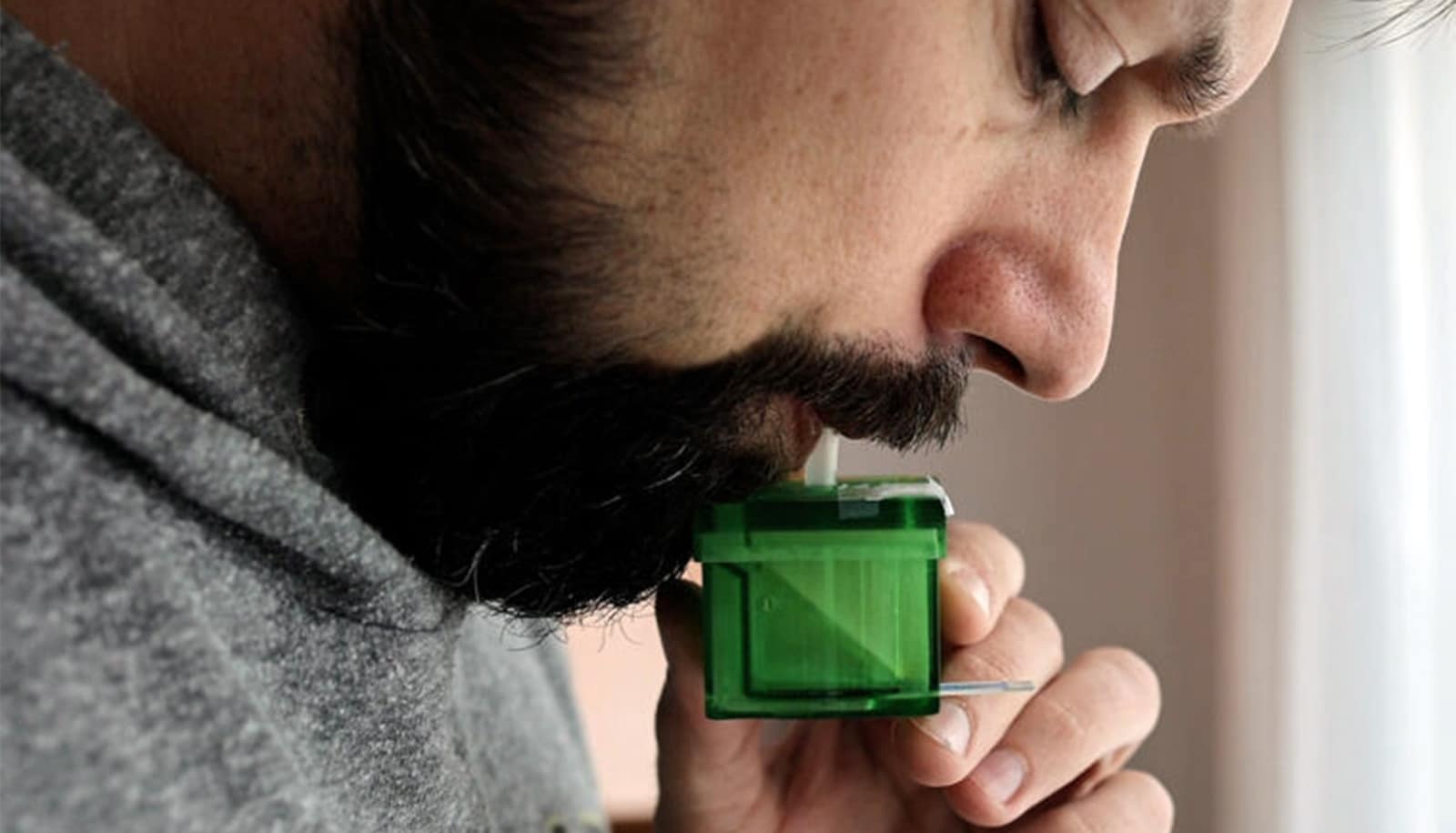
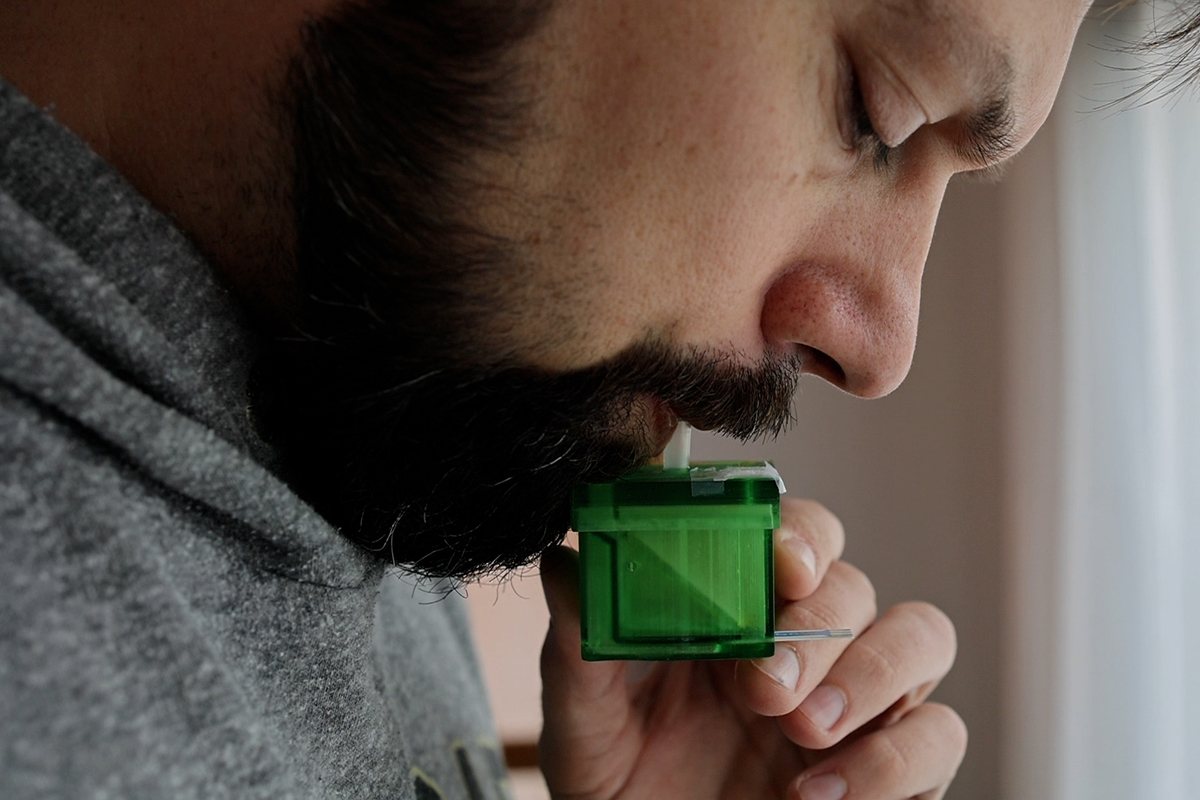
Researchers have developed a new breath test that can quickly identify individuals infected with the virus that causes COVID-19. The device requires only one or two breaths and provides results in less than a minute. The test could be used in doctors' offices for rapid diagnosis and has the potential to prevent outbreaks in settings such as nursing homes and military bases. The researchers also believe the test can be modified to detect other viruses and emerging pathogens. Clinical studies are ongoing to further optimize the device, and a New York-based company has an exclusive option to license the technology for possible commercialization in the future.
Scientists at Washington University in St. Louis have developed a breath test that can quickly identify individuals infected with the COVID-19 virus. The device requires only one or two breaths and provides results in less than a minute. The test, which uses a biosensor, has the potential to be used in doctors' offices, public events, and settings with close quarters to prevent outbreaks. The researchers also believe the test can be modified to detect other viruses and emerging pathogens. Clinical studies are ongoing, and a New York-based company has an exclusive option to license the technology for possible commercialization in the future.
Scientists at Washington University in St. Louis have developed a novel air monitor that can detect COVID-19 virus variants within indoor spaces in as little as five minutes. The monitor, which can be installed in various settings such as hospitals, airports, and office spaces, utilizes a micro-immunoelectrode biosensor that detects the spike protein from the SARS-CoV-2 virus. The device, currently at the proof-of-concept stage, has shown promising results in detecting virus particles in contaminated rooms and has the potential to provide real-time data to help people make informed decisions about their safety in crowded indoor environments. The research team is working towards commercializing the air monitor in the near future.
Researchers at Washington University have developed a device that can detect the presence of COVID-19 in the air within five minutes. The device, which is around the size of a football, uses a biosensor combined with an air sampler to quickly identify live viruses in the air. It has the potential to detect other respiratory viruses in the future. The device could be a game-changer for managing COVID-19, allowing for real-time monitoring of viral risk in indoor settings and aiding healthcare professionals in ensuring patient safety. While the prototype is not yet ready for widespread use, the team is working on commercializing the device and addressing issues such as noise.
Researchers at Washington University have developed an air monitor that can detect the presence of SARS-CoV-2, the virus responsible for COVID-19, in just five minutes. The monitor works by pulling a high volume of air into the device and uses a sensor to detect viral particles. The researchers plan to commercialize the monitor for use in public spaces like hospitals and schools to help prevent the spread of COVID-19. They also aim to expand its capabilities to detect other pathogens in the future.
Biologists at the University of California San Diego have discovered a new way that the immune system detects certain viruses, including SARS-CoV-2, the virus that causes COVID-19. The inflammasome immune protein known as CARD8 can serve as a trip wire to detect a range of viruses. The researchers found that CARD8 functions differently among various species and even varies between individuals in the human population due to genetic variation. The findings provide evidence that CARD8 has evolved substantially across different species of mammals and individual humans.