A new hypothesis suggests that damage to the brainstem caused by viral infections like COVID-19 may underlie symptoms of Long COVID and ME/CFS, potentially explaining their multi-system effects and guiding future research and treatments.
This article emphasizes that influenza is a serious viral respiratory illness that can cause severe complications and death, especially in high-risk groups. It clarifies that antibiotics are ineffective against the flu, which is primarily treated with supportive care and antiviral medications like Tamiflu in severe cases. Prevention through annual vaccination is highly recommended, and good hygiene practices are essential to reduce spread and complications.
A common virus called adenovirus is causing widespread severe sore throats and other symptoms this season, with no specific treatment available, emphasizing the importance of rest, hydration, and good hygiene, while noting that severe cases should seek medical advice especially for vulnerable groups.
A study reports sustained HIV-1 remission in a patient following heterozygous CCR5Δ32 stem cell transplantation, highlighting a potential pathway for HIV cure research.
Research identifies multiple LDLR family members as entry receptors for yellow fever virus, advancing understanding of viral entry mechanisms and potential therapeutic targets.
Life Academy in Montgomery has canceled classes for the rest of the week due to multiple cases of Hand, Foot, and Mouth Disease, affecting the entire school as a precaution, with classes resuming on September 29. The disease is a common viral infection in children, causing sores and rashes, and is usually mild.
Reports of disfigured squirrels affected by squirrel pox, a viral disease spread mainly through mosquito bites and exacerbated by human feeding practices, have increased in North America. While the condition causes painful tumors and disfigurement, most squirrels recover fully, and the disease is species-specific, posing minimal risk to humans and pets. Experts suggest controlling mosquito breeding and avoiding feeding sick animals to prevent spread.
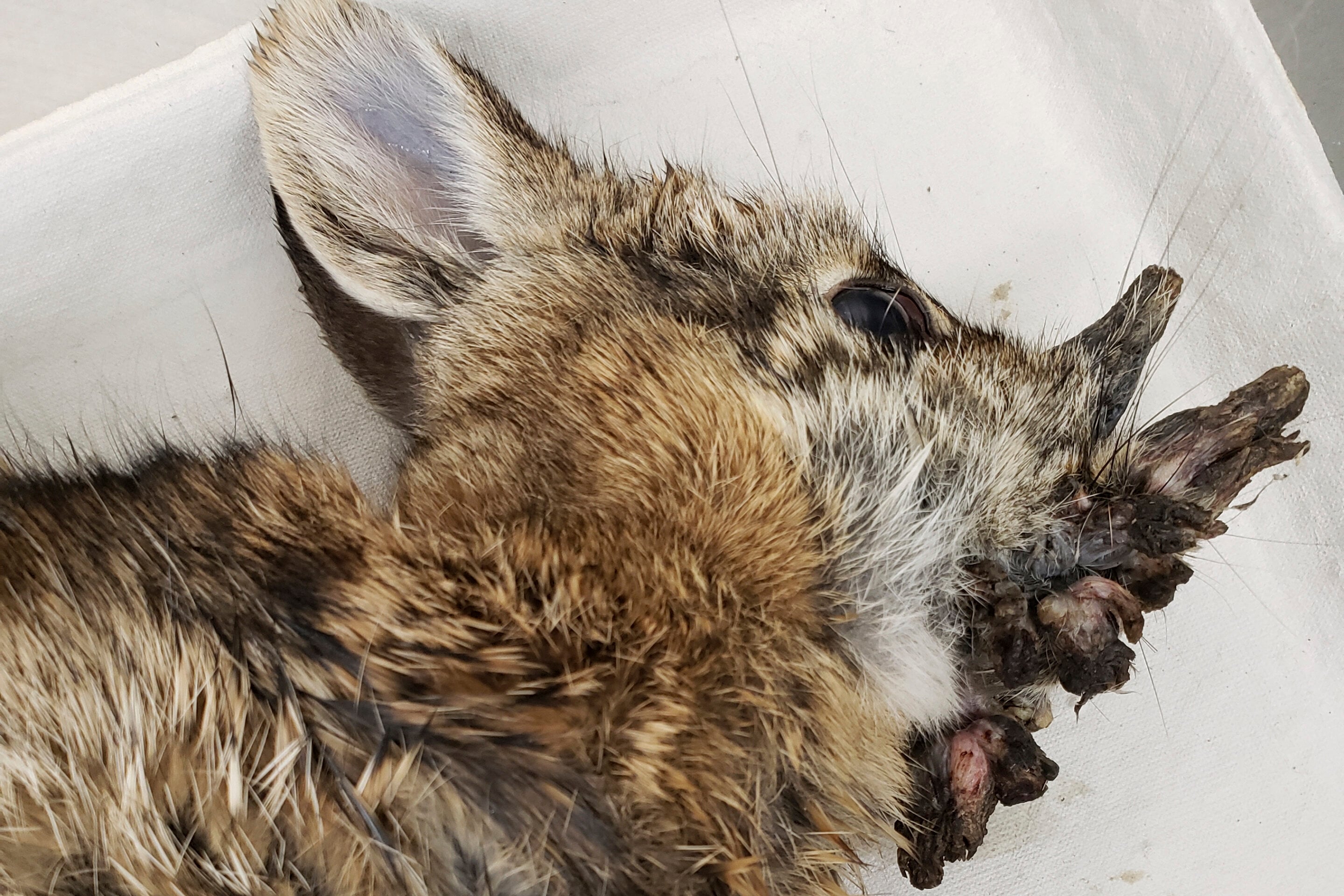
In Colorado, some rabbits have hornlike growths caused by the common and harmless Shope papillomavirus, which has historically influenced folklore like the jackalope myth; the virus is species-specific and not dangerous to humans or pets.
Wild rabbits in Colorado are developing horn-like growths caused by a rabbit-specific papillomavirus, which generally does not harm the animals unless it interferes with eating or drinking. Most infected rabbits survive, and the growths often disappear over time. The virus cannot infect other species but can affect domestic rabbits, especially those housed outdoors, and people are advised to avoid touching infected animals.
A study suggests that recent rhinovirus infections, which cause the common cold, may reduce the risk and severity of COVID-19, especially in children, by triggering antiviral gene expression. Additionally, COVID-19 vaccines significantly reduce hospitalizations and deaths among kidney transplant and dialysis patients, while antibiotic use remains a major risk factor for C. difficile infections in hospitals. The UK reports a rise in H5N1 avian flu in poultry, and health authorities investigate travel-related measles cases in the US and Canada. Prasad resumes his role at the FDA, and the USDA deploys new measures to prevent screwworm spread.
Emerging research suggests a link between herpes virus infections, particularly HSV-1 and VZV, and increased dementia risk, with antiviral treatments and vaccines potentially offering protective benefits. While antivirals haven't proven effective in treating early Alzheimer's, vaccination against VZV may reduce the risk of cognitive decline, prompting healthcare providers to consider preventive strategies and further investigation into viral suppression as a means to preserve brain health.
A new study proposes that viruses like COVID-19 induce endothelial cell senescence, leading to blood clotting, reduced blood flow, and symptoms like brain fog and fatigue in long-COVID and ME/CFS patients. The research aims to develop diagnostic tools and targeted therapies by identifying 'zombie' blood vessel cells, potentially improving treatment for these chronic conditions.
New research suggests that viruses like COVID-19 can induce endothelial cells to become 'zombie' senescent cells, which contribute to long-lasting symptoms such as fatigue, brain fog, and blood flow issues in long-COVID and ME/CFS by promoting blood clots and immune dysfunction. The study aims to develop diagnostic tools and targeted therapies to eliminate these senescent cells and improve patient outcomes.
Recent research suggests a potential link between the human pegivirus (HPgV) and Parkinson's disease, with the virus found in the brains of some patients. While the study does not establish causation, it highlights the possible role of viral infections in triggering neurodegenerative processes, adding to the understanding of Parkinson's complex causes. Further research is needed to confirm this connection.
A mouse study suggests that herpes simplex virus type 1 (HSV-1) may contribute to multiple sclerosis (MS) by damaging myelin, with findings indicating that blocking the MLKL protein can prevent myelin loss and neurological damage, highlighting potential new treatment avenues.