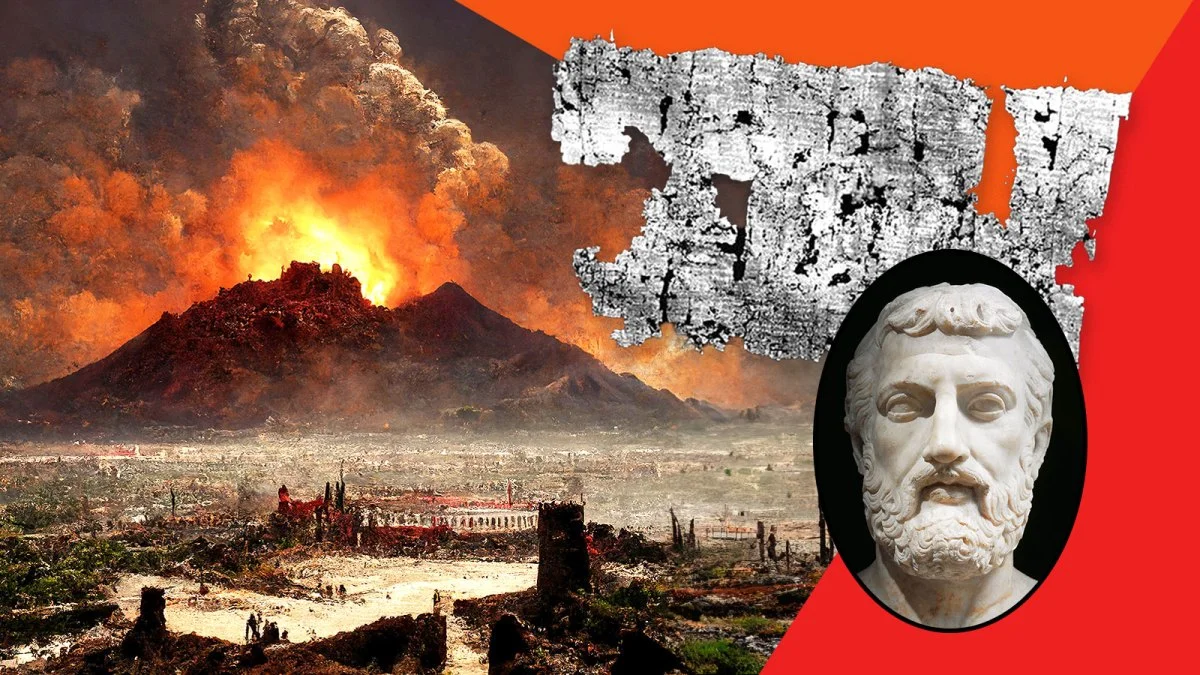
Researchers used a new thermal imaging technique to read charred papyrus scrolls from Vesuvius's eruption, revealing new details about Zeno of Citium, the founder of Stoicism, including his life, teachings, and controversial ideas on social practices, thereby enhancing our understanding of ancient Greek philosophy.
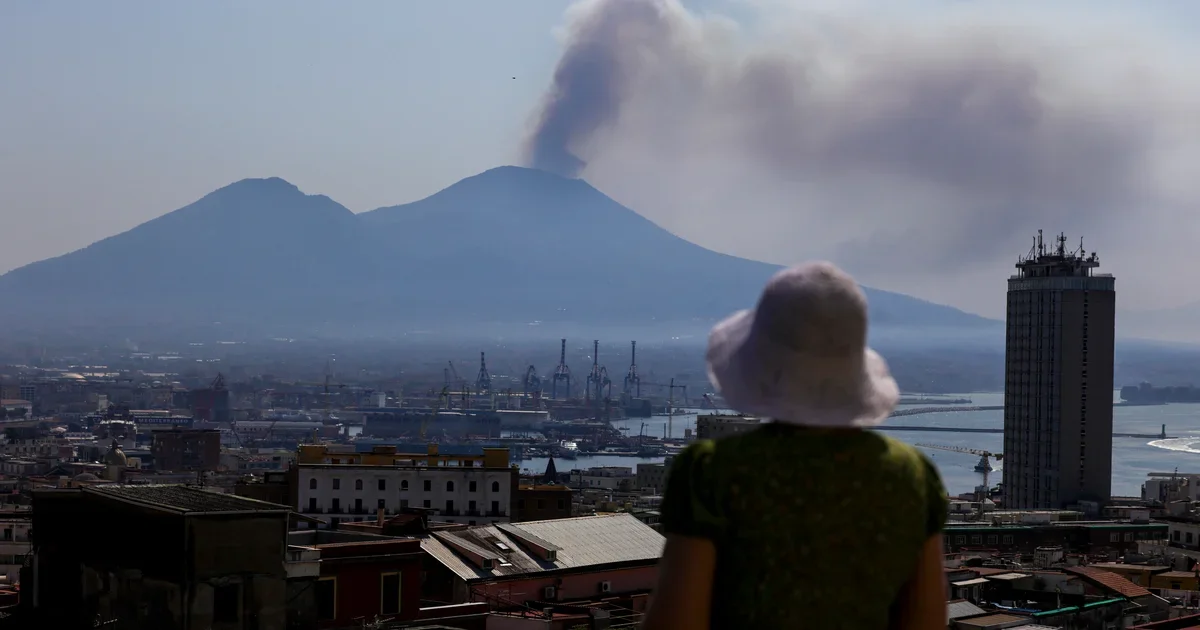
A wildfire on Mount Vesuvius in Italy has led to the closure of hiking routes and the deployment of firefighting efforts, including drones and aircraft, due to the fire spreading across the national park. The fire, fueled by hot weather and dense vegetation, has impacted over 500 hectares and posed safety risks, while authorities continue efforts to contain it amid broader European wildfire concerns linked to climate change.
A wildfire at Mount Vesuvius continues to burn with three active fronts, visible from space, causing significant environmental and economic damage, and highlighting Italy's worsening wildfire crisis.
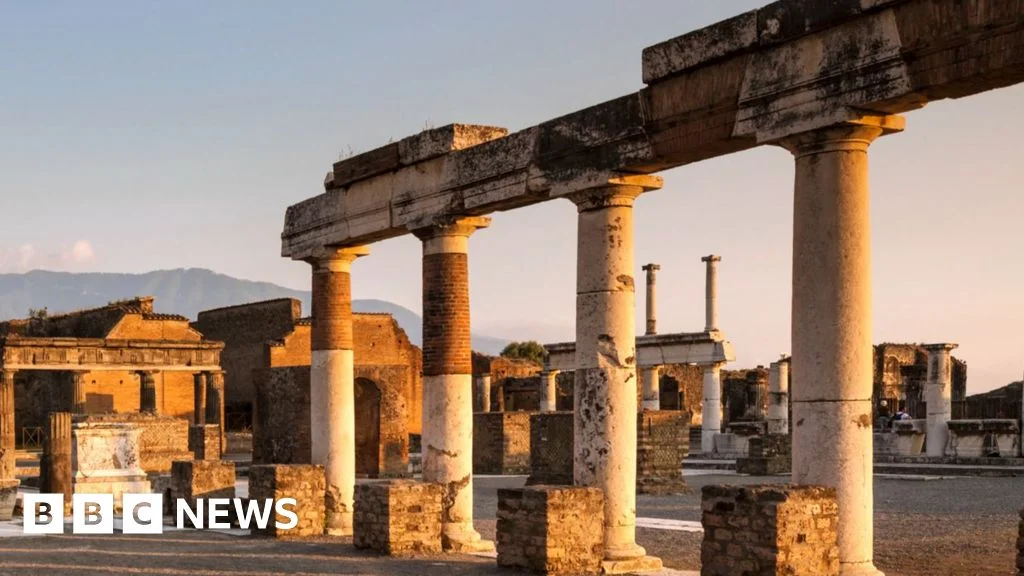
New archaeological evidence indicates that after the eruption of Mount Vesuvius in AD 79, some survivors and others seeking settlement returned to live among the ruins of Pompeii, continuing to inhabit the site until the 5th century, in a makeshift community that lacked typical Roman infrastructure.
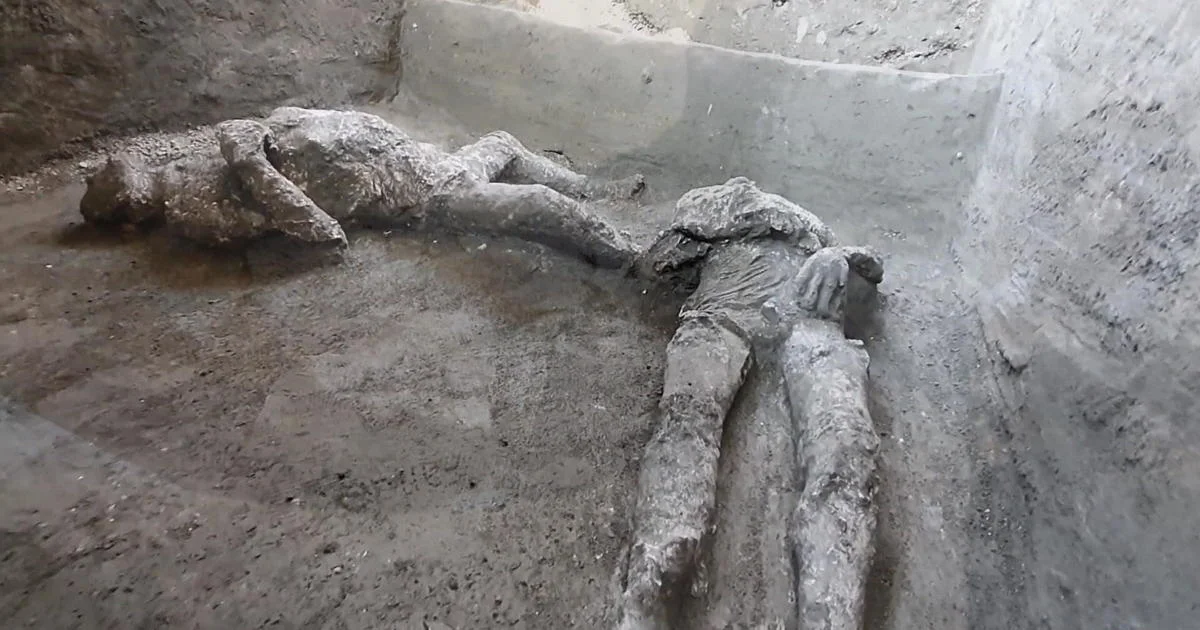
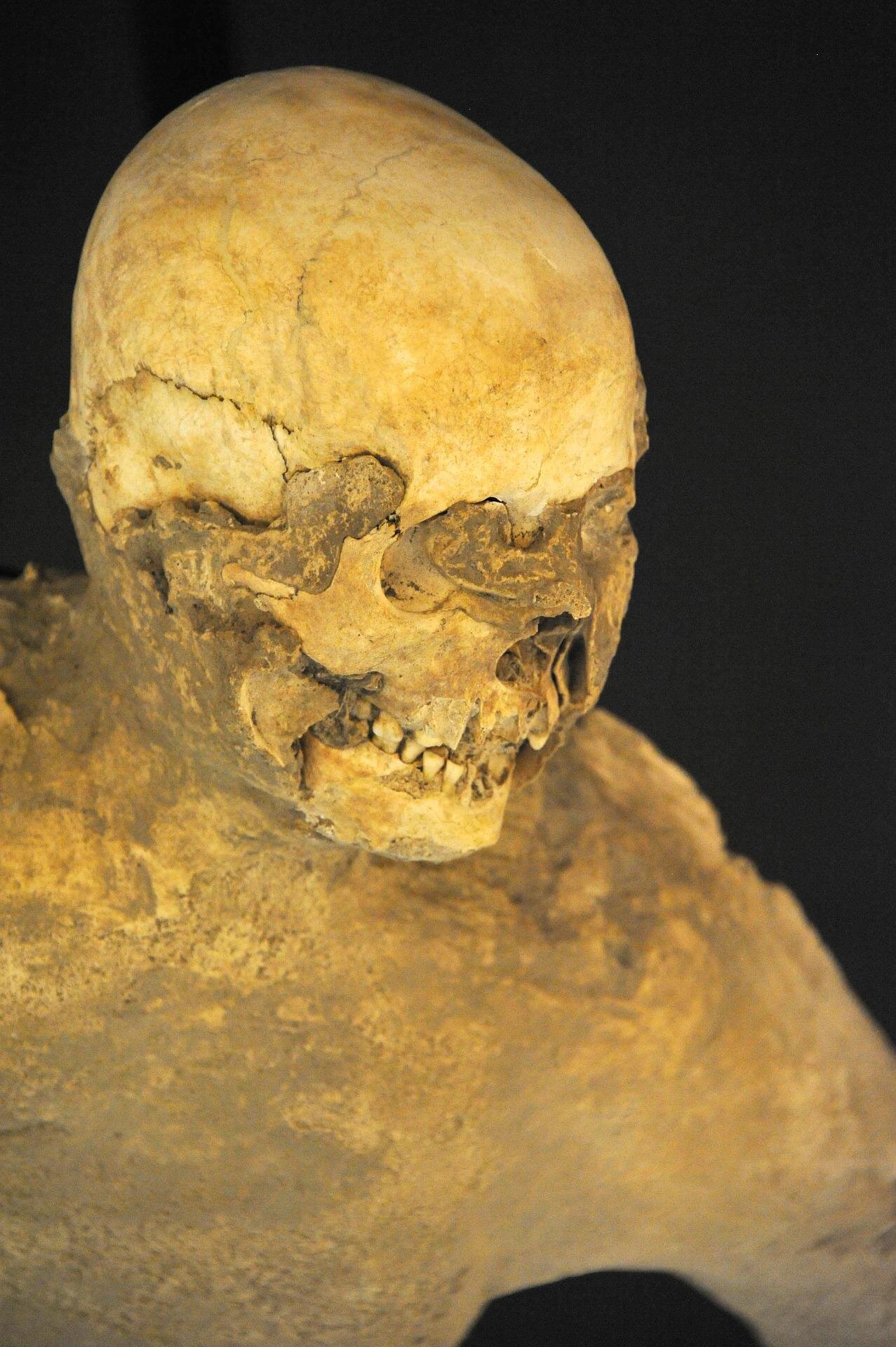
New DNA evidence from Pompeii challenges previous assumptions about the identities and relationships of victims of the 79 A.D. Vesuvius eruption. Researchers found that individuals thought to be related were not, and some presumed women were actually men. The study highlights the diverse backgrounds of Pompeii's citizens, primarily descended from eastern Mediterranean immigrants, and underscores the potential of ancient DNA to provide insights into historical populations.
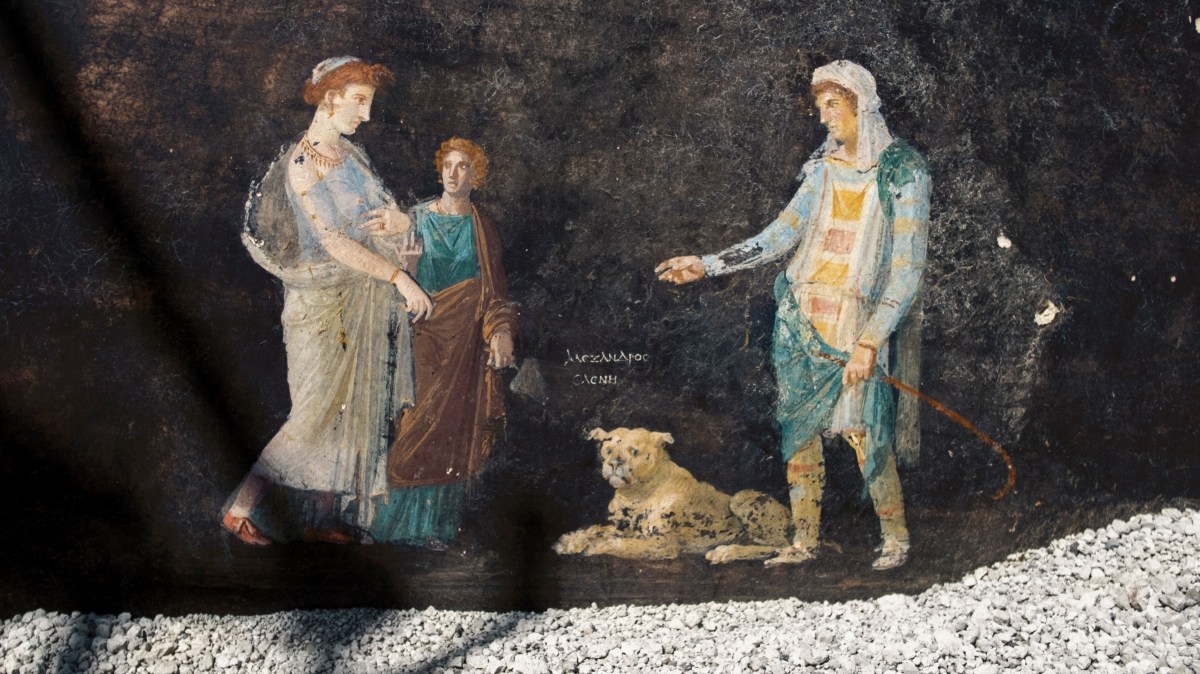
Archaeologists and filmmakers have uncovered a stunning secret at Pompeii - a pristine fresco of Helen of Troy and other characters from the Trojan war, remarkably well-preserved despite being buried for 2,000 years. The frescoes, found in a dining room, appear to have been created shortly before the eruption of Vesuvius, making them some of the last works of art from that time.
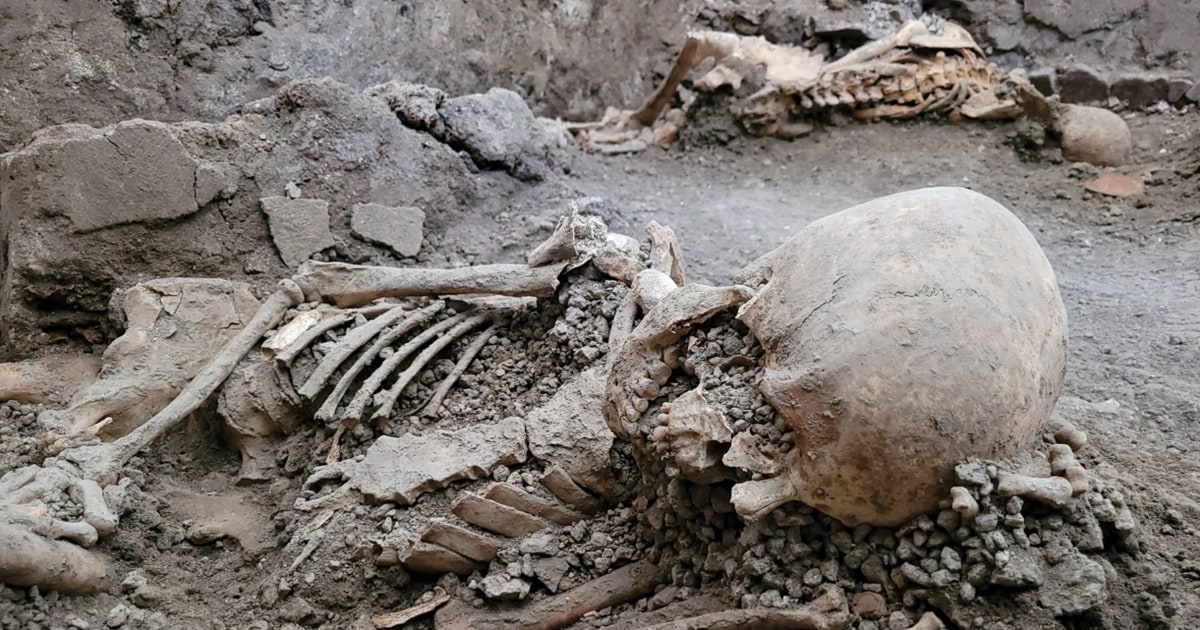
Two newly discovered skeletons found at Pompeii show that the most famous volcanic eruption of the ancient world also posed a less well-known threat: earthquakes. The bodies of two men, both probably in their 50s, were found covered in masonry from a collapsed wall — further examination showed they were killed by the impact, their bones crushed. The new methods show that the pair were likely two of many people in the area killed by devastating earthquakes that hit alongside the eruption from Vesuvius.
Geologists from the University of Roma Tre have discovered that a pyroclastic current struck Herculaneum shortly after Mount Vesuvius erupted in 79AD, vaporizing the people living there and explaining why their bodies were not well preserved. The people of Pompeii were buried alive in ash. The geologists collected carbonized wood samples from Herculaneum and found evidence of a very hot gas for a very short period of time, which suggests exposure to a diluted pyroclastic density current. The team suggests their findings should serve as a warning for modern citizens of Naples.