Seven Chinese tourists were found dead after a tour bus plunged through the ice on Russia's Lake Baikal in Siberia; one passenger escaped, a criminal case was opened, and rescuers planned diving operations at about 18 meters depth.
A European Travel Commission survey forecasts Europe’s international arrivals to rise 6.2% in 2026, led by a 28% jump in Chinese visitors and a 9% rise in Indian visitors, while travel from the Americas grows only about 4.2% and U.S.–to–Europe bookings fall; travel spending in Europe rose about 9.7% in 2025 as travelers seek high‑value experiences.
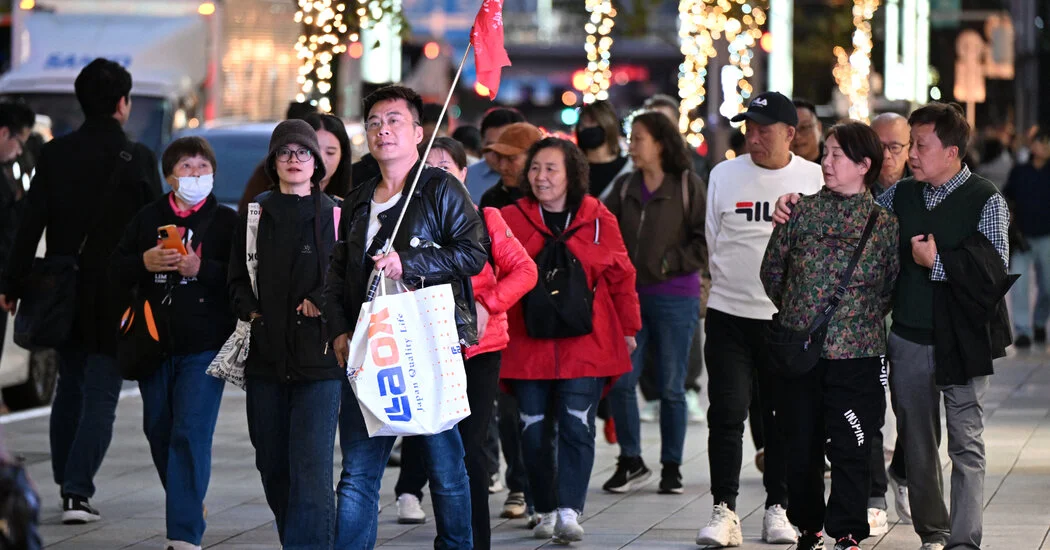
Chinese tourists are shunning Japan during the Lunar New Year amid a Beijing–Tokyo row over Taiwan, with Chinese arrivals in Japan almost halving in December and expected to fall as much as 60% year-on-year, as South Korea and other regional destinations gain popularity.
Hawaii hotels say 2025 produced a $12 billion economic ripple—an amount spread across the economy that translates to about $760 in economic impact per occupied room night once visitor spending on dining, shopping, transportation, and experiences is included, though this is not the room rate. Total visitor spending reached roughly $21.75 billion with arrivals near 9.6 million, and daily per-person spending rose to about $273. Base rates, resort fees, parking and taxes push the tax-inclusive cost toward ~19%, and despite higher spending, hotel profitability has not fully rebounded and some properties have downsized or closed. The figures underscore scale and leverage, but where the money ultimately benefits locally remains a point of debate.
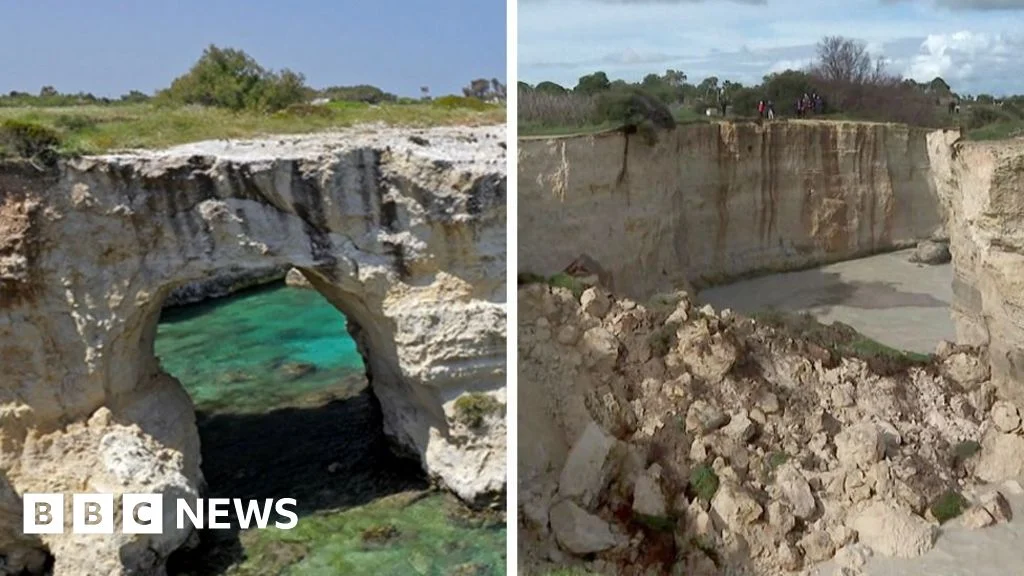
Italy’s famous Lovers Arch at Sant’Andrea in Puglia collapsed into the Adriatic Sea on Valentine’s Day after days of heavy rain and winds from Storm Oriana, ending a popular wedding-proposal landmark; officials say the weather accelerated natural erosion and will prompt efforts to address coastal preservation and erosion.
A diplomatic clash between Japan and China over Taiwan’s security has driven a sharp drop in Chinese visitors to Japan—the country’s largest source of inbound tourism—after Japan’s prime minister signaled defense of Taiwan. December arrivals fell 45% year-over-year, illustrating how the feud is weighing on Japan’s economy, which relies heavily on tourism from China.
UN data show 2025 international arrivals at about 1.5 billion and a projected 4% global growth in 2026, driven by high-identity destinations such as Brazil, Egypt, Ethiopia, Bhutan and Seychelles rather than just traditional hubs. Egypt benefits from the Grand Egyptian Museum and slower Nile experiences; Brazil expands thanks to air connectivity and major events; Ethiopia is rebuilding demand with improved access and the Visit Ethiopia platform; Bhutan maintains a sustainable, high-value model funded by a nightly development fee. The trend underscores travelers’ preference for distinctive cultures and more sustainable, less crowded experiences while addressing overtourism.
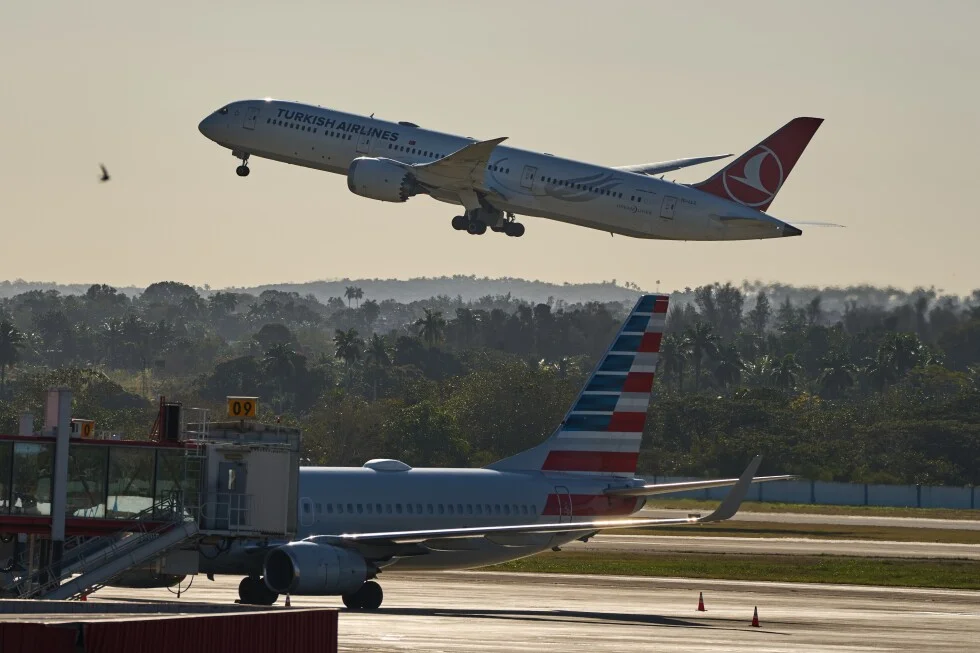
Cuban officials warned that jet fuel won’t be available at nine airports through March 11, signaling a deepening energy crisis worsened by U.S. sanctions; airlines have suspended or delayed flights and may refuel in nearby countries, as authorities tighten energy measures that threaten long-haul routes and the tourism industry.
During Super Bowl Week, visitors to San Francisco express admiration for its beauty and cleanliness while acknowledging ongoing issues with homelessness, drugs, and crime; locals and visitors alike say the city feels safe and lively, with events like Bad Bunny look-alikes in the Mission District and other festivities, suggesting SF remains a popular destination despite headlines.
Fujiyoshida city has canceled its 10-year cherry blossom festival to shield residents from overtourism fueled by Japan’s weak yen; the event typically draws about 200,000 visitors, and officials warn the nearby park site could still see crowds even without the festival.
Fujiyoshida city cancelled the Arakurayama Sengen park cherry blossom festival near Mount Fuji this year due to rising disruptive tourist behaviour, including trespassing and littering, that threatens residents’ lives; the decade-long event drew about 200,000 visitors annually (more than 10,000 per day at peak), and officials will bolster security, add temporary parking and portable toilets at the venue, which may still attract crowds for its Mount Fuji views.
Israeli tourism to Azerbaijan jumped 139% in 2025 from 2024, with Israelis spending about 184 million NIS ($59 million). Officials attribute the rise to long-standing ties and expanded flights, including plans to double weekly Ben-Gurion–Baku flights from 14 to 28, as Baku markets itself as a safe, diverse destination beyond the capital.
China’s 40‑day Spring Festival travel rush began on Monday ahead of an extended Lunar New Year holiday from February 15–23, the longest break in years. The government expects a record 9.5 billion passenger trips during the period, surpassing last year’s 9.02 billion, as consumers balance spending with economic caution. Domestic bookings are strong (Flight Master data shows about 4.13 million flights booked by mid‑January, up ~21% year‑over‑year), with outbound travel focused on Southeast Asia (Thailand among the top destinations) while routes to Japan have fallen by more than 40% after a recent spat. Internally, heritage towns like Huangshan, Jingdezhen, Quanzhou, Foshan, and Zigong are popular, and ticket prices can be volatile with early purchases advised.
Non-residents must buy a 2-euro ticket to approach and toss coins into Rome’s Trevi Fountain during peak hours (11 a.m.–10 p.m. on Mondays and Fridays; 9 a.m.–10 p.m. otherwise); after 10 p.m. access is free. Proceeds fund fountain maintenance and Caritas, with exemptions for children under five, people with disabilities, and local residents. The move targets overtourism in a crowded square, though some visitors resisted on day one and officials plan patrols to curb injuries.
Disney warned its U.S. theme parks will be affected by weaker international visitation, even as it pivots to marketing to U.S. customers and still expects modest growth. International arrivals to the U.S. fell last year, with Canada dropping sharply, and potential policy moves like social-media history checks could further dampen travel. In the latest quarter, park attendance rose modestly and parks revenue surpassed $10 billion, but company profits declined due to higher costs, and Disney’s stock slipped about 4%. Despite headwinds, executives said U.S. park bookings are tracking toward roughly 5% growth this year.