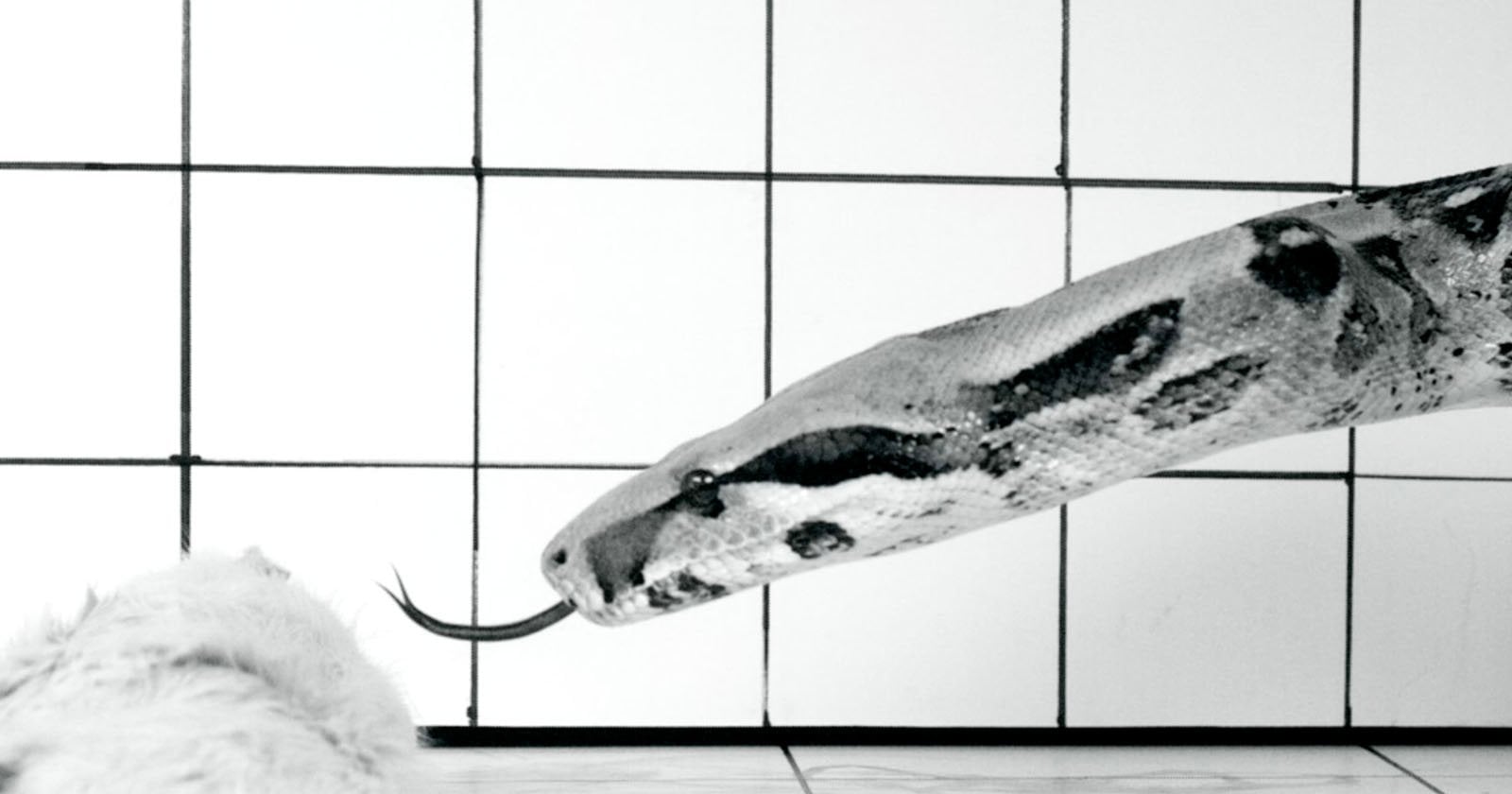
A new study using advanced high-speed video techniques reveals detailed differences in how various venomous snake species deliver their bites, showing that vipers strike the fastest, while elapids and colubrids have distinct striking behaviors, highlighting the evolutionary adaptations of these reptiles.
Scientists captured high-speed footage of venomous snakes from different families biting prey to study their attack mechanisms, revealing significant differences in how they deliver venom and hunt, which enhances understanding of snake evolution and behavior.
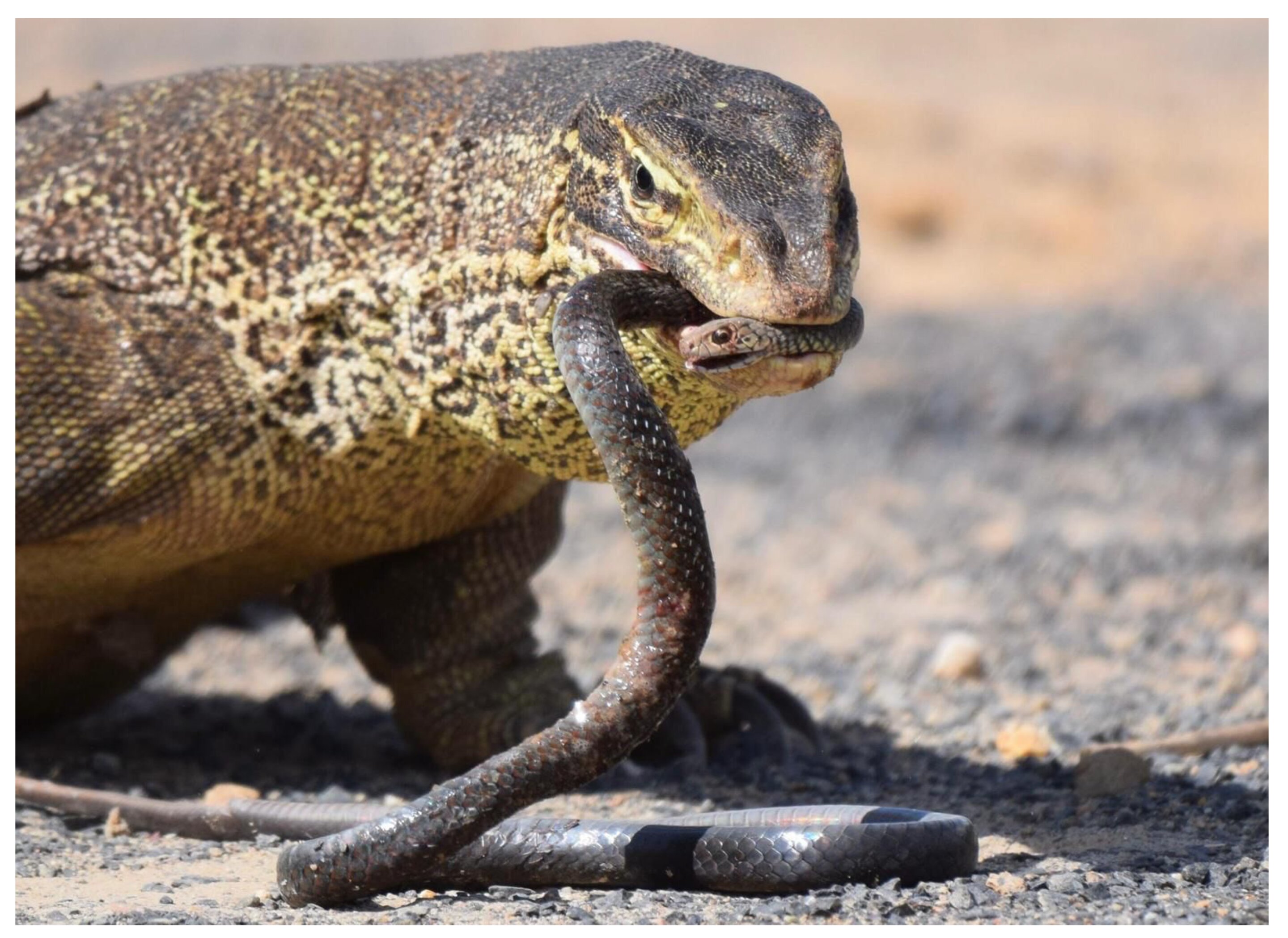
A study led by the University of Queensland has revealed how certain lizards, including Komodo dragons and goannas, have evolved to resist the deadly neurotoxins of venomous Australian snakes. The research found that most large varanid lizards have inherited neurotoxin resistance, possibly due to their predatory lifestyle, while some smaller species lost and regained this resistance as they adapted to different environments. Additionally, the study showed that some lizards rely on their physical build, such as thick scales and large teeth, to protect themselves against snakebites. This research sheds light on the dynamic nature of evolutionary processes in delicate ecosystems and highlights the intense predator-prey dynamic between lizards and snakes.
Researchers have made significant progress in developing a universal antivenom that can neutralize the effects of venom from any venomous snake by creating a lab-made antibody called 95Mat5, which can neutralize neurotoxins found in the venom of many snake species. This breakthrough could potentially replace traditional antivenoms, but additional antibodies are needed to neutralize other toxin types, and further research and human trials are required before a universal antivenom becomes available to snakebite victims.
Scientists have developed a lab-made antibody, 95Mat5, that has shown promise in neutralizing toxins from a variety of venomous snakes, including cobras and mambas. This breakthrough could lead to the development of a universal antivenom that offers broad protection against snakebites, potentially saving thousands of lives annually. The research, led by scientists at Scripps Research, utilized a screening process to identify antibodies capable of neutralizing multiple snake toxins, and they are now working on developing additional antibodies for broader coverage against different snake species.
Scientist Bill Ryerson spent years filming slow-motion footage of snakes attacking their prey to reveal how they kill. His research using high-speed cameras showed that snakes are either "strikers" or "lungers," and their teeth shape, position, and size can predict the speed and direction of their strike. "Strikers" attack at lightning speed from above, impaling their prey with needlelike teeth before injecting venom or squeezing the animal to death, while "lungers" strike more slowly and make contact with both jaws simultaneously. Ryerson's work sheds light on how snakes' teeth are significant to their killing behavior and was recently published in a book on snake morphology and ecology.
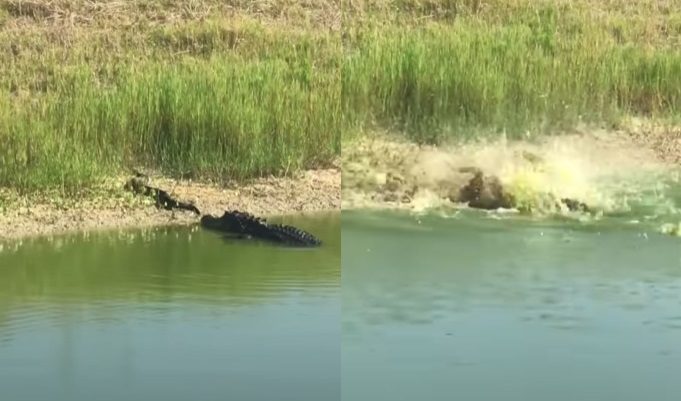
An alligator in South Florida was captured on video attacking and devouring a water moccasin, also known as a cottonmouth snake, on the shore. While Florida is known for its deadly wildlife, including venomous snakes, the power and speed of the alligator's attack were still shocking. The incident highlights the dominance of alligators in Florida's waters and their ability to prey on smaller animals when the opportunity arises.
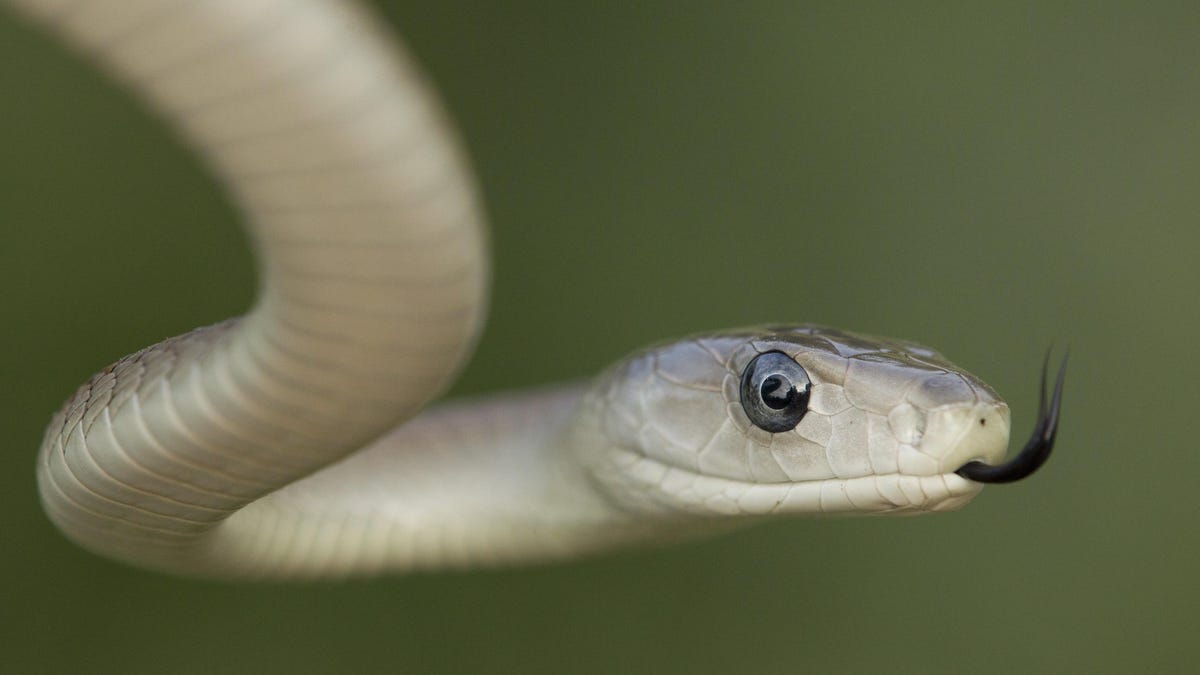
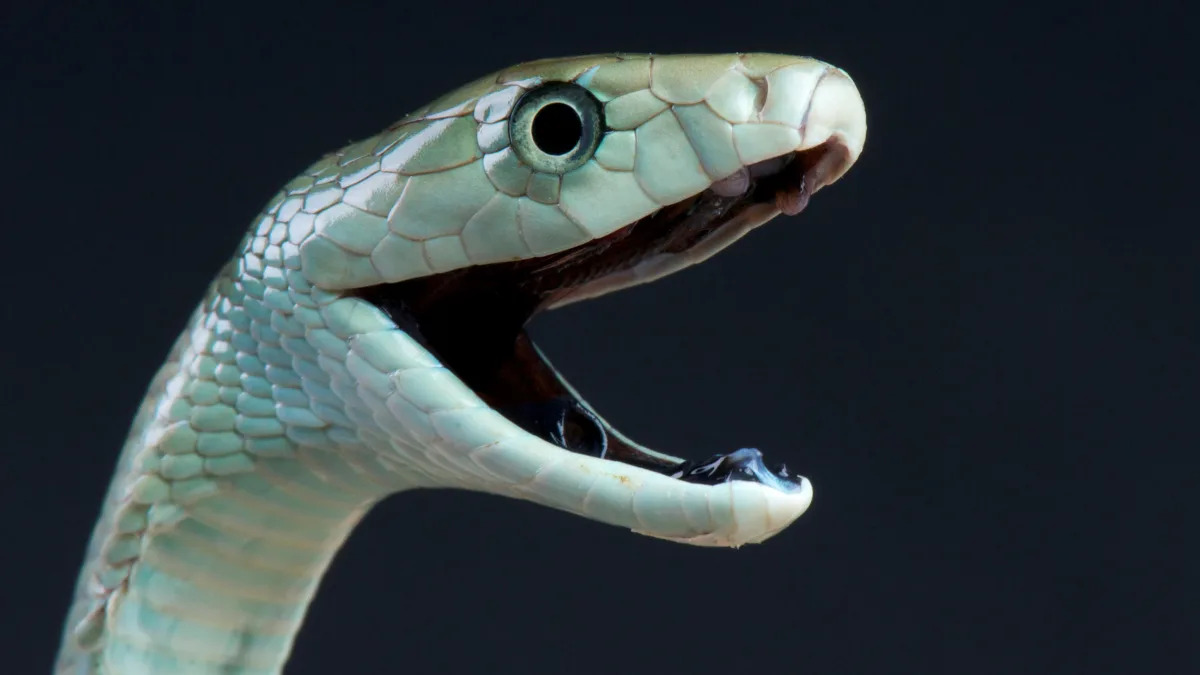
Two giant black mambas, highly venomous snakes over 8 feet long, were filmed engaging in a fierce wrestling match in a backyard in South Africa. The larger snake attempted to pin down the smaller one, which eventually surrendered and moved away. The snakes were likely fighting over a female during mating season. Black mambas are known for their venomous bites, but they do not bite each other during fights. This behavior, known as "plaiting combat," is a demonstration of stamina and physical strength rather than chemical warfare. Snakes possess immunity towards their own species' venom, which helps protect them during combat rituals.