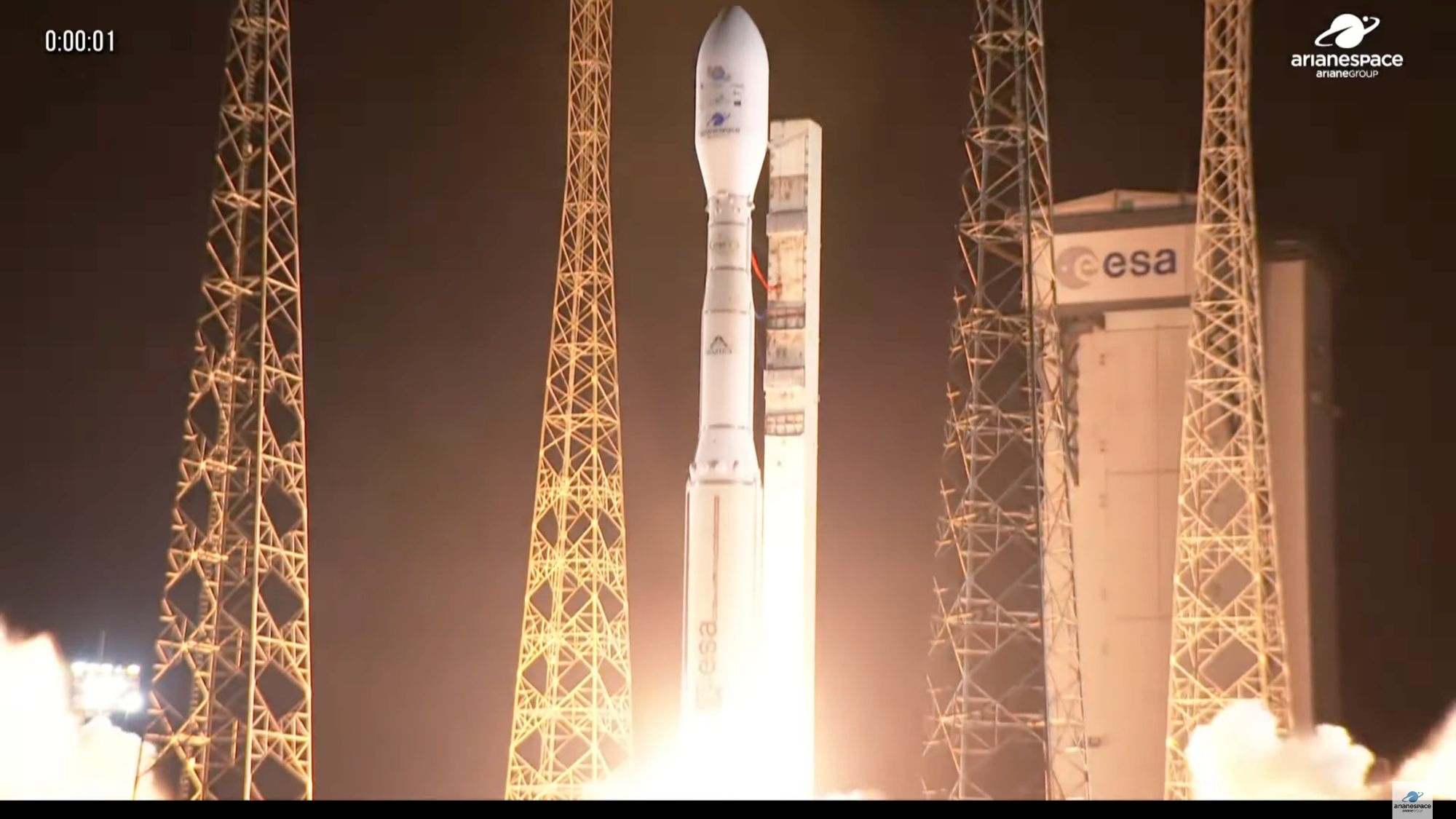
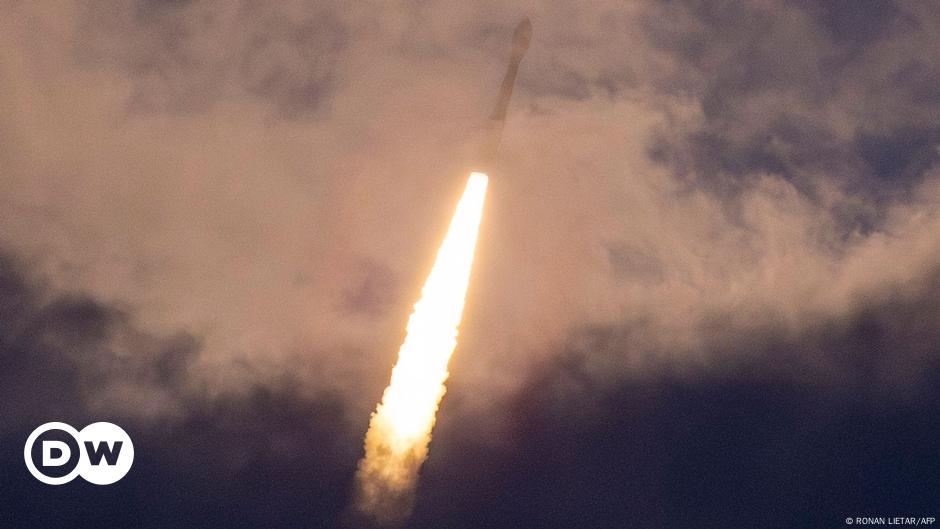
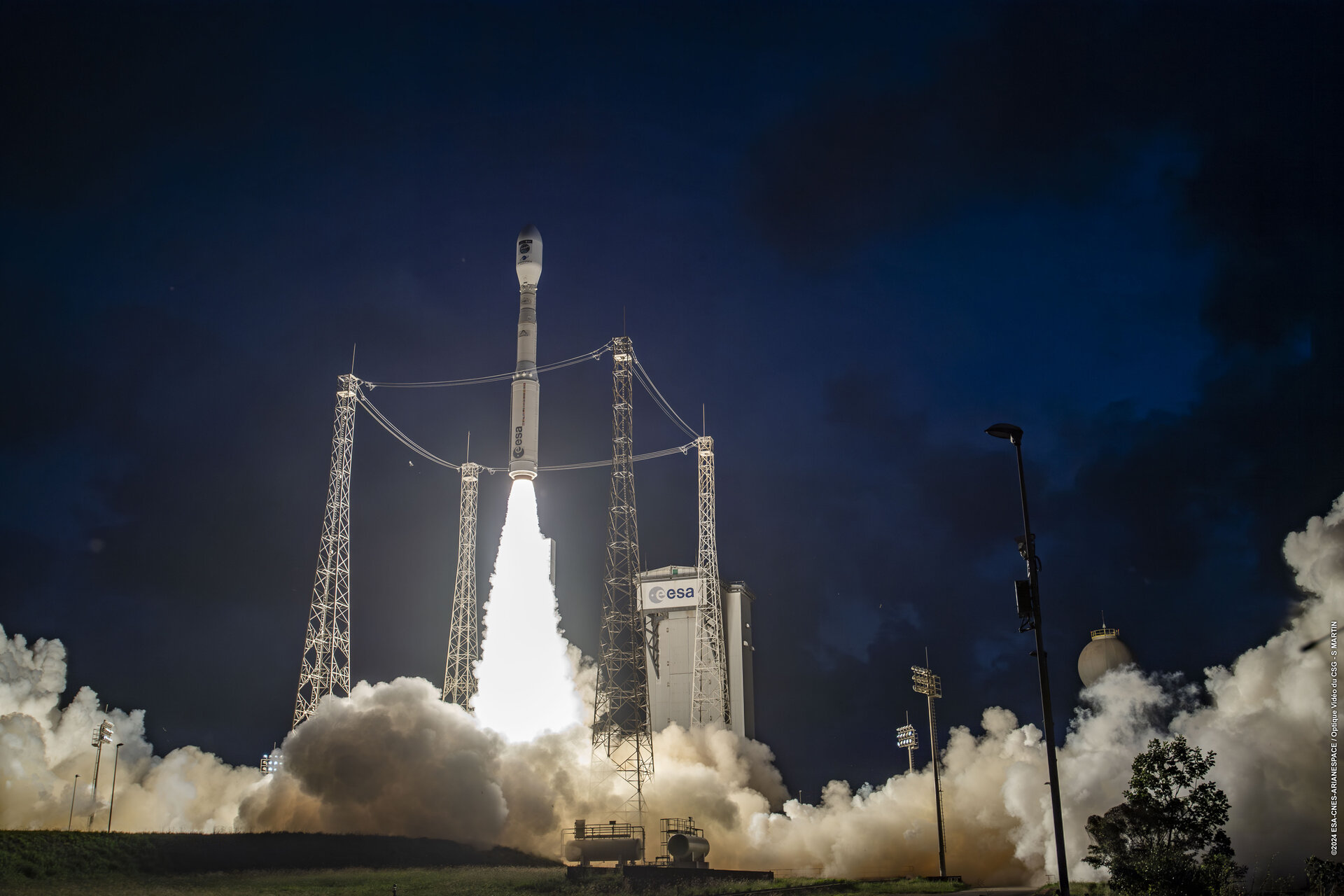
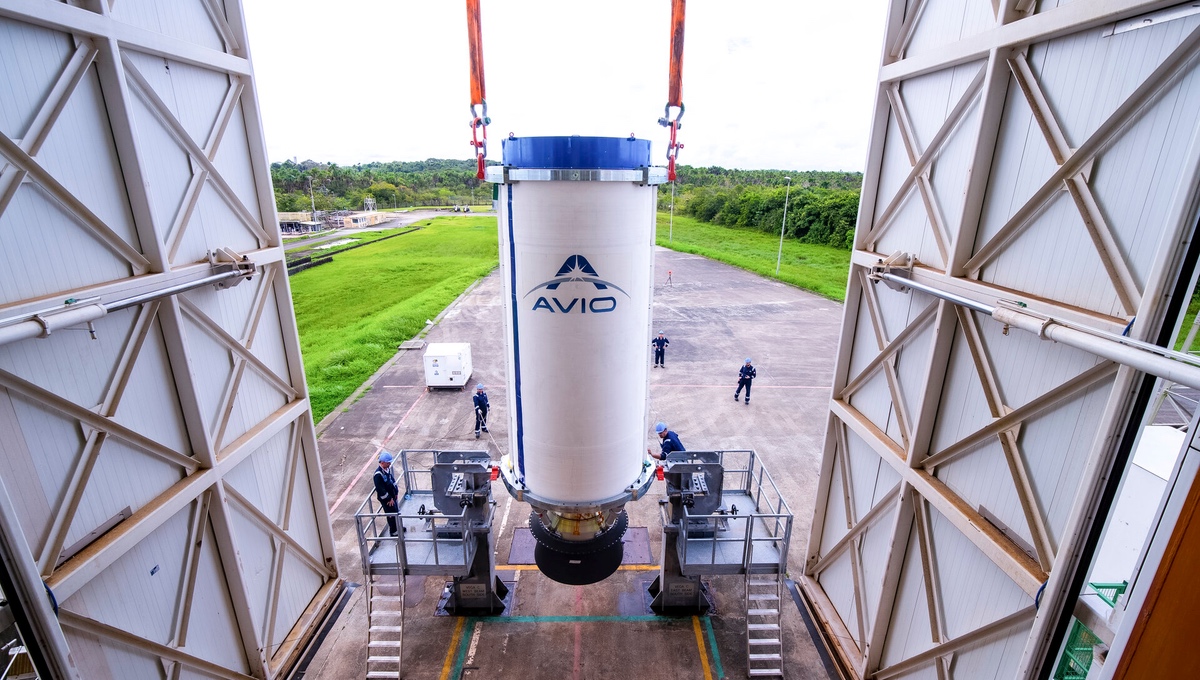
A Vega C rocket launched from French Guiana successfully deployed a CO2-mapping satellite and four Earth-observation satellites, part of CNES's efforts to monitor greenhouse gases and land surfaces, marking the third successful Vega C mission since its last failure in December 2022.
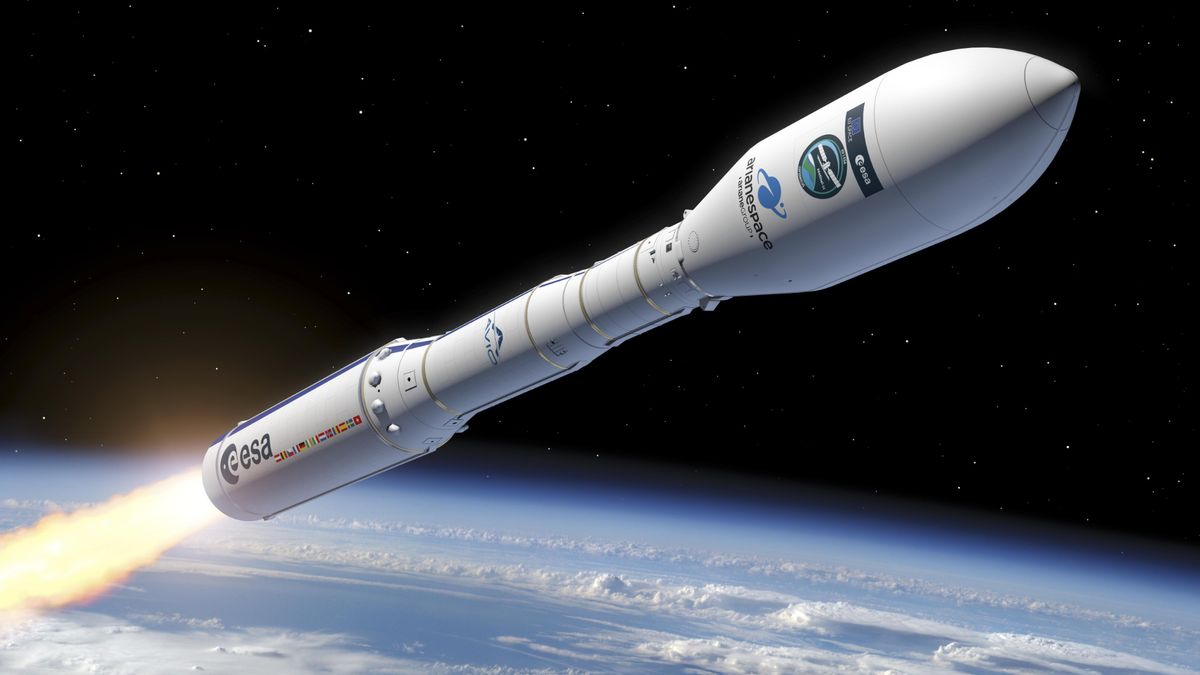
Europe's Vega-C rocket successfully launched from French Guiana, marking its return after a two-year hiatus due to a previous failure. The rocket carried the Sentinel-1C satellite for the EU's Copernicus Earth observation program, which aims to enhance radar imagery for environmental monitoring. The Vega-C, an upgrade from the original Vega, offers increased payload capacity and cost efficiency. This launch is crucial for Europe's space access, especially after the cessation of using Russian Soyuz vehicles and delays in the Ariane 6 program.
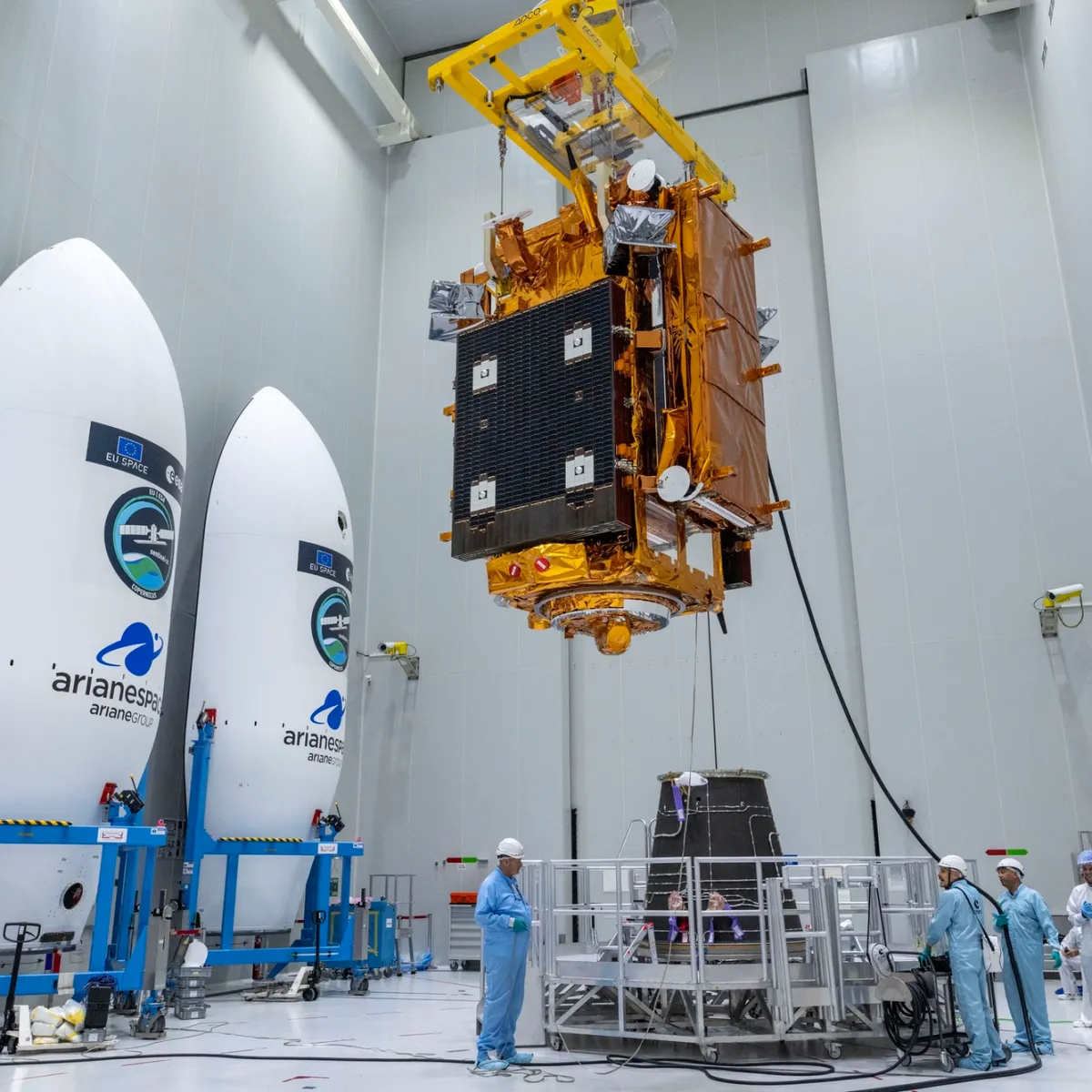
The European Space Agency successfully launched the Sentinel-1C satellite aboard a Vega-C rocket from French Guiana, marking a significant achievement for Europe's space endeavors. Sentinel-1C, part of the Copernicus program, will provide high-resolution radar imagery for environmental monitoring and maritime traffic detection. This launch also signifies the return to flight for the Vega-C rocket, enhancing Europe's independent access to space. The mission underscores the collaboration between ESA, the European Commission, and industry partners, contributing to global challenges like climate change and disaster response.
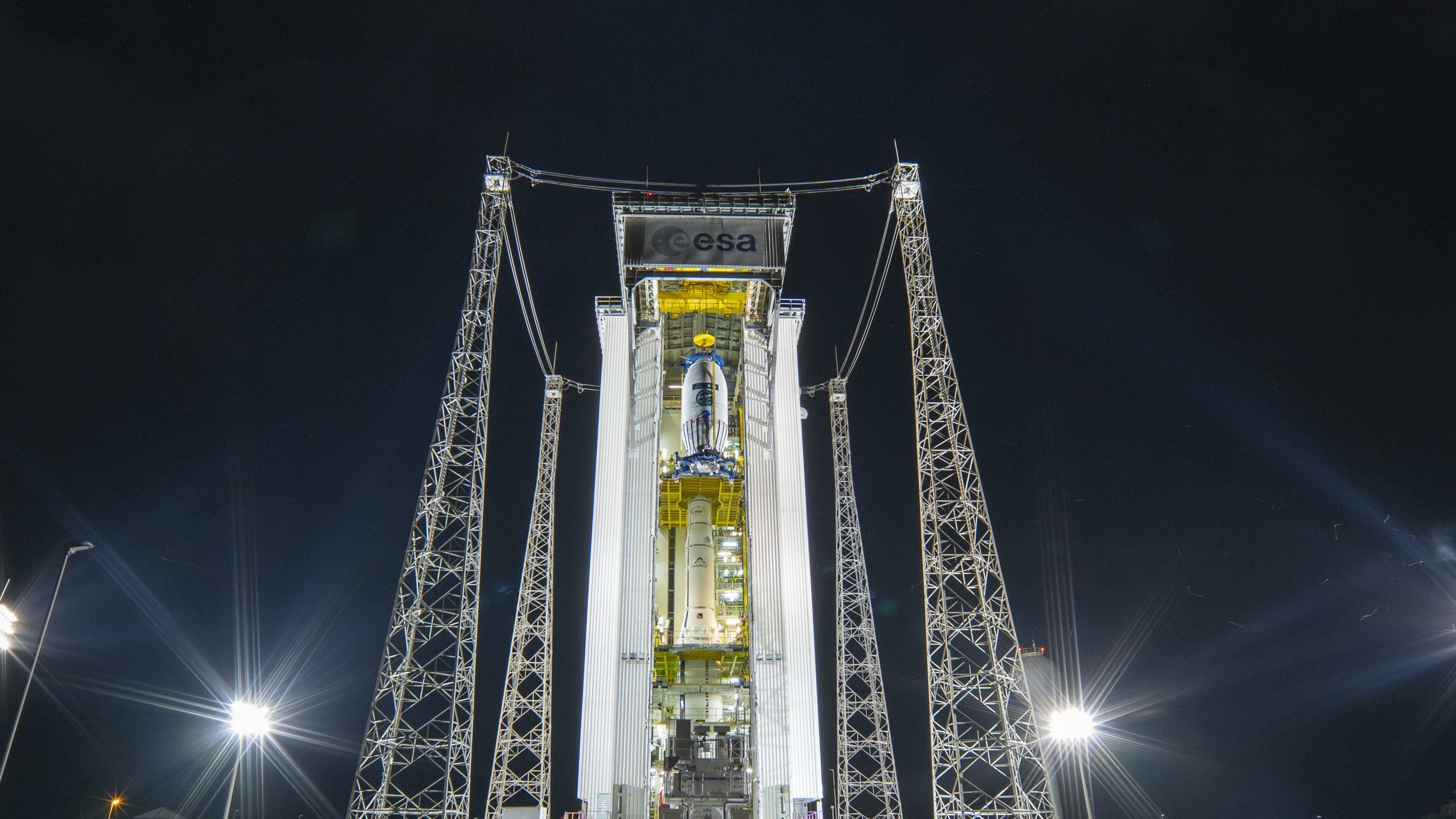
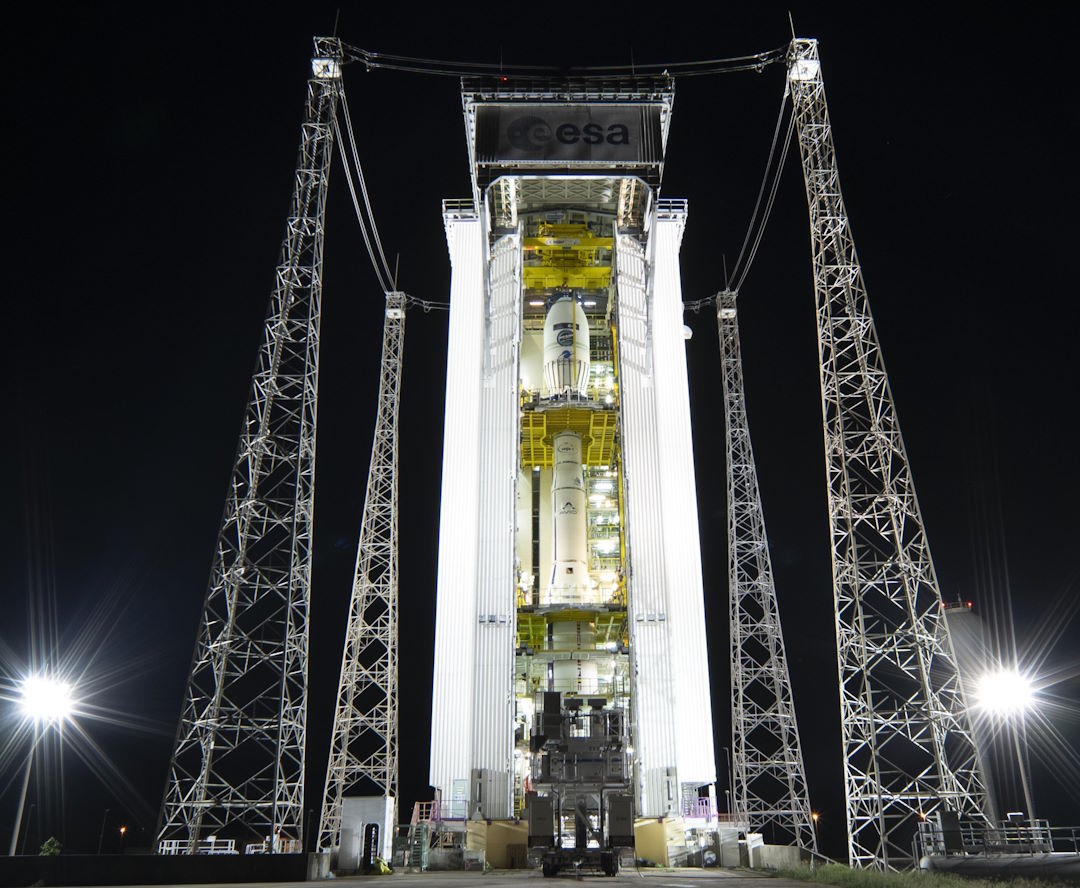
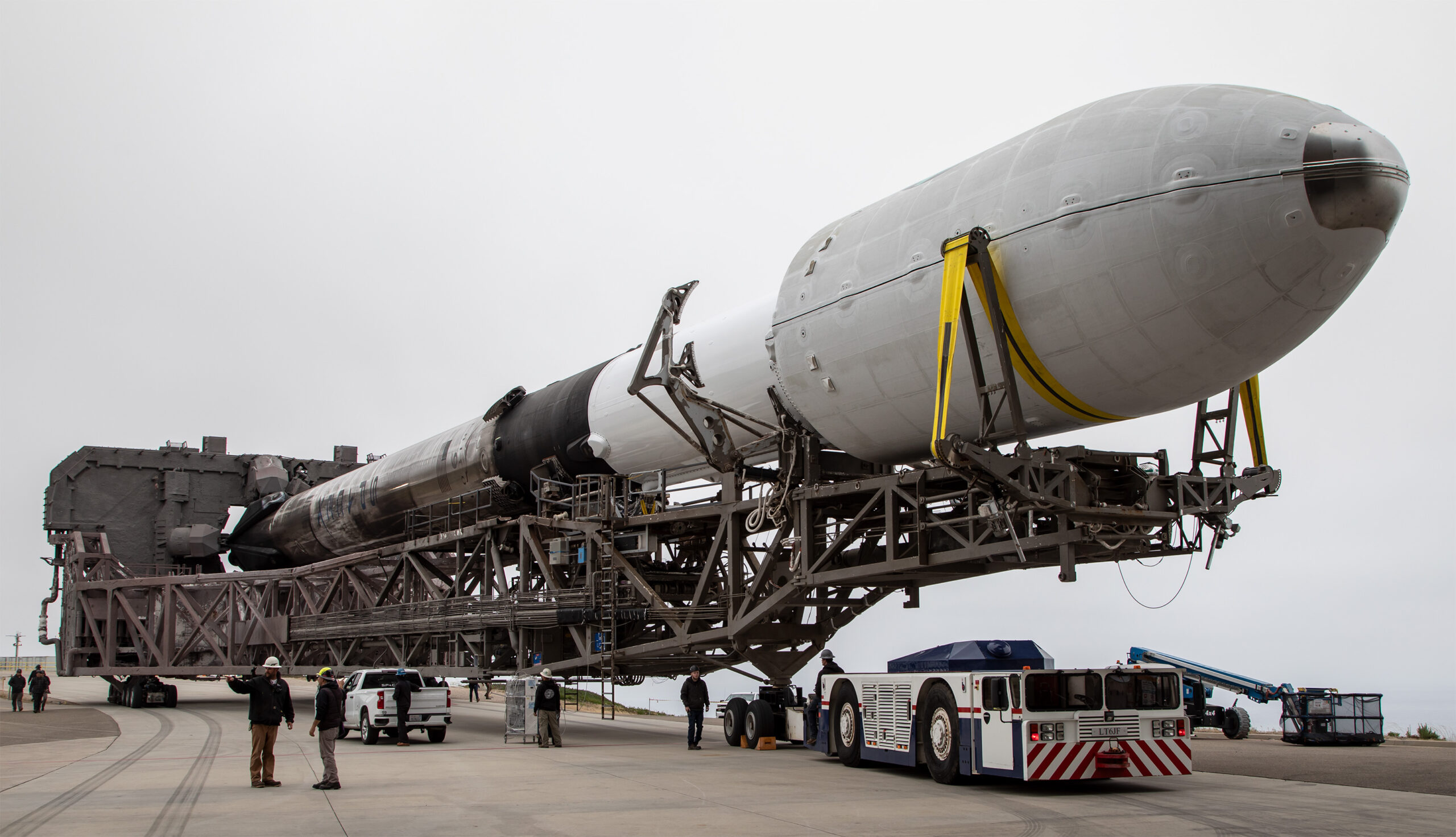
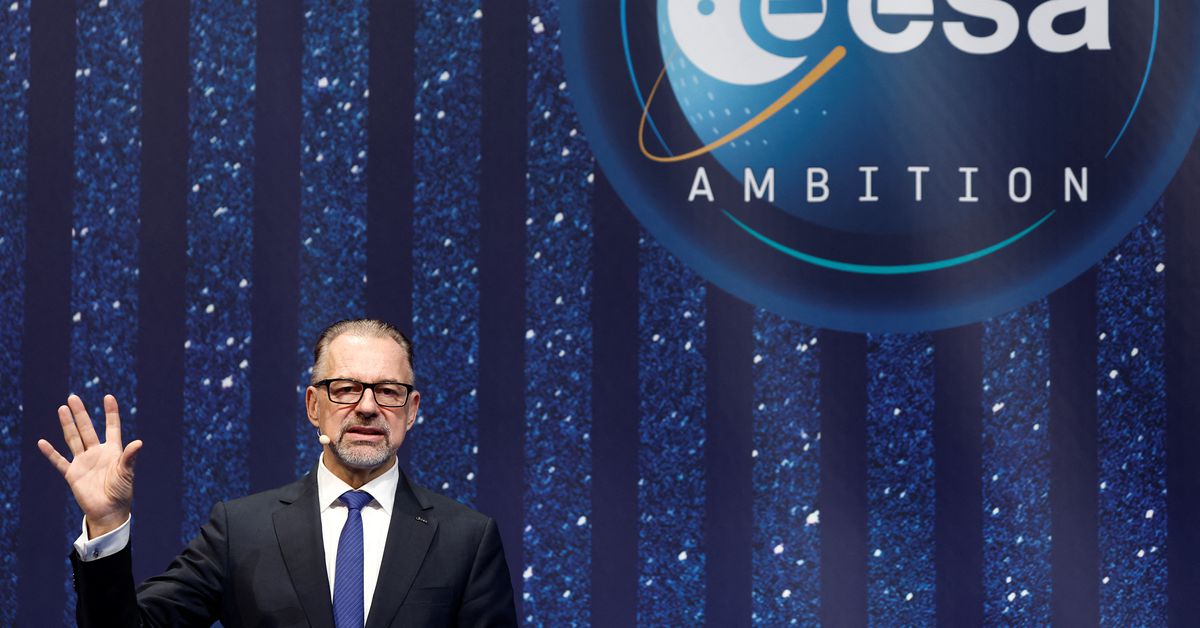
Arianespace's Vega C rocket launch has been delayed due to a mechanical issue with the mobile gantry, postponing the mission to December 5. This delay follows a similar postponement of the Proba-3 mission on an Indian PSLV-XL rocket due to a propulsion system anomaly. Despite the setback, ESA Director General Josef Aschbacher assured that there are no issues with the Sentinel-1C satellite or the Vega C rocket itself. Meanwhile, SpaceX successfully launched a Falcon 9 carrying Starlink satellites, highlighting the competitive nature of the space launch industry.
Arianespace is set to launch the Vega-C rocket on December 5, 2024, marking its return to flight after a failed mission in 2022. The launch will deploy the Sentinel-1C satellite, part of the Copernicus Earth science program, from Kourou, French Guiana. This mission is crucial for Arianespace as it transitions from older rockets to new models like the Ariane 6 and Vega-C, amid geopolitical and technical challenges. Sentinel-1C will enhance radar imaging capabilities and introduce new features like AIS receivers for ship tracking.
Europe's Vega-C rocket is set to return to flight for the first time since a 2022 mission failure, launching the Copernicus Sentinel-1C satellite from Kourou, French Guiana. This mission aims to replace the inoperable Sentinel-1B and complete a dual-satellite constellation with Sentinel-1A for comprehensive Earth observation. The launch marks a significant step for ESA and Avio, Vega-C's primary designer, as they continue to innovate with plans for an upgraded Vega-E rocket.
The Vega-C rocket's return to flight has been delayed by a day for additional precautionary checks, as announced by Arianespace. The mission, VV25, will launch the Sentinel-1C satellite into a Sun-synchronous orbit, marking the first Vega-C flight since a failed launch in December 2022. The delay is part of efforts to ensure maximum flight worthiness, following extensive tests on the rocket's upper stage. The Sentinel-1C is part of the Copernicus program, providing crucial Earth observation data.
The Vega C rocket's return to flight has been delayed by a day due to precautionary checks, with a new launch date for the Sentinel-1C satellite expected soon. Arianespace and Avio executives assured that the delay is minor and expressed confidence in the redesigned Zefiro-40 motor, following a previous launch failure. The launch is crucial for Europe's independent access to space and the Copernicus Earth observation program, as Sentinel-1C will replace the malfunctioned Sentinel-1B satellite.
The European Space Agency (ESA) and Arianespace are at a pivotal moment as they prepare for the launch of Vega-C and Ariane 6 rockets amid significant changes in the space launch industry. ESA, despite its smaller budget compared to NASA, has achieved numerous space exploration milestones. However, recent reliance on SpaceX's Falcon 9 for missions highlights Europe's challenges in maintaining independent access to space. The Ariane 6's delayed debut and Vega-C's technical issues have compounded these challenges. ESA is now focusing on developing reusable launch technologies to compete with SpaceX's dominance.
The European Space Agency (ESA) is overcoming its "launcher crisis" by collaborating with SpaceX for missions like EarthCARE, while preparing for the inaugural flight of its Ariane 6 rocket in July and the return of the Vega C rocket by year-end. ESA is also advancing space sustainability with its Zero Debris Charter and fostering commercial cargo vehicle development. Improved relations with the European Commission are crucial for flagship programs like Copernicus and Galileo.
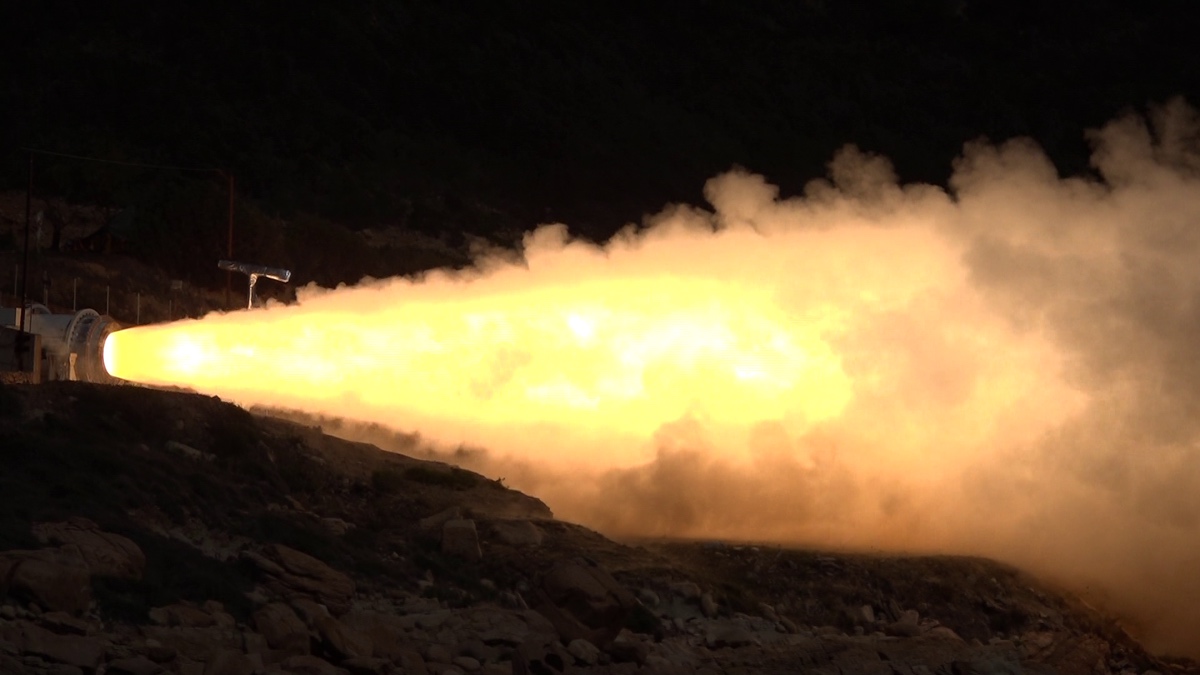
The European Space Agency announced that a redesigned Zefiro-40 motor for the Vega C rocket successfully passed a static-fire test, marking a significant step towards returning the rocket to flight by the end of the year. The motor, which failed in a previous launch due to faulty materials, has been redesigned and tested successfully for 94 seconds. A second test is planned for October to confirm its performance.
European governments and launch companies have praised the recent agreement on the future of Europe's launch industry, which includes financial support for the Ariane 6 and Vega C rockets. The European Space Agency plans to transition to a services model and introduce competition among private companies for launches. However, the details of this competition are still unclear, and concerns have been raised about the demand for larger launch vehicles and the need for multiple heavy launchers. The agreement is seen as a significant step towards Europe regaining its position as a global space power.
Stoke Space, a small launch company, has raised $100 million in funding and revealed the name of its fully reusable small rocket, Nova. The funding will be used to develop the rocket's engine and structure, as well as new construction at Launch Complex 14. Meanwhile, the return to flight of Europe's Vega C small launch vehicle has been delayed to late 2024 due to a nozzle redesign. Rocket Lab has opened a new engine development center in a building previously owned by Virgin Orbit, enabling faster production of engines. Germany is pursuing a competitive procurement process for launch services, signaling a shift from Arianespace as the primary rocket vendor. Additionally, French aviation company Dassault Aviation is in talks with Rocket Lab for the potential development of a reusable space transportation system.
The European Space Agency (ESA) has delayed the return to flight of the Vega C small launch vehicle to late 2024 after an investigation revealed that a rocket motor nozzle needs to be redesigned. The anomaly occurred during a static-fire test in June, unrelated to a previous launch failure in December 2022. The redesign of the nozzle will be followed by two static-fire tests before Vega C can resume flights. The cost of the additional work will be funded within existing budgets, and the return-to-flight costs are estimated to be around 25-30 million euros ($26.3-31.6 million).
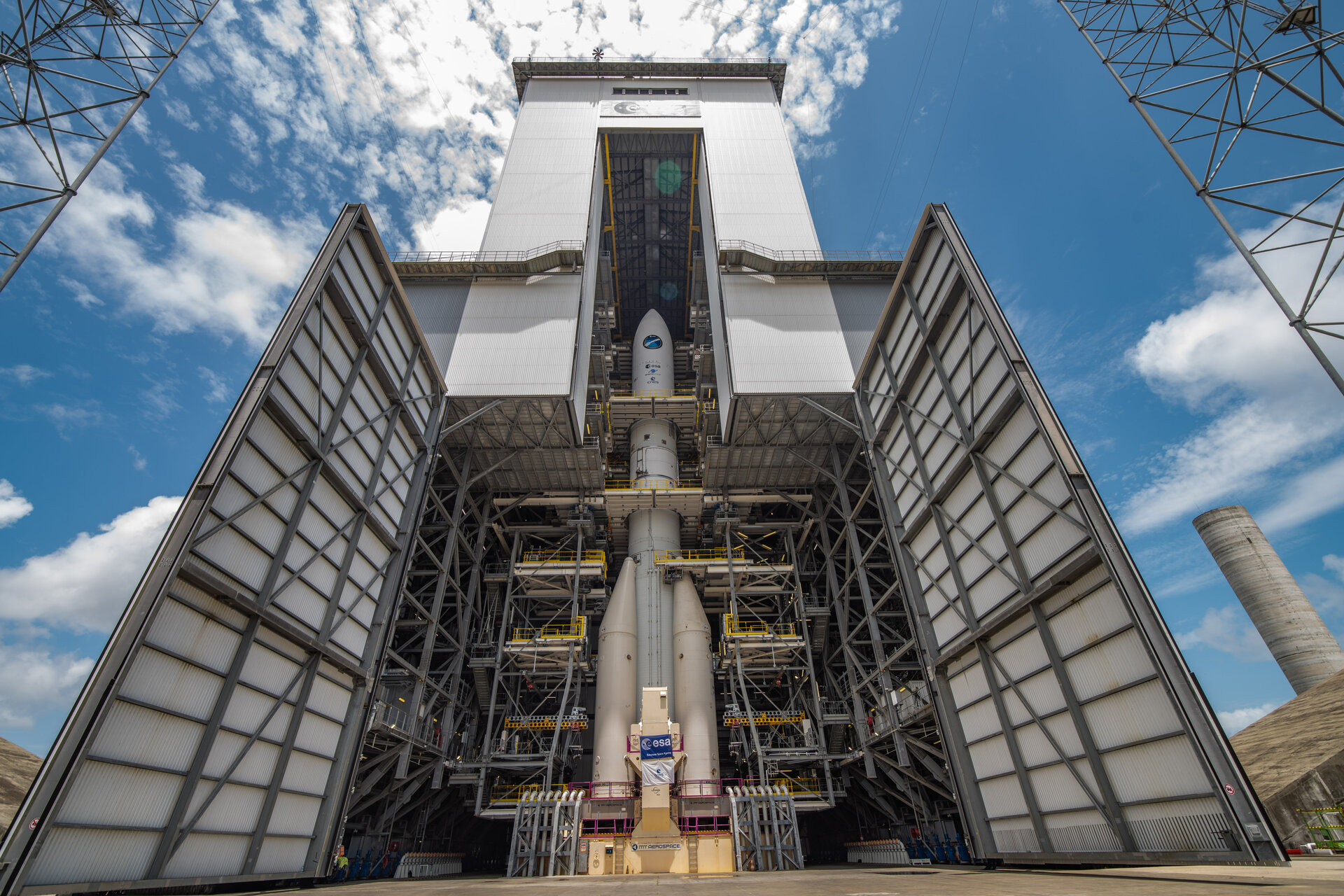
European space officials are facing crucial timing decisions in the coming weeks regarding the return to flight of Europe's flagship space launchers. The inaugural launch of the Ariane 6 has been delayed until next year, while the Vega C's return to service in 2023 has been hampered by a failed test. The Russian Soyuz program was also interrupted last year. Europe is working to close the gap in launch capability as competition in the commercial launch market intensifies. The European Space Agency plans to set a launch window for the Ariane 6 in early October, with a test debut expected in 2024. The timing for Vega C's return to operation will be determined later this month.