Blue Origin successfully static-fired its second New Glenn rocket in preparation for a November launch, which will carry NASA's ESCAPADE Mars mission. The test lasted 38 seconds to simulate landing conditions, and the company aims to improve booster landing success for potential reuse in future lunar missions.

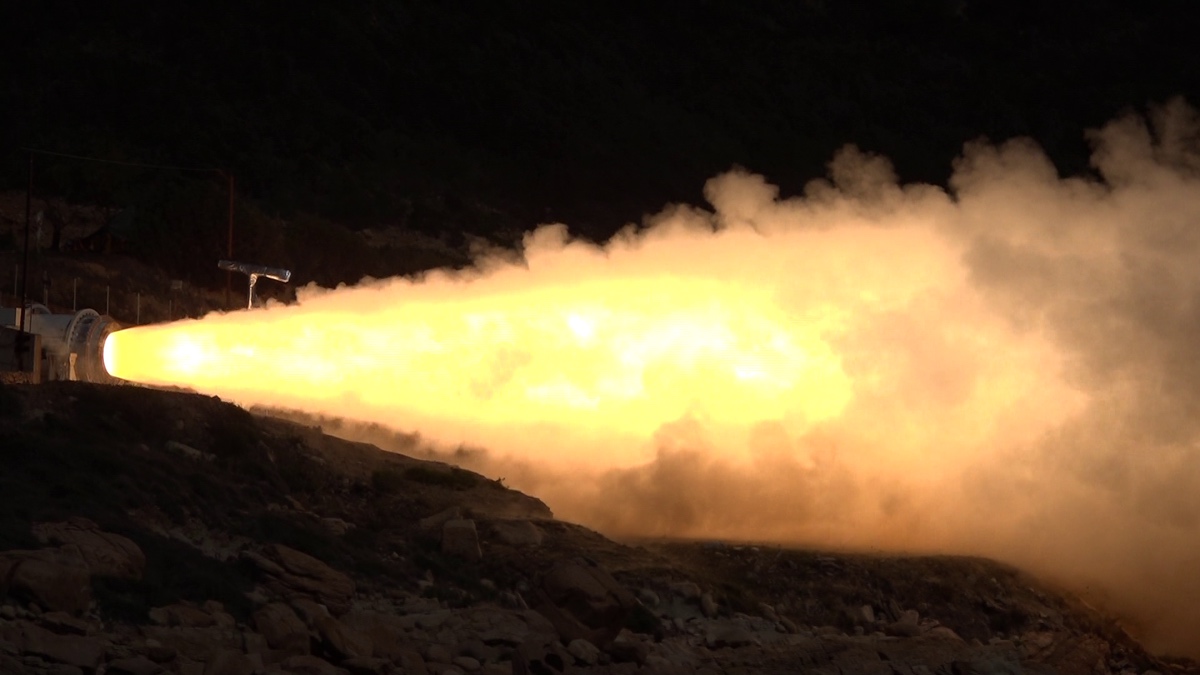
A test of NASA's new solid rocket motor, the BOLE, for future moon missions went wrong when debris and flames erupted during a static fire test, raising concerns about hardware reliability for upcoming Artemis missions. The test, conducted by Northrop Grumman, aimed to gather data to improve the design of the largest segmented solid rocket booster, which is crucial for the Artemis program's future lunar landings.
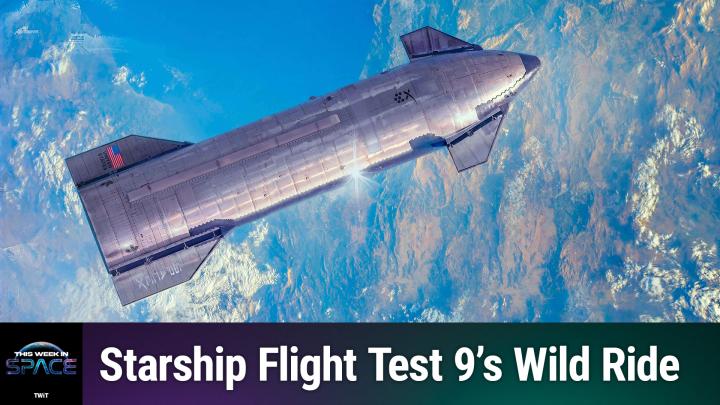
This Week In Space episode 163 discusses SpaceX's Starship recent test flight, its prospects for NASA's 2027 moon landing goal, and other space news including new dwarf planet findings, lunar missions, and international launch tests.
The European Space Agency announced that a redesigned Zefiro-40 motor for the Vega C rocket successfully passed a static-fire test, marking a significant step towards returning the rocket to flight by the end of the year. The motor, which failed in a previous launch due to faulty materials, has been redesigned and tested successfully for 94 seconds. A second test is planned for October to confirm its performance.
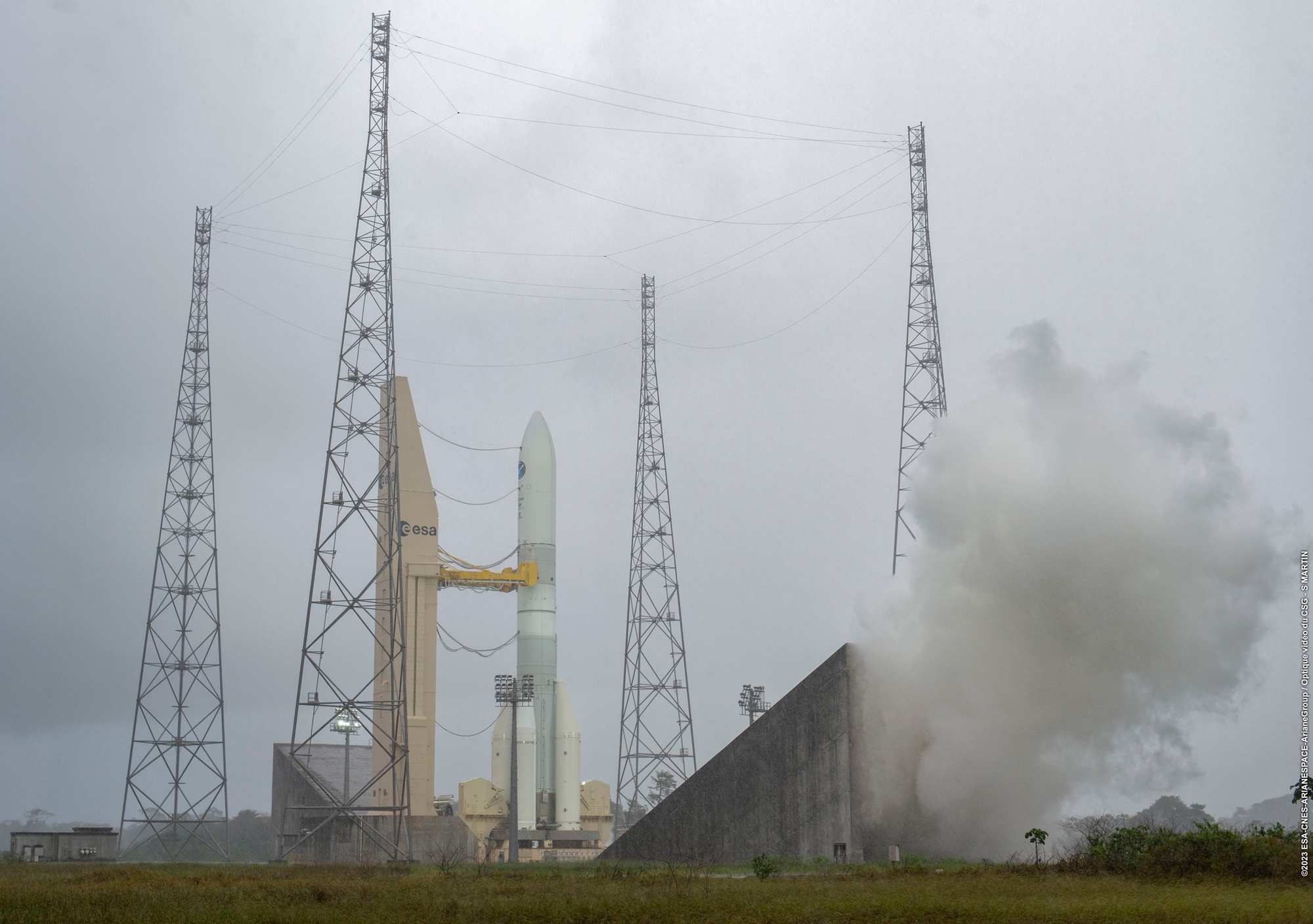
The European Space Agency (ESA) has confirmed that the first launch of the Ariane 6 rocket is still on track for mid-2024, despite an aborted test of its upper stage. The recent test, known as CTLO3, was successful and demonstrated the rocket's readiness for launch. However, a previous test of the upper stage, called HFT-4, was aborted due to parameters exceeding predetermined thresholds. ESA is investigating the cause of the abort but remains confident that it will not impact the Ariane 6's inaugural flight schedule. Additional tests are planned for early 2024, with the first Ariane 6 launch hardware expected to arrive in mid-February.
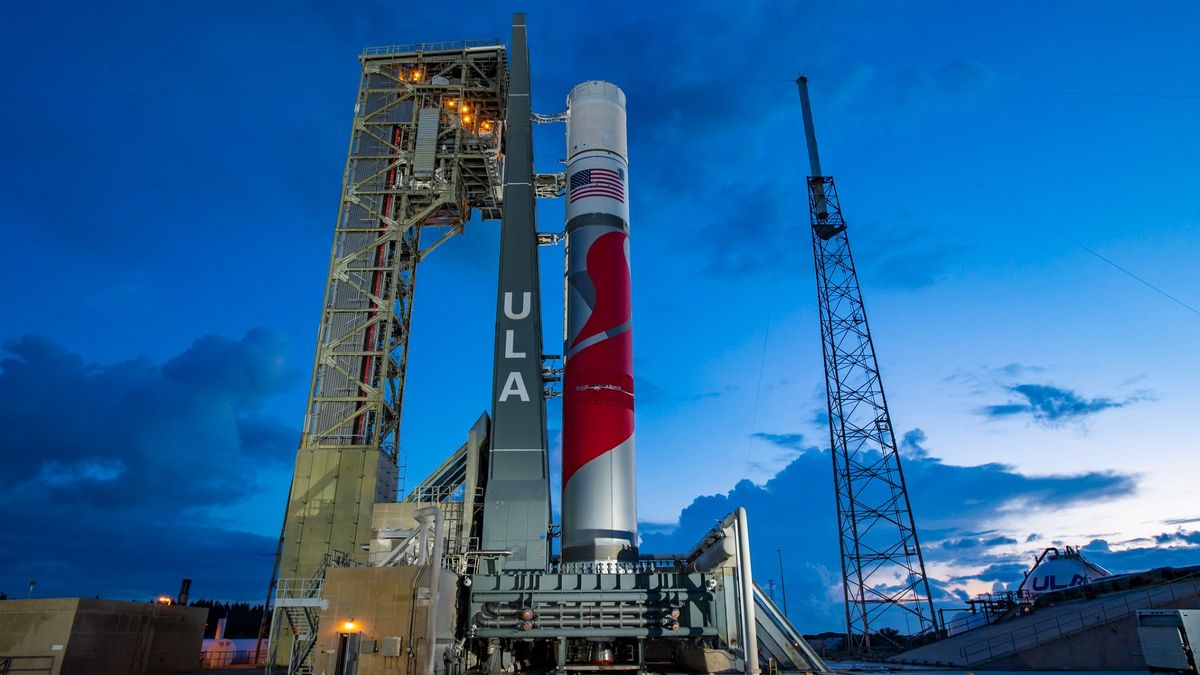
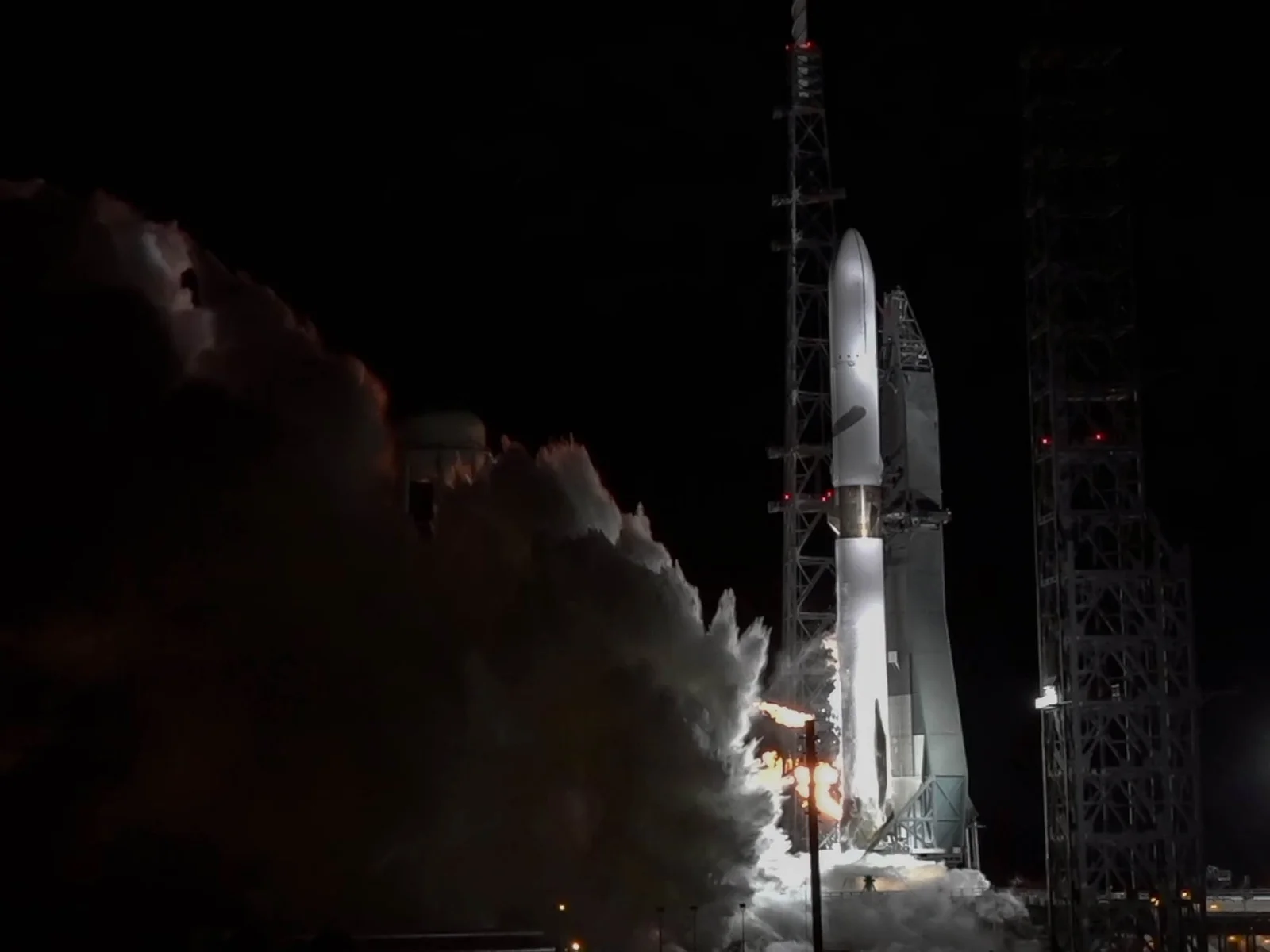
United Launch Alliance (ULA) is set to conduct a Flight Readiness Firing (FRF) of its Vulcan Centaur rocket, the replacement for the Atlas V and Delta IV launch vehicles, at Cape Canaveral Space Force Station in Florida. The FRF is a practice run that will demonstrate day-of-launch timelines and procedures, propellant loading operations, and the countdown through ignition of the engines. If the FRF goes well, Vulcan Centaur will be in the home stretch toward its debut launch, which will send the Peregrine lunar lander toward the moon.