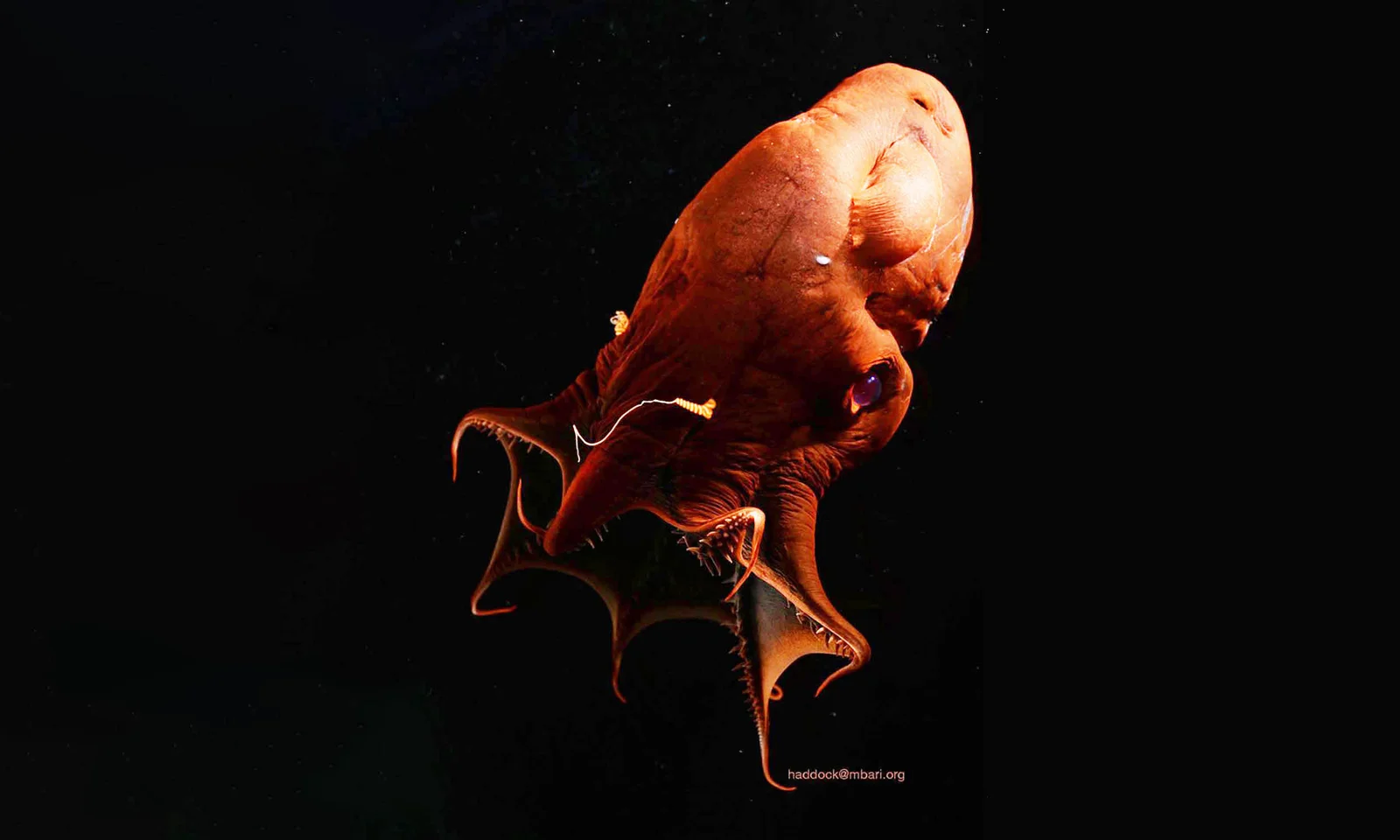
A new study sequencing the vampire squid genome reveals its position as a genomic 'living fossil' that links squids and octopuses, showing how chromosomal changes shaped cephalopod evolution and highlighting the vampire squid's retention of ancient traits.
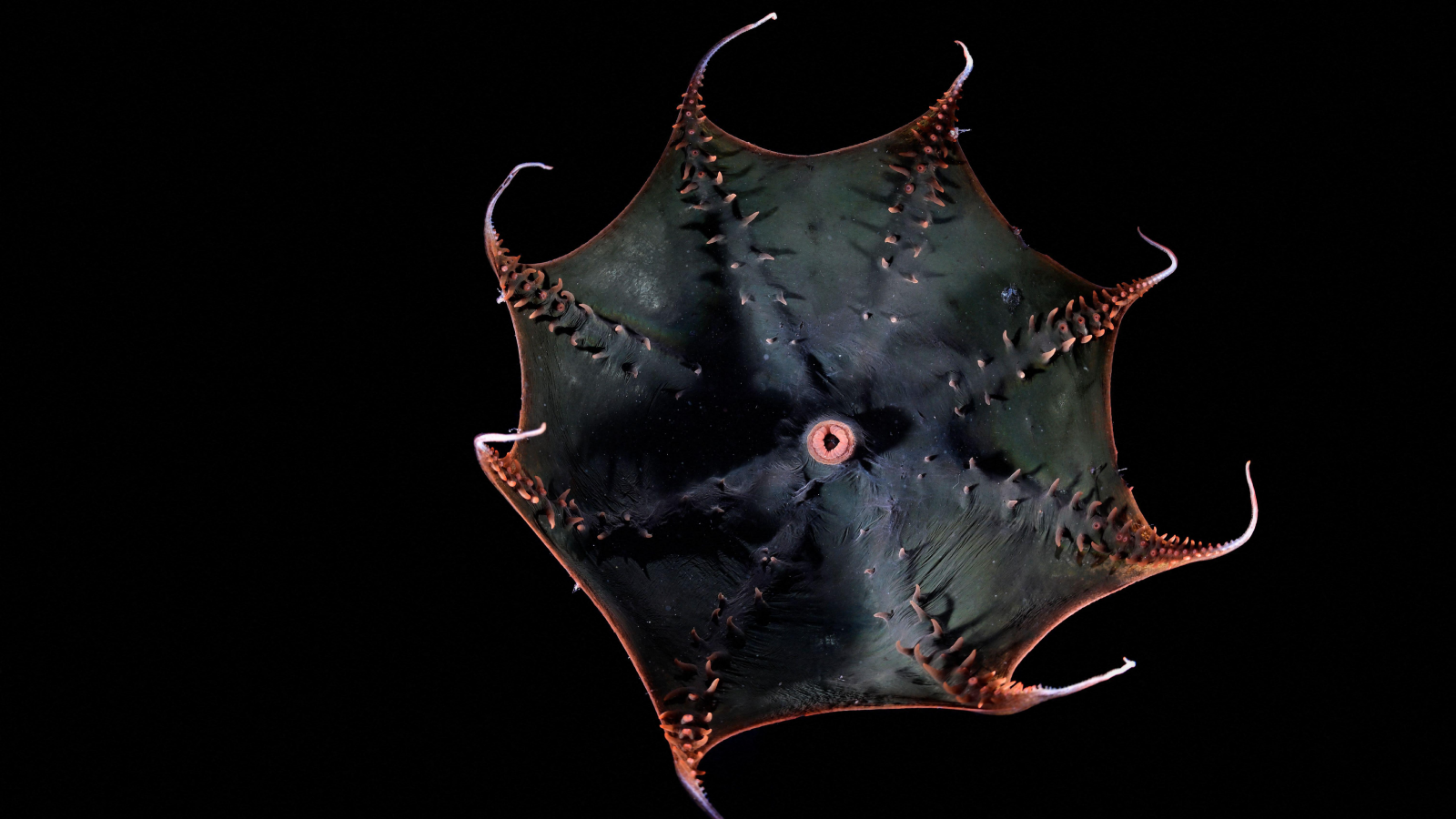
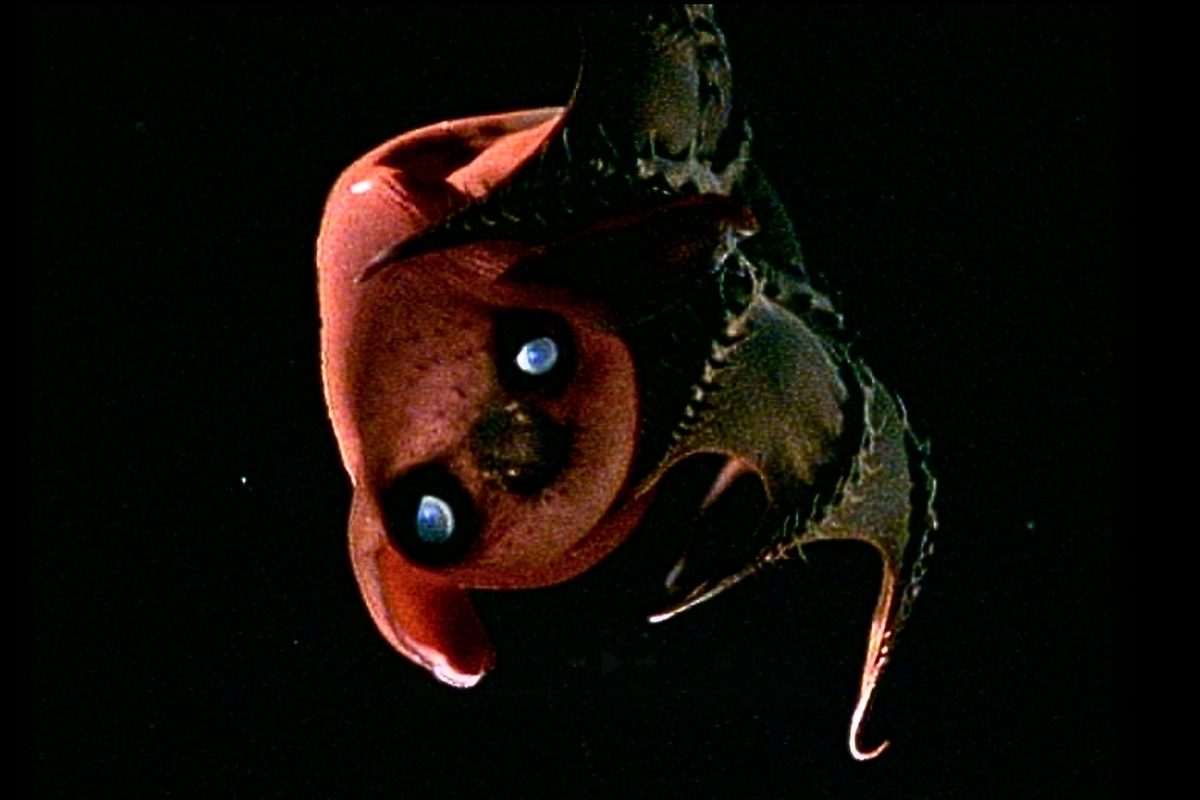
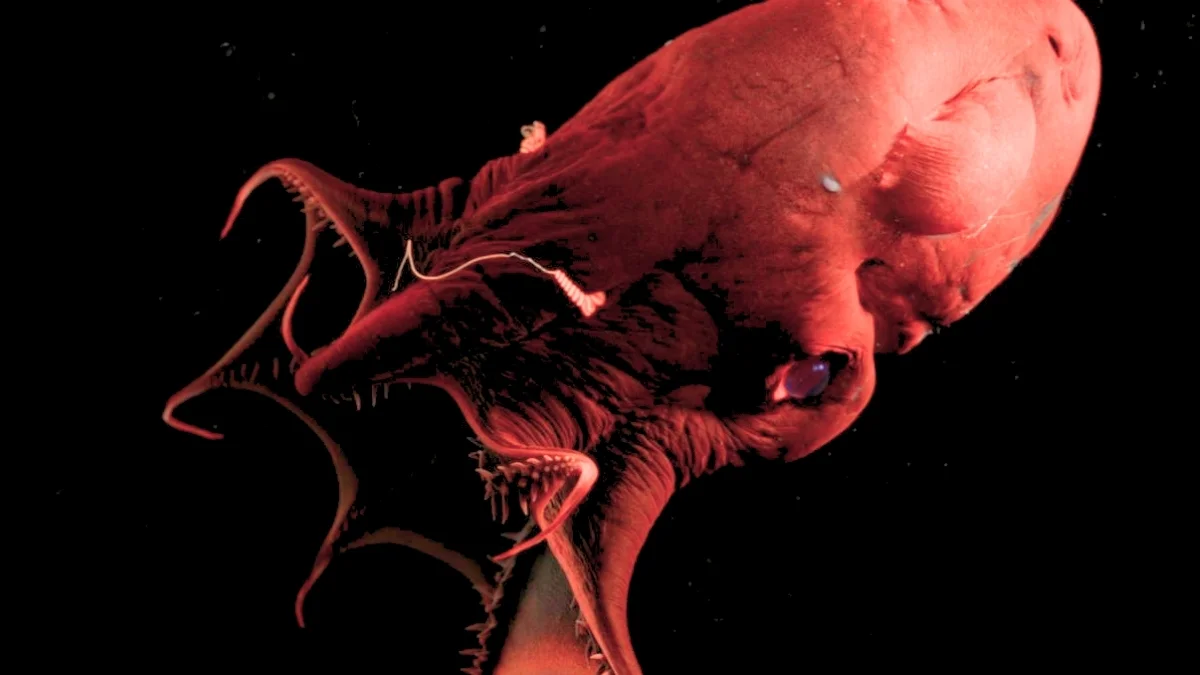
Scientists sequenced the genome of the vampire squid, revealing it has retained many ancient, squid-like chromosomal features despite belonging to the octopus group, making it a 'living fossil' that offers insights into cephalopod evolution.
Scientists have extracted DNA from the vampire squid, revealing that its genome is the largest among cephalopods and providing new insights into the evolutionary history of squids and octopuses, indicating that their common ancestor was more squid-like than octopus-like 300 million years ago.
Scientists sequenced the largest cephalopod genome ever, revealing that the vampire squid, a living fossil, retains ancient genetic traits linking it to both squids and octopuses, providing insights into cephalopod evolution.
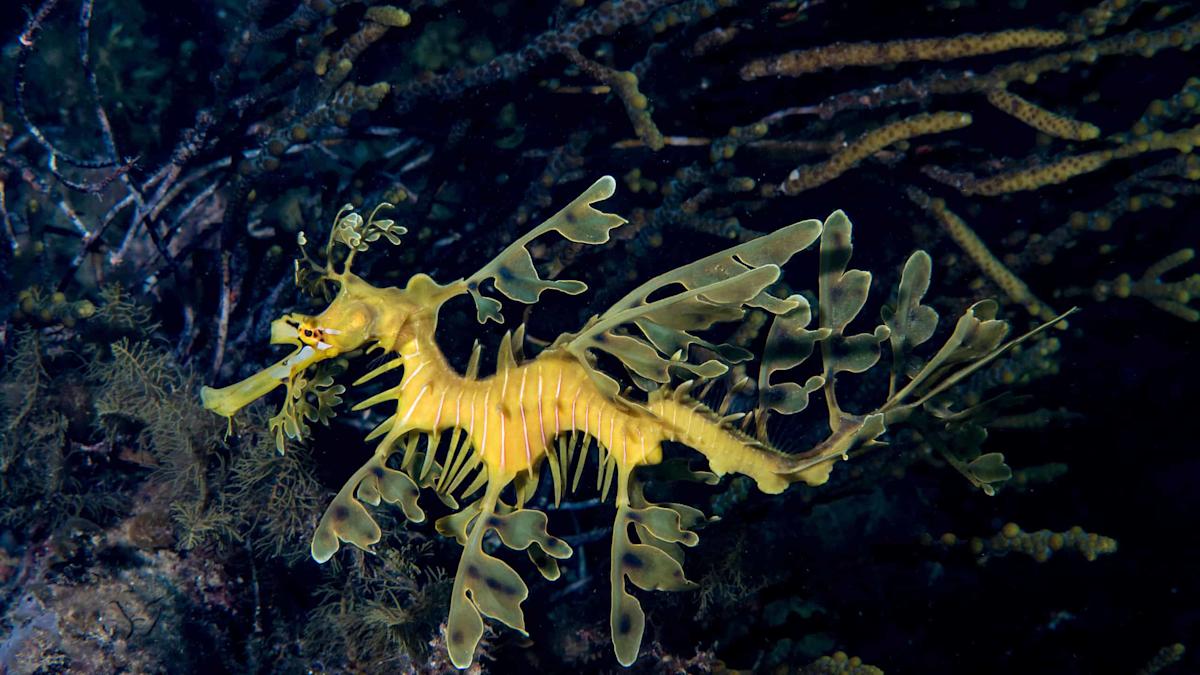
The article explores some of the strangest and most fascinating creatures living deep in the ocean, including blobfish, vampire squid, blue dragon sea slug, mantis shrimp, frilled shark, immortal jellyfish, sea pig, and leafy sea dragon, highlighting their unique appearances and adaptations to deep-sea environments.
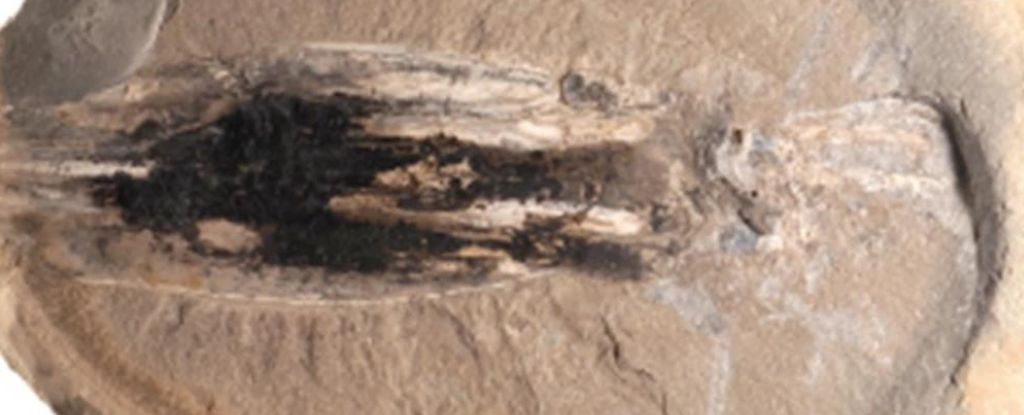
A newly discovered fossil of an extinct vampire squid, Simoniteuthis michaelyi, provides a rare glimpse into the creature's last moments, with traces of its last meal and soft tissue structures still intact. The fossil, found in Jurassic-era limestone in Luxembourg, sheds light on the creature's eating habits and suggests that its early relatives may have inhabited shallower waters. This exceptional find offers valuable insights into the vampyromorph order's evolution and behavior, as well as the environmental conditions of the ancient oceans.
Paleontologists have discovered a new species of vampire squid, Simoniteuthis michaelyi, fossilized with prey in its arms, dating back 183 million years. The remarkably preserved specimen provides rare evidence of predator-prey interactions in the fossil record, shedding light on ancient marine life. Believed to resemble modern vampire squids, the creature was an active predator and likely fell prey to other predators in the shallow sea it inhabited. The find contributes to a better understanding of Jurassic marine life and provides valuable insights into prehistoric cephalopods.