The American Medical Association and a public health research group are launching a system to review vaccine safety and efficacy, starting with influenza, COVID-19, and RSV vaccines, in response to criticisms of the CDC’s vaccine-review process.
The U.S. Department of Health and Human Services is developing a generative AI tool to scan VAERS data and generate hypotheses about potential vaccine injuries; the tool has not yet been deployed and has been in development since 2023. Critics worry it could be used by Health Secretary RFK Jr. to advance an anti-vaccine agenda. VAERS is a voluntary, unverified database managed by the CDC and FDA, intended to generate hypotheses rather than prove causality, and experts caution that large language models can hallucinate, underscoring the need for careful human review and corroboration with other data sources, especially given staffing constraints at the CDC.)
RFK Jr.’s vaccine-advisory panel is being steered to act more like a safety watchdog, with chair Kirk Milhoan saying efficacy will be secondary as the group prioritizes potential harms and safety signals. The pivot, tied to Kennedy’s leadership and past clashes over vaccine policy, alarms public-health experts who warn it could undermine trust in vaccines and slow immunization efforts, even as agencies continue to monitor safety data and reassess recommendations.
ACIP chair Kirk Milhoan argues, in a STAT podcast, that protecting individual autonomy should guide vaccine policy, signaling a shift under Kennedy-era appointees and prompting revisions like delaying hepatitis B vaccination and removing thimerosal from flu vaccines. He also questions the necessity of polio and measles vaccines and notes threats to panel members, drawing backlash from public health advocates who say policy changes risk eroding trust and vaccine uptake.
The article discusses internal conflicts within the FDA over COVID vaccine safety claims, particularly a memo by Dr. Vinay Prasad proposing major reforms to vaccine approval processes, which has alarmed former agency leaders and experts. Critics argue that Prasad's claims are misleading and could undermine public trust, slow vaccine development, and weaken the entire vaccine system, with potential long-term consequences for public health and vaccine innovation.
The CDC awarded a controversial $1.6 million grant to Danish researchers, linked to anti-vaccine figures, to study hepatitis B vaccination timing in Guinea-Bissau, raising concerns about cronyism, ethical issues, and the relevance of the study to US vaccine policy.
A Stanford Medicine study indicates that mRNA COVID-19 vaccines can cause myocarditis, especially in young men and adolescents, with a very low incidence rate, but most cases recover fully and the benefits of vaccination outweigh the risks.
A group of former FDA leaders criticized the agency's new vaccine safety policies, arguing that they undermine scientific evidence and could harm public health, especially regarding COVID-19 and flu vaccines, amid ongoing political influences on vaccine policy.
The CDC’s vaccine advisory committee faces a crisis due to political influence and procedural irregularities, leading to potential destabilization of vaccine policies, public trust erosion, and risks to vaccine supply and safety, especially concerning the hepatitis B birth dose and vaccine messaging on autism. Immediate action is needed to reaffirm scientific integrity and restore public confidence.
The FDA's top vaccine official mentioned a review linking 10 children's deaths to COVID-19 vaccines, prompting calls for more transparency and scrutiny from health experts, who criticize the lack of published data and warn against politicizing vaccine safety.
A comprehensive meta-analysis of 511 studies from 2023-24 confirms that COVID-19, RSV, and flu vaccines provide significant protection against severe disease and hospitalization, reaffirming their safety and effectiveness amid ongoing vaccine guidance efforts.
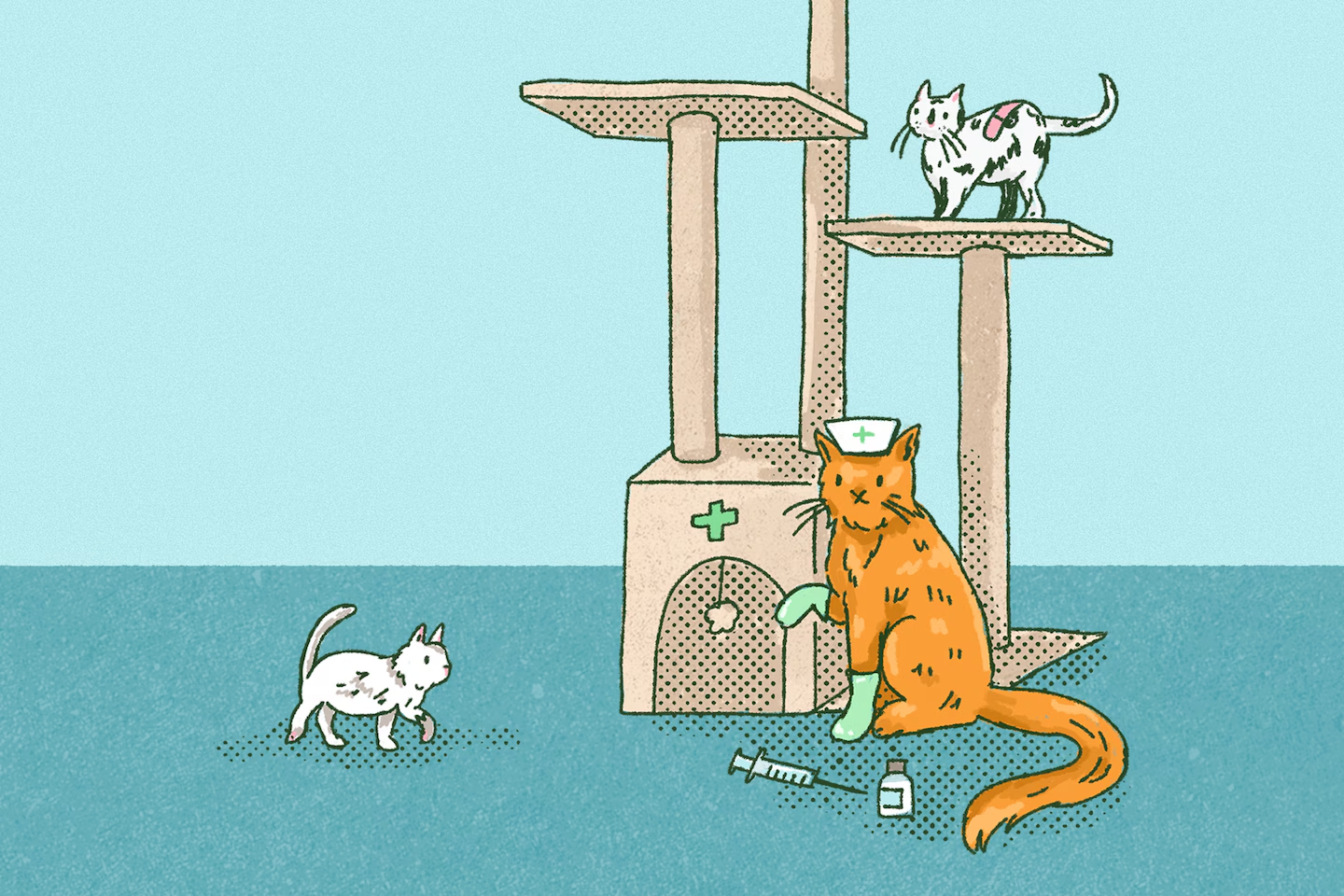
Indoor cats still need vaccines, especially core ones like rabies, herpes, calicivirus, and FeLV, to protect against serious diseases and potential exposure from new cats or wildlife. Despite safety concerns, modern pet vaccines are safe and given every 3 years after initial series, with the importance of vaccination emphasized for maintaining pet and public health.
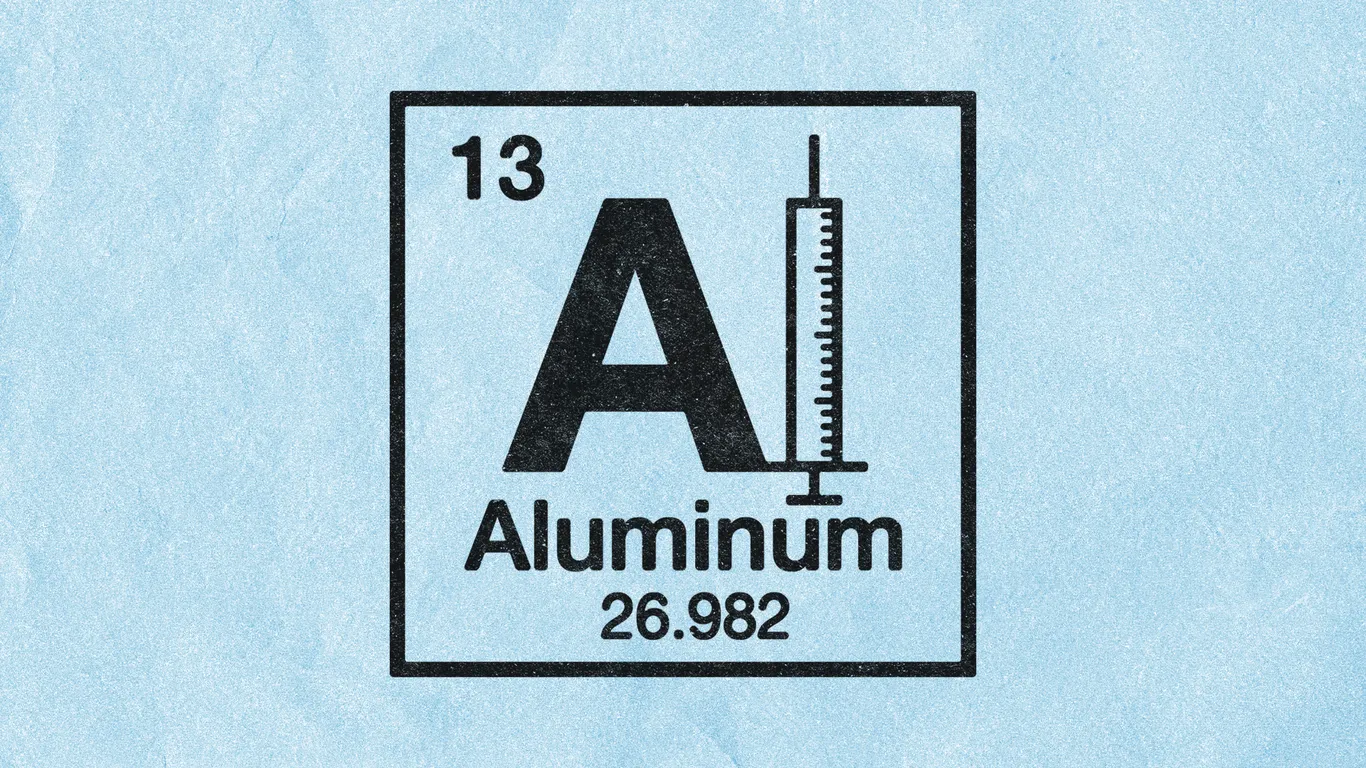
The CDC is reviewing the safety of aluminum in vaccines amid skepticism from vaccine opponents like Robert F. Kennedy Jr., which could lead to changes in vaccine recommendations or increased regulation, potentially impacting vaccine availability and the vaccine industry.
The CDC's Advisory Committee on Immunization Practices (ACIP) is planning to review and assess the safety and implementation of childhood vaccines, including ingredients like aluminum adjuvants, amid concerns and changes in panel membership, to ensure vaccine safety and efficacy for various subgroups of children.
An op-ed criticizes the CDC acting director's call to develop separate vaccines for measles, mumps, and rubella, arguing that it lacks scientific basis, would hinder vaccination efforts, and could lead to increased disease outbreaks, emphasizing the proven success and safety of the current combined MMR vaccine.