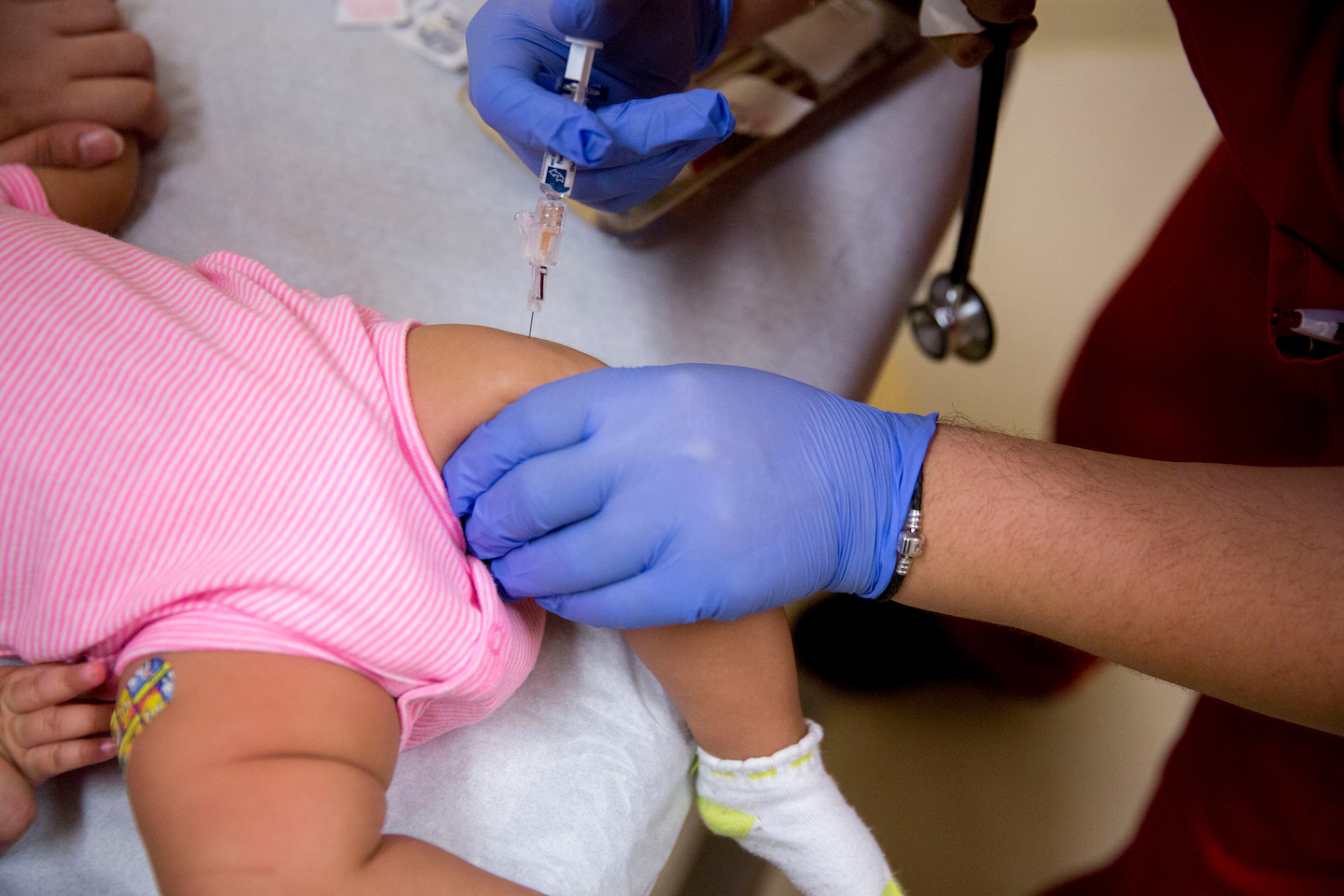
The Trump administration has significantly reduced the recommended childhood vaccination schedule to 11 shots, citing alignment with peer nations and declining vaccination rates, which raises concerns about potential increases in preventable diseases and confusion among parents and clinicians.
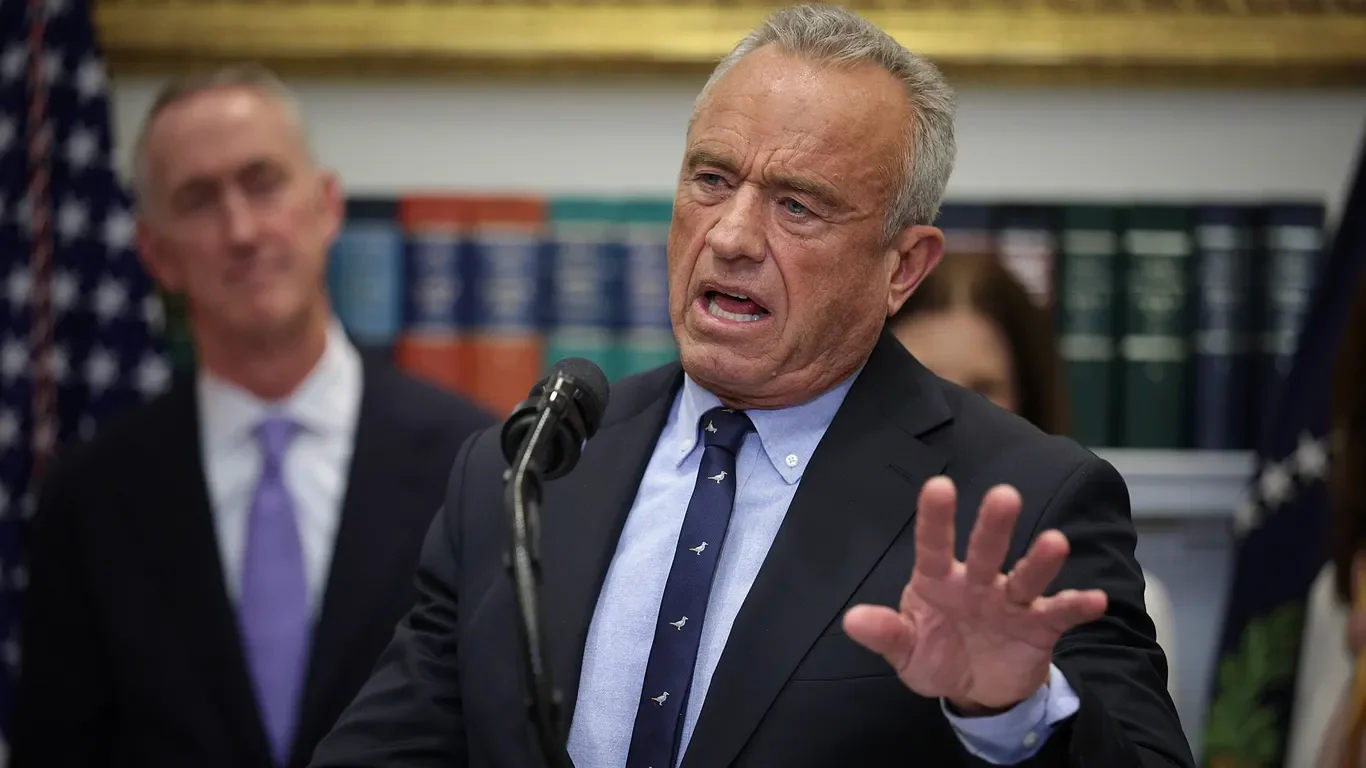
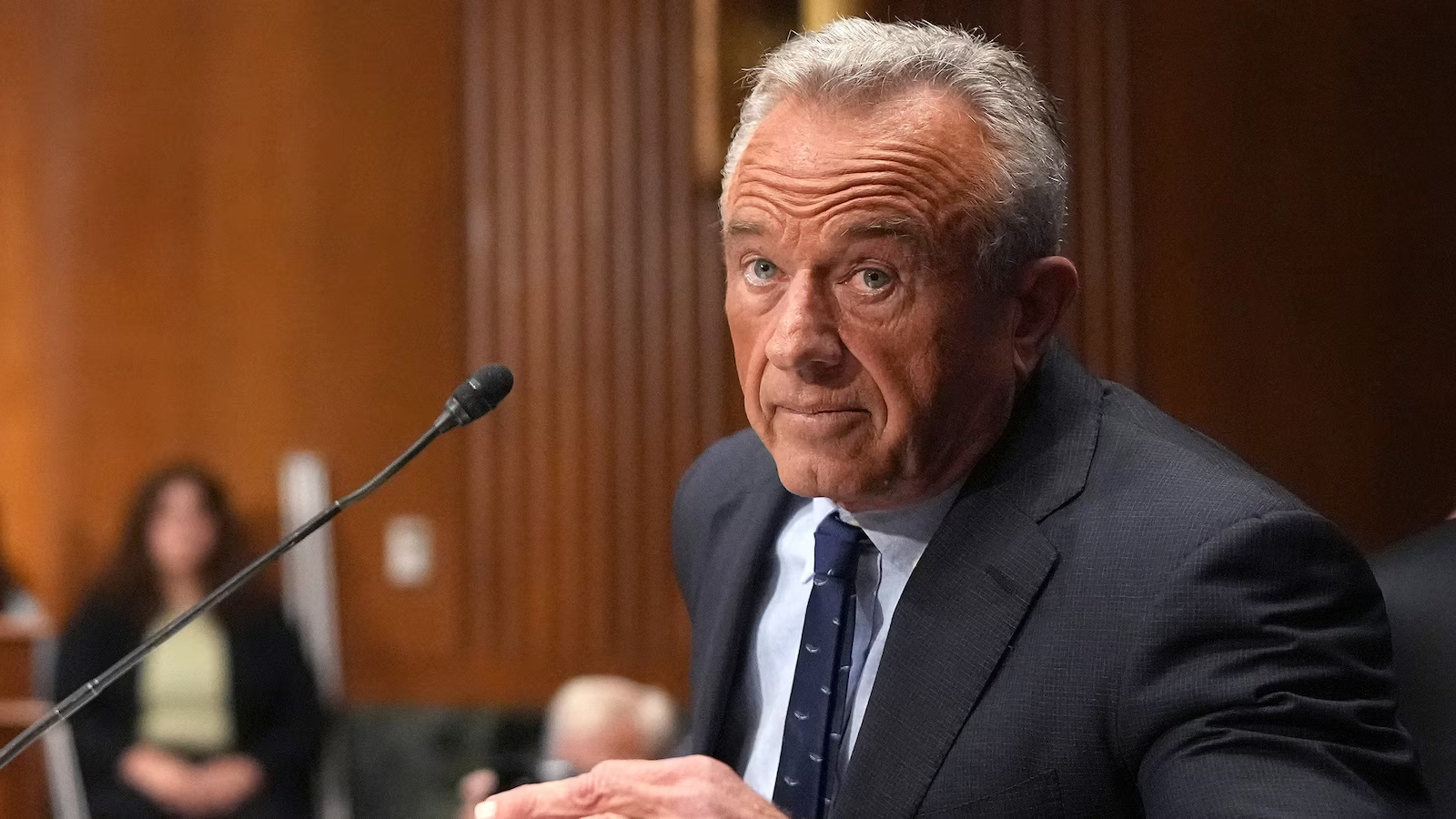
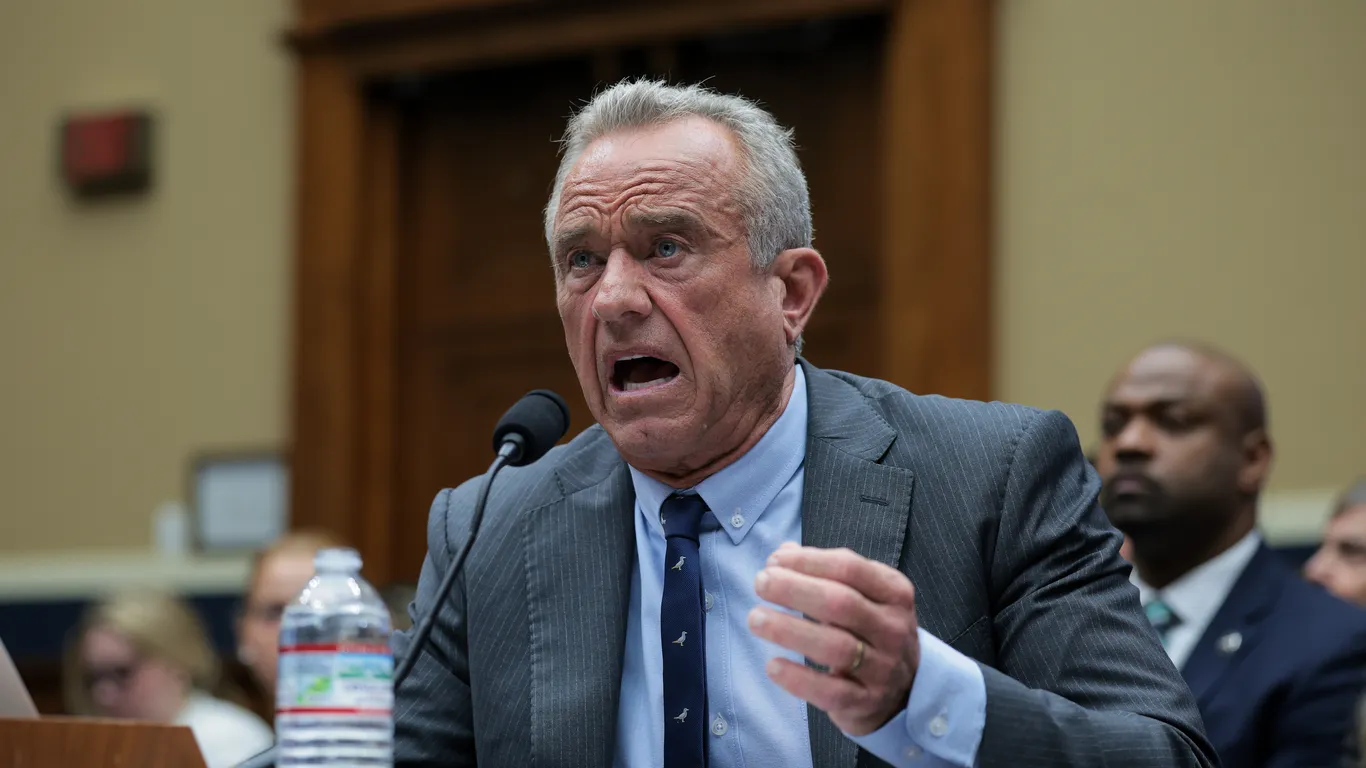
Robert F. Kennedy Jr. faces legal and procedural hurdles in his efforts to overhaul the US pediatric immunization schedule, as any unilateral policy change must follow the Administrative Procedure Act, involve proper deliberative processes, and could be challenged in court, especially given his recent actions and the established role of the CDC's advisory committee.
The CDC approved a major update to the childhood immunization schedule, recommending against giving all newborns a hepatitis B vaccine within 24 hours of birth, following a federal advisory panel's advice.
The CDC has updated its immunization guidelines, no longer recommending universal COVID-19 vaccination and suggesting that COVID shots be a personal choice, while also recommending that toddlers receive the MMR and varicella vaccines separately due to safety concerns. These changes reflect a shift towards informed consent and individual decision-making in vaccination practices.
The CDC updated its immunization schedules to incorporate individual-based decision-making for COVID-19 vaccines and recommended standalone chickenpox vaccination for toddlers, based on recent safety evidence and risk-benefit analyses, emphasizing informed consent and personalized healthcare decisions.
An influential federal vaccine advisory committee is set to review and potentially recommend limiting certain vaccines, including hepatitis B and Covid-19 shots, amid concerns raised by Robert F. Kennedy Jr., who has questioned vaccine safety. The committee's decisions could impact the childhood immunization schedule and vaccine policies.
Health experts clarify that children typically receive around 30 vaccine doses by age 18, not 92 as claimed by RFK Jr., with most vaccines being combined and safe, and emphasize the importance of vaccination for public health and disease prevention.
The American Academy of Pediatrics and other medical groups sued HHS Secretary Robert F. Kennedy Jr. over his unilateral changes to COVID vaccine recommendations, arguing that his actions violate federal law and cause confusion, particularly regarding vaccines for children and pregnant women. The lawsuit seeks to halt Kennedy's directive to remove COVID vaccines from immunization schedules for healthy kids and pregnant women, amid concerns that these changes undermine established vaccination policies and scientific consensus.
The CDC's Advisory Committee for Immunization Practices has convened a new panel to review the childhood immunization schedule, including vaccines not studied in over seven years, potentially leading to changes in vaccine timing and recommendations, amid ongoing debates about vaccine safety and efficacy.
The American Pharmacists Association is withholding endorsement of the CDC's updated COVID-19 vaccination recommendations, which no longer specifically recommend the vaccine for pregnant women, citing concerns about high-risk conditions during pregnancy.
The CDC has updated its guidance to keep COVID-19 vaccines on the childhood immunization schedule for children aged 6 months to 17 years, countering Health Secretary Robert F. Kennedy Jr.'s recent announcement to remove them, and will continue to offer vaccines through shared decision-making, especially for low-income children.