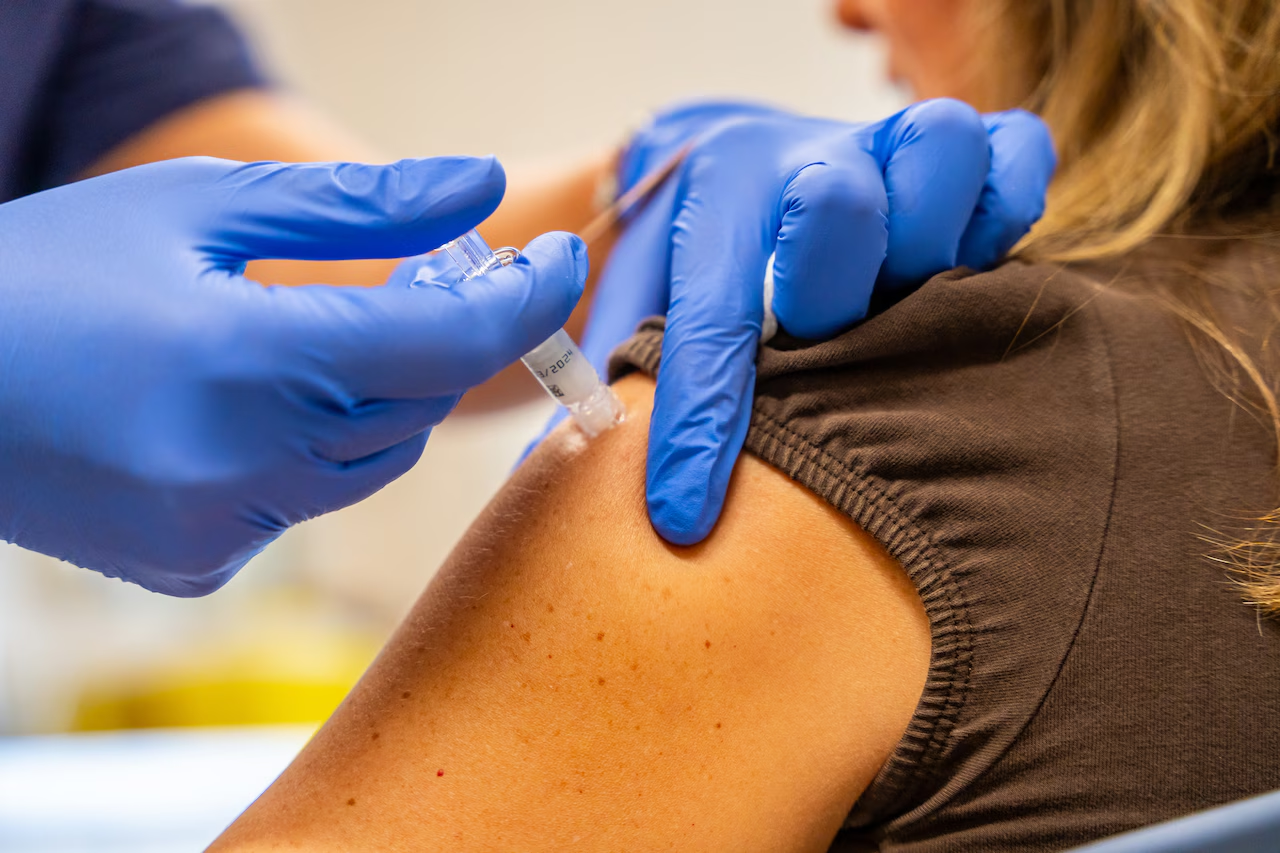
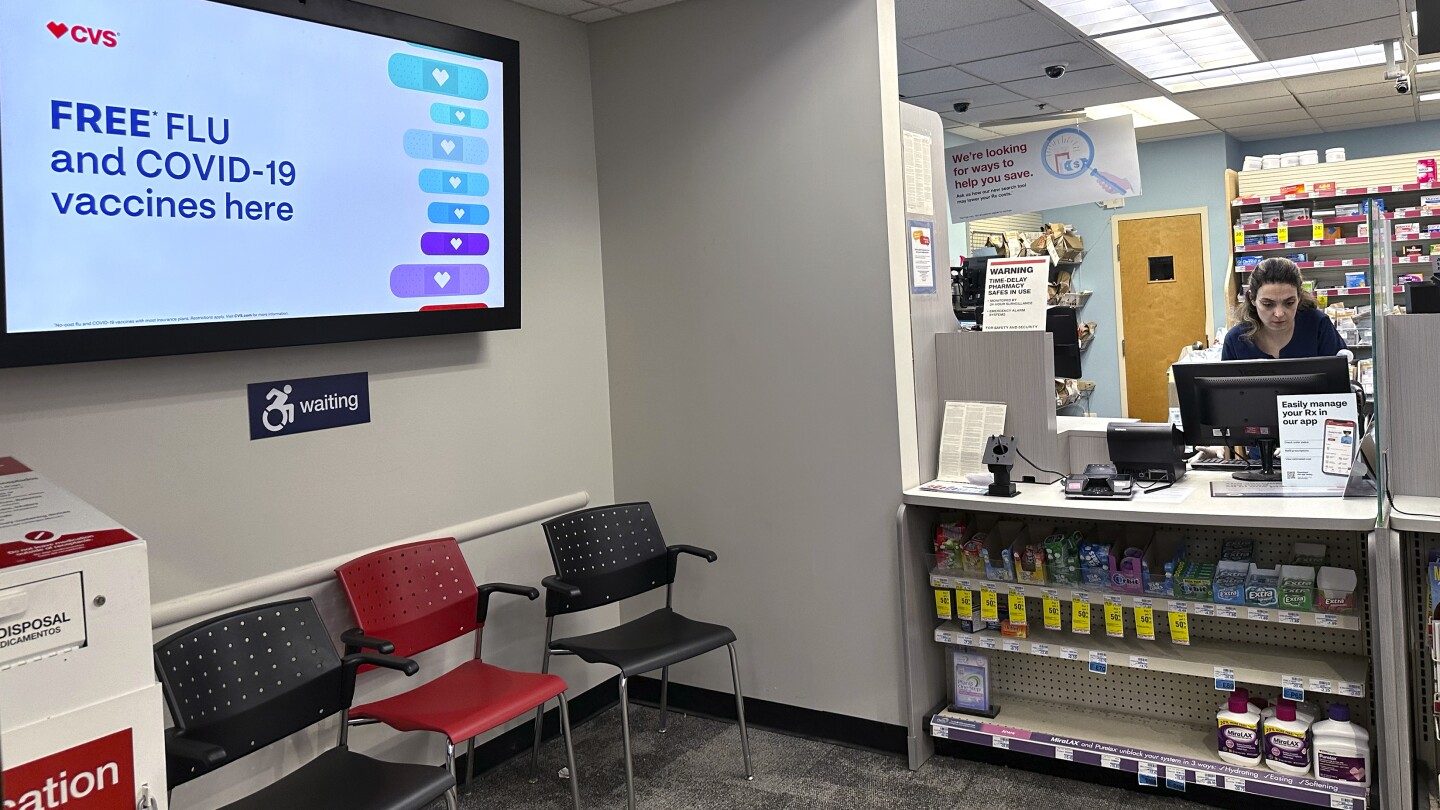
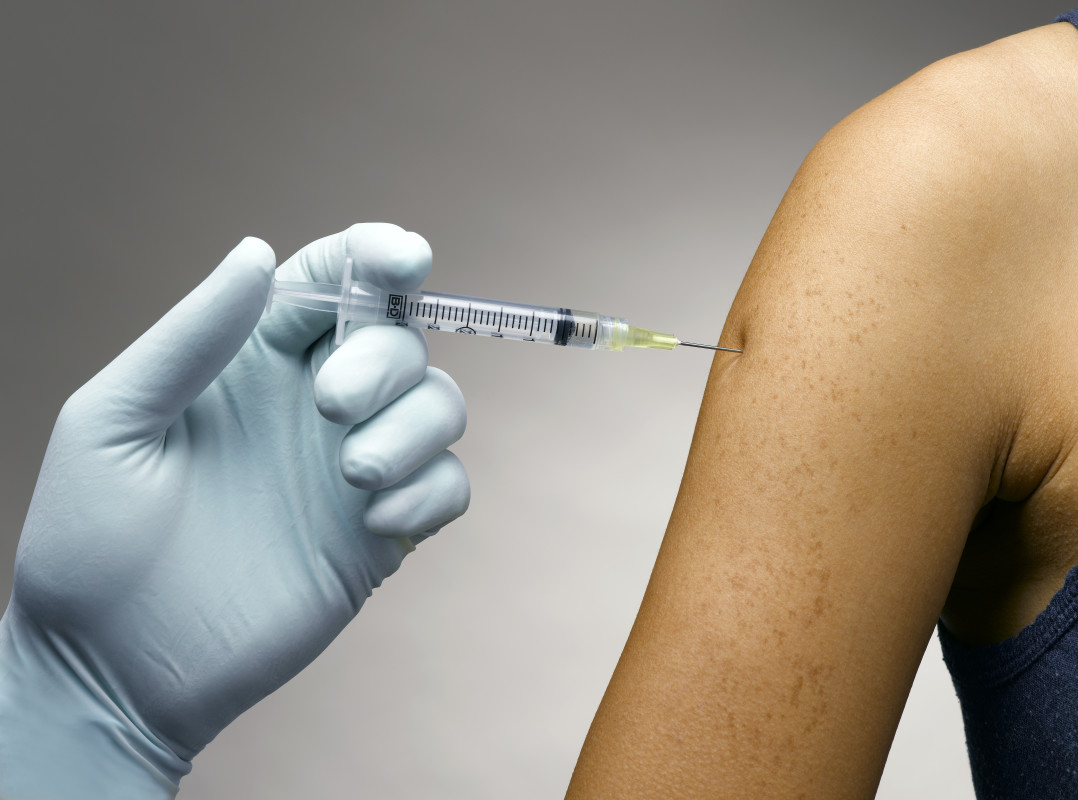
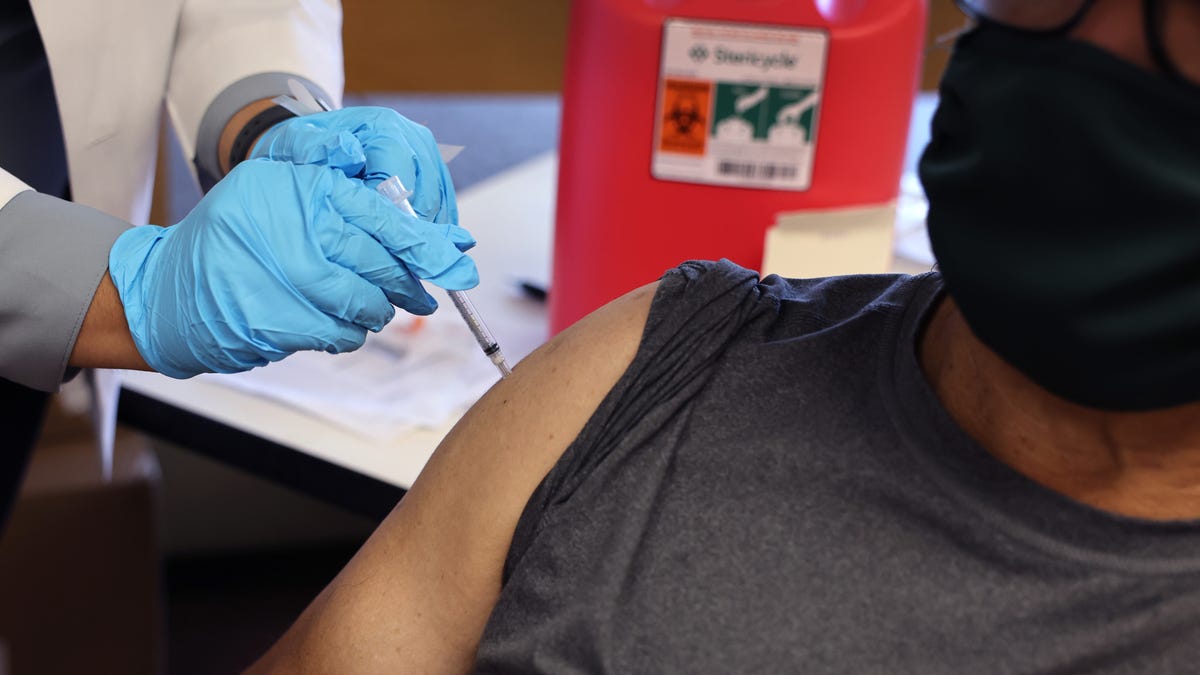
Getting COVID and flu vaccines in the same arm or different arms is a matter of personal preference, with recent studies suggesting no significant difference in effectiveness or antibody response; convenience and comfort are key considerations.
Rochelle Walensky emphasizes that Covid-19 vaccines are safe and effective in children, significantly reducing severe disease, hospitalization, and MIS-C, with ongoing data supporting vaccination across all pediatric age groups to prevent COVID-19-related deaths and complications.
President Trump questioned the effectiveness and transparency of Covid-19 vaccines developed during his administration, criticizing the CDC and demanding public disclosure of data, amid ongoing debates over vaccine policy and recent leadership changes at the CDC.
Scientists are closely monitoring the continuing evolution of the coronavirus and the body's immune responses in order to anticipate and prevent a potential resurgence, as well as to gain a better understanding of long Covid. Research efforts include studying how the virus behaves and evolves as populations build immunity, investigating the body's response to the infection, and estimating vaccine effectiveness in the midst of evolving respiratory conditions.
The CDC is recommending that adults aged 65 and older receive an additional dose of the updated 2023-2024 COVID-19 vaccine to address the increased risk of severe disease in this age group. This recommendation follows previous guidance for immunocompromised individuals and aims to restore waning protection and provide increased protection for older adults, who are disproportionately impacted by COVID-19. The CDC emphasizes the importance of vaccination for this age group and continues to monitor vaccine safety and effectiveness.
The CDC has reported that this season's flu vaccines have been 42% effective, offering better protection than in some recent years. The vaccines were found to be between 52% and 61% effective in children and 41% to 44% effective in adults. However, declining vaccination rates could still lead to fewer hospitalizations and deaths prevented by vaccines. The effectiveness against influenza B infections was notably high, with the CDC recommending people to get vaccinated as significant flu activity can last until May. Additionally, the FDA is set to vote on a major change to next season's influenza vaccines, potentially transitioning from quadrivalent to trivalent formulations.
The CDC recommended that people 65 and older receive a second dose of a coronavirus vaccine due to their higher risk for severe illness. The recommendation aims to provide added protection, especially as hospitalization rates for older adults remain high. While there are concerns about potential drawbacks, such as decreased public confidence and vaccine fatigue, the CDC emphasizes that updated vaccines continue to be effective against different circulating variants.
Early estimates indicate that flu shots in the US are around 40% effective in preventing adults from severe flu illness, with children being roughly 60% less likely to require treatment. Annual flu vaccines are recommended for everyone 6 months and older, and about half of eligible kids and adults received flu shots in the last several months. The effectiveness of the shots is influenced by the match against circulating flu strains, and some concerns have been raised about potential diminishing returns for annual influenza immunization.
A study from Oregon Health and Science University suggests that receiving COVID-19 vaccine doses in different arms may lead to a substantially stronger immune response compared to receiving both doses in the same arm. The research found that participants who received "contralateral" shots in different arms had a significantly increased antibody response, which continued to grow over time and was even more effective against the Omicron variant. While more research is needed, the findings may have implications for other multidose vaccinations, potentially impacting how vaccines are administered in the future.
University of Michigan researchers analyzed over 80 studies and 150 million patient observations to assess the effectiveness of COVID-19 vaccine doses beyond the primary series, finding significant benefits of monovalent and bivalent boosters in preventing hospitalization and death. Their study supports the periodic update of vaccines to match circulating virus variants and emphasizes the importance of robust and reproducible results to solidify public trust and fight misinformation. The research, published in Science Advances, highlights the potential of biostatistics and epidemiology in evaluating vaccine effectiveness and underscores the strong protection provided by COVID-19 vaccines against severe illness and hospitalization.
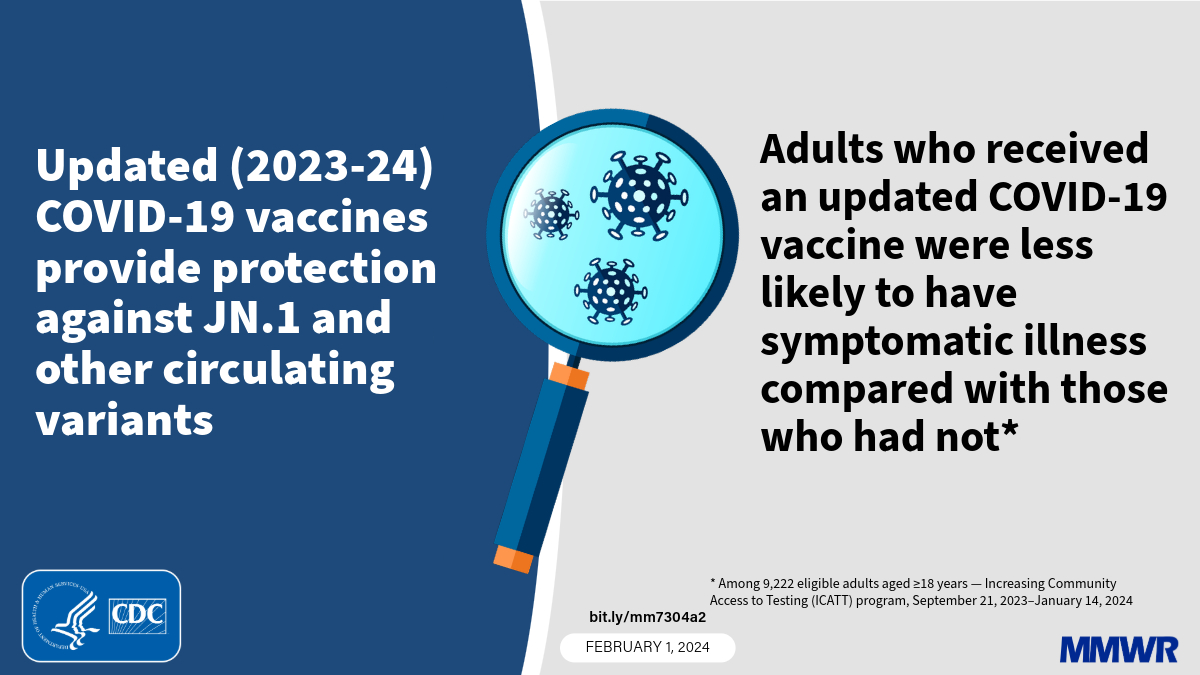
The CDC's recent study found that the updated COVID-19 vaccine is 54% effective against symptomatic infection in adults, offering increased protection against recent variants of the virus. The study, based on observations of 9,000 people from mid-September 2023 to January 2024, showed that the new shots provide defense against JN.1 and other circulating lineages. However, the results are not yet conclusive, and further studies will assess the vaccine's effectiveness in preventing severe symptoms and hospitalizations. The CDC urges everyone over 6 months to get the new shots for protection against COVID and evolving variants, as updated vaccination coverage in the U.S. remains low.
University of Michigan researchers evaluated 80 studies and 150 million patient observations to understand the effectiveness of COVID-19 vaccine doses, finding that all sequential doses provided substantial benefit in preventing hospitalization and death. They observed stronger estimates for the fall 2022 omicron-specific vaccine dose and support the practice of periodically updating COVID-19 vaccines for currently circulating variants. The study's findings suggest the utility of updating vaccines and establish an analytic pipeline for studying the effectiveness of future annual vaccine formulations.
New data from the CDC suggests that the most recent Covid-19 booster provides about 54% protection against infection, with similar effectiveness against the targeted XBB.1.5 strain and the dominant JN.1 subvariant. Vaccine effectiveness was 58% for those tested 7-59 days after receiving the shot and 49% for those tested 60-119 days after. Waning effectiveness over time is expected, but the updated vaccine still offers significant protection, especially for high-risk individuals. Experts compare the efficacy to flu vaccines and emphasize the importance of getting the latest vaccine version, particularly for those at highest risk.
Early estimates from the CDC's Advisory Committee on Immunization Practices show that the updated 2023–2024 monovalent XBB.1.5 COVID-19 vaccine provides approximately 54% increased protection against symptomatic SARS-CoV-2 infection compared to no receipt of the updated vaccine. The vaccine offers protection against the JN.1 and other co-circulating lineages, and it is recommended that all persons aged ≥6 months should receive the updated COVID-19 vaccine. The CDC will continue monitoring vaccine effectiveness, including against severe disease and for expected waning.
A government study, largely unpublicized, found that flu shots may not be effective in reducing death rates among the elderly, contrary to long-held public health beliefs. Despite an increase in vaccination rates from 15% to 65% over 20 years, flu-related deaths among seniors did not decrease. The National Institutes of Health (NIH) study adjusted for various factors but still found no benefit. Interviews with study authors revealed surprise and acknowledgment of "incendiary material." Subsequent international studies supported these findings. The CDC still recommends flu shots for the elderly but is considering new strategies, including vaccinating those around the elderly to prevent transmission.