A personal account highlights the severe consequences of meningococcal disease and criticizes recent changes to CDC vaccine guidelines by RFK Jr. and the Trump administration, emphasizing the importance of vaccination in preventing such life-altering illnesses.
The article emphasizes the importance of vaccinating healthcare workers under 65 against Covid-19 to protect both staff and patients, reduce transmission, and prevent healthcare system overload, advocating for ACIP to endorse universal vaccination for this group amid ongoing challenges and barriers.
The CDC and its advisory panel quietly expanded Covid-19 vaccine access for pregnant women, despite internal confusion and lack of clear communication, reversing previous recommendations and raising concerns about transparency and safety debates.
The CDC updated its immunization schedules to incorporate individual-based decision-making for COVID-19 vaccines and recommended standalone chickenpox vaccination for toddlers, based on recent safety evidence and risk-benefit analyses, emphasizing informed consent and personalized healthcare decisions.
The Trump administration's changes to Covid and childhood vaccine recommendations, including weakened guidance from ACIP and delays in vaccine updates, could complicate access and create public confusion, though many health experts emphasize the importance of vaccination for high-risk groups and advise consulting healthcare providers for individual decisions.
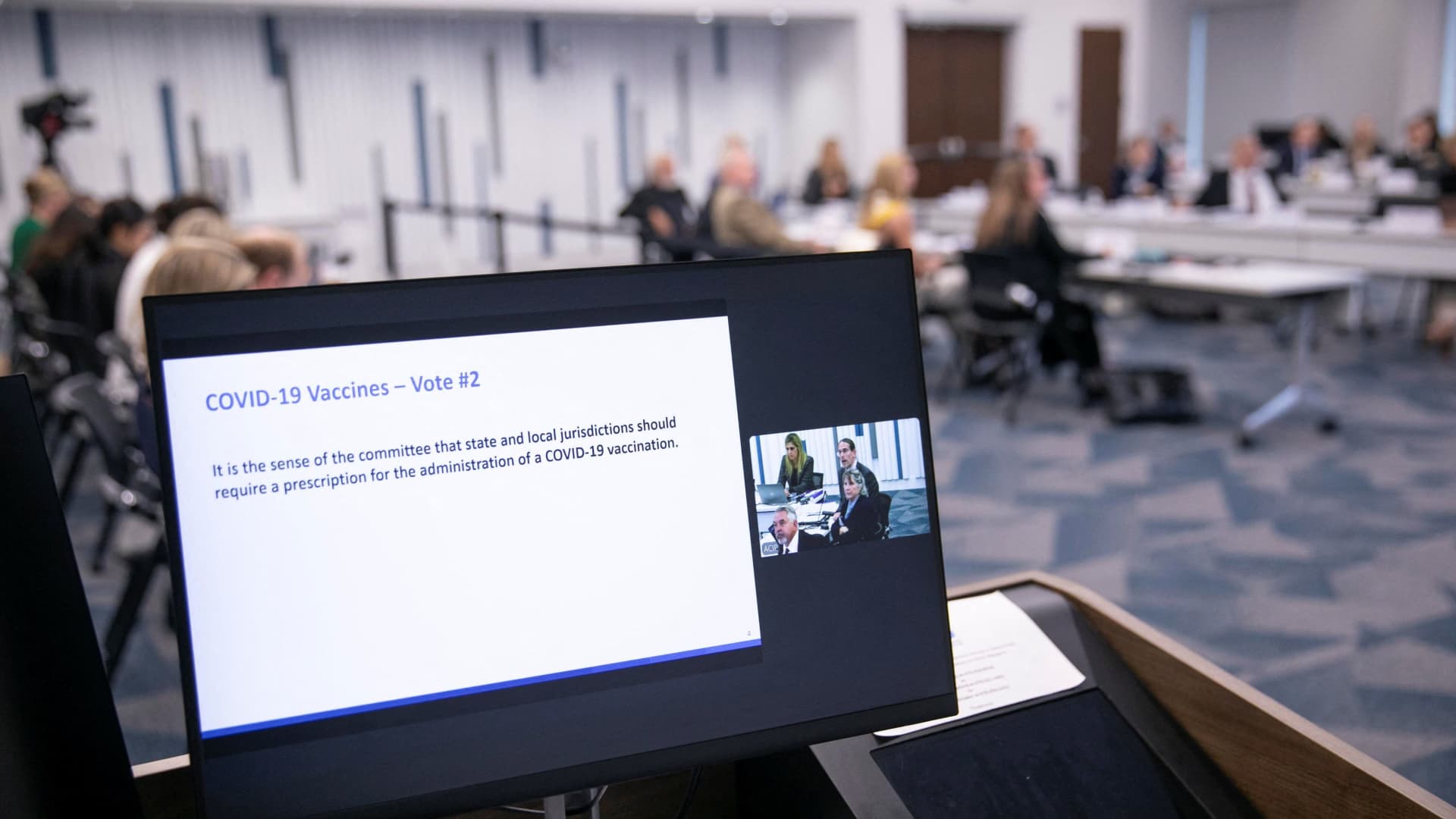
RFK Jr.'s vaccine advisory panel rejected a proposal to require prescriptions for COVID-19 shots, discussed vaccine risks, and debated vaccination policies, including delaying the hepatitis B vaccine for newborns, amid concerns and unfounded claims about vaccine safety and efficacy.
A CDC advisory panel recommended restricting Covid vaccine eligibility to those 65 and older or with underlying health conditions, aligning with FDA approvals, which may limit access for healthy adults and complicate vaccination efforts across states and pharmacies.
The CDC vaccine advisory panel voted to delay the hepatitis B vaccine decision to allow more data review, amidst controversy over vaccine recommendations and recent panel reorganization by Kennedy.
CDC advisers are considering a significant change to the childhood vaccination schedule by re-evaluating the longstanding recommendation for all newborns to receive a hepatitis B shot, regardless of maternal infection status, amid discussions involving RFK Jr.
The CDC vaccine advisory committee, influenced by vaccine skeptics, is likely to recommend restricting or delaying hepatitis B vaccinations for newborns, shifting from the longstanding universal immunization policy.
The article discusses the impact of RFK Jr.'s actions on COVID vaccination policies in the U.S., highlighting reduced access, political conflicts, and the potential for a patchwork of state-level decisions that could complicate public health efforts. It emphasizes the importance of federal guidance and the challenges posed by political interference and funding cuts, while noting efforts by medical organizations to provide alternative guidance.
Former President Trump has publicly endorsed Covid vaccines, emphasizing their effectiveness and safety, despite ongoing skepticism from some political figures like Robert Kennedy Jr., who has criticized vaccines and limited their use to certain groups. The debate highlights the divided opinions on vaccination policies amid upcoming discussions on childhood vaccine schedules.
An F.D.A. official overruled agency scientists who recommended broad access to Covid vaccines, opting instead for narrow eligibility criteria, sparking criticism from lawmakers and health professionals.
The FDA is currently questioning whether it is safe and effective for people to receive multiple respiratory vaccines simultaneously, with top vaccine official Vinay Prasad expressing uncertainty about the common practice.
Public health experts are concerned about potential major changes to childhood vaccine policies amid a leadership shakeup at the CDC, with fears that recommendations for vaccines like RSV antibodies, hepatitis B, and MMRV could be restricted or rolled back, influenced by vaccine critics and political shifts, which may impact vaccine access and public health strategies.