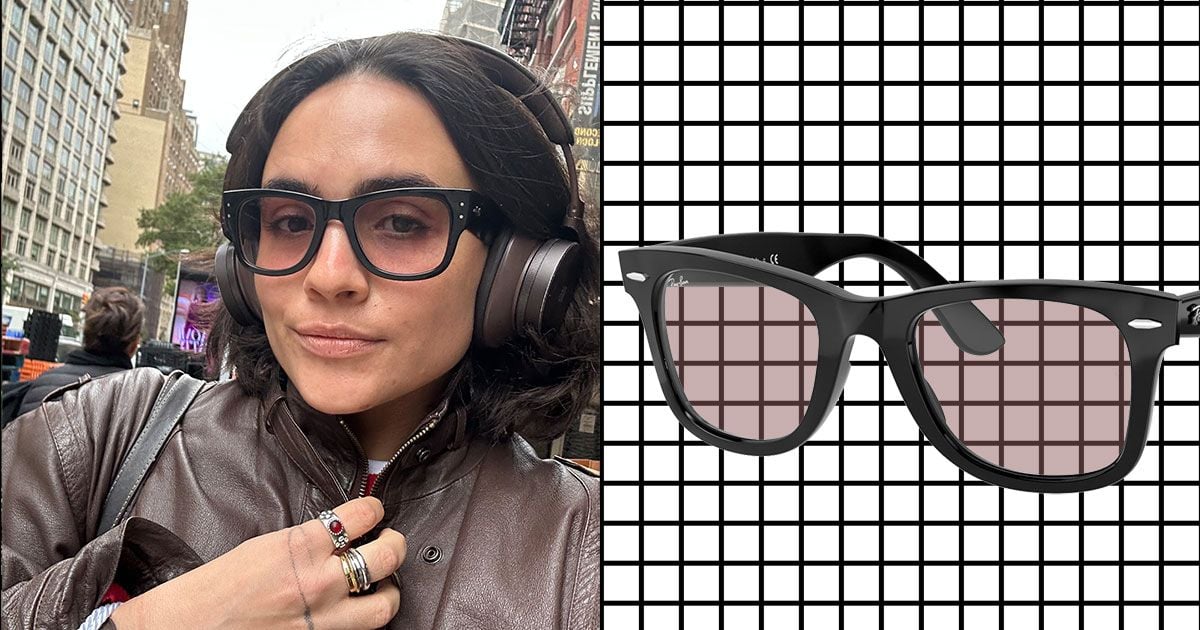
Ray-Ban's new transition lenses, Transitions GEN S, are highly responsive, offering clear vision and UV protection while adapting quickly to changing light conditions, making them a fashionable and practical choice for daily wear.

Research from the University of Utah suggests that individuals with two or more tattoo sessions may have a decreased risk of melanoma, possibly due to behavioral factors or immune responses, although more studies are needed to understand the connection.
Despite longstanding scientific evidence supporting sunscreen use to prevent skin cancer, a growing anti-sunscreen movement on social media questions its safety and promotes natural alternatives, causing concern among health experts who emphasize that avoiding sunscreen increases long-term health risks.
A growing anti-sunscreen movement on social media promotes sun exposure and DIY alternatives, causing confusion and concern among health experts who emphasize sunscreen's role in preventing skin cancer and UV damage.
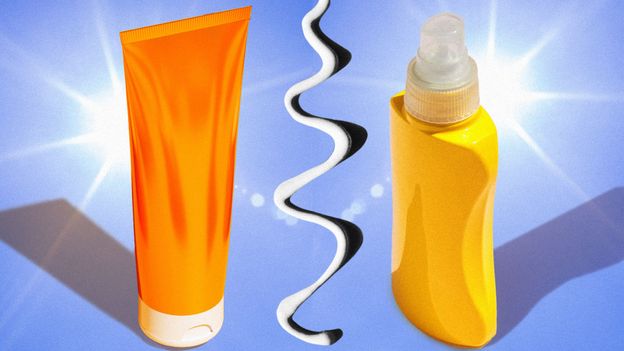
The article clarifies misconceptions about mineral and chemical sunscreens, explaining that both types contain chemicals and work primarily by absorbing UV rays, not reflecting or scattering them. It highlights that inorganic (mineral) sunscreens like zinc oxide and titanium dioxide are often lab-produced and can feel thicker, while organic (chemical) sunscreens are soluble and tend to be smoother. Current research shows minimal health risks from ingredients like oxybenzone, though regulators seek more safety data. Ultimately, the best sunscreen is one that users are comfortable applying regularly.
Justin Herbert is wearing UV protection contact lenses to improve his vision and reduce squinting during games, opting for tinted lenses over visors, and plans to confirm their league compliance for the season.
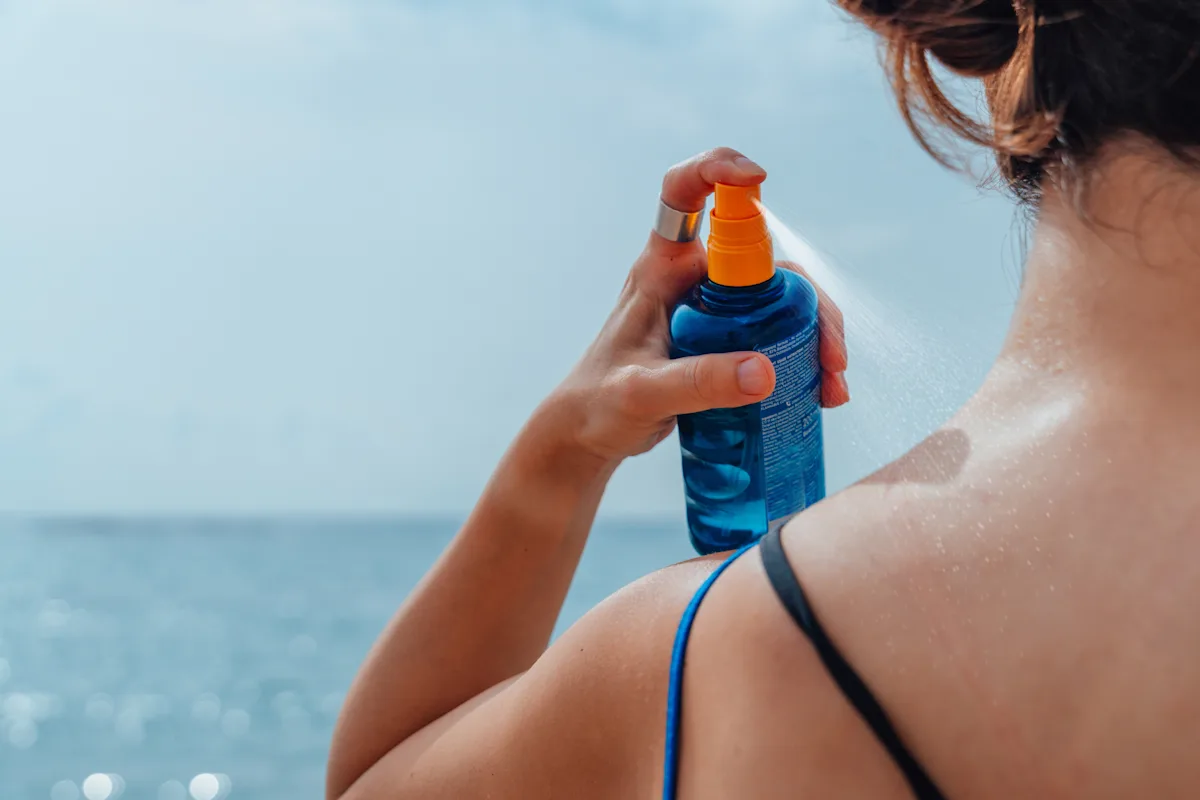
To effectively protect your skin from UV damage and skin cancer, apply a generous amount of broad-spectrum sunscreen with SPF 30 or higher at least 30 minutes before sun exposure, reapply every two hours, and use additional protection like hats and shade. 'Once a day' sunscreens are generally insufficient, and SPF in makeup should be considered a top-up, not primary protection. Regular reapplication is crucial, especially after swimming or sweating, to prevent cumulative UV damage and premature aging.
Dermatologists share their expert tips for protecting skin during a day at the beach, emphasizing thorough sunscreen application, wearing UPF clothing and hats, seeking shade, timing outdoor activities to avoid peak UV hours, and reapplying sunscreen every two hours to prevent skin damage and aging.
The article clarifies misconceptions about sunscreen, emphasizing that it is safe and essential for skin cancer prevention, with mineral sunscreens containing zinc oxide and titanium dioxide being the safest options. It advises using broad-spectrum SPF 30+ sunscreens, wearing protective clothing, and avoiding DIY alternatives, while highlighting that fear-mongering about 'toxins' is unfounded and that sunscreen use is supported by extensive research. The article also stresses the importance of consistent sun protection for all skin tones.
US sunscreens are considered less effective against UVA rays compared to those available in other countries due to regulatory differences, but they are still safe and effective when used properly. Experts recommend using broad-spectrum SPF 30+ sunscreens daily, especially during heatwaves, and suggest mineral sunscreens for better protection.
Effective sunscreen with broad-spectrum protection and SPF 30 or higher is essential for preventing skin cancer by blocking both UVA and UVB rays, with physical or chemical options available. Prioritize broad-spectrum labels and proper application for optimal skin safety.
An optometrist warns against the habit of squinting and emphasizes the importance of wearing high-quality, UV-protective sunglasses, especially during outdoor reading in summer, to prevent long-term eye damage such as cataracts and retinal harm.
Despite scientific evidence supporting the safety and benefits of sunscreen, influencers like Gwyneth Paltrow and TikTok users are promoting anti-sunscreen views, citing concerns over chemicals and natural alternatives. Experts warn that skipping SPF can accelerate skin aging and increase skin cancer risk, and that misinformation about ingredients and vitamin D is misleading. Proper sun protection, including the use of lab-tested sunscreens and alternative methods like makeup and self-tanners, remains essential for skin health.
As summer approaches, it's crucial to protect yourself from sunburn and its long-term risks like skin cancer. Besides using a broad-spectrum sunscreen with at least SPF 15, reapplying every two hours, wearing protective clothing, seeking shade, and avoiding peak sun hours (10 a.m. to 4 p.m.) are essential sun safety tips. Reflective surfaces like water, snow, and sand can increase UV exposure, so extra caution is needed.
Dr. Elizabeth Dupuy provides essential tips for protecting skin during the high temperatures of Phoenix's summer, including seeking shade, wearing sun-protective clothing, using broad-spectrum sunscreen with SPF 30 or higher, and managing sunburns effectively.