US Labor Market Shows Signs of Strain Amid Slowing Wage Growth
The article discusses how the poorest workers in the US are being most affected by the slowdown in wage growth, highlighting ongoing economic challenges and income disparities.

All articles tagged with #us workers
The article discusses how the poorest workers in the US are being most affected by the slowdown in wage growth, highlighting ongoing economic challenges and income disparities.

A Pew Research Center survey reveals that while 88% of US workers are satisfied with their jobs, nearly a third are unhappy with their pay, primarily due to wages not keeping pace with the cost of living. The survey, which included 5,400 working adults, also found that job satisfaction varies by race, age, and income, with older and higher-income workers generally more satisfied. Despite feeling secure in their jobs, 52% of respondents believe it would be difficult to find a desirable new job, and 25% plan to job hunt in the coming months.
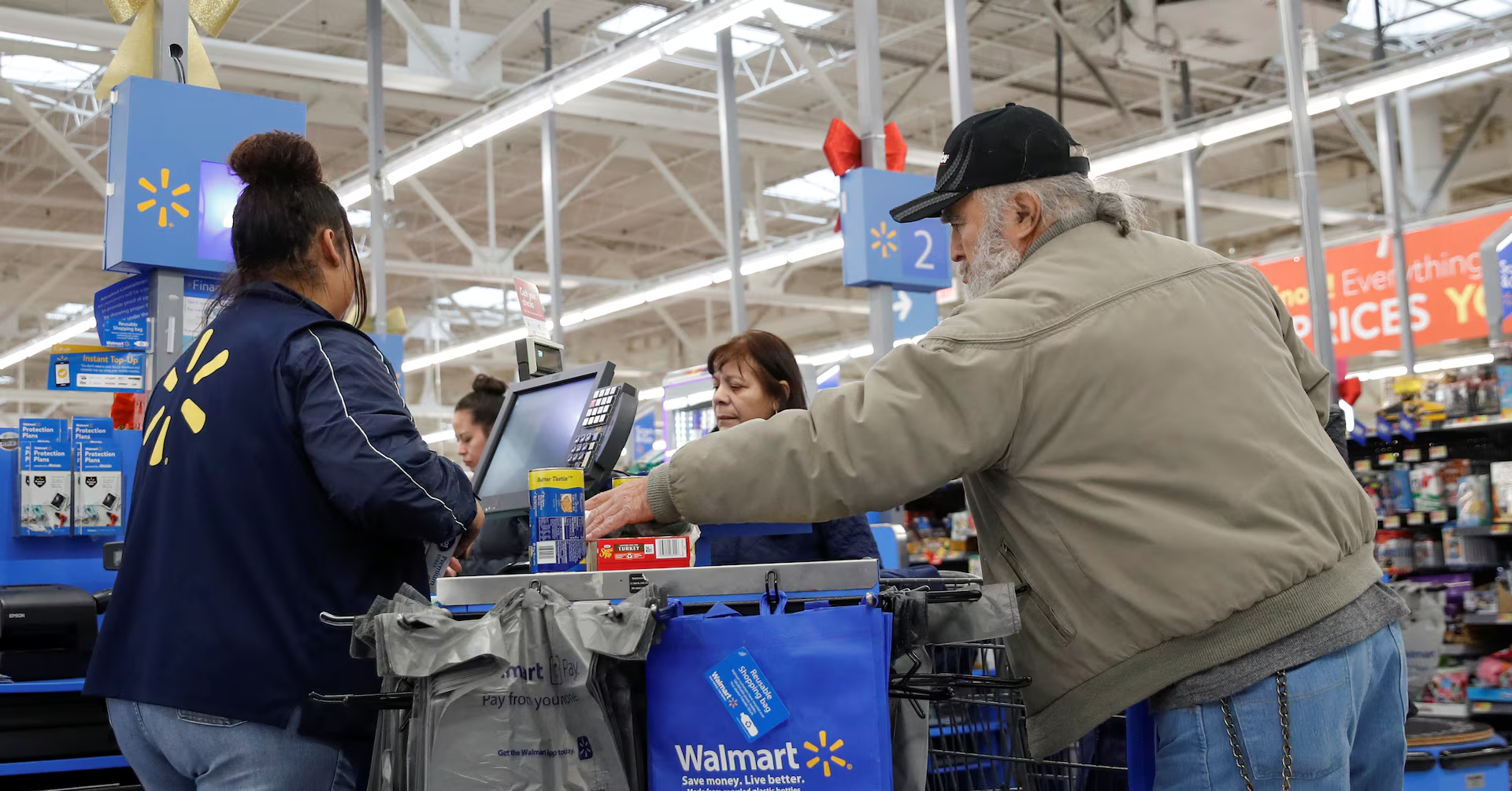
Walmart will offer bonuses of up to $1,000 annually to approximately 700,000 hourly U.S. store workers, including those in pharmacy and Vision Center stores, based on performance targets. This initiative, aimed at boosting wages and reducing turnover, follows feedback from employees and comes ahead of Walmart's annual general meeting. The company also launched a certification program to help workers transition to higher-paying technician roles.

The number of American workers hired by international companies for remote positions grew 62% last year, with workers being most likely hired by companies in the U.K., Canada, France, Singapore, and Australia. This trend is attributed to the scarcity of remote roles in the U.S., prompting workers with unique skills to seek opportunities abroad. While there are challenges such as time zone differences and cultural adjustments, working for an international company can offer diverse perspectives and the chance to bring U.S. culture to new markets. Job seekers interested in remote roles with international companies can utilize job boards and resources like Otta to explore opportunities.
Wages and benefits paid to US workers grew at a faster pace than expected in the third quarter, indicating ongoing momentum in the job market. The 1.1% increase in the Employment Cost Index raises concerns about inflation and poses a potential challenge for the Federal Reserve.
The demand for US workers has dropped to a two-year low, indicating a slowdown in the labor market and raising concerns about employment prospects.
Bud Light brewer announces significant layoffs, affecting hundreds of U.S. workers, as part of cost-cutting measures.

Americans are finally experiencing a raise as wage growth outpaces price growth for the first time since March 2021. In June, real average hourly earnings increased by 1.2% on a year-over-year basis, compared to a decline of 3.2% in June 2022. For nonsupervisory workers, wage growth was even greater at 2.2% year over year. With inflation falling to 3% in June, the smallest increase in over a year, and gas prices and food inflation also decreasing, wages are stretching further. While these gains are relative and inflation-adjusted wages have only climbed slightly since 2019-2020, economists believe the recent wage growth is sustainable and could lead to higher living standards.
The "Great Resignation" trend in the US, where workers were leaving their jobs in search of better prospects, flexible work arrangements, and higher wages, appears to be subsiding. In May, only 4 million workers voluntarily left their jobs, a drop from the record-breaking 4.5 million resignations in November 2021. The quits rate, which measures resignations as a share of total employment, has also decreased to 2.5% from a peak of 3% in April 2022. The number of job openings has also eased, indicating a cooling labor market. However, hiring demand remains elevated for now, providing opportunities for job seekers.

A study by Quest Diagnostics has found that marijuana use among US workers reached "historic" highs in 2022, with 4.3% of over 6 million general workforce urine tests being positive for cannabis, up from 3.9% in 2021. The industries that saw the greatest increase in positivity rates over the past five years were hospitality and food services, retail, and finance/insurance. The study also found that 7.3% of workers who had suffered a workplace injury tested positive for marijuana in 2022, marking the highest positivity rate in 25 years.