The US plans to withdraw from several UN bodies involved in climate, development, and other global issues, which could impact international cooperation and progress in these areas, although the full effects remain uncertain as funding and participation are being reviewed.
France is preparing for increased security threats from Russia amid the US's perceived disengagement from European defense, boosting military spending, reintroducing conscription, and seeking to lead European security efforts, all while navigating political uncertainties ahead of the 2027 presidential election.
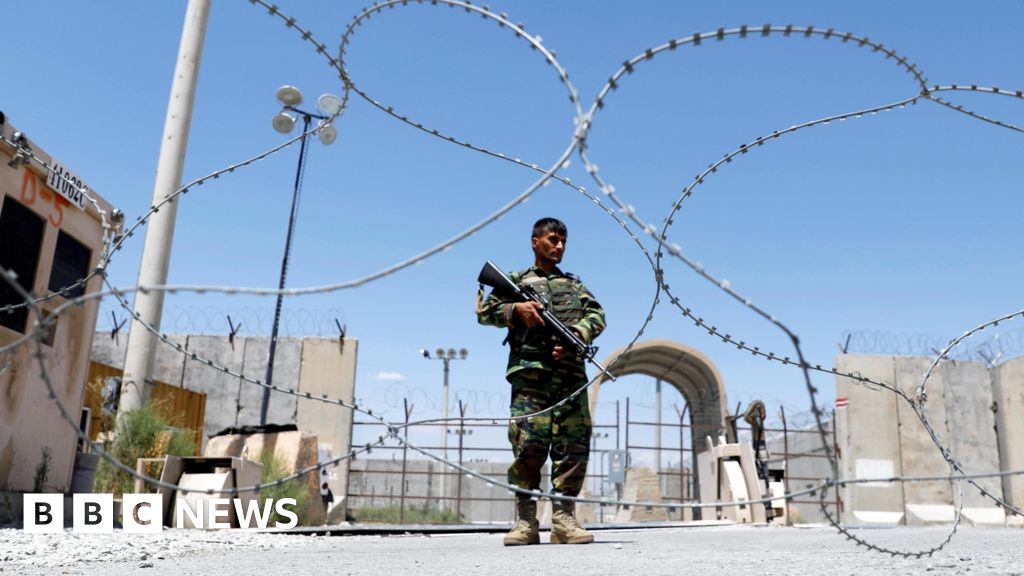
A Taliban official dismissed President Trump's suggestion that the US could retake Bagram Airbase, emphasizing that the base's military presence was rejected during negotiations before Taliban's return to power. Trump cited strategic reasons related to China for wanting to regain control, but there is no evidence supporting China's presence at the base. The Taliban reaffirmed their stance against foreign military presence in Afghanistan.
Despite the US repeatedly withdrawing from the Paris climate agreement under President Trump, other countries like China, the EU, and the UK are stepping up to fill the leadership void, with China emerging as a key player in global climate efforts through investments in renewable energy and strategic initiatives, while the Paris Agreement remains resilient due to its flexible, nonbinding structure.
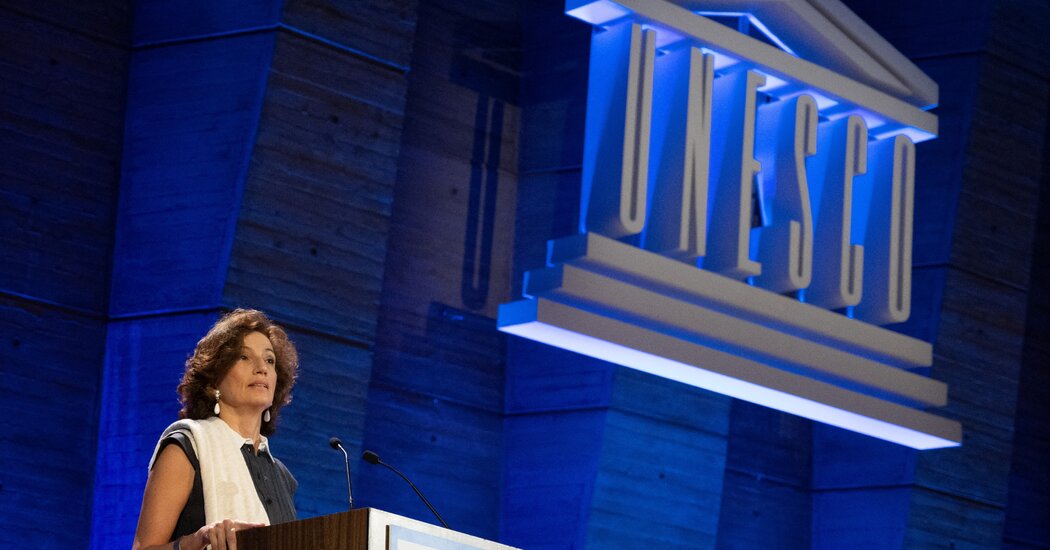
The United States announced it will withdraw from UNESCO by the end of 2026, citing concerns over bias and ideological conflicts, marking a return to previous disengagements and reflecting broader US skepticism towards multilateral organizations. The move follows a history of US withdrawals and re-engagements with UNESCO, and is driven by political disagreements, especially regarding Israel and Palestine, as well as ideological differences. Despite the withdrawal, UNESCO states the financial impact will be minimal as US contributions account for only 8% of its budget.
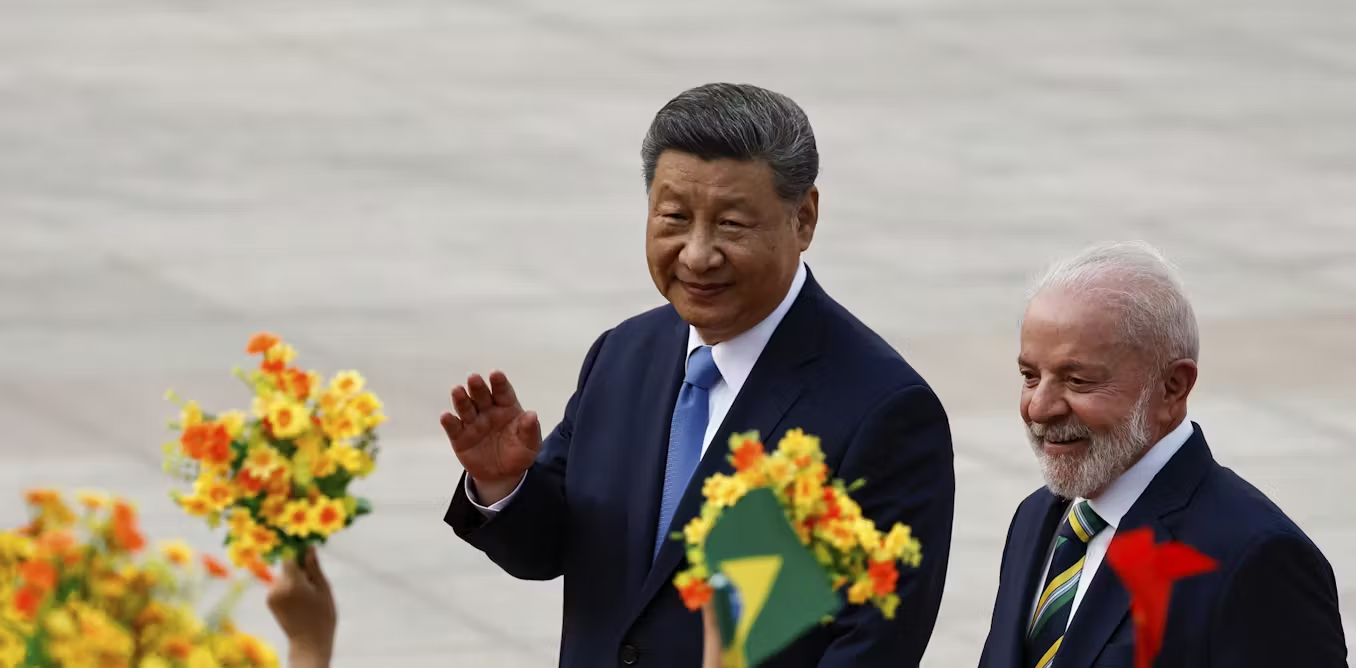
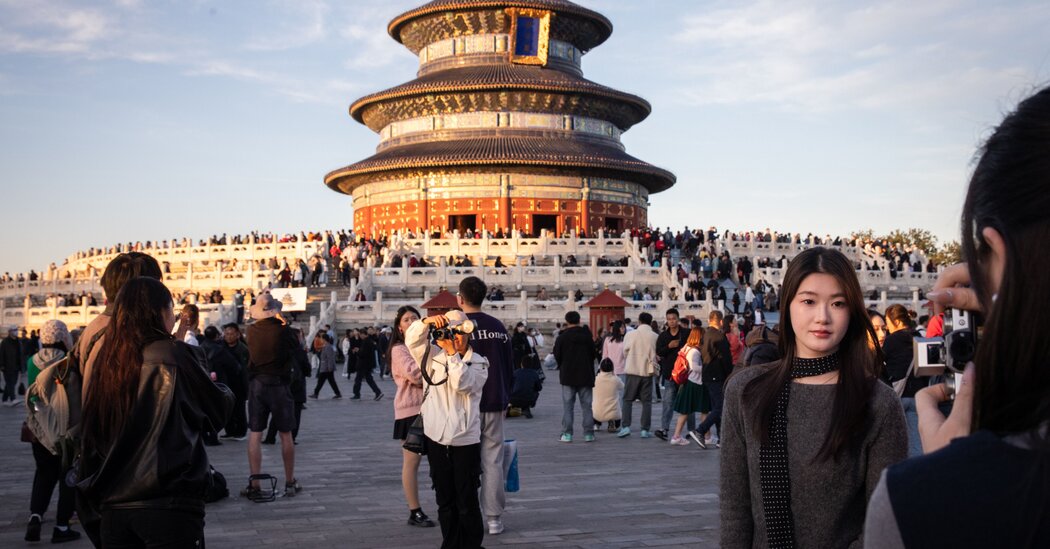
The article discusses China's increasing influence over UNESCO following the US's withdrawal, highlighting efforts to shape cultural and educational policies, expand Chinese heritage sites, and use UNESCO as a tool for soft power, while the US retreats from international organizations under Trump.
The US is withdrawing from UNESCO for the third time, citing anti-Israel bias and ideological issues, which reduces US influence in global organizations and may benefit China, with the withdrawal effective by 2026.
The U.S. will withdraw from UNESCO by the end of 2026, citing concerns over divisive social causes and Palestine's membership, reversing its 2023 reentry after previously leaving in 2018 due to similar issues, with the move impacting global cultural and heritage sites.
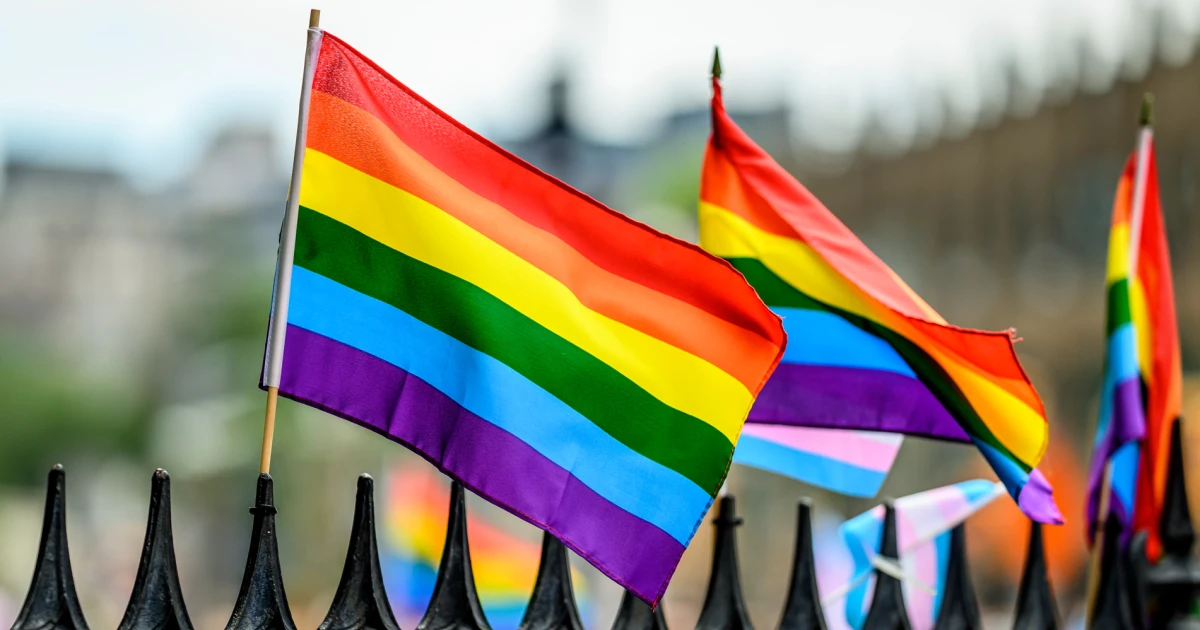
The UN Human Rights Council voted to renew the mandate of an LGBTQ rights expert for three years, despite opposition from several countries including the U.S., which has recently rolled back its support for such protections. The move was seen as a positive step for LGBTQ advocacy amid global challenges to progress.
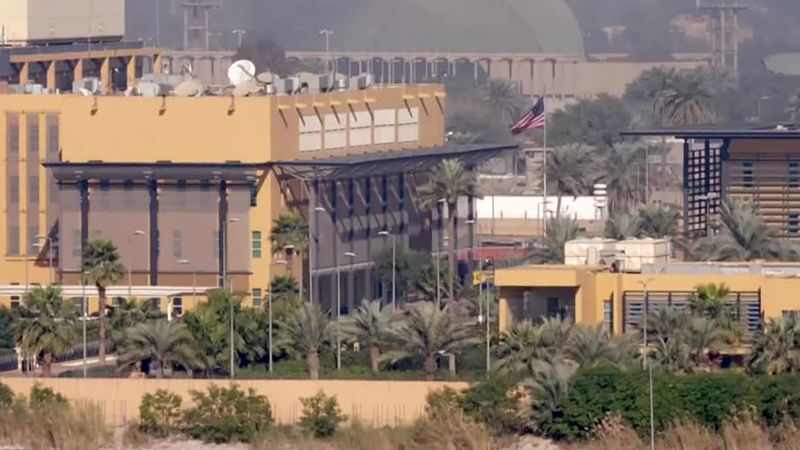
The US is withdrawing some diplomats and military families from the Middle East amid rising tensions involving Iran and Israel, with concerns over security risks and ongoing regional conflicts, as the US assesses its personnel posture and diplomatic strategies.
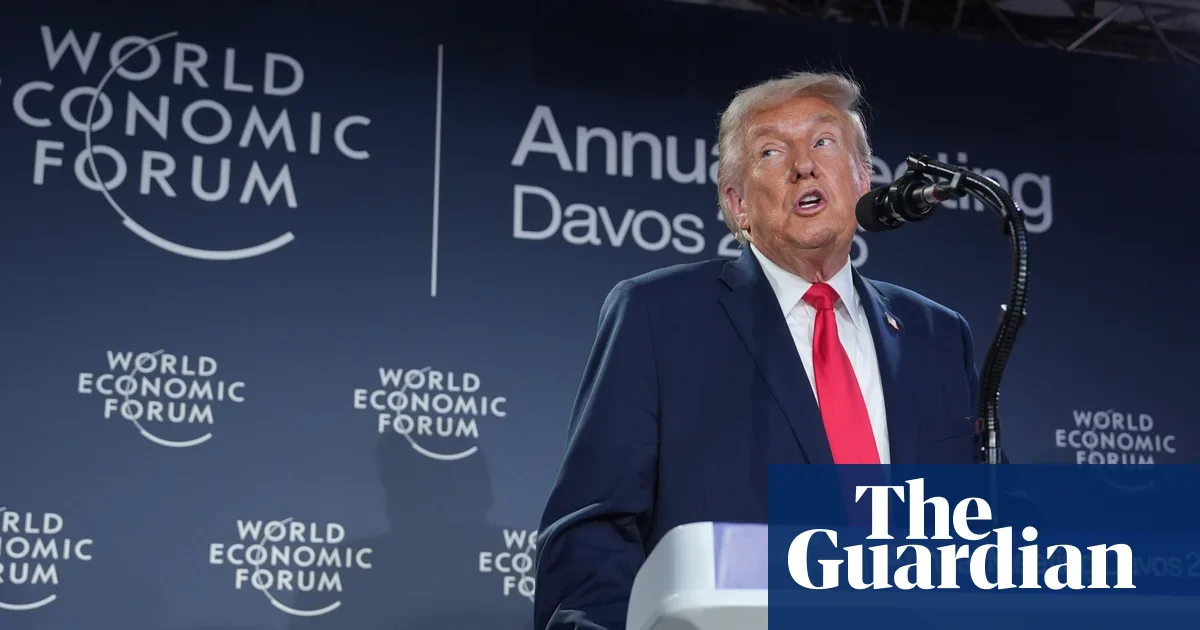
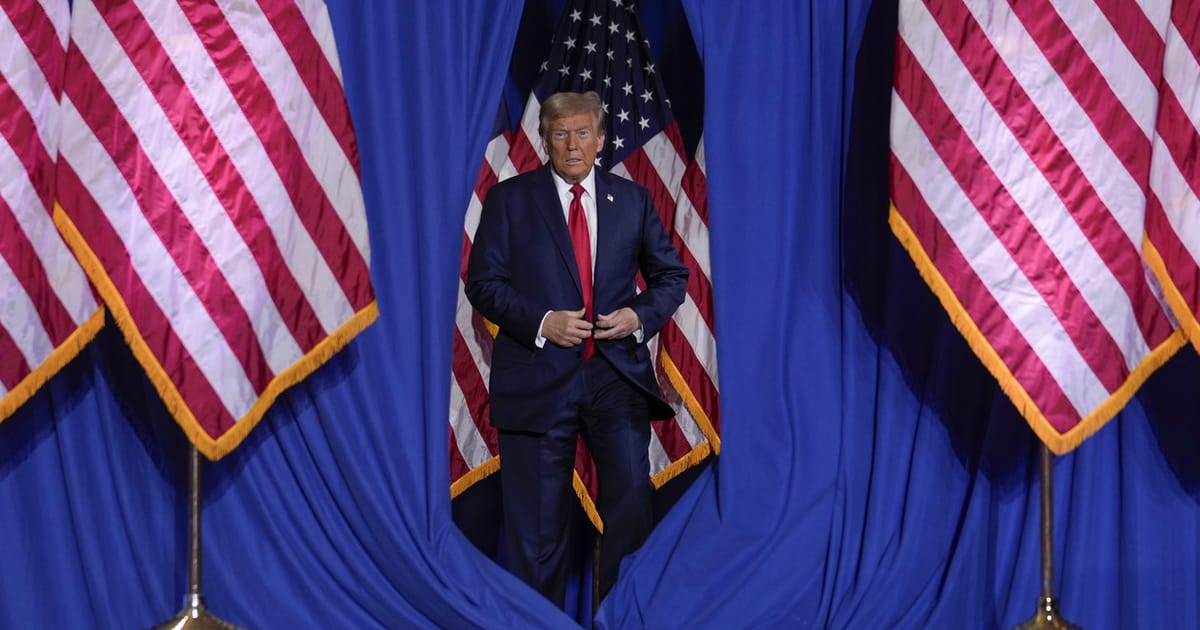
President-elect Donald Trump is expected to withdraw the U.S. from the Paris climate agreement for a second time, potentially moving faster than before. This decision could undermine global efforts to reduce greenhouse gas emissions, as the U.S. is a major polluter. Trump's stance on climate change, which he has called a "hoax," contrasts sharply with the commitments made under the agreement. The U.S. withdrawal could also allow China to gain a competitive edge in green technologies and influence global climate policy discussions.
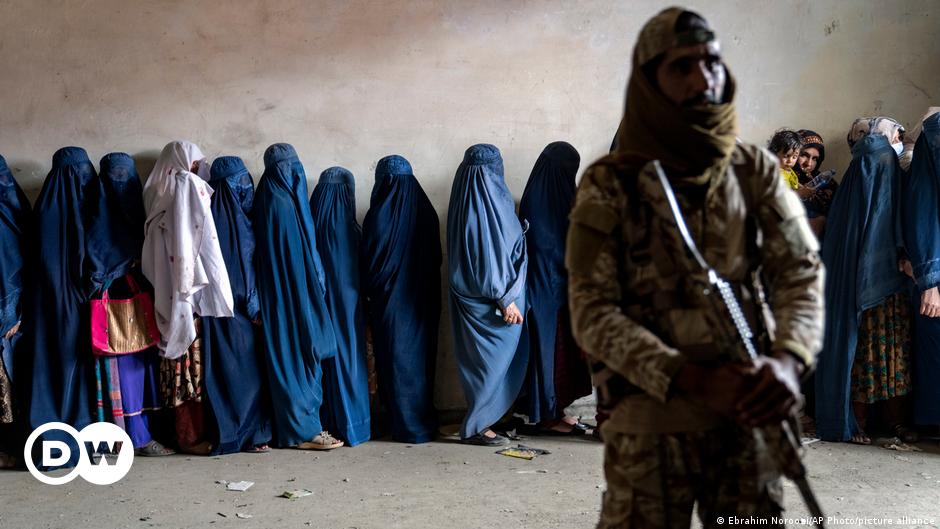
Two years after the Taliban seized power in Afghanistan, the situation for women and girls has worsened, with draconian restrictions imposed on their rights and freedoms. Despite warnings from activists and civil society representatives, the international community failed to listen and understand the Taliban's true intentions. The Taliban have issued over 51 bans affecting women since taking power, revealing their unchanged stance on women's rights. The US government's direct talks with the Taliban, without involving the Afghan government and local experts, paved the way for their exit from Afghanistan, ultimately weakening the morale of the Afghan army and facilitating the Taliban's advance. Afghan society is demoralized and exhausted, with many seeking ways to leave the country, but Afghan civil society remains resilient and determined to fight for their rights.
The State Department released a declassified report criticizing both President Trump and President Biden for their decisions regarding the U.S. withdrawal from Afghanistan. The report found that some of Biden's choices, such as the speed of the military withdrawal and handing over Bagram Air Base, compounded the difficulties faced by diplomats in Afghanistan. It also highlighted disorganization in the highest levels of government and a failure to act with appropriate urgency as the Taliban gained power. The report, which was only partially released, did not mention a warning from U.S. diplomats in Kabul about the potential collapse of the country.
A State Department review has criticized both the Biden and Trump administrations for failing to adequately plan for "worst-case scenarios" ahead of the U.S. withdrawal from Afghanistan. The report highlighted the lack of clear leadership within the State Department during the crisis and called for improved crisis planning and decision-making processes. The chaotic withdrawal resulted in the rapid fall of Kabul to the Taliban, the collapse of the Afghan government, and the deaths of over 150 Afghan citizens and 13 U.S. service members. The report also noted that the State Department did not adequately prepare for worst-case scenarios due to concerns about signaling a loss of confidence in the Afghan government. The Biden administration has defended its decision to end the war in Afghanistan, but the release of the report on a Friday before a holiday weekend suggests an attempt to avoid media attention.
A State Department review of the U.S. withdrawal from Afghanistan in 2021 has urged better planning for worst-case scenarios, strengthening crisis management capabilities, and ensuring a wider range of views are considered. The report highlighted unfilled senior positions, unclear leadership, and a shortage of seasoned diplomats in Kabul as contributing factors to the chaotic response. While the report does not directly blame the Biden administration, it points out insufficient consideration of worst-case scenarios and confusion about responsibilities. It also mentions the impact of the coronavirus pandemic and the lack of planning for maintaining a diplomatic presence in Afghanistan. The report emphasizes the need for improved processes and systems and has already influenced responses in other crisis situations.