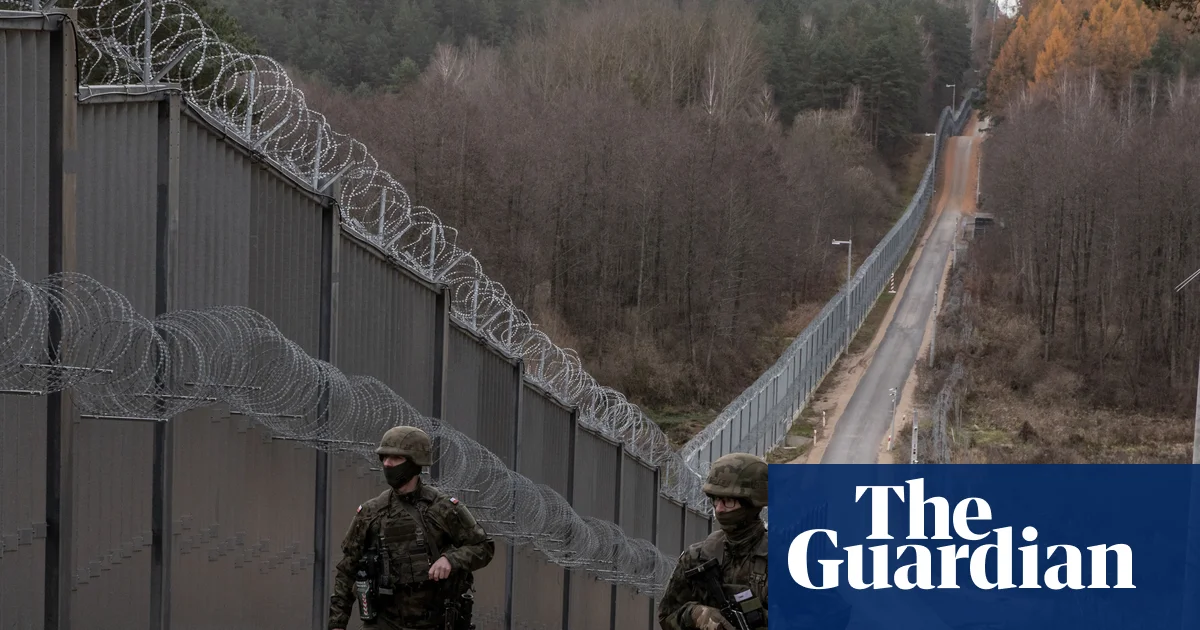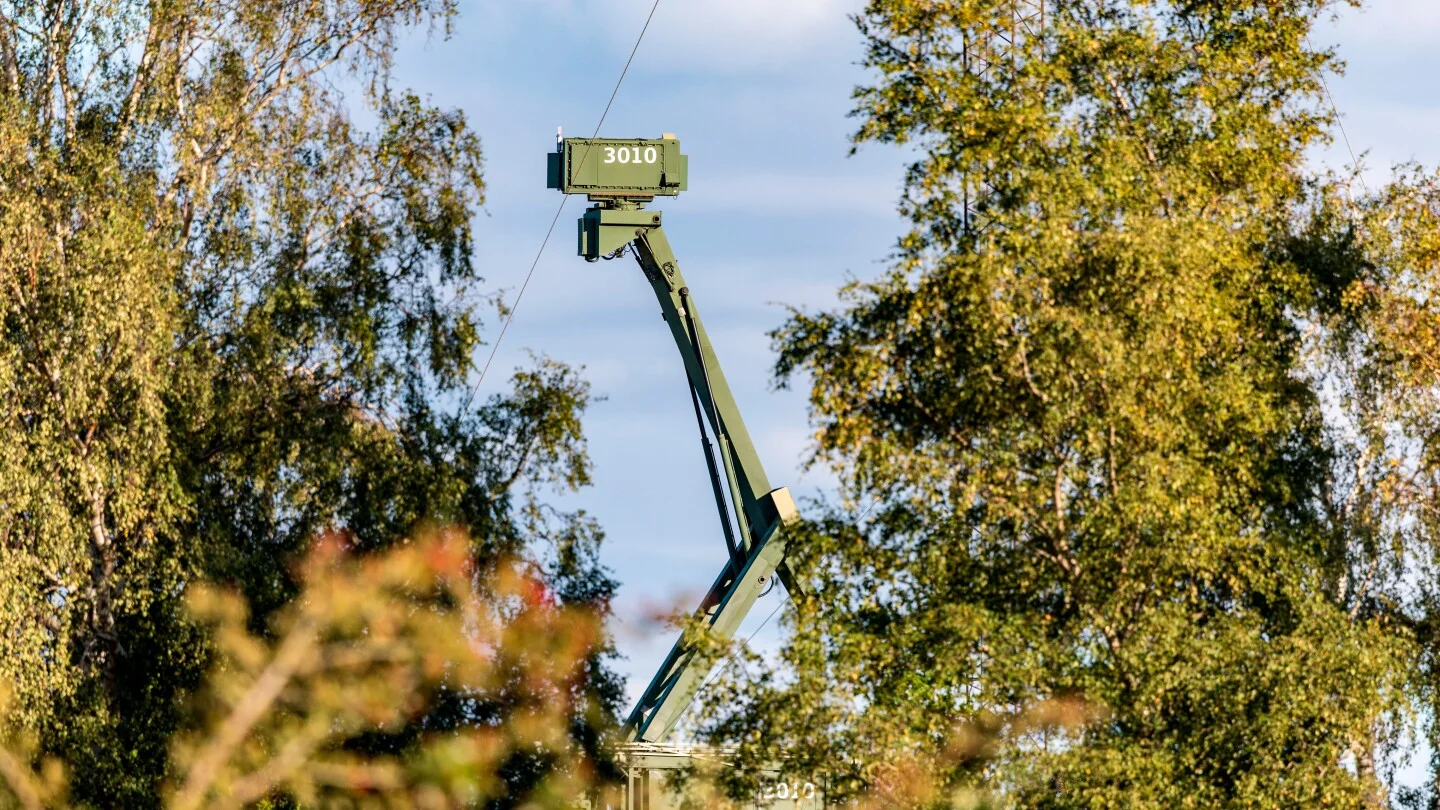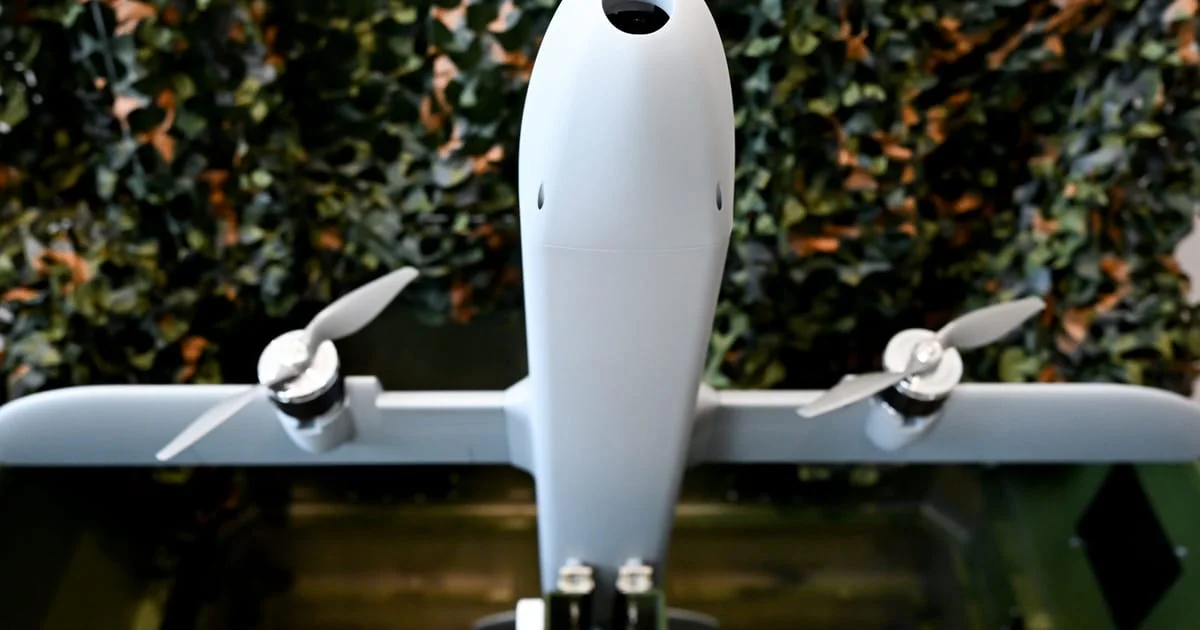
Poland is investing over €2bn in anti-drone fortifications along its eastern border to counter Russian aerial threats, following recent drone incursions, with plans to complete the system within two years, amid heightened tensions and increased defense spending.
France plans to build a new, larger aircraft carrier, PANG, to replace the aging Charles de Gaulle, with operations expected by 2038, aiming to bolster national and European defense capabilities amid geopolitical tensions.
France is preparing for increased security threats from Russia amid the US's perceived disengagement from European defense, boosting military spending, reintroducing conscription, and seeking to lead European security efforts, all while navigating political uncertainties ahead of the 2027 presidential election.
NATO is preparing for a potential confrontation with Russia with limited US support as the US reduces its military presence in Europe, raising concerns among European nations about their ability to defend themselves independently amidst ongoing tensions and Russian aggression.
EU leaders are set to discuss a 'drone wall' for continental defense and the use of frozen Russian assets to fund Ukraine at a Copenhagen summit, amid recent airspace violations by unidentified drones over Denmark and neighboring countries, prompting increased military and security measures across Europe.
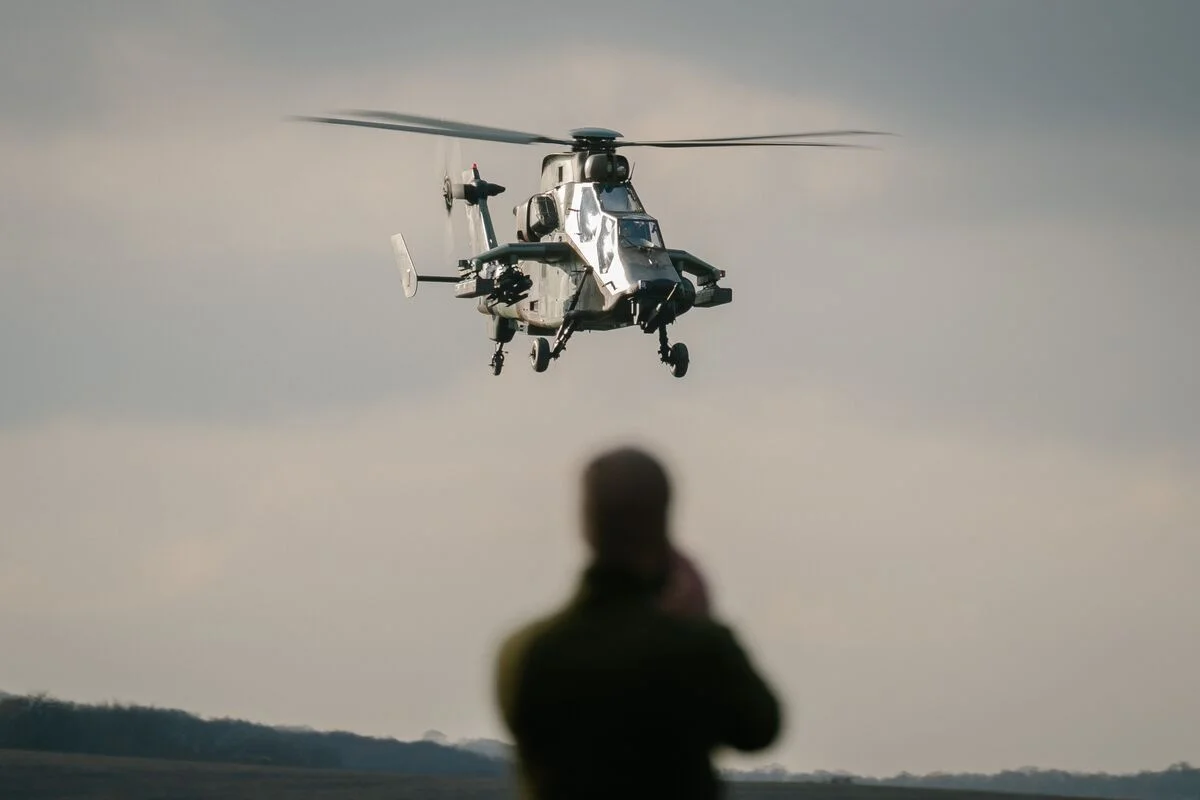
Denmark has reported multiple drone sightings near military bases, raising security concerns amid heightened tensions and suspected Russian activity, with neighboring Germany also increasing drone defense measures. NATO emphasizes a strong response to airspace violations, and Denmark is seeking additional anti-drone capabilities, including legislation to shoot down drones.
European defense ministers have agreed to develop a 'drone wall' along borders with Russia and Ukraine to improve detection and interception of rogue drones, amid rising airspace violations and hybrid threats, with plans to build the system within a year and discuss further at upcoming EU summits.
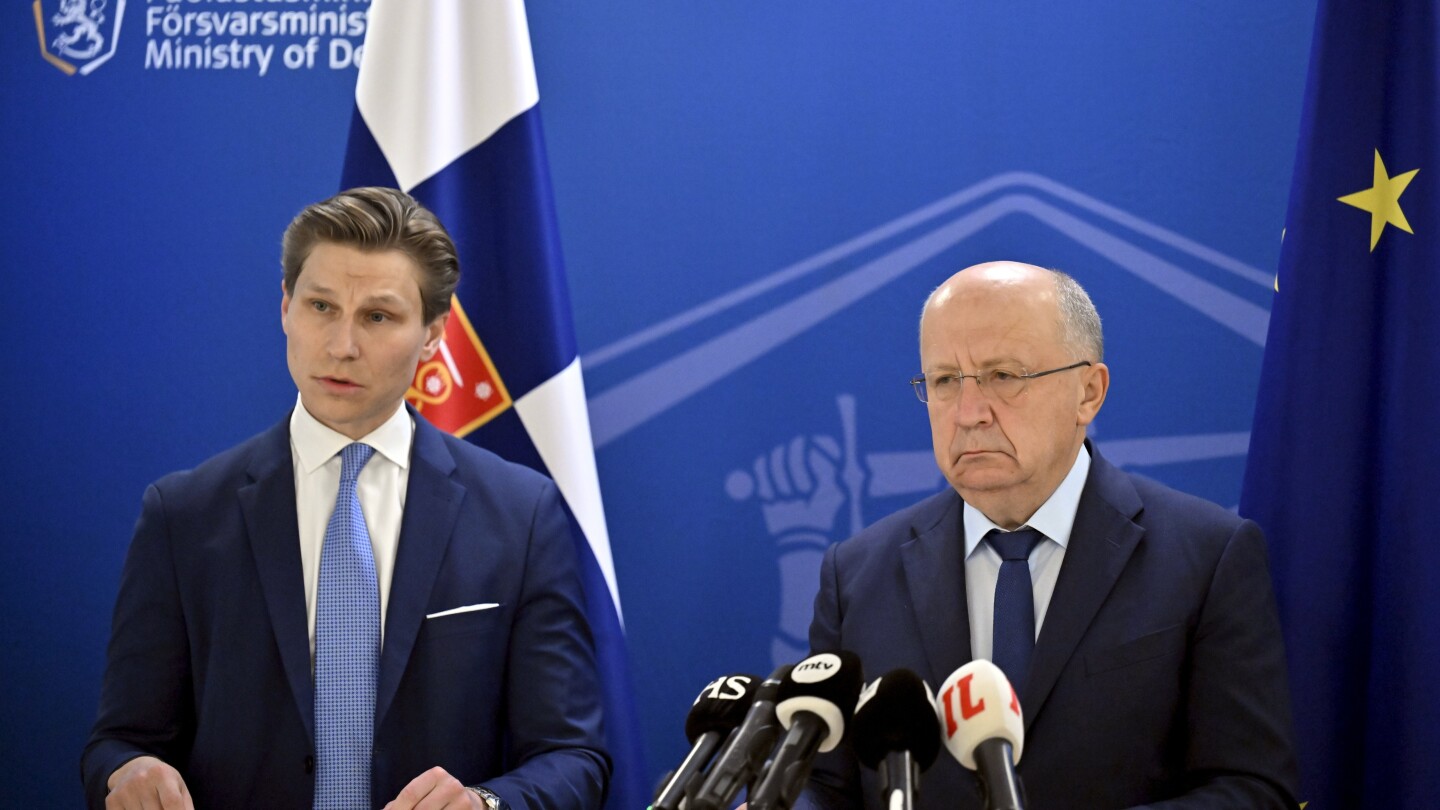
Denmark plans to acquire long-range strike weapons to enhance its deterrence capabilities and contribute to NATO's collective defense, following a government decision to invest in advanced missile systems and integrate them into its armed forces, with potential options including Tomahawk missiles and JASSM-ER, aligning with broader European efforts to develop long-range strike capabilities.
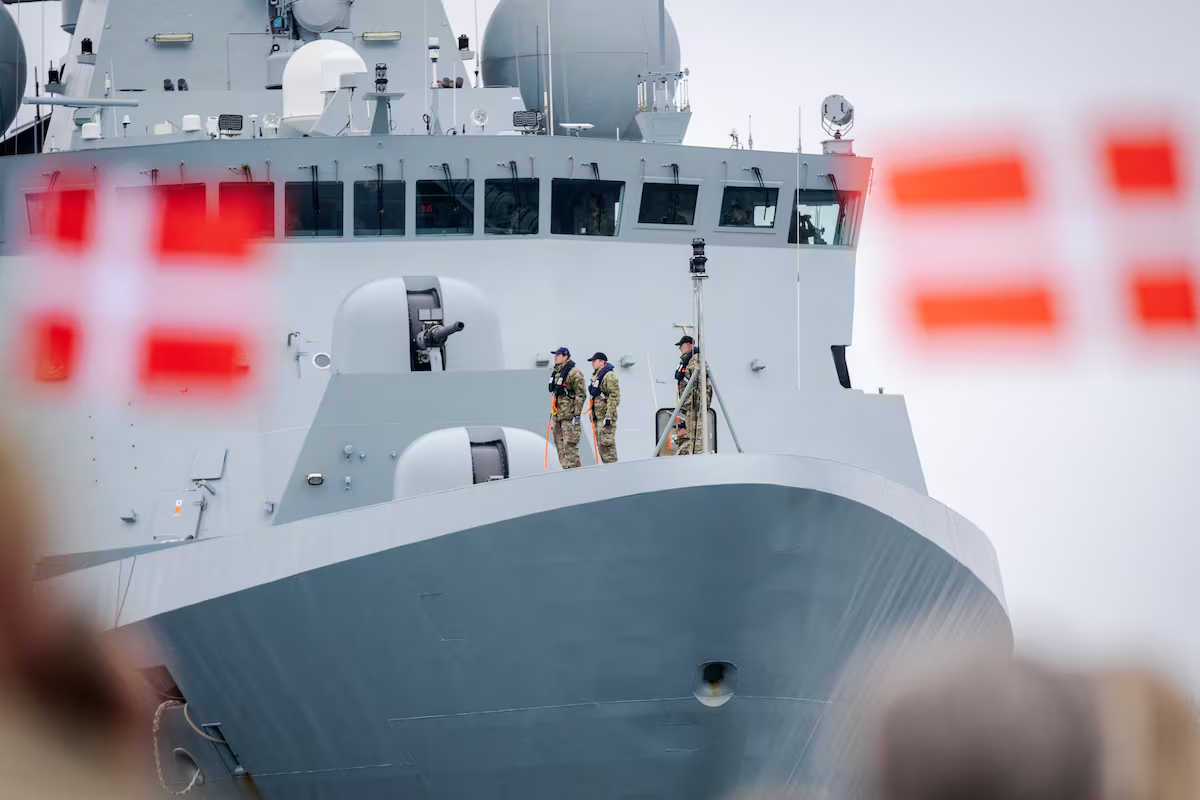
Denmark has chosen the European SAMP-T air defense system over the US-made Patriot due to higher costs and longer delivery times, as part of its largest-ever defense investment prompted by recent conflicts and the need for rapid, layered air defenses across the country.
Drones launched by Ukraine targeted multiple regions in Russia, including Moscow and St. Petersburg, causing fires and disruptions, amid ongoing tensions and recent Russian attacks on Ukraine and Poland, prompting European interest in Ukrainian anti-drone systems.
European defense factories are expanding three times faster since Russia's invasion of Ukraine, driven by increased defense spending and support for Ukraine, with notable growth at ammunition and missile production sites, especially in Hungary and supported by EU programs, amid ongoing geopolitical tensions.
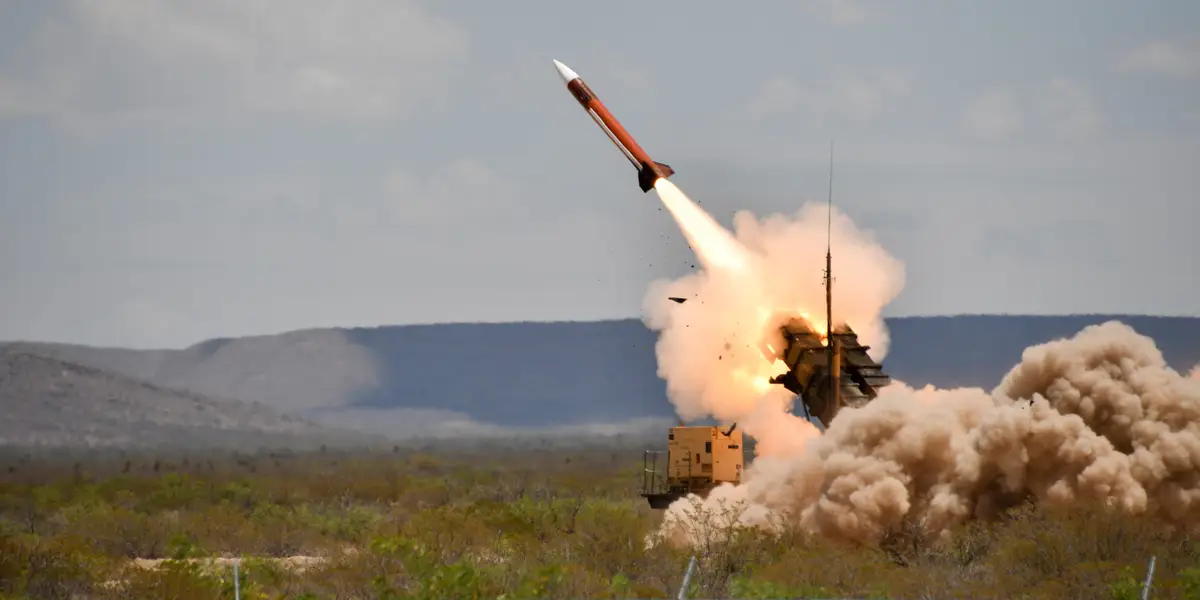
The US is reprioritizing its Patriot missile system deliveries to support Ukraine, causing delays for Switzerland's planned shipments, as European nations send more air defense systems to Ukraine amid ongoing conflict with Russia. This shift aims to bolster Ukraine's defenses, with some US weapons being sold to European countries for transfer to Ukraine, reflecting increased Western support for Ukraine's military efforts.
A U.S. general emphasizes the need for NATO to acquire more long-range missiles to effectively deter Russia, which is expected to increase its missile production. The war in Ukraine has highlighted Europe's dependence on U.S. missile capabilities, prompting NATO members to boost defense spending and develop new missile systems, including joint European projects.
NATO is seeking more long-range missiles to counter Russia's increasing production and use of such weapons, especially in the context of the Ukraine conflict. The US plans to deploy these missiles in Europe, with discussions ongoing about the deployment's future, amid concerns from Russia and efforts by European nations to enhance their missile capabilities.
European countries are planning to nearly double their military spending over the next decade to boost their defense industries, but they face challenges in developing high-end alternatives to U.S. military technology like the F-35, leading to a strategic debate between building domestic capabilities and maintaining reliance on American technology. A mixed approach is emerging, balancing increased investment with continued dependence on U.S. defense systems, amid concerns about future access to critical software and technology updates.