Carnival Celebrations Light Up Pasto, Colombia
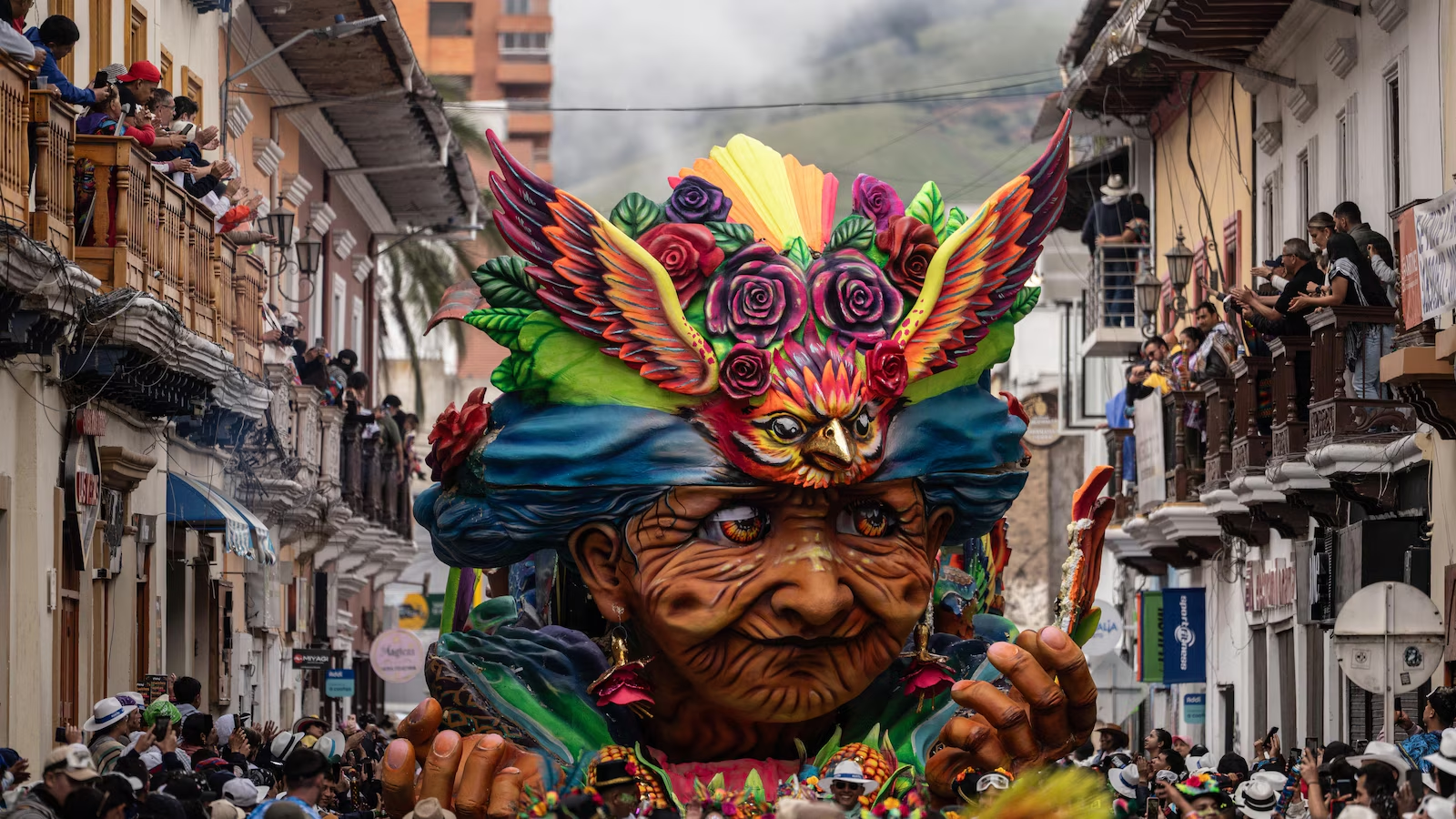
Revelers in Pasto, Colombia, celebrated the Black and White Carnival with parade floats and costumes, an event recognized by UNESCO as Intangible Cultural Heritage.
All articles tagged with #unesco

Revelers in Pasto, Colombia, celebrated the Black and White Carnival with parade floats and costumes, an event recognized by UNESCO as Intangible Cultural Heritage.

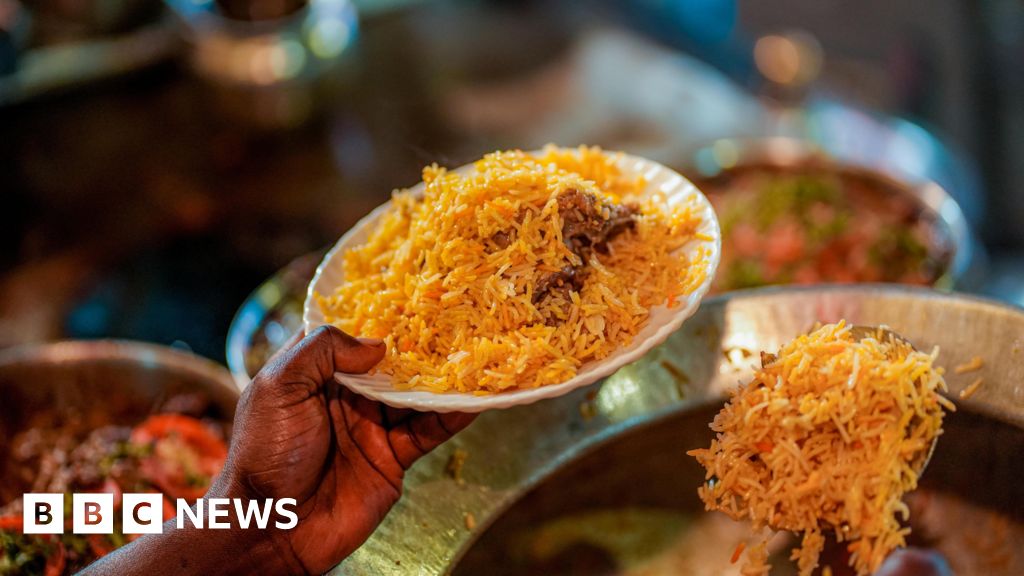
Lucknow has been recognized as a UNESCO Creative City of Gastronomy, highlighting its rich culinary heritage known for kebabs, biryani, and unique desserts, rooted in its historical Nawabi culture and slow-cooking techniques, which attract food lovers worldwide.

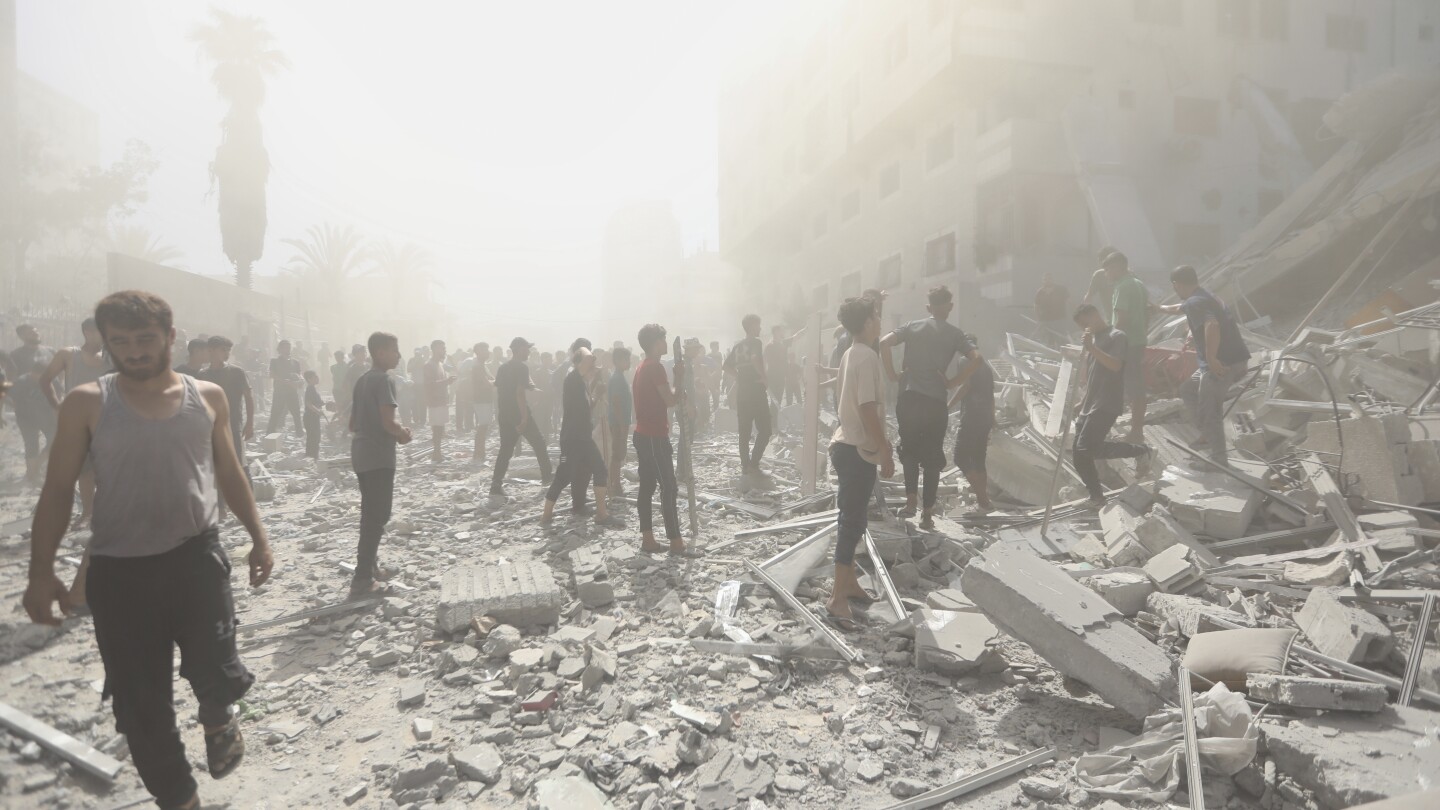
Aid workers in Gaza conducted a last-minute rescue of priceless artifacts from a warehouse before it was destroyed by an Israeli airstrike, highlighting the urgent efforts to preserve cultural heritage amid ongoing conflict, despite the challenges and risks involved.

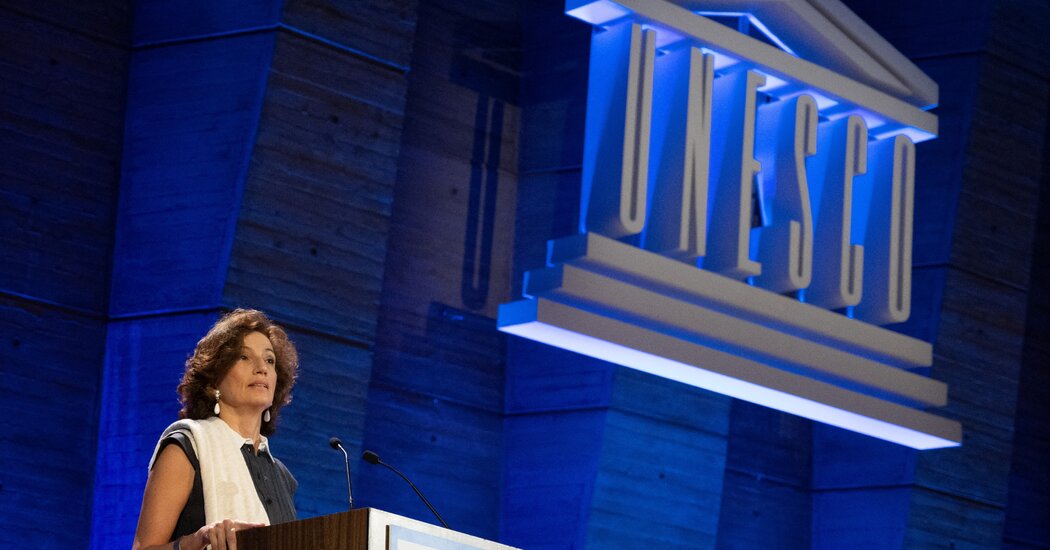
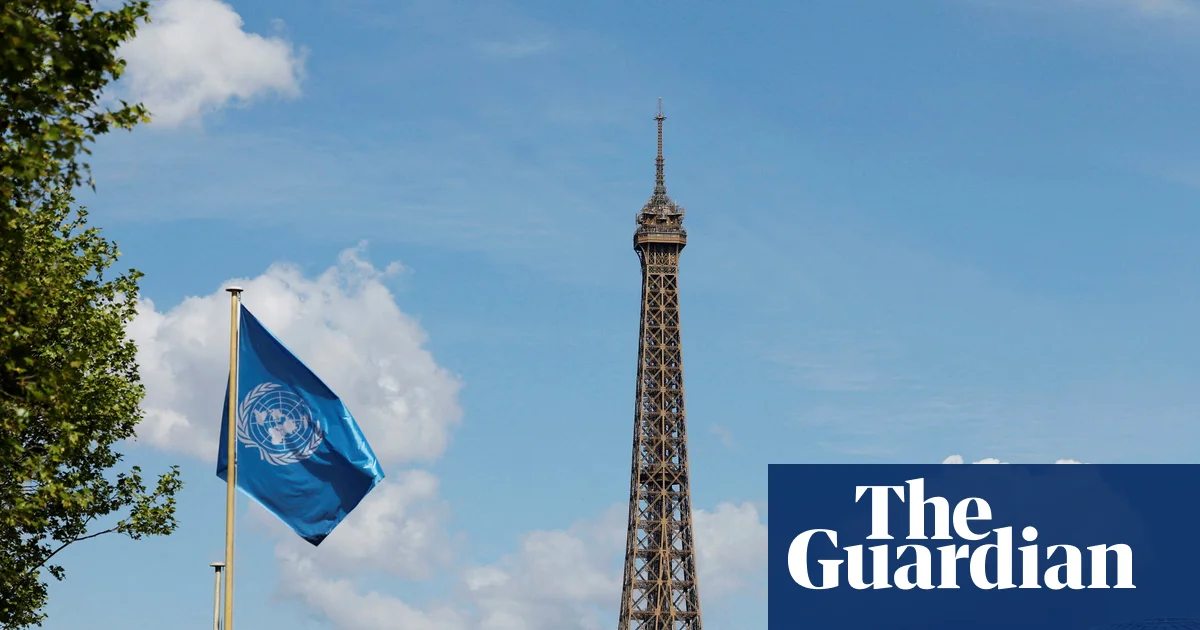
The United States announced it will withdraw from UNESCO by the end of 2026, citing concerns over bias and ideological conflicts, marking a return to previous disengagements and reflecting broader US skepticism towards multilateral organizations. The move follows a history of US withdrawals and re-engagements with UNESCO, and is driven by political disagreements, especially regarding Israel and Palestine, as well as ideological differences. Despite the withdrawal, UNESCO states the financial impact will be minimal as US contributions account for only 8% of its budget.

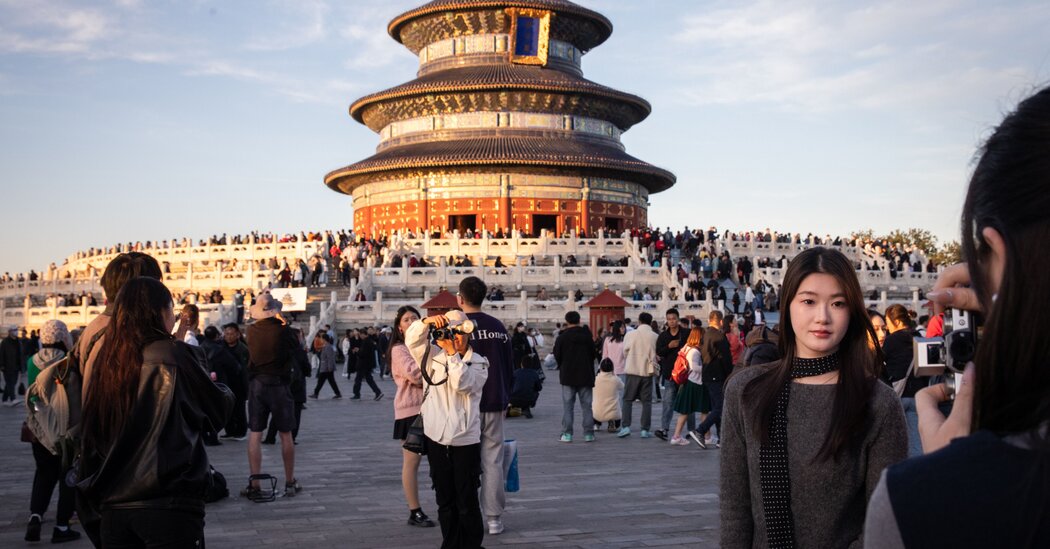
The article discusses China's increasing influence over UNESCO following the US's withdrawal, highlighting efforts to shape cultural and educational policies, expand Chinese heritage sites, and use UNESCO as a tool for soft power, while the US retreats from international organizations under Trump.

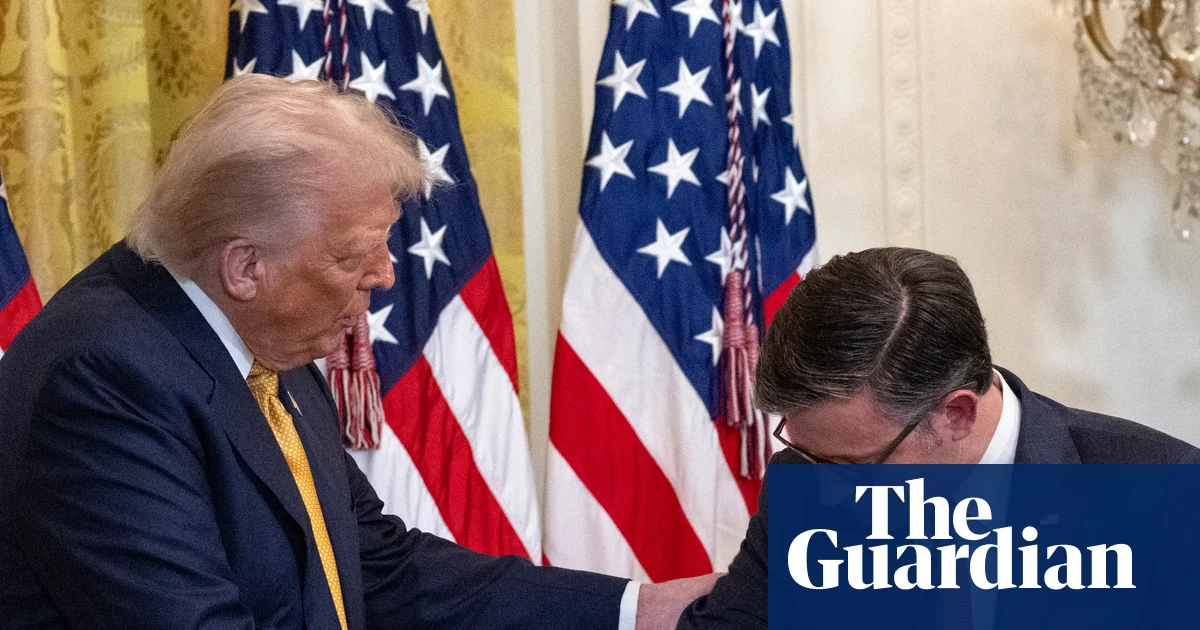
The US House of Representatives called an early summer recess amid tensions over Trump's alleged ties to Jeffrey Epstein, while Trump made headlines with claims about CBS, announced a Japan trade deal, and withdrew the US from Unesco. Other notable events include Obama’s response to Trump’s accusations, Coca-Cola launching a cane sugar product, and GM reporting tariff impacts.

The US is withdrawing from UNESCO for the third time, citing anti-Israel bias and ideological issues, which reduces US influence in global organizations and may benefit China, with the withdrawal effective by 2026.

The U.S. will withdraw from UNESCO by the end of 2026, citing concerns over divisive social causes and Palestine's membership, reversing its 2023 reentry after previously leaving in 2018 due to similar issues, with the move impacting global cultural and heritage sites.

The United States announced its decision to withdraw from UNESCO, citing concerns over the organization's focus on divisive social causes, its alignment with a globalist agenda, and its decision to admit Palestine as a member, which conflicts with U.S. policy. The withdrawal will take effect on December 31, 2026, but the U.S. will remain a full member until then.

The US announced it will withdraw from Unesco by December 2026, citing concerns over the organization's focus and anti-Israel bias, marking the third time the US has left the agency since its founding. The decision aligns with Trump's broader strategy to pull out of international organizations, despite Unesco's efforts in education and cultural preservation. The move is seen as a blow to Unesco, though the financial impact is limited due to US contributions constituting about 8% of its budget.

Twenty-six new sites have been added to UNESCO's World Heritage List, including locations like Orango National Park in Guinea-Bissau, historic sites in Germany and Jamaica, and memorials in Cambodia, highlighting their cultural and natural significance. The list now totals 1,248 sites worldwide, with countries committing to their preservation and potentially receiving funding for conservation efforts.

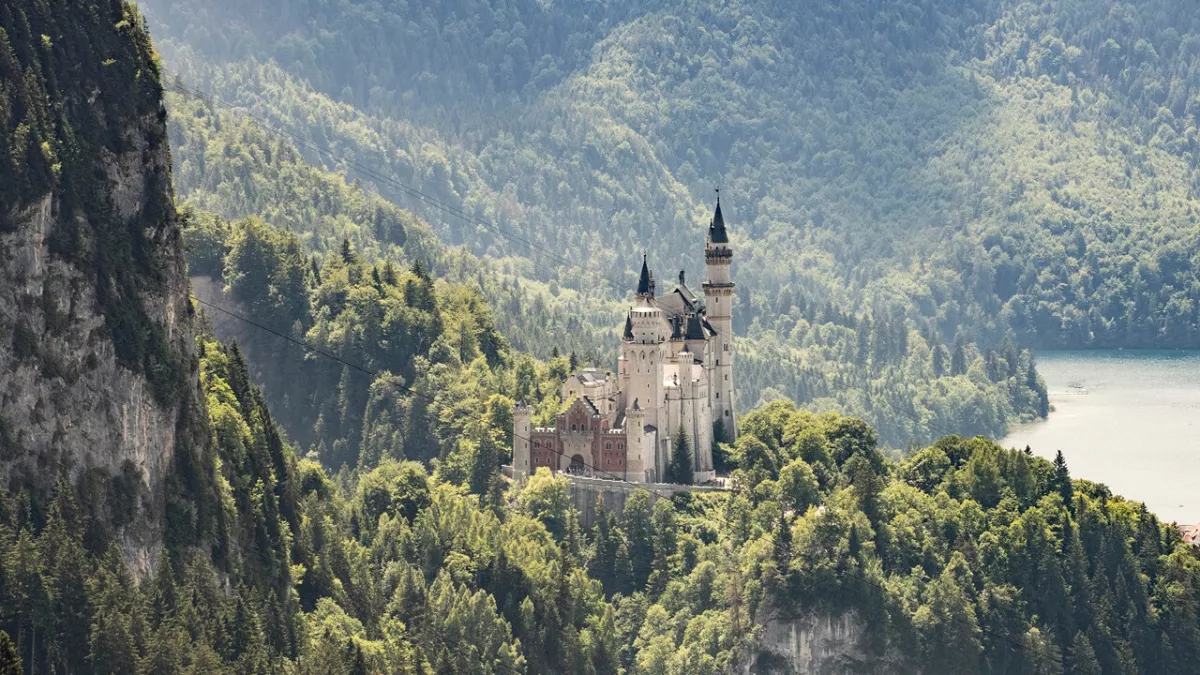
UNESCO has added new sites to its World Heritage list, including Bavaria's fairy tale castles, the Carnac Megaliths in France, Minoan Palaces in Crete, and sites related to Cambodia's Khmer Rouge regime, highlighting their cultural and historical significance while emphasizing the importance of sustainable tourism management.

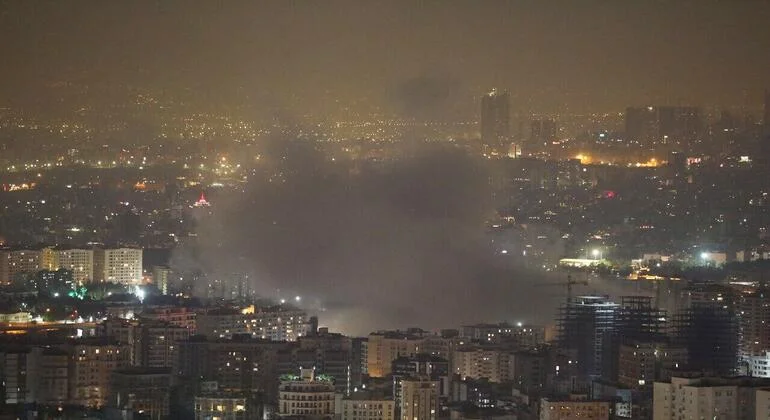
Israeli forces and Hizbollah are engaged in intense fighting around a 12th-century crusader castle in Chamaa, Lebanon, marking one of Israel's deepest advances into the country since its September ground invasion. The conflict has resulted in casualties on both sides, including the death of an Israeli civilian, and has led to damage in the area, including concerns over a religious shrine. The UN's cultural agency UNESCO has placed the Chamaa citadel under enhanced protection. Despite Israeli advances, Hizbollah continues to use insurgent tactics and fire rockets into northern Israel.

Archaeologists are warning of the potential risk to Lebanon's ancient Roman ruins in Baalbek and Tyre due to Israeli air strikes targeting Hezbollah. Although no damage to the sites has been reported, the proximity of the strikes has raised concerns about the preservation of these UNESCO World Heritage sites. The Israeli Defense Forces claim to target only military sites, but the strikes have been alarmingly close to these historical landmarks, prompting fears of accidental damage. The situation highlights the broader impact of conflict on cultural heritage.

Officials in China's Henan province have admitted that the Yuntai Falls, touted as the country's tallest uninterrupted waterfall, is partially fed by a concealed network of water pipes to enhance its flow during dry seasons. This revelation came after a hiker's video showing water gushing from pipes went viral on social media, sparking public consternation. The enhancement aims to ensure a consistent and appealing visitor experience, though it raises questions about the authenticity of the natural attraction and its compliance with UNESCO conservation guidelines.