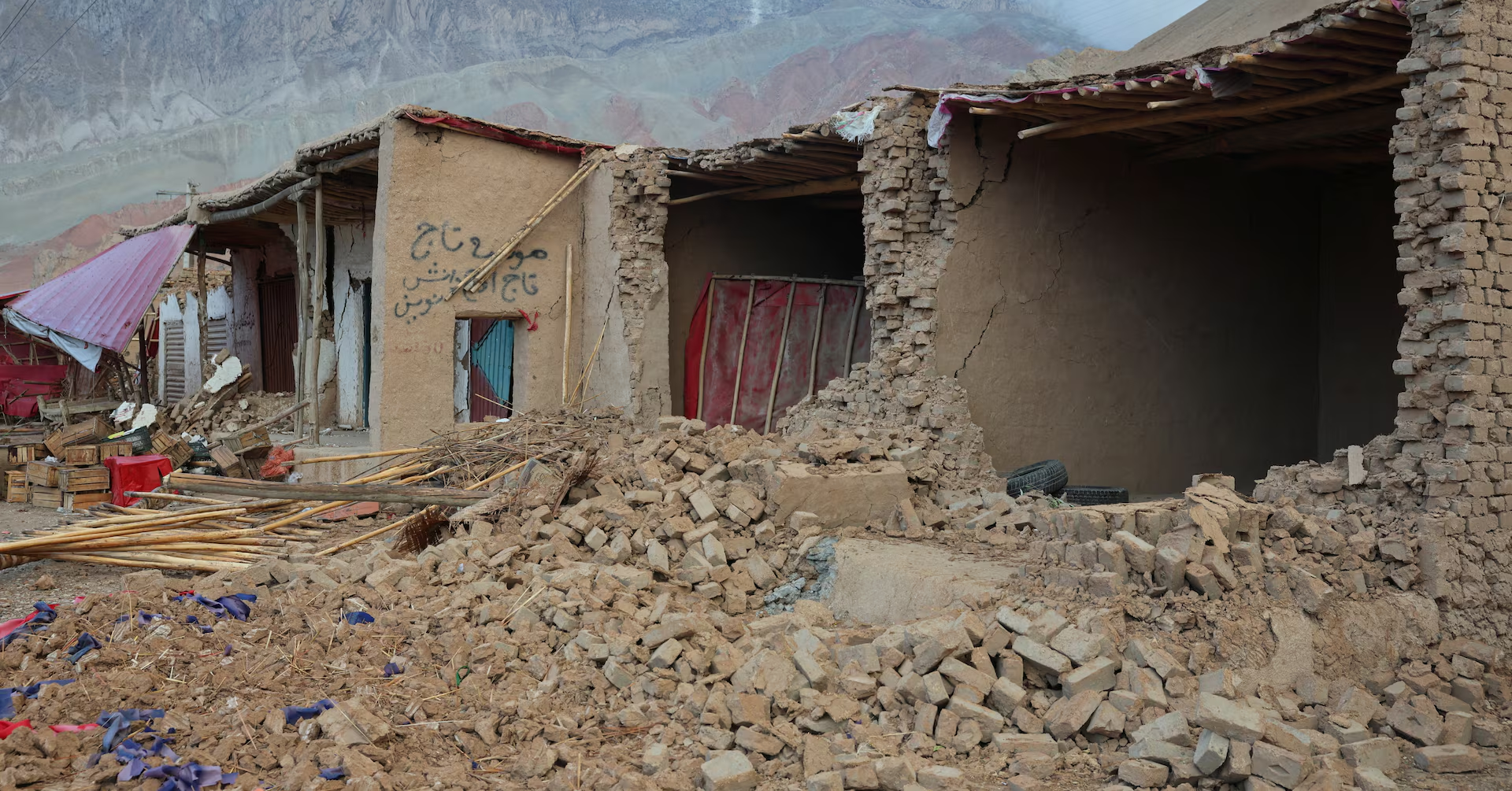
India is increasing aid and diplomatic efforts in Taliban-ruled Afghanistan following a devastating earthquake, aiming to build goodwill and counter China's influence, as both countries seek to deepen engagement with the Taliban amidst regional tensions and humanitarian needs.
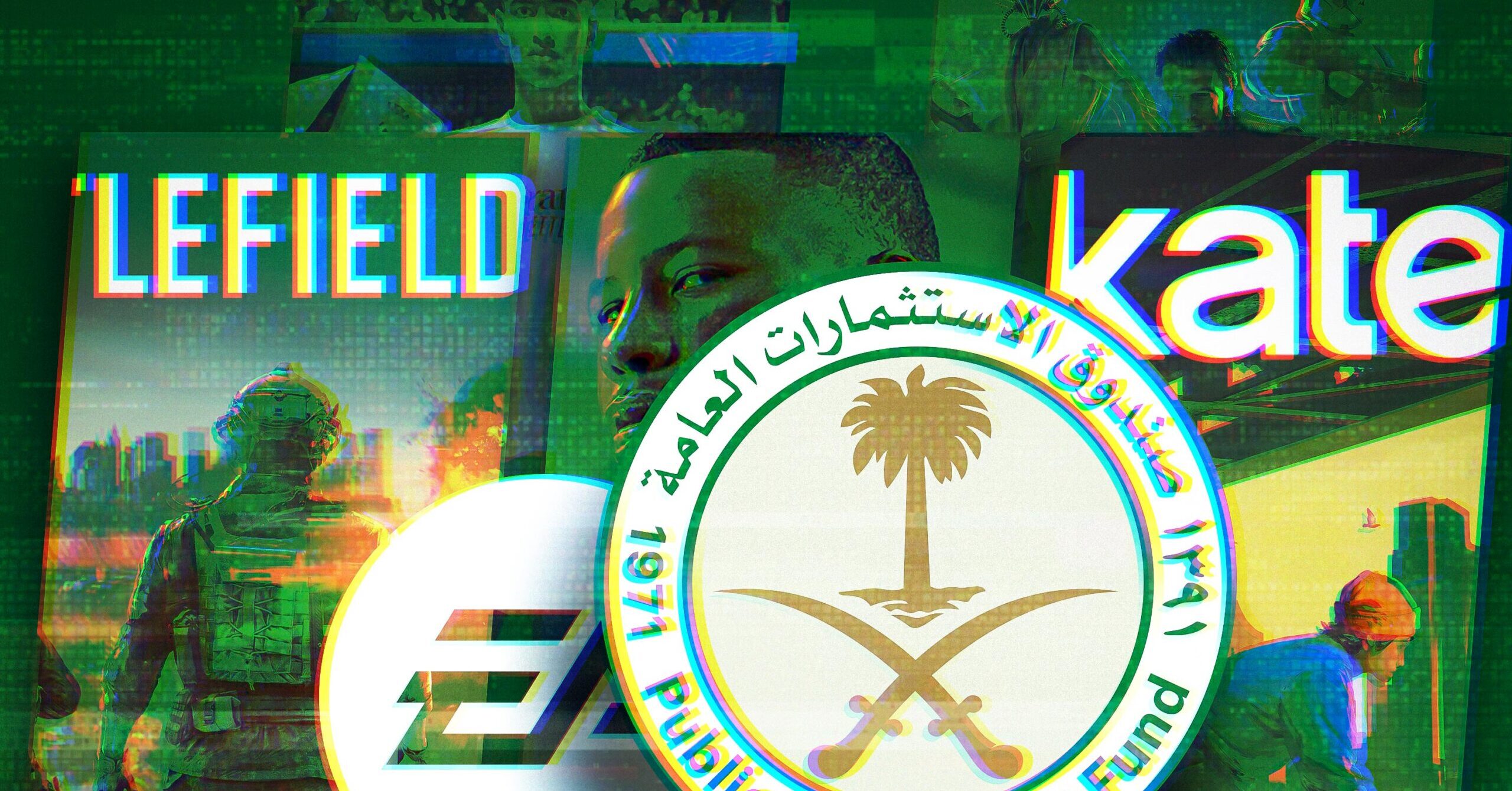
Saudi Arabia, through a consortium including the Public Investment Fund and brokered by Jared Kushner, has acquired Electronic Arts for $55 billion, marking a significant cultural and geopolitical move to expand its soft power via investments in sports, entertainment, and gaming, amidst ongoing debates about ethics and influence in global culture.
Saudi Arabia's Public Investment Fund is acquiring EA for $55 billion, a move seen as part of its strategy to enhance soft power and diversify its economy beyond oil, with significant implications for the gaming industry and geopolitical influence.
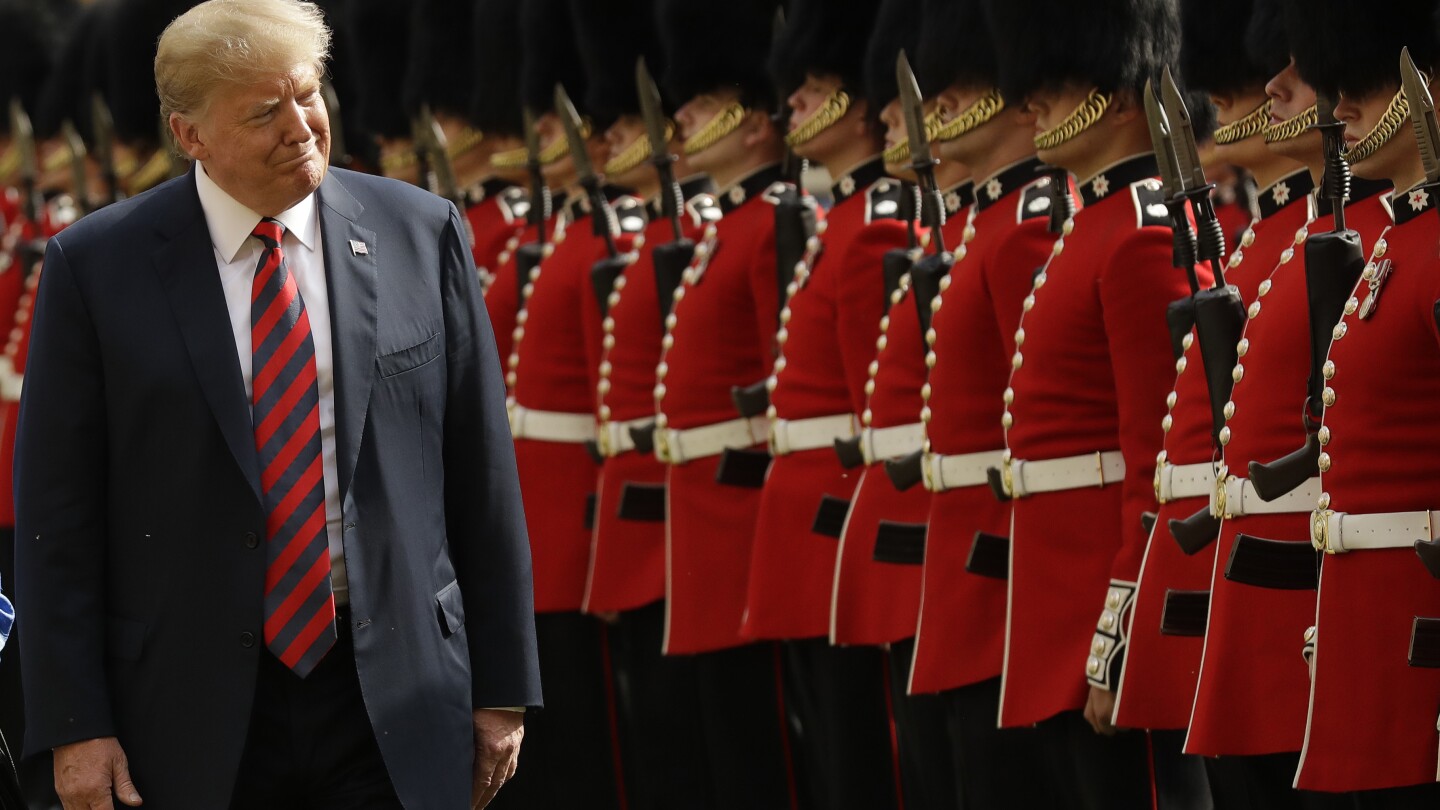
Windsor Castle is preparing for U.S. President Donald Trump's second state visit to Britain, a event showcasing royal pomp and ceremony aimed at strengthening UK-US relations amid complex geopolitical issues. The visit includes traditional ceremonies, a state banquet, and discussions on trade and security, highlighting the monarchy's role as a tool of soft power to foster diplomatic ties.
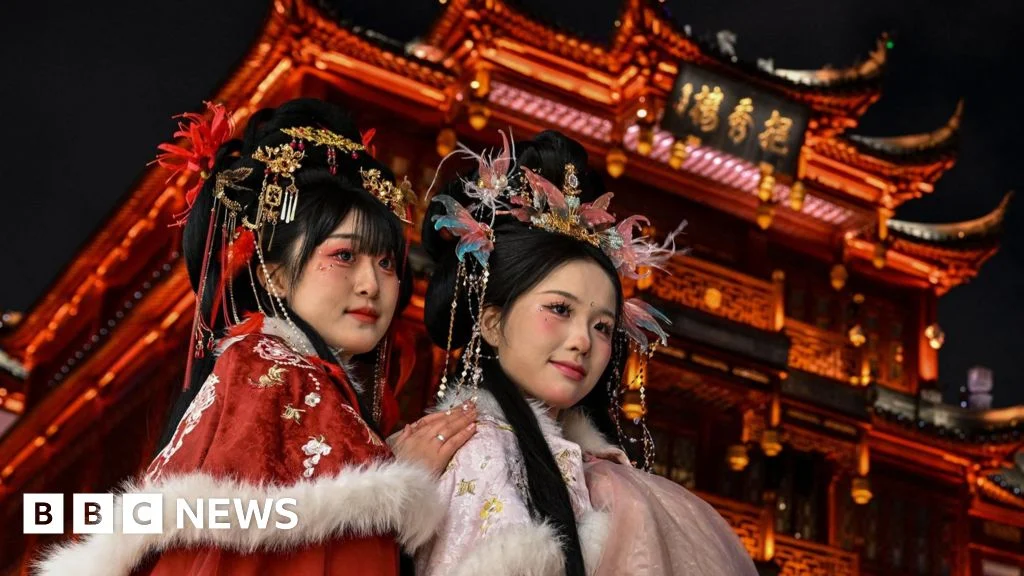
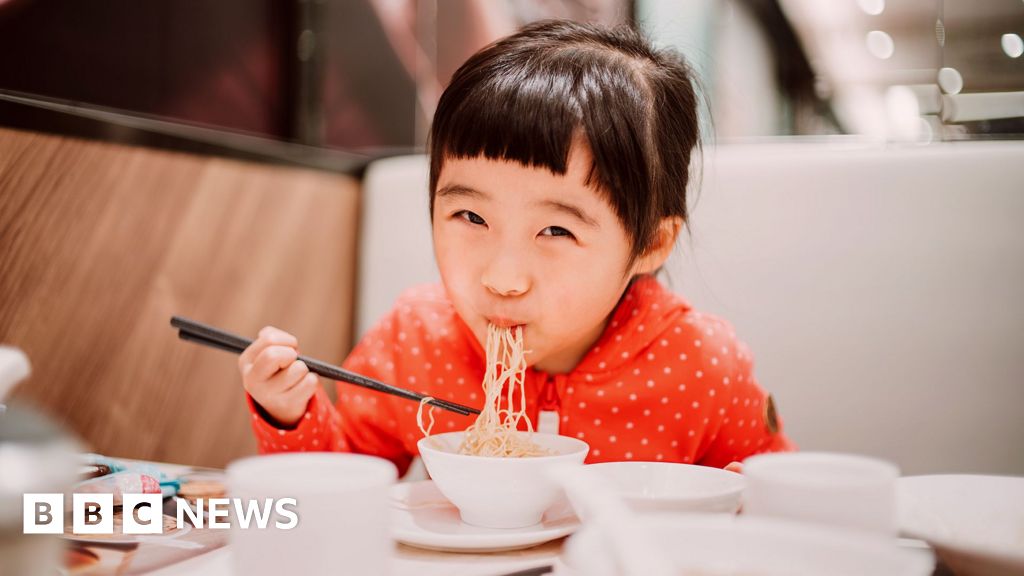
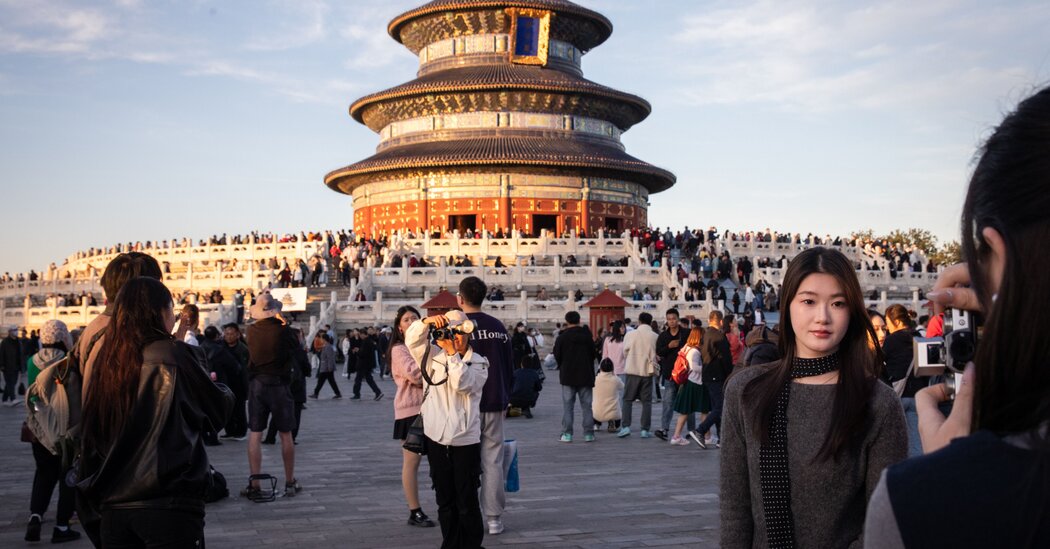
A new wave of Chinese restaurants is expanding globally, especially in Singapore, showcasing the country's diverse culinary traditions beyond stereotypes, and serving as a form of soft power to improve China's international image amidst geopolitical tensions.
China is leveraging open-source AI models like DeepSeek R1 and Moonshot AI's Kimi K2 to expand its global influence and challenge U.S. dominance in AI, using soft power strategies that promote accessibility and customization, especially in developing countries. The U.S. must adapt by fostering open AI ecosystems and recalibrating export controls to maintain its leadership and influence in the evolving AI landscape.
The article discusses China's increasing influence over UNESCO following the US's withdrawal, highlighting efforts to shape cultural and educational policies, expand Chinese heritage sites, and use UNESCO as a tool for soft power, while the US retreats from international organizations under Trump.
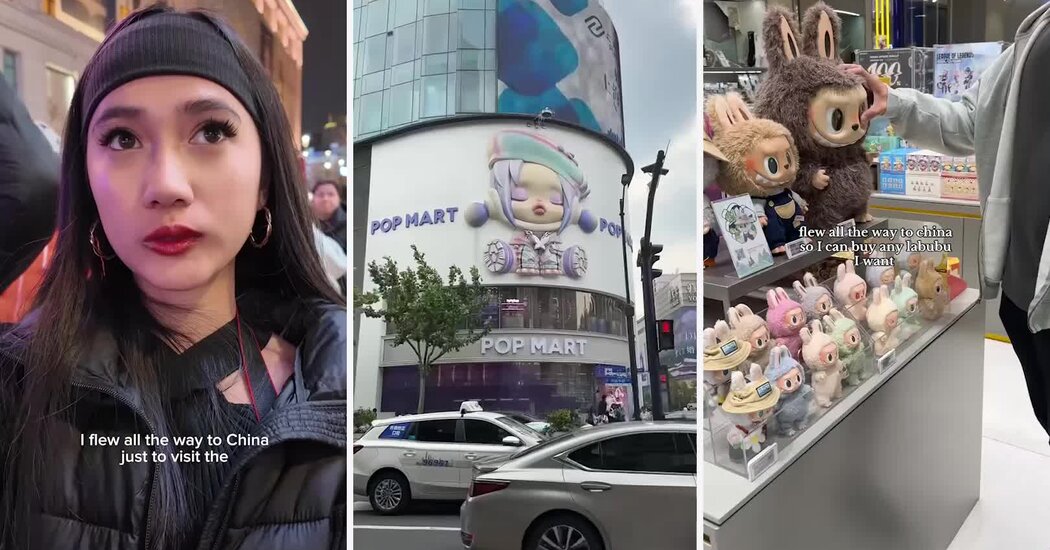
The viral popularity of Labubu, a quirky Chinese plushie, symbolizes China's growing soft power and cultural influence worldwide, amidst a broader trend of Chinese products and brands gaining international recognition, despite ongoing political and ideological challenges.
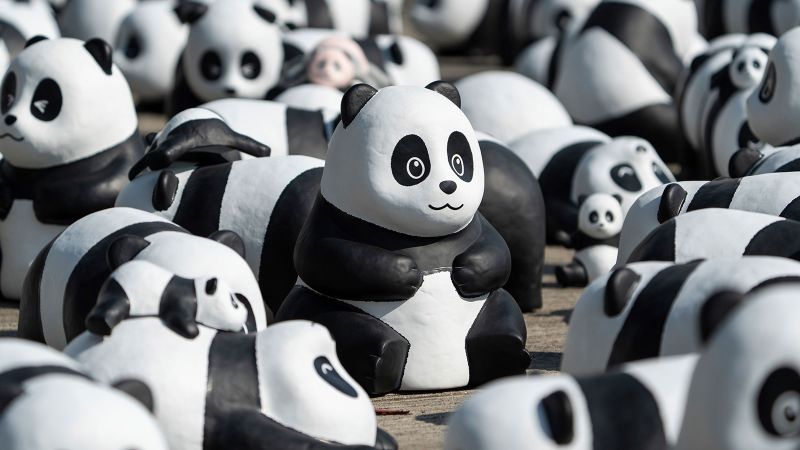
Hong Kong is set to display 2,500 panda sculptures as part of the PANDA GO! FEST HK, capitalizing on the local enthusiasm for pandas following the birth of twin cubs at Ocean Park. The exhibition aims to boost tourism and the local economy, with sculptures made from recycled materials and special designs by figures like Pharrell Williams. The initiative reflects Hong Kong's strategy to leverage pandas, considered China's unofficial national mascot, as a tool for economic and diplomatic engagement.
China's charm campaign, aimed at improving its global image and influence, has failed to yield desired results. Despite investing heavily in diplomacy and soft power initiatives, China continues to face criticism and skepticism from the international community. Its aggressive actions in the South China Sea, human rights abuses, and lack of transparency have undermined its efforts to win over hearts and minds.
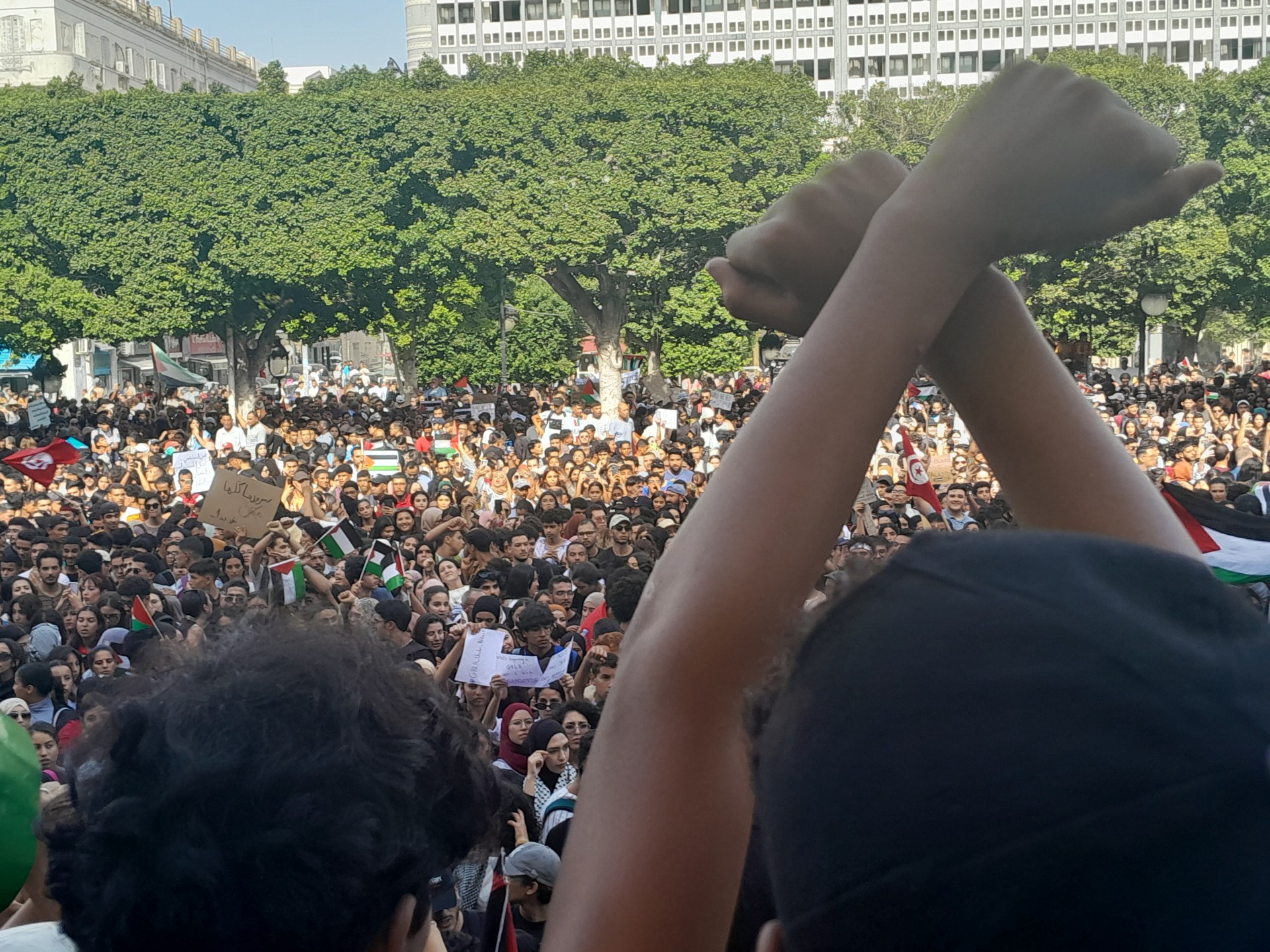
Outrage is growing in the Arab world over the Israeli assault on Gaza, particularly after the bombing of al-Ahli Arab Hospital. Protesters in Beirut, Tunis, and Cairo are confronting tear gas and water cannons as they express anger towards the West and its unwavering support for Israel. Activists argue that Western soft power in the region, including cultural influence and funding civil society, is being rejected due to perceived Western hypocrisy in prioritizing Israeli lives over Palestinian lives. Western influence in Tunisia and the wider Middle East and North Africa (MENA) region is facing pushback, with NGOs refusing US funding and a proposed law limiting NGO independence gaining traction. The perception of double standards and Western support for Israel is undermining the West's credibility in promoting liberal democracy and human rights in the region. European soft power in the Middle East may decline further as people see it disregarding its professed values.
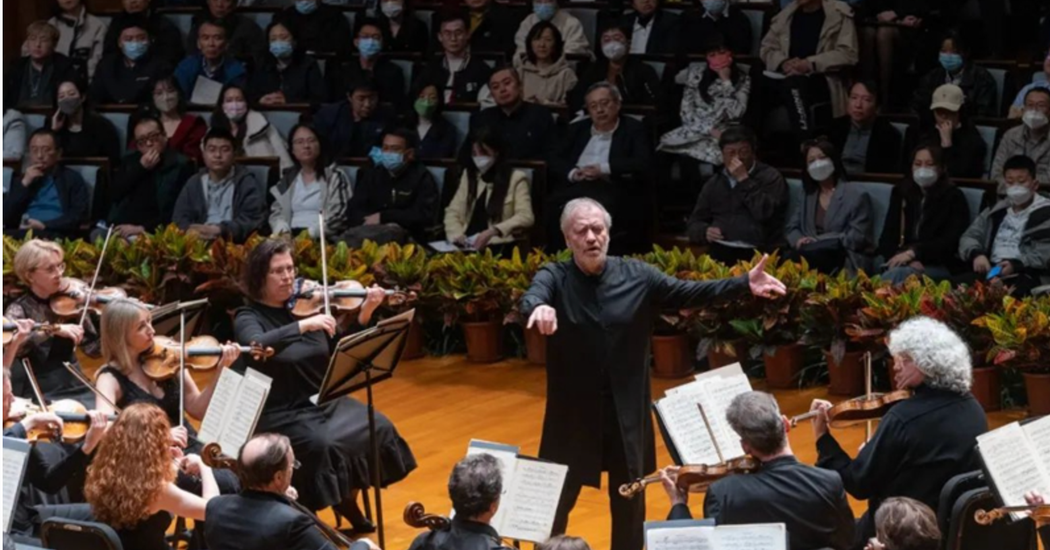
Russian artists who are shunned in the West due to their alignment with President Vladimir Putin are finding a warm welcome in China, as Russia seeks to rebuild its soft power and cultural ties with friendly nations. The Mariinsky Orchestra, led by Valery Gergiev, recently completed its first foreign tour since Russia invaded Ukraine, receiving a hero's welcome in Beijing. While Russia's attempts to use culture to soften its image abroad face significant challenges, even in friendly countries, experts say, China's legions of concertgoers and skepticism of Western ideals make it an attractive market for Russian artists aligned with Mr. Putin.