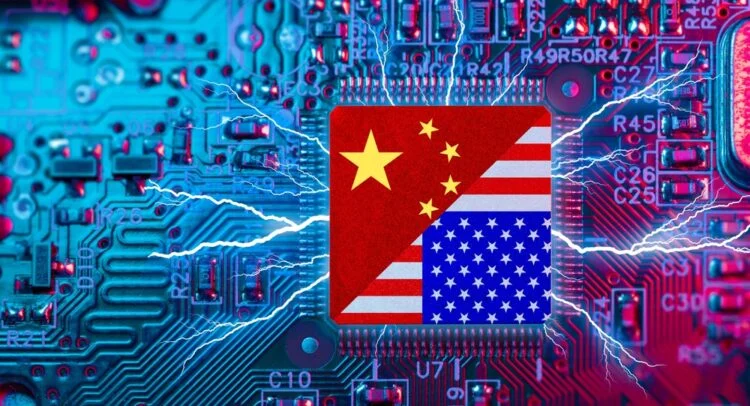
Trump Blocks Chinese Chip Deal Over Security Concerns
Even a $3 million semiconductor deal can prompt the US to scrutinize national security concerns, highlighting the sensitive nature of technology transactions in today's geopolitical climate.

All articles tagged with #us security
Even a $3 million semiconductor deal can prompt the US to scrutinize national security concerns, highlighting the sensitive nature of technology transactions in today's geopolitical climate.
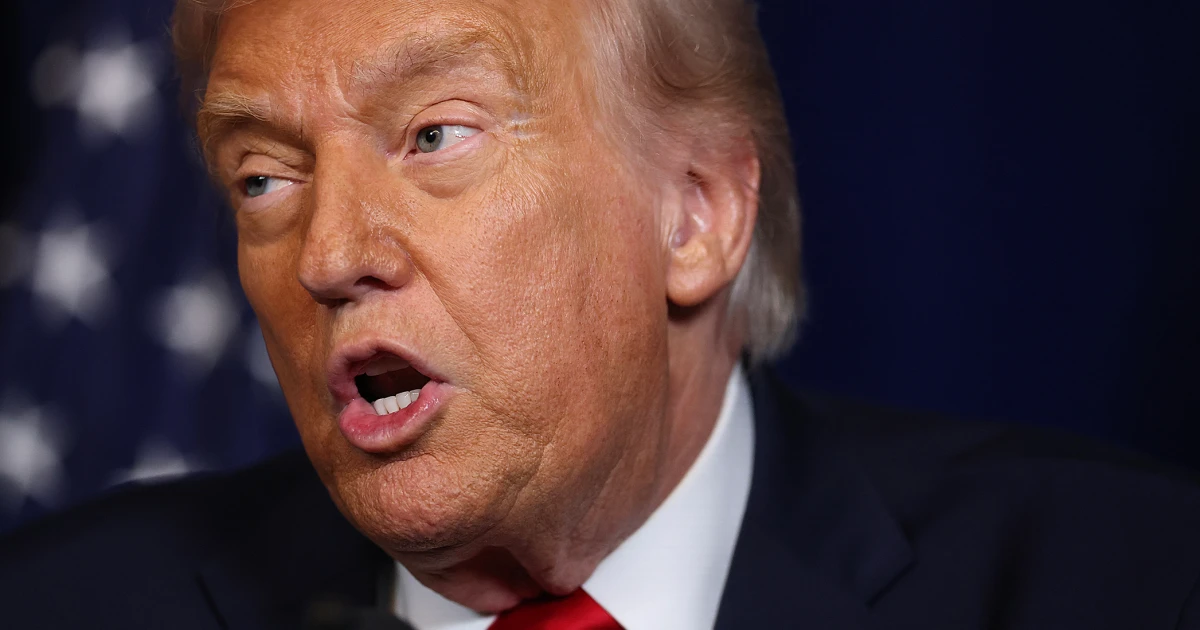
President Donald Trump ordered HieFo Corp. to divest a $2.9 million computer chips deal with Emcore, citing national security concerns and the company's Chinese citizenship, demanding the technology be sold within 180 days.
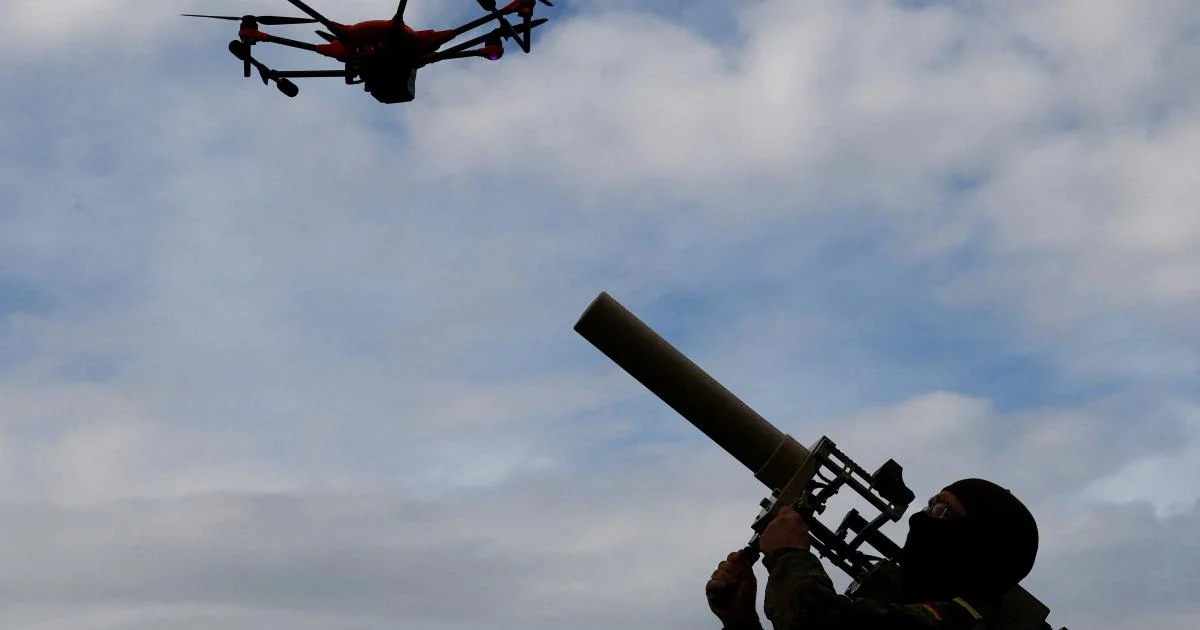
The article highlights the growing threat of drones to U.S. security, emphasizing recent drone attacks in Ukraine as a warning. It discusses current vulnerabilities in U.S. drone defense systems, the need for comprehensive detection and mitigation strategies, and the importance of international cooperation and legislative action to enhance national security against drone threats. Urgent steps are required to develop layered defenses, close regulatory gaps, and address supply chain risks, or the U.S. risks facing a preventable crisis.
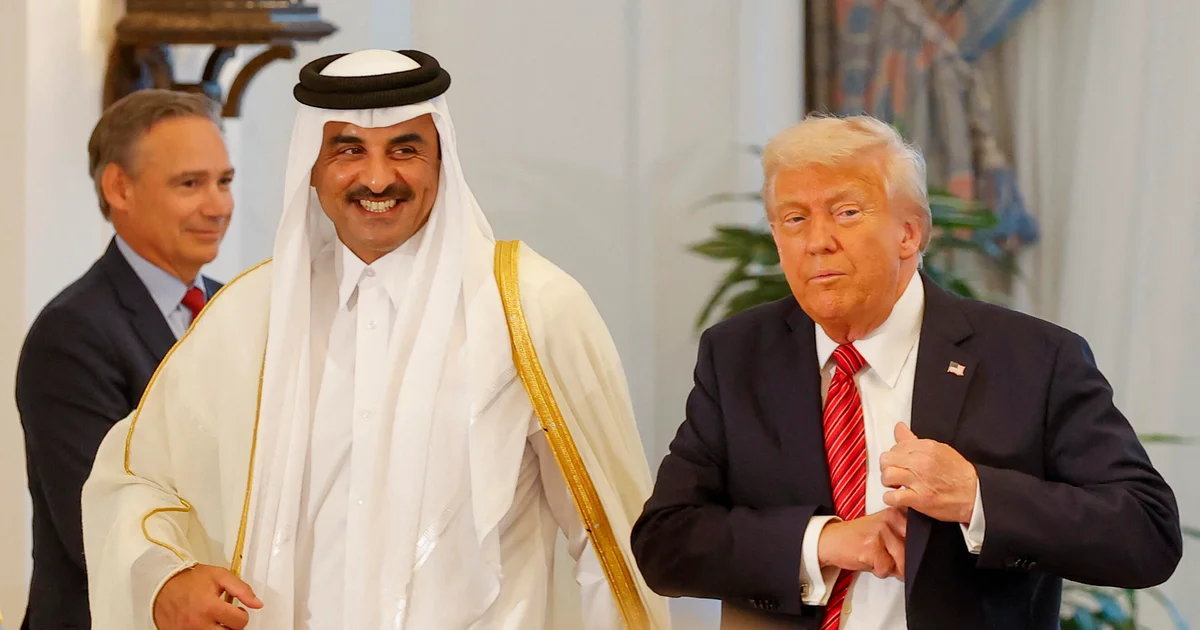
President Trump signed an executive order declaring that any attack on Qatar would be considered a threat to U.S. security, in response to recent Israeli strikes on Doha and ongoing tensions in the Middle East, especially related to Gaza and Hamas.
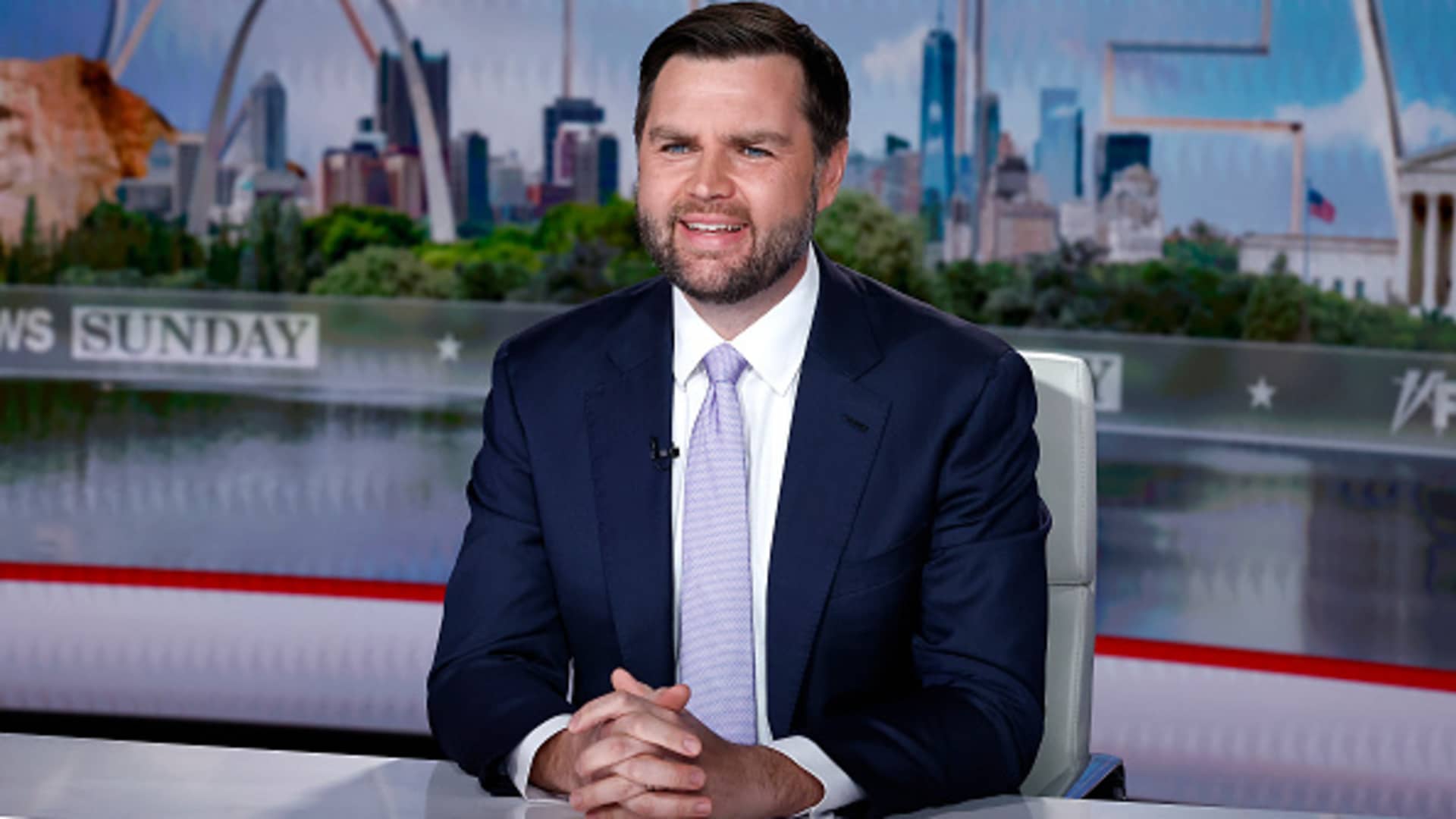
JD Vance expressed confidence that the U.S. has successfully separated TikTok from its Chinese parent company ByteDance, establishing a deal that gives American investors control over data security and reduces Chinese influence, amid ongoing concerns about data privacy and foreign propaganda.
Oracle will lead US oversight of TikTok's algorithm and security under a deal involving a joint venture with Silver Lake and possibly other billionaires, aiming to address US national security concerns and separate TikTok from its Chinese parent ByteDance, with the US controlling the algorithm and data security.
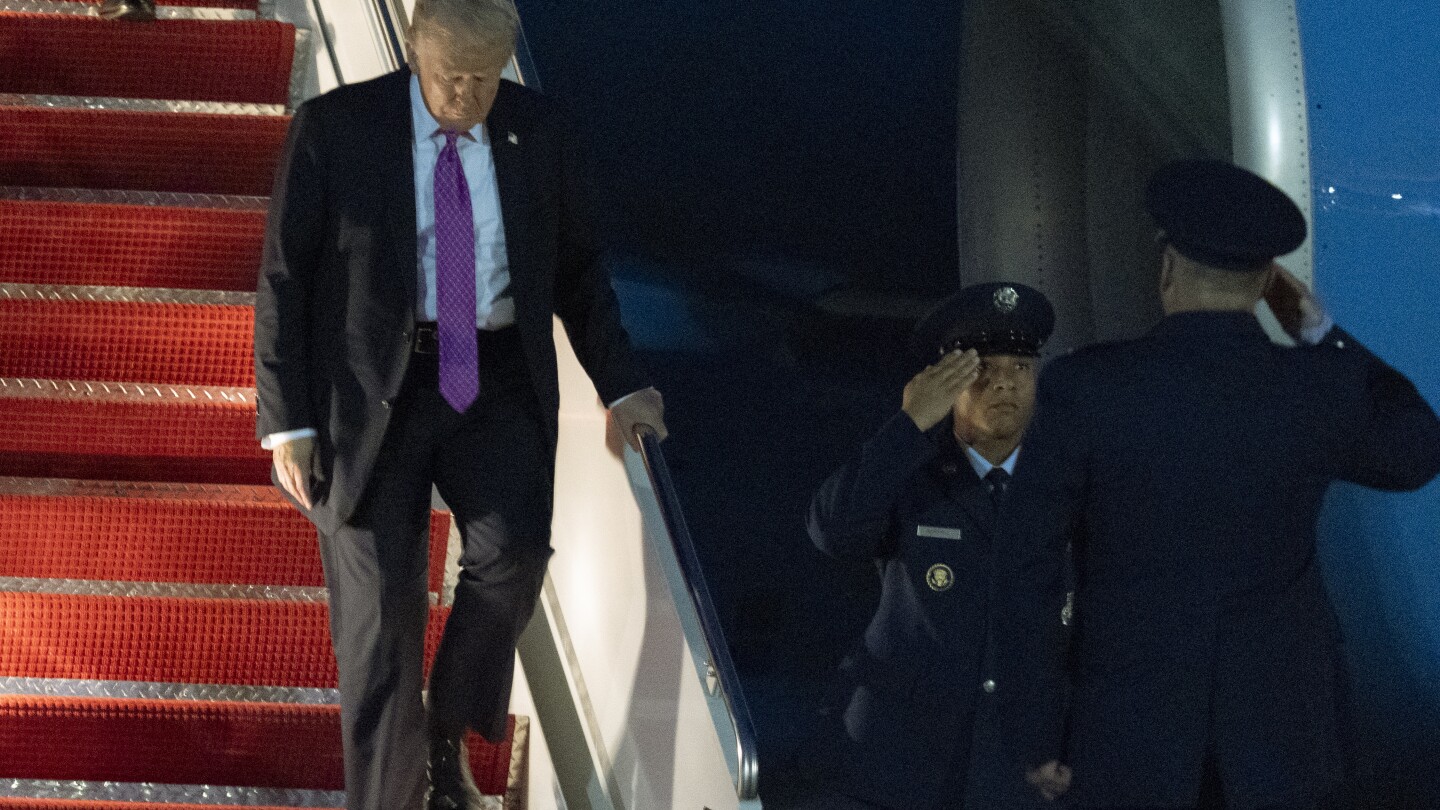
President Trump announced a second U.S. military strike on a boat from Venezuela suspected of carrying drugs, resulting in three deaths, amid ongoing concerns over drug trafficking and questions about the legality of such actions.
The US is indicating a limited role in Ukraine's security, with European countries expected to take the lead on the ground, and US support being uncertain and less committed, reflecting a complex and cautious approach to the Ukraine conflict.
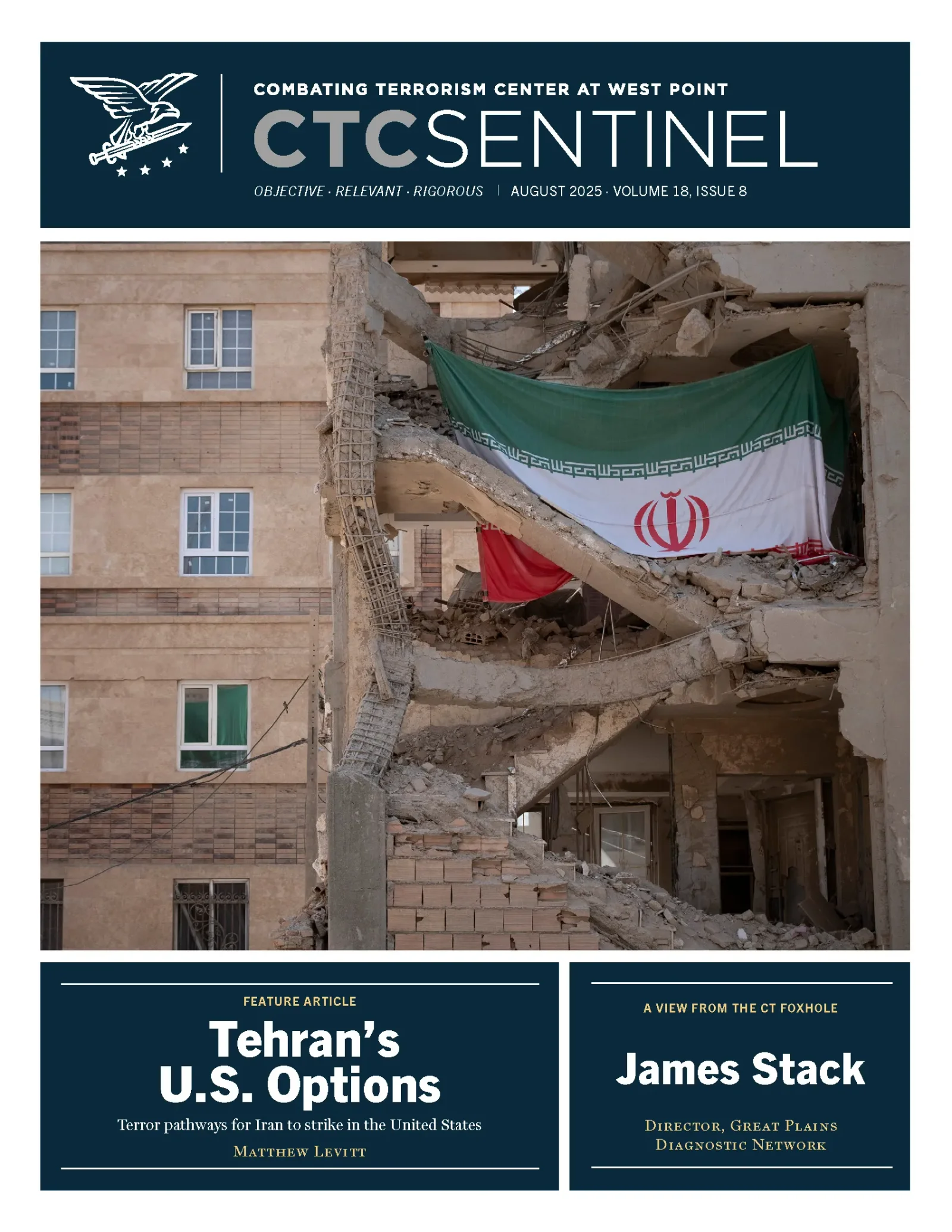
The article discusses Iran's ongoing threat to carry out or enable terrorist attacks in the United States through agents, proxies, or inspired lone offenders, especially in response to recent conflicts and setbacks, highlighting the persistent and evolving nature of Iran's covert operations and the high alert status of U.S. authorities.
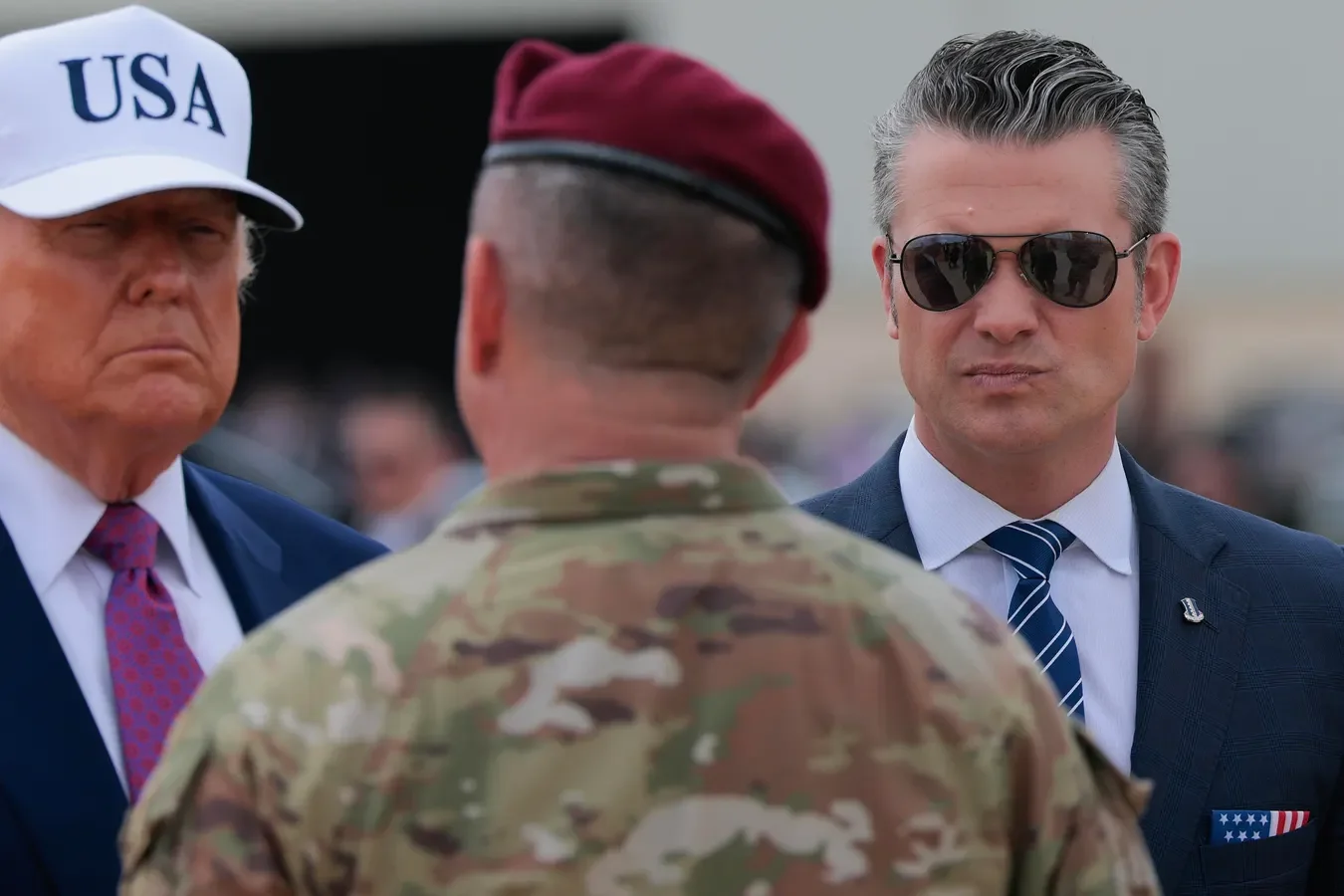
The Pentagon has taken a significant step to reduce US reliance on Chinese-controlled rare earth minerals by acquiring a 15% stake in MP Materials, the only operational rare earth mine in the US, and establishing a strategic partnership to secure critical resources for military and industrial use, aligning with President Trump's energy security initiatives.
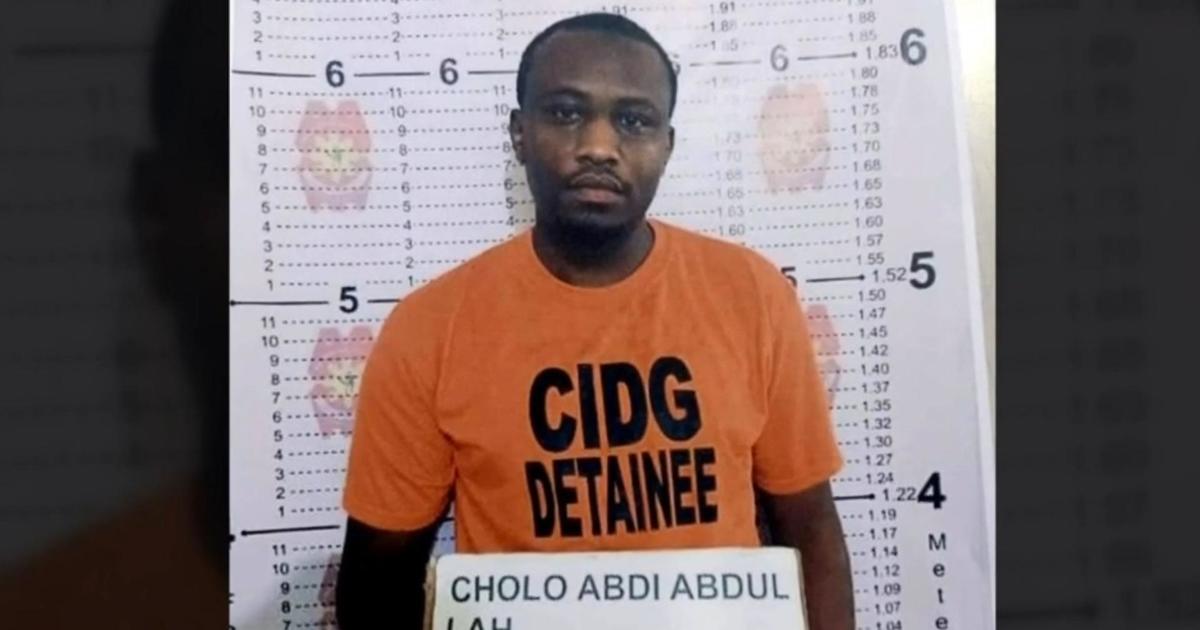
A Kenyan man, Cholo Abdi Abdullah, was convicted by a federal jury in Manhattan for plotting a 9/11-style attack on a U.S. building on behalf of the terrorist group al-Shabab. Abdullah, who represented himself during the trial, was found guilty on all six counts related to conspiring to hijack an aircraft. He faces a mandatory minimum sentence of 20 years in prison. Abdullah had undergone extensive training, including pilot training in the Philippines, before his arrest in 2019 and subsequent transfer to U.S. authorities.
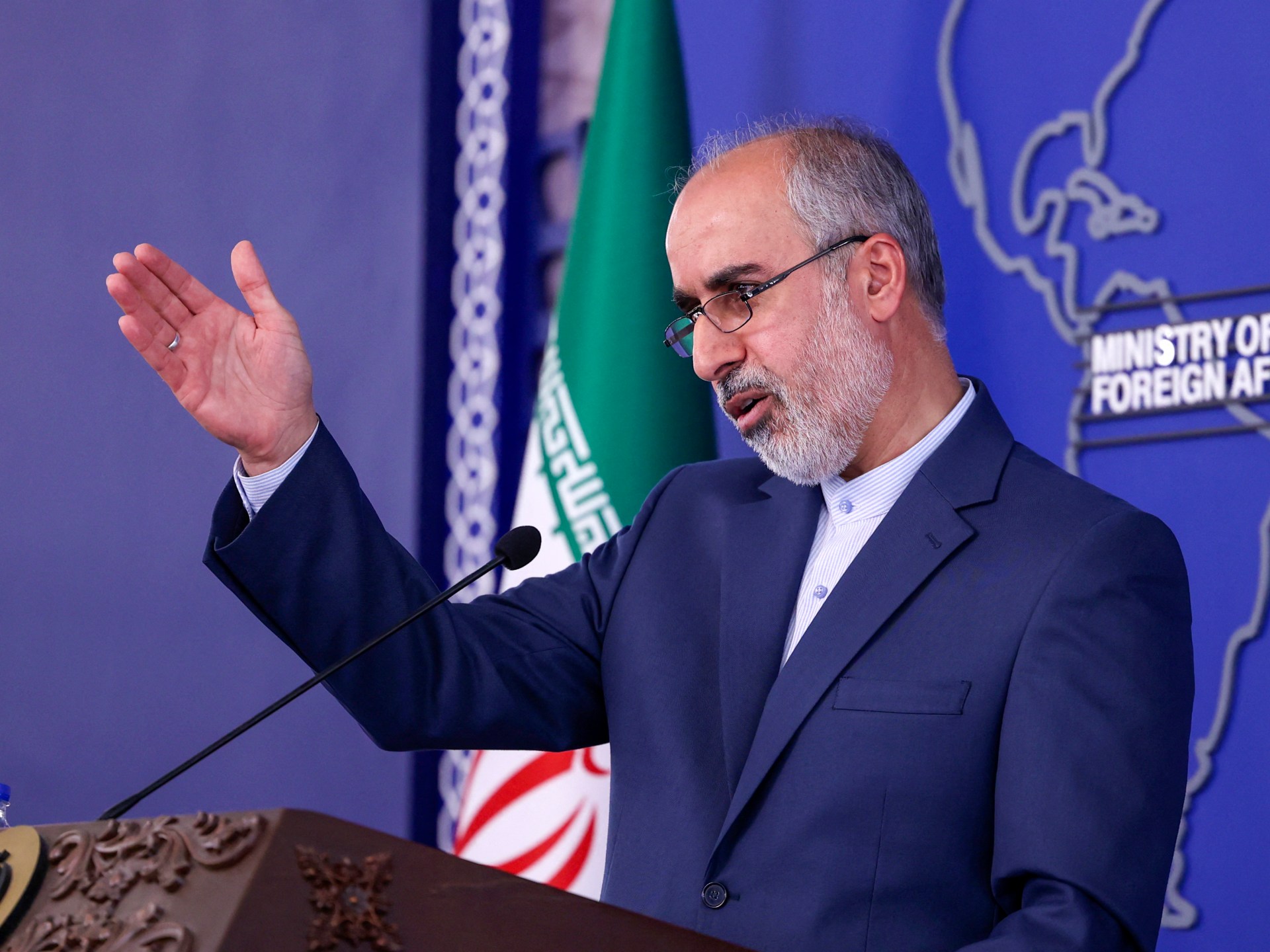
Iran has vehemently denied US media reports alleging it plotted to assassinate former President Donald Trump, calling the claims "malicious." While Iran aims to prosecute Trump for the 2020 killing of General Qassem Soleimani, it rejects any involvement in a recent armed attack on Trump in Pennsylvania. US authorities have heightened Trump's security due to the alleged Iranian threat, which remains a high-priority national security issue. An independent review has been ordered into the Secret Service's handling of the Pennsylvania shooting incident.
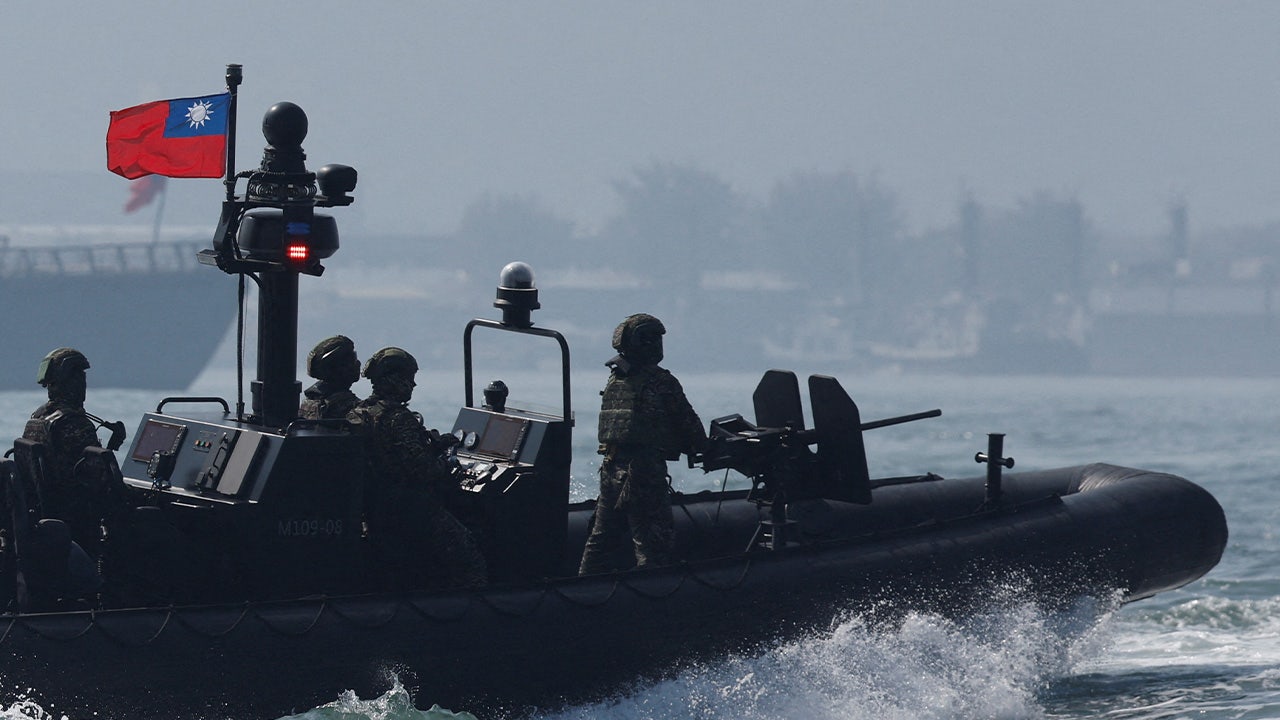
The Heritage Foundation's report emphasizes the critical role of a secure Taiwan in maintaining US security and preventing a global war with China. The report warns that a Chinese-controlled Taiwan would significantly enhance Beijing's military capabilities and threaten international trade routes, potentially leading to a crisis of confidence in the US's ability to counter China's regional hegemony. The loss of Taiwan to China could prompt nations in Southeast Asia to strengthen ties with Beijing, weakening US influence in the region and increasing the risk of a global conflict.
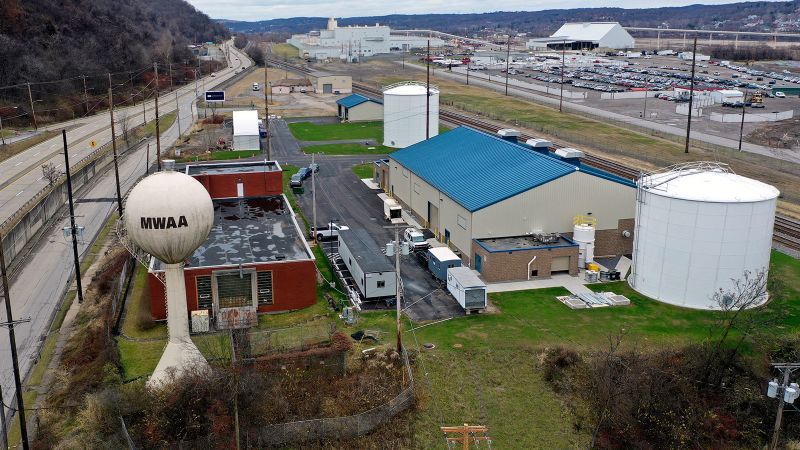
The White House and EPA have warned US governors about cyberattacks targeting water and wastewater systems across the country, urging them to improve cybersecurity defenses. The EPA plans to establish a task force to identify vulnerabilities and has invited state officials to discuss necessary cybersecurity improvements. Recent breaches by Iranian and Chinese hackers have raised concerns about the security of the US water sector, prompting the Biden administration to address the issue through regulation and federal support for cyberdefense technologies.