JD Vance expressed confidence that the U.S. has successfully separated TikTok from its Chinese parent company ByteDance, establishing a deal that gives American investors control over data security and reduces Chinese influence, amid ongoing concerns about data privacy and foreign propaganda.
Xiaomi has launched its first high-end processor, the Xring 01, developed over four years with significant investment, and manufactured using advanced 3nm technology by TSMC. The chip outperforms or matches leading competitors and has received official praise from the Chinese government, marking a major step in China's push for technological self-sufficiency amid ongoing US sanctions and geopolitical tensions.
President Trump claims to have a buyer for TikTok, the app banned in the US over security concerns, and suggests the sale could happen soon with Chinese approval, amid ongoing legal and political debates.
Donald Trump announced that a 'very wealthy group' has agreed to buy TikTok's US operations, with the deal needing Chinese approval, and plans to reveal the buyer in about two weeks amid ongoing negotiations and extensions of the deadline for the sale.
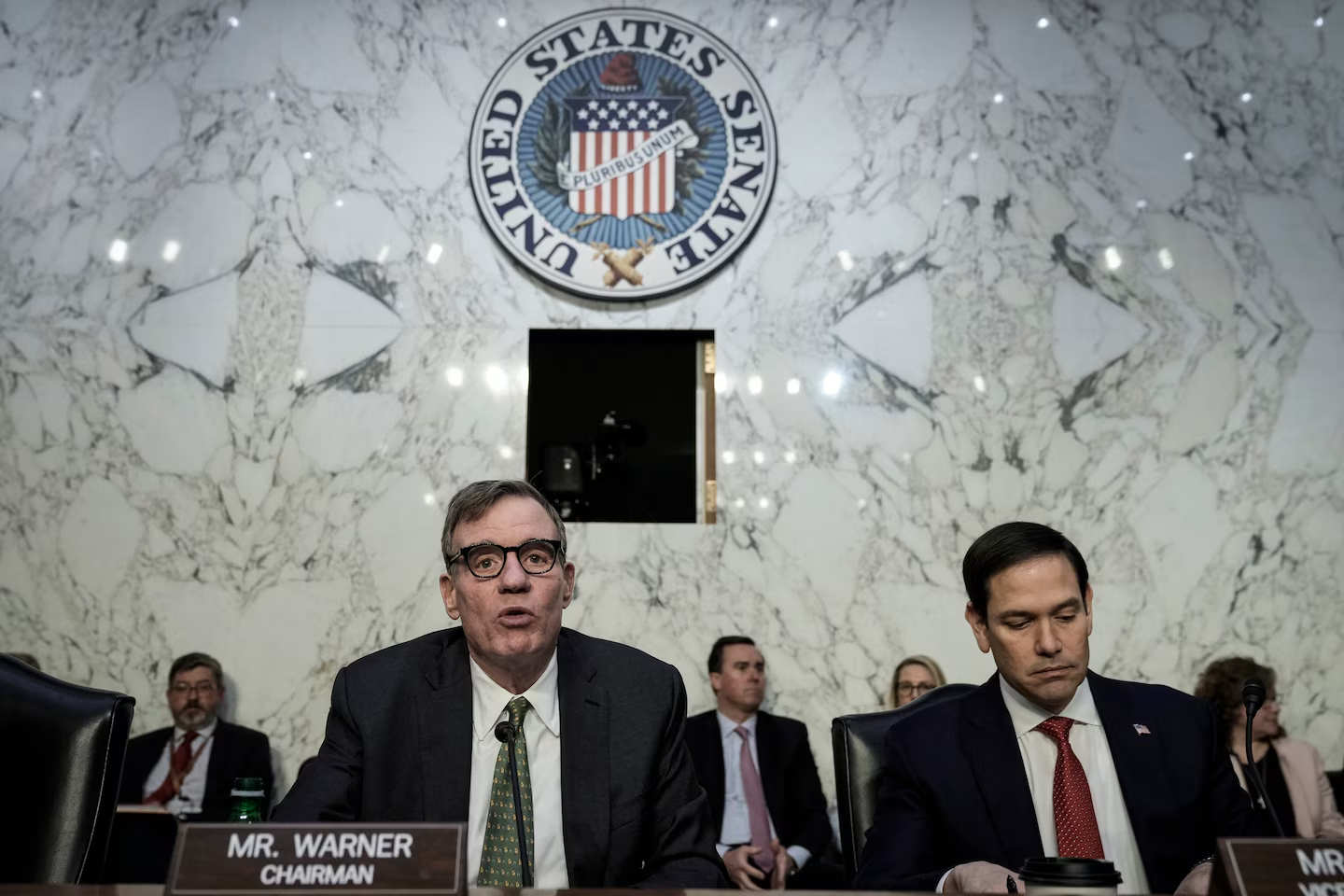
A Chinese espionage group, Salt Typhoon, has executed the most severe telecom hack in U.S. history, infiltrating over a dozen telecommunications companies. The hackers have been able to intercept real-time audio calls and exploit network trust relationships, according to Senator Mark Warner. The intruders remain active within the networks.
Canada has banned TikTok's operations within the country due to national security concerns, although Canadians can still access and use the app. The decision, made under the Investment Canada Act, reflects fears that user data could be accessed by the Chinese government. Innovation Minister Francois-Philippe Champagne emphasized the importance of using the app with caution, while former CSIS director David Vigneault highlighted the potential long-term risks of data exposure.
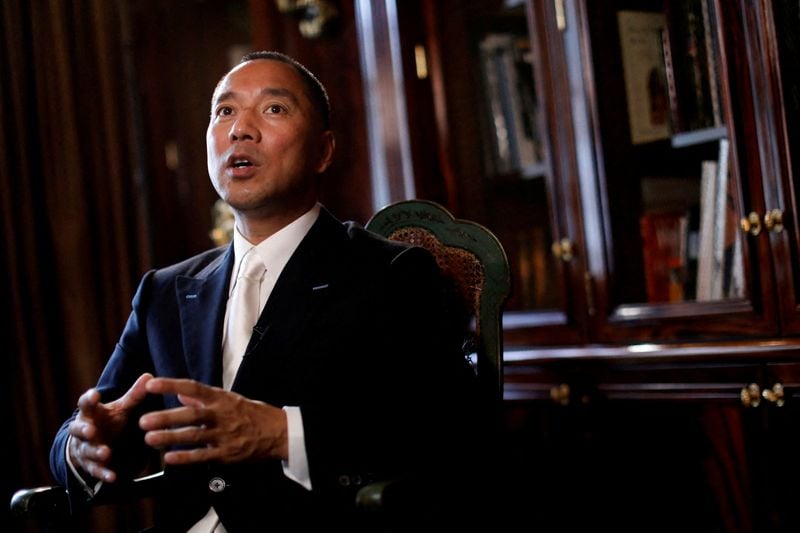
Exiled Chinese businessman Miles Guo is on trial in New York for allegedly scamming his followers out of over $1 billion to fund a lavish lifestyle. Prosecutors claim Guo used his online influence to pitch fraudulent investments, while his defense argues his businesses were legitimate and aimed at opposing the Chinese Communist Party. Guo faces multiple charges including fraud and money laundering.
Seven Chinese nationals have been charged with conspiracy to commit computer intrusions and wire fraud for their involvement in a hacking group associated with the Chinese government. The group, known as Advanced Persistent Threat 31 (APT31), targeted U.S. and foreign critics, businesses, and political officials for over 14 years, aiming to further the PRC’s economic espionage and foreign intelligence objectives. The defendants conducted global campaigns of computer hacking, targeting political dissidents, government officials, candidates, and campaign personnel in the United States and elsewhere, as well as American companies. The indictment sheds light on the PRC Ministry of State Security’s aggressive cyber espionage and transnational repression activities worldwide, and underscores the need for vigilance against cybersecurity threats and foreign malign influence efforts.
Seven Chinese nationals associated with the Chinese government have been charged with conspiracy to commit computer intrusions and wire fraud for their involvement in a hacking group targeting U.S. and foreign critics, businesses, and political officials. The group, known as Advanced Persistent Threat 31 (APT31 Group), operated in the People’s Republic of China and conducted global campaigns of computer hacking targeting political dissidents, government officials, American companies, and individuals perceived as supporting dissidents. The defendants employed sophisticated hacking techniques, including sending malicious emails containing hidden tracking links to compromise victims' networks, email accounts, and telephone call records. The indictment sheds light on China's aggressive cyber espionage and transnational repression activities, emphasizing the need for vigilance against cybersecurity threats and foreign malign influence efforts.
Sen. Ron Wyden criticized former Treasury Secretary Steven Mnuchin's bid to buy TikTok, citing concerns about his ties to money from the Middle East, particularly from Saudi Arabia and other Gulf states. Mnuchin's effort to assemble a group of investors to buy the platform comes after the House passed a bill forcing its sale within six months. Wyden expressed concerns about potential national security risks if the next owner of TikTok has ties to Saudi Arabia, and raised questions about Mnuchin's fundraising activities during his time in government.
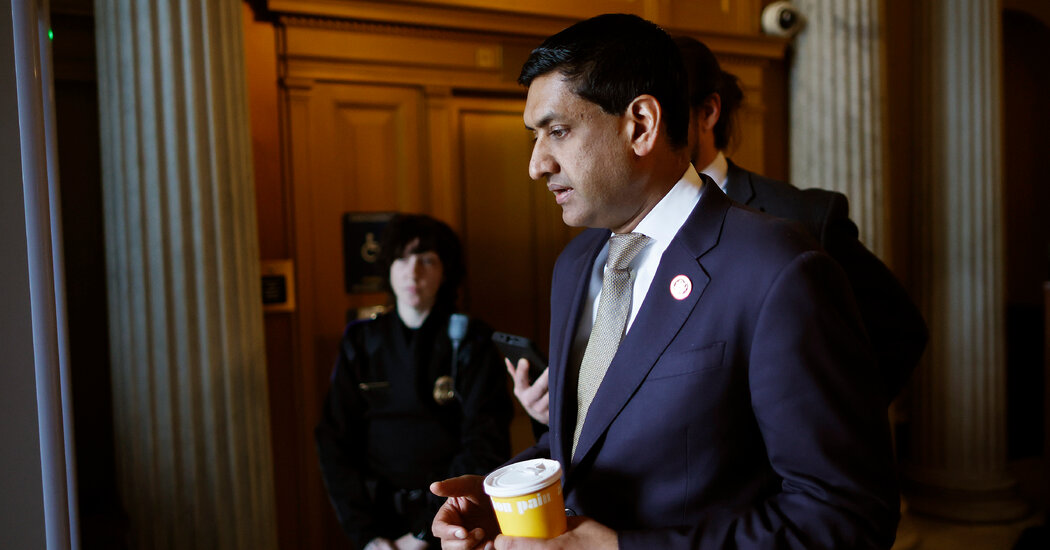
Representative Ro Khanna explains his opposition to a bill that would ban TikTok, emphasizing the need for federal data privacy laws to address concerns about Chinese access to American data. He argues that a more targeted law could effectively prevent the transfer of private data to China and other foreign entities, rather than a sweeping ban on the social media platform.
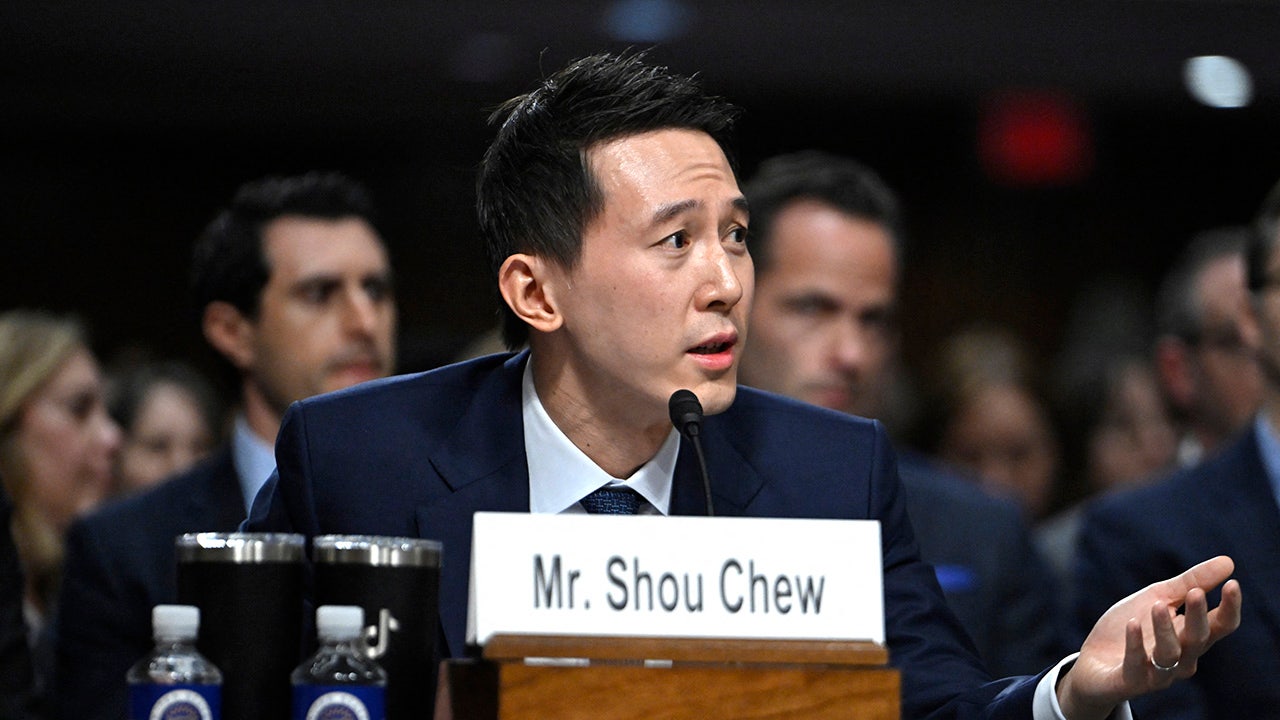
TikTok CEO Shou Chew refused to confirm whether the Chinese government has influence over the platform as Congress considers a potential ban. Lawmakers have raised concerns about national security and the app's potential as a tool for Chinese government influence. A bill to block TikTok in the U.S. if its parent company does not divest from it has passed the House, with critics citing worries about sensitive user data and mass influence campaigns. Chew denies Chinese government influence, but questions persist amid calls for the company to sell its stakes.
The Chinese government's investigation into Evergrande has raised concerns about the company's restructuring plans, casting doubt on its ability to resolve its debt crisis.
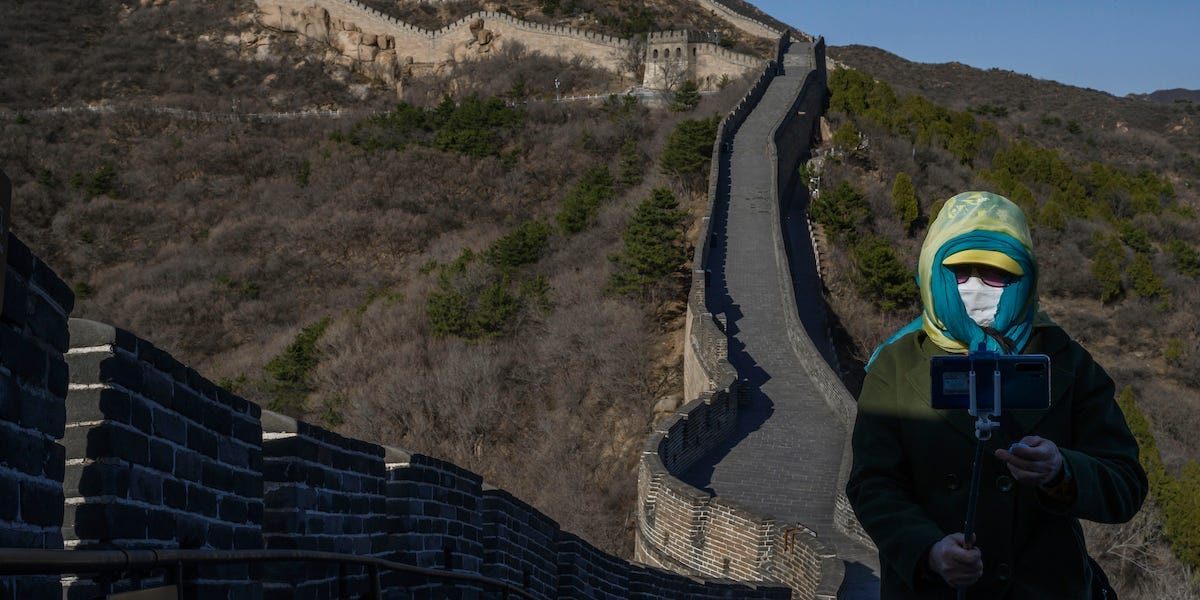
Two individuals have been detained by the Chinese government for allegedly using an excavator to create a gap in the Great Wall of China, with the intention of making a shortcut. The damage has affected the structural integrity of the Ming-dynasty portion of the wall and is deemed beyond repair. This incident adds to a series of purposeful damages to world-historical landmarks, including a tourist defacing Rome's Colosseum.
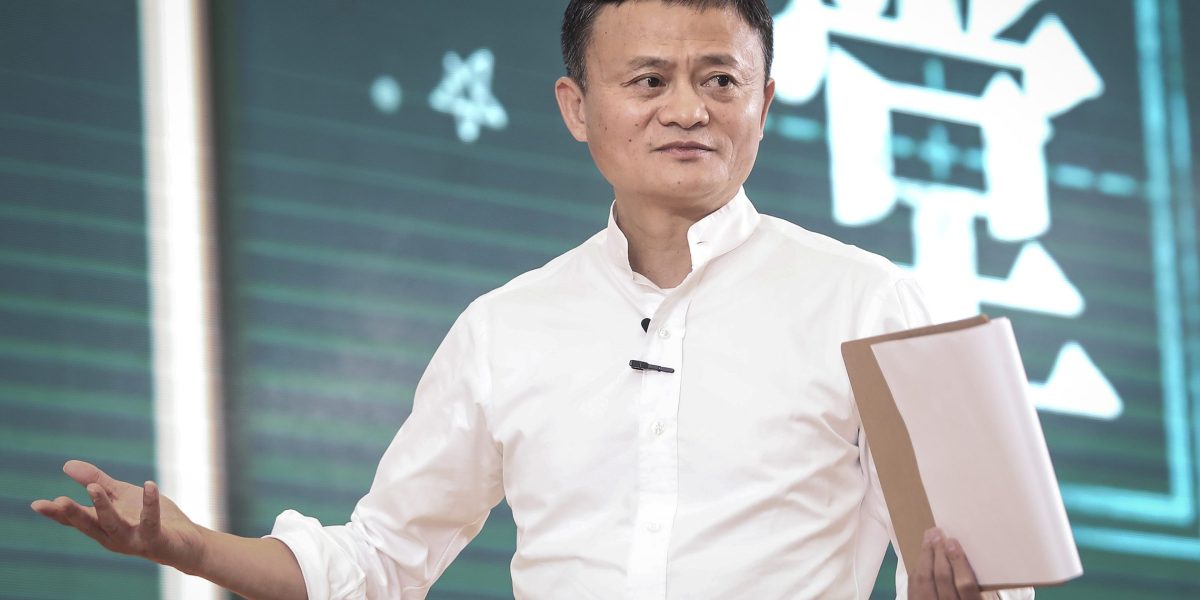
Jack Ma, the Chinese internet tycoon and founder of Alibaba, has seen his wealth decline by more than half in the past three years. Once the richest person in Asia with a fortune of $61.7 billion, his net worth now stands at just over $30 billion. Ma's wealth has been hit by his controversial comments about the Chinese government, as well as investigations and penalties imposed on Alibaba and its online payment service Ant Group. Despite rumors of his disappearance and house arrest, Ma has resurfaced and is currently teaching at universities in Tokyo and Hong Kong.