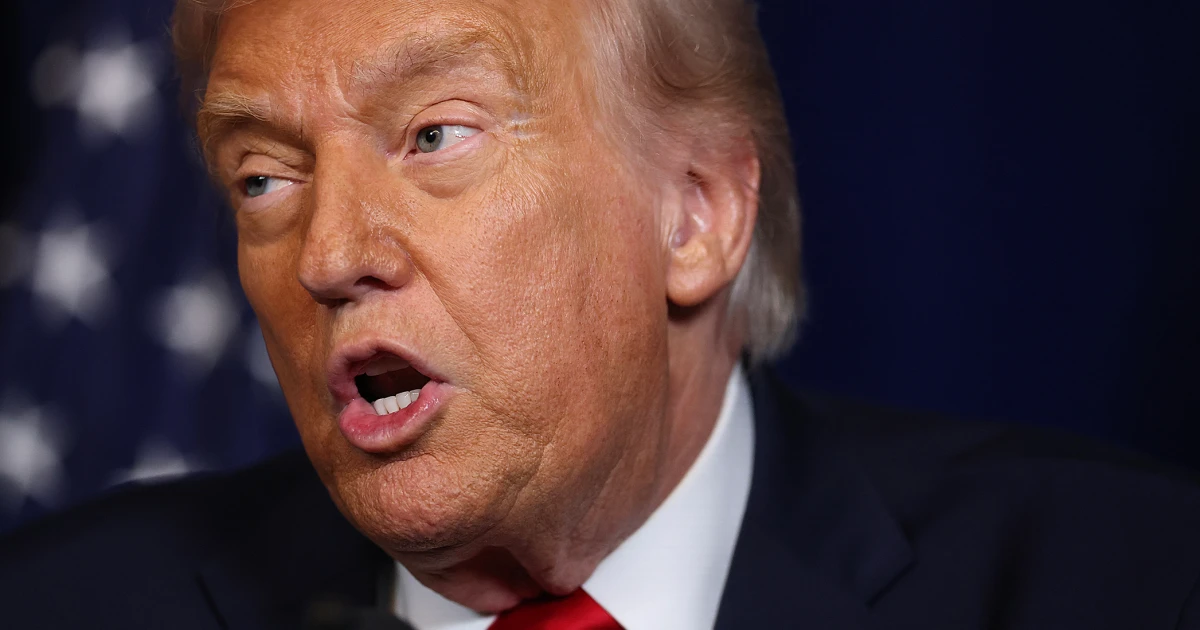
President Donald Trump ordered HieFo Corp. to divest a $2.9 million computer chips deal with Emcore, citing national security concerns and the company's Chinese citizenship, demanding the technology be sold within 180 days.
Broadcom's stock surged over 10% after announcing a multiyear deal to supply AI processors to OpenAI, following similar agreements with AMD and Nvidia, as part of OpenAI's extensive AI infrastructure expansion expected to deploy 10 gigawatts of AI accelerators by 2029.
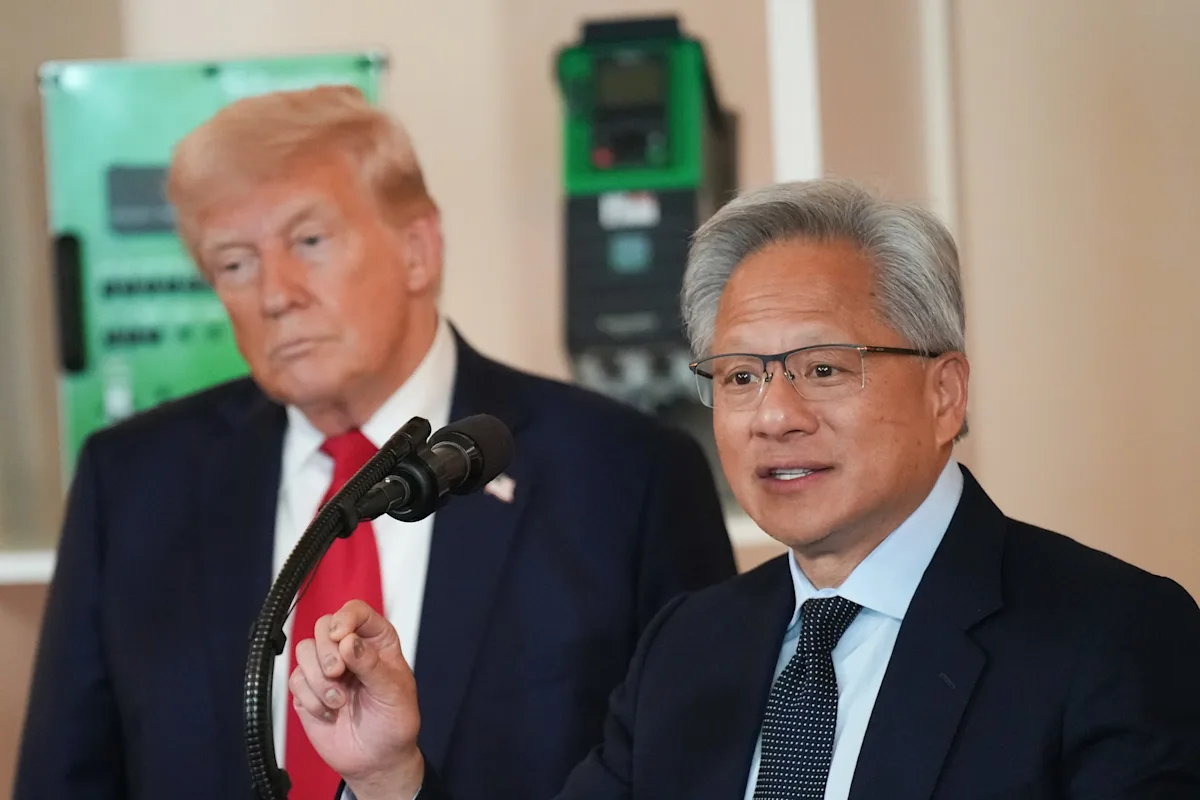
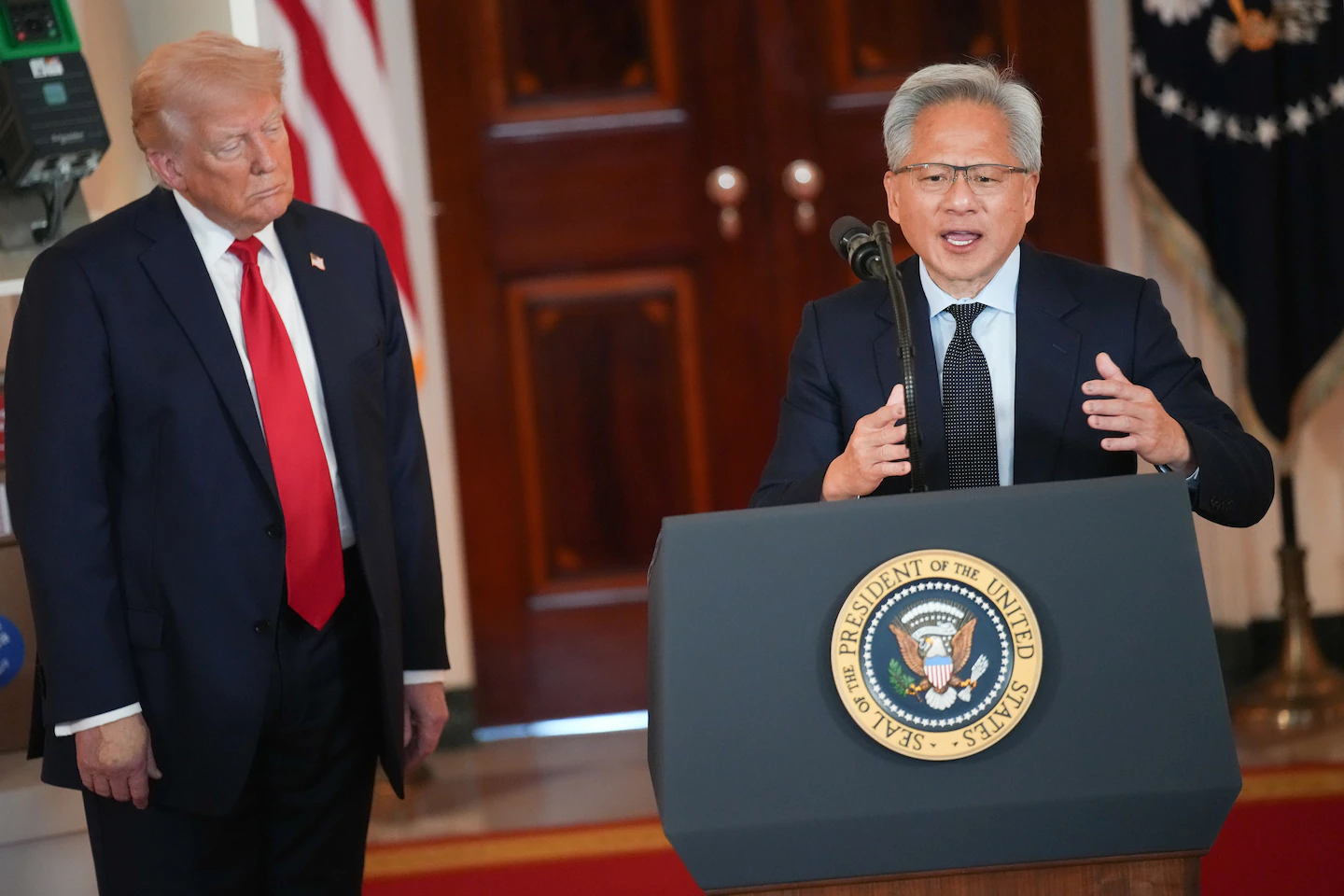
President Trump negotiated a controversial and potentially unconstitutional deal with Nvidia and AMD to lift export bans on certain AI chips, raising legal questions about whether this constitutes an illegal export tax under the U.S. Constitution, with experts noting the unprecedented nature of such arrangements in U.S. history.
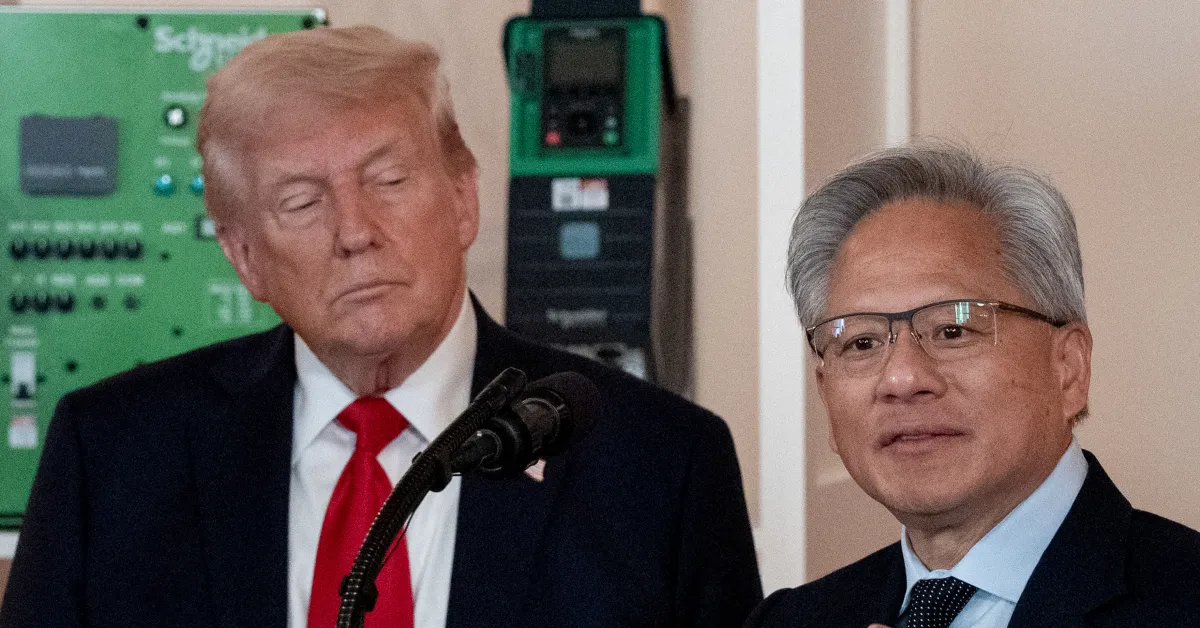
The article discusses a controversial chip export deal involving Nvidia and AMD, where they can export certain chips to China with a 15% tax, raising constitutional questions about export taxes and prompting threats of resignation from some Trump officials.
President Trump’s agreement with U.S. chip companies to share revenue for export permissions to China sets a new precedent for pay-to-play in U.S. export policy, challenging traditional views on export taxes and raising concerns about China’s influence on American technological leadership.
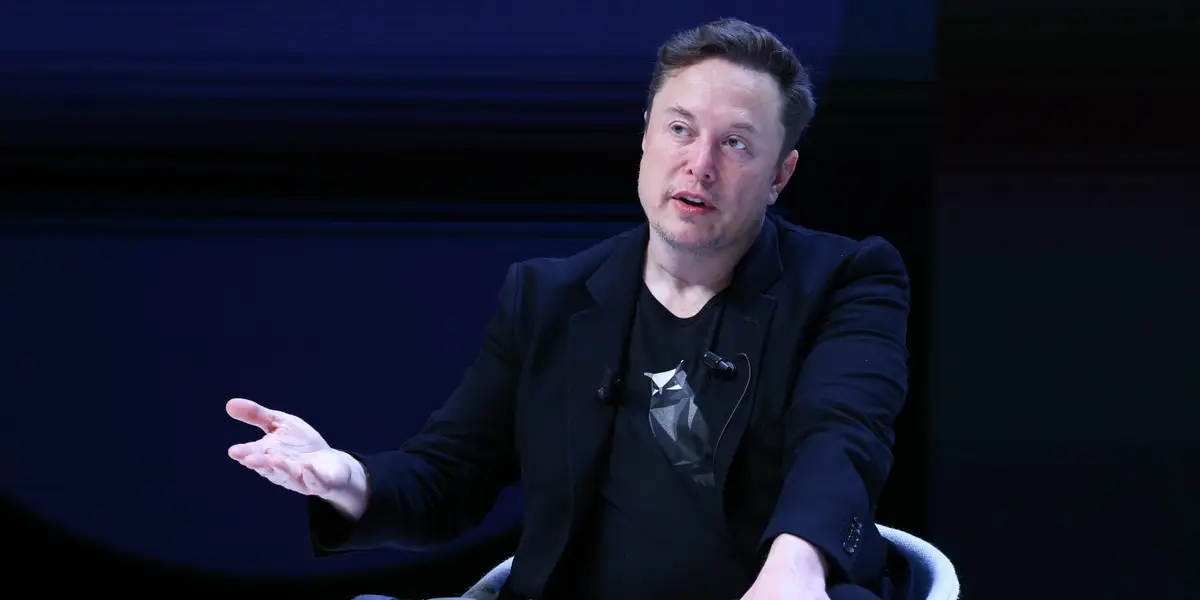
Elon Musk is personally overseeing Tesla's $16.5 billion semiconductor deal with Samsung, including plans to monitor the new Texas chip manufacturing plant himself, exemplifying his hands-on 'founder mode' approach to leadership and operational involvement.
Microsoft and Intel have struck a custom chip deal worth over $15 billion, with Intel producing chips designed by Microsoft using its 18A process. The partnership marks a significant move for Intel's chip foundry services and a shift in the industry as more companies seek to produce their own self-designed chips. This deal positions Intel to compete with TSMC and signifies a strategic shift for both companies in the chipmaking world.
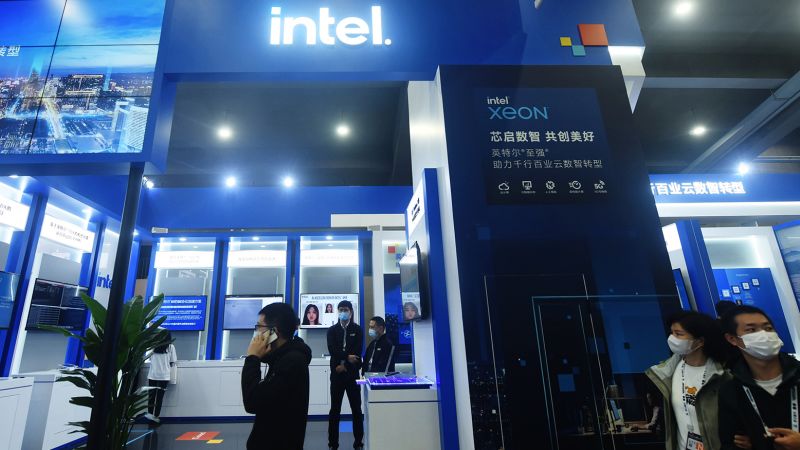
Intel has abandoned its planned $5.4 billion acquisition of Israeli chipmaker Tower Semiconductor after failing to obtain regulatory approval. The deal, which was announced in February 2022, had been awaiting clearance from Chinese regulators. Tensions between China and the US over semiconductors have escalated, and the approval process had been challenging. Intel will pay Tower a termination fee of $353 million, and both companies expressed a desire to explore future collaboration opportunities. Intel's CEO emphasized the importance of investments in foundries for its manufacturing strategy.