Tensions Rise Over Greenland Amid Trump’s Aggressive Pursuits
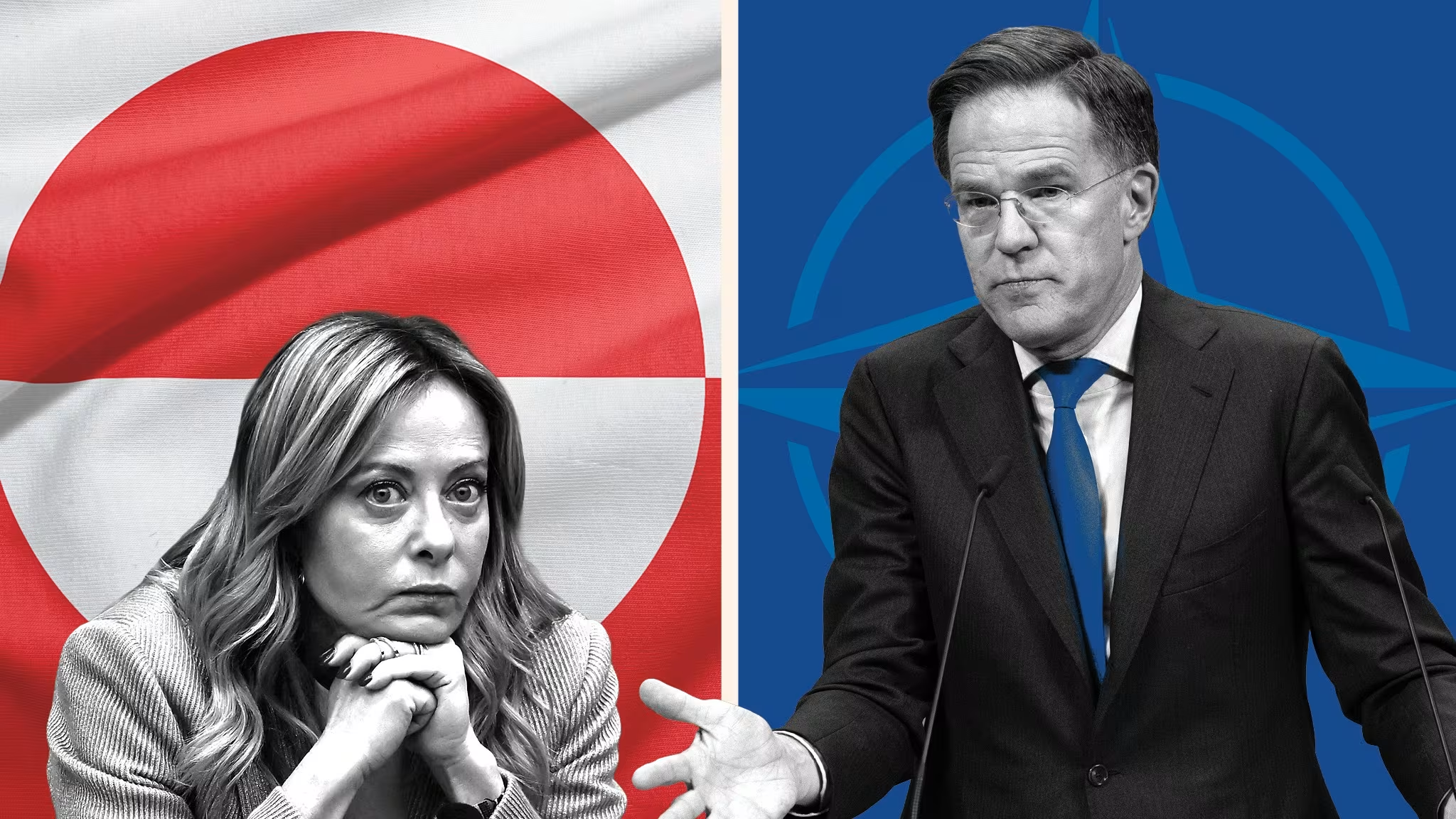
NATO has remained silent on Donald Trump's threats regarding Greenland, causing concern among European allies about the potential geopolitical implications.
All articles tagged with #european allies

NATO has remained silent on Donald Trump's threats regarding Greenland, causing concern among European allies about the potential geopolitical implications.

The US envoy to NATO anticipates significant pledges from European allies for Ukraine's weapon purchases through the PURL program to counter Russian air strikes, amid declining military aid and political challenges among European nations, with upcoming NATO meetings and a Zelenskiy-Trump discussion on defense.
The US is indicating a limited role in Ukraine's security, with European countries expected to take the lead on the ground, and US support being uncertain and less committed, reflecting a complex and cautious approach to the Ukraine conflict.

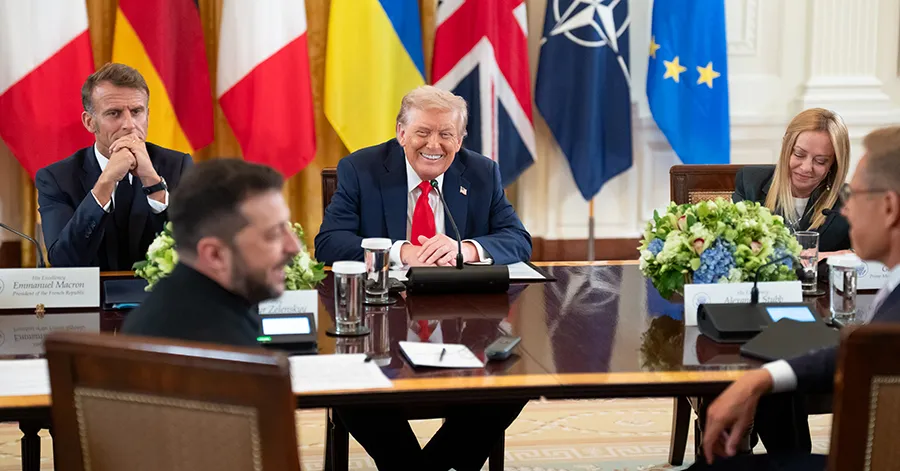
President Trump’s peace summit at the White House, bringing together Ukrainian President Zelenskyy and European leaders, is widely praised as a significant step toward ending the war in Ukraine, with many experts and officials emphasizing his leadership and the potential for a peace deal.
President Zelensky of Ukraine briefed Trump and European leaders on Ukraine's situation and demands a cease-fire with security guarantees before negotiations. Meanwhile, Trump is preparing for a high-stakes meeting with Putin in Alaska to discuss ending the Ukraine war, amid European efforts to influence the outcome and prevent a peace deal that favors Russia. Additionally, Vice President Vance is on a UK trip engaging with right-wing figures and discussing issues like free speech and immigration, reflecting broader political dynamics.

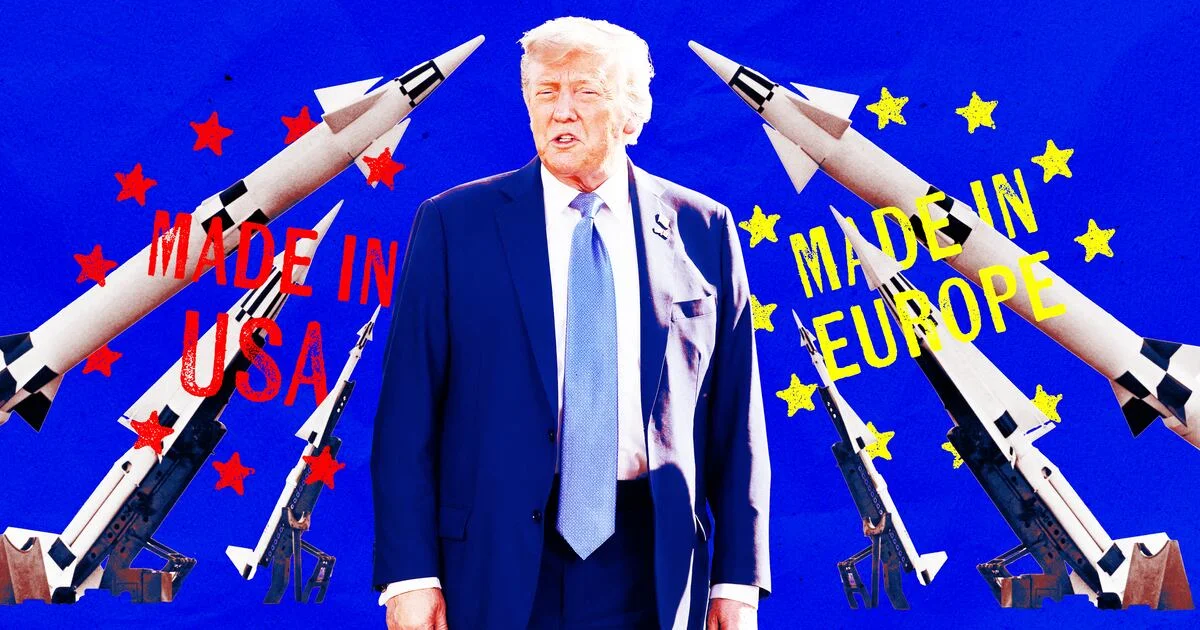
President Trump proposed a scheme for European allies to donate Patriot missile systems to Ukraine, with the U.S. potentially providing replacements, aiming to bolster Ukraine's defenses amid ongoing conflict, though details and commitments remain uncertain and under negotiation.

European allies, including the U.S., agreed to establish a headquarters in Paris for a multinational force to support Ukraine's recovery and security after a ceasefire, emphasizing Western unity and deterrence without committing U.S. troops on the ground.

European officials successfully improved relations with Trump at the NATO summit by using flattery and a streamlined agenda, leading to more positive rhetoric from Trump about NATO and increased support for Ukraine, despite underlying tensions over defense spending and trade issues.

During the NATO summit in The Hague, President Trump cast doubt on the U.S. commitment to NATO's mutual defense guarantee, Article 5, suggesting it depends on the definition, while emphasizing increased European defense spending. His remarks have raised concerns among European allies about his dedication to the alliance amid broader geopolitical tensions and his unpredictable stance on international commitments.

President Trump is heading to the NATO summit in The Hague, focusing on urging European allies to increase their military spending to 5% of GDP, while managing diplomatic issues including the Israel-Iran ceasefire and Russia's actions in Ukraine. Despite some countries' reluctance, Trump claims progress in alliance contributions, emphasizing US spending and strategic interests.
The article discusses Donald Trump's push for NATO allies to increase their defense spending to 5% of GDP, a move seen as both a strategic effort to bolster the alliance and a potential political victory for Trump. While European countries have begun to ramp up their defense budgets, concerns remain about the true long-term benefits, the focus on short-term political gains, and the implications for U.S. and European security cooperation amid rising global threats.

Nato's summit in The Hague is primarily focused on increasing defence spending among European allies to satisfy US President Donald Trump's demands, amid ongoing tensions over Russia and disagreements on issues like trade and Ukraine. The summit is shortened and simplified to avoid conflicts, with key discussions on military capabilities and spending targets, but divisions remain, especially regarding Russia and Ukraine.

European allies of Ukraine are increasingly considering negotiations with Russia that may involve territorial concessions to end the ongoing war. This shift is partly influenced by Donald Trump's election victory, as he has suggested he could support a deal that allows Russia to retain some seized territories. The discussions are also driven by Ukraine's challenging battlefield situation and concerns over reduced U.S. financial support.

The Biden administration is growing increasingly frustrated with delays in funding Ukraine's fight against Russia, as concerns rise over Russian forces making major gains. With $60 billion in military aid tied up in Congress and no "Plan B" in place, US officials are urging European leaders to use profits from blocked sovereign Russian assets to support President Zelenskiy's government.

European allies of Israel are expressing unprecedented criticism and considering halting arms sales following the Israeli military's killing of seven aid workers in Gaza. The attack has triggered calls for a cease-fire and increased public pressure on European politicians, who are caught between supporting an ally and addressing growing concerns about the conflict. The international outrage over the deaths of foreign aid workers contrasts with the subdued response to the suffering of Gaza residents, leading to increased pressure on Europe's governments to suspend arms sales to Israel. The United States has also begun to harden its line toward Israel, with President Joe Biden emphasizing the need for Israel to take more action to protect civilians and aid workers.