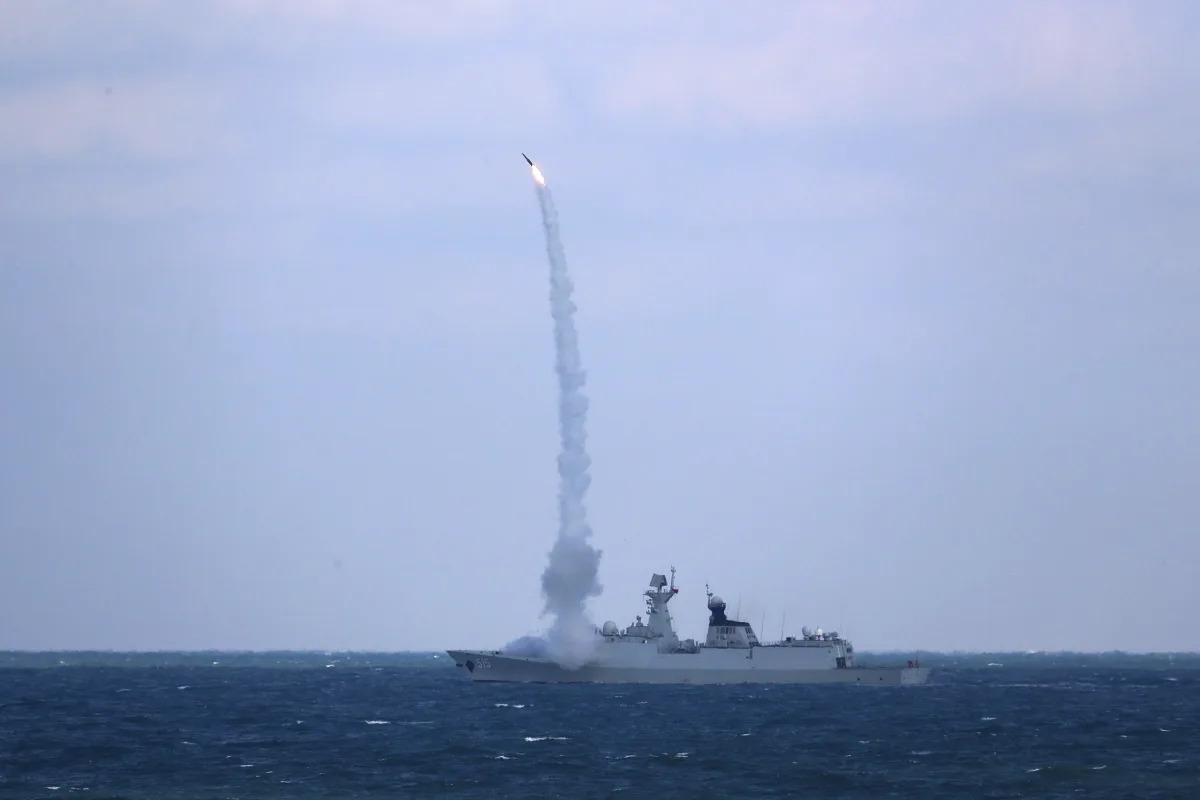
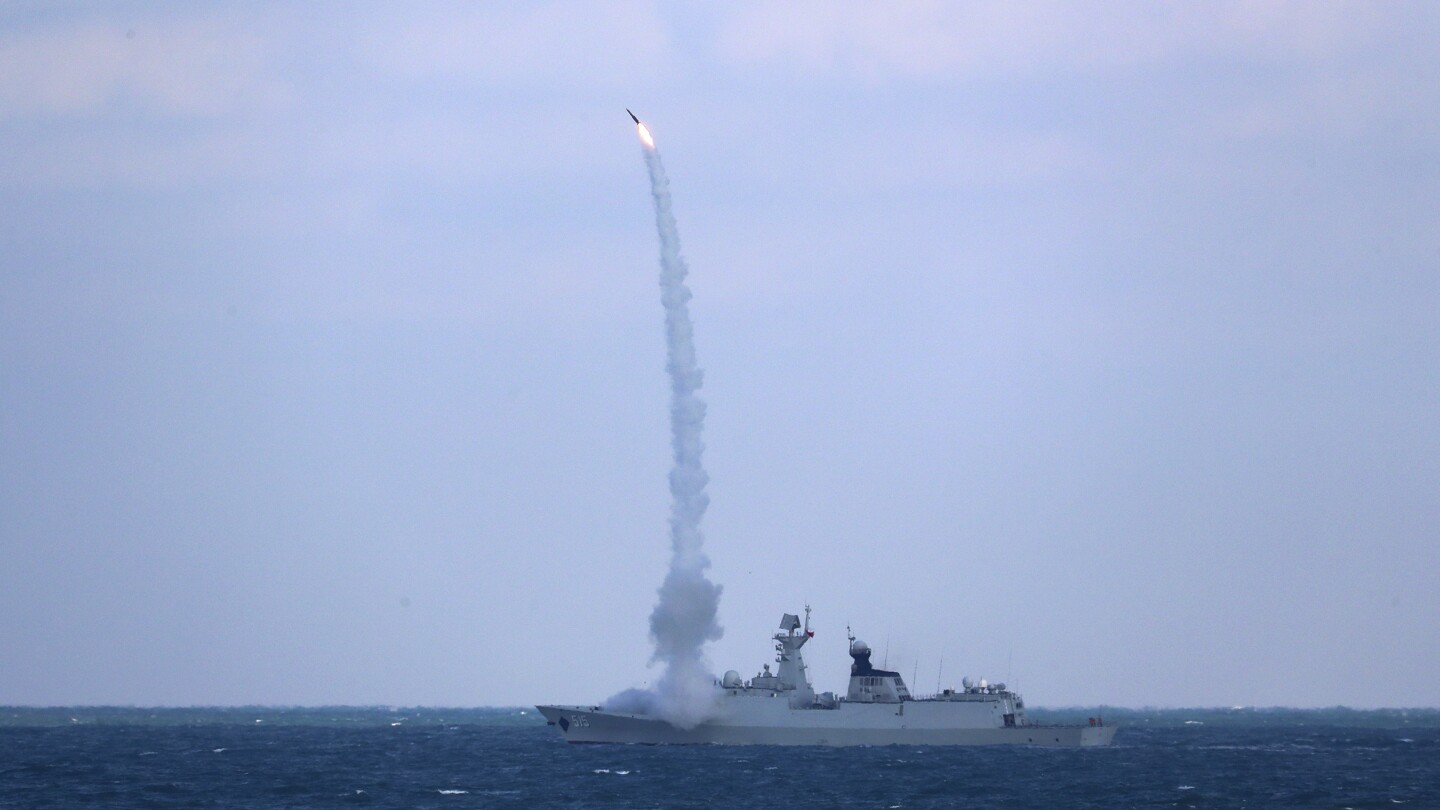
North Korea launched approximately ten short-range ballistic missiles into its eastern waters, prompting condemnation from the United States, which called for an end to such "unlawful and destabilizing acts." The US Indo-Pacific Command is closely consulting with South Korea, Japan, and other regional allies in response to the launch.
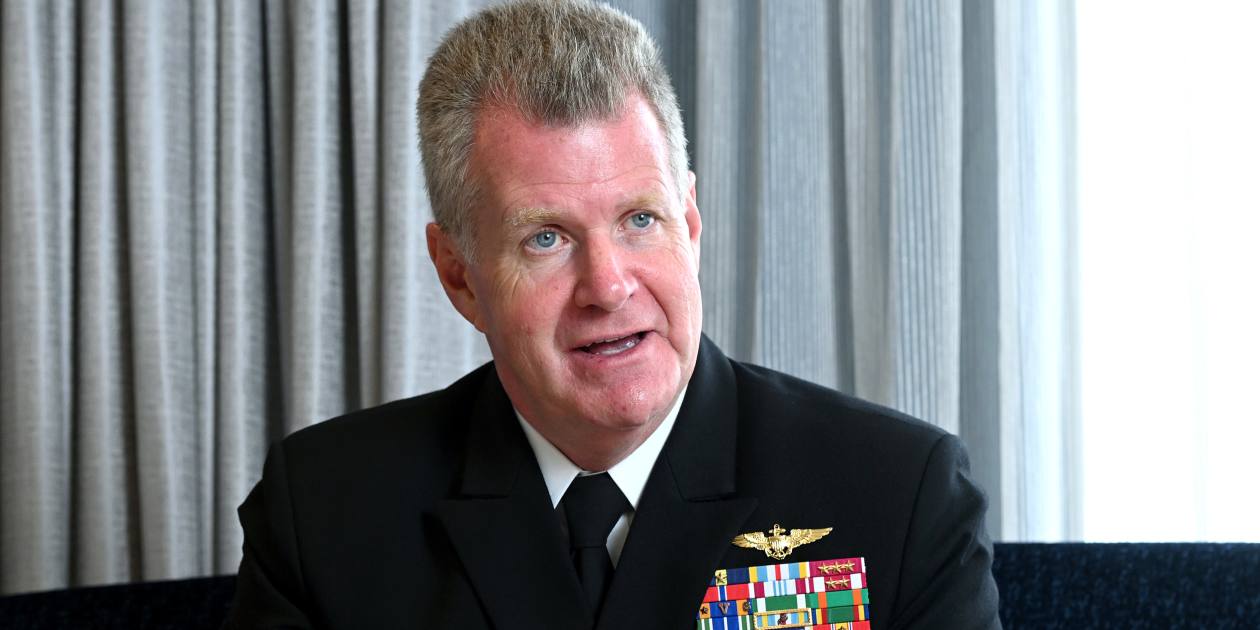
U.S. Indo-Pacific Commander Samuel Paparo stated that China's recent military exercises around Taiwan appeared to be a "rehearsal" for an invasion. He emphasized the need for solidarity among the U.S., Japan, and their partners to strengthen deterrence against Beijing.
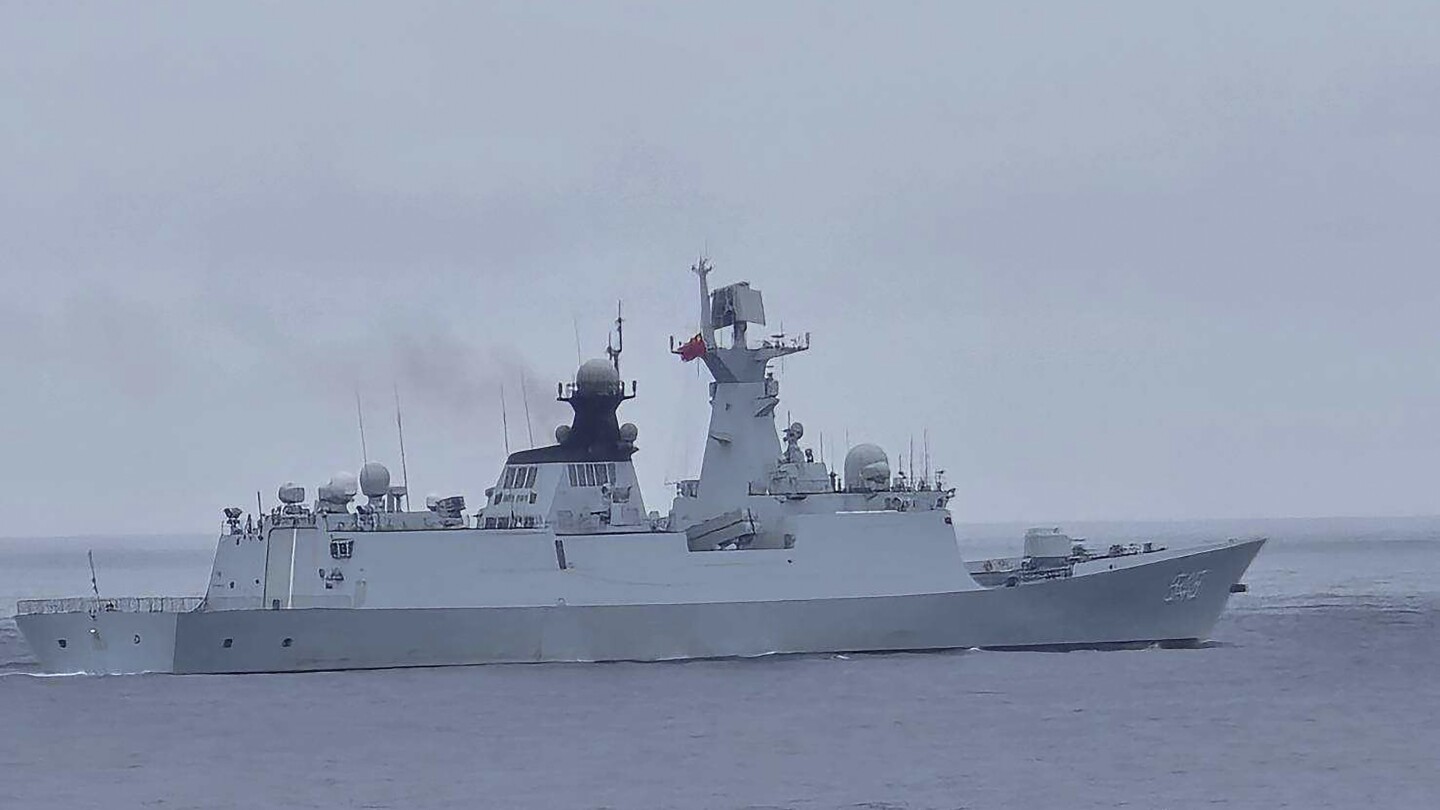
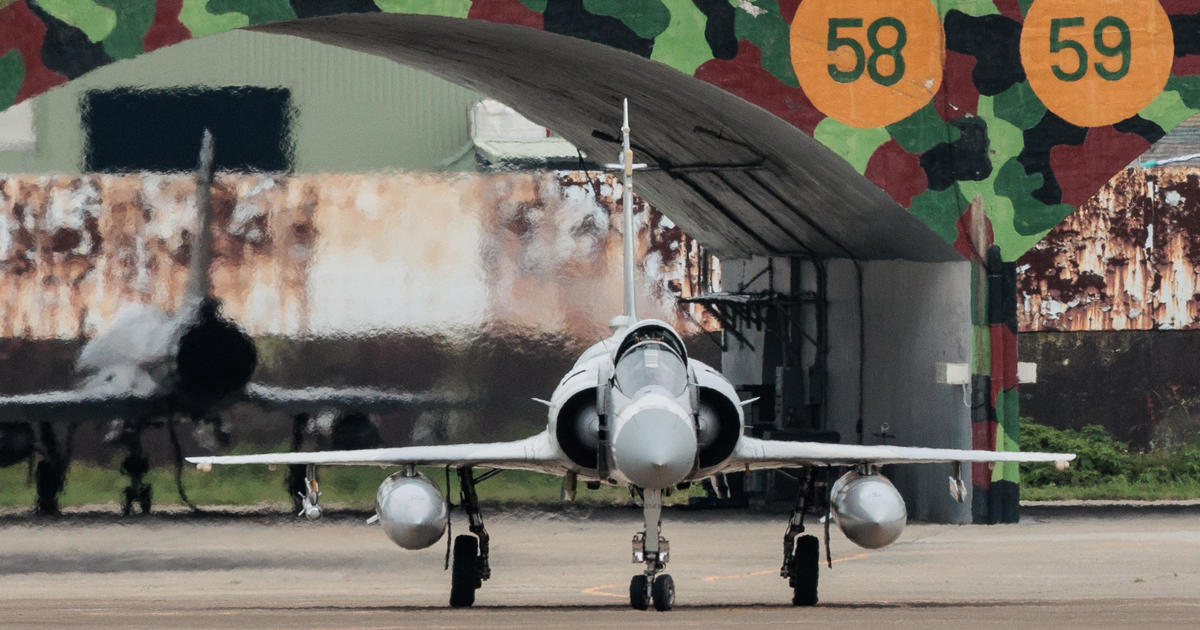
Taiwan has scrambled jets and put its missile, naval, and land units on alert in response to Chinese military exercises around the island, which Beijing claims as its territory. The drills are seen as punishment for Taiwan's pro-independence stance and come shortly after the inauguration of Taiwan's new president, Lai Ching-te. Taiwan's Defense Ministry condemned China's actions as jeopardizing regional peace, while the U.S. and Japan have also criticized the exercises, calling for regional nations to publicly condemn China's provocations.
Taiwan has scrambled jets and put its forces on alert in response to Chinese military exercises around the island, which Beijing calls a "powerful punishment" for Taiwan's new president, Lai Ching-te. Taiwan's Defense Ministry condemned China's actions as a threat to regional peace, while the U.S. and Japan have also criticized the exercises. The situation underscores ongoing tensions over Taiwan's de facto independence and its strategic importance in global supply chains and regional security.
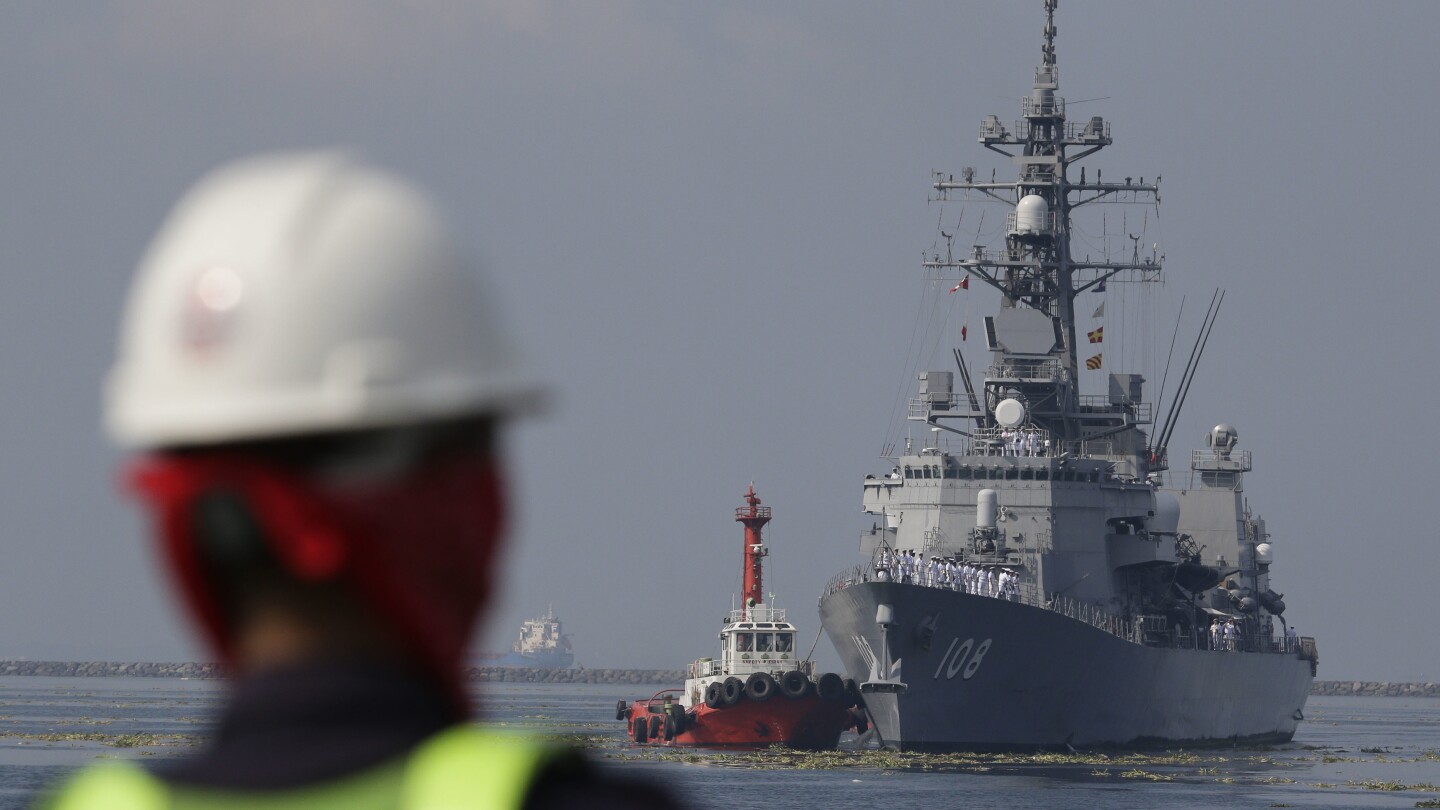
The head of the U.S. Indo-Pacific Command expressed deep concern over Chinese aggression towards Philippine forces in the South China Sea, particularly near the Second Thomas Shoal. The U.S., Japan, the Philippines, and Australia recently conducted joint military exercises in the region to uphold freedom of navigation and international law. China's military responded by stating that it has control over activities in the South China Sea, in apparent reaction to the exercises by the U.S. and its allies.
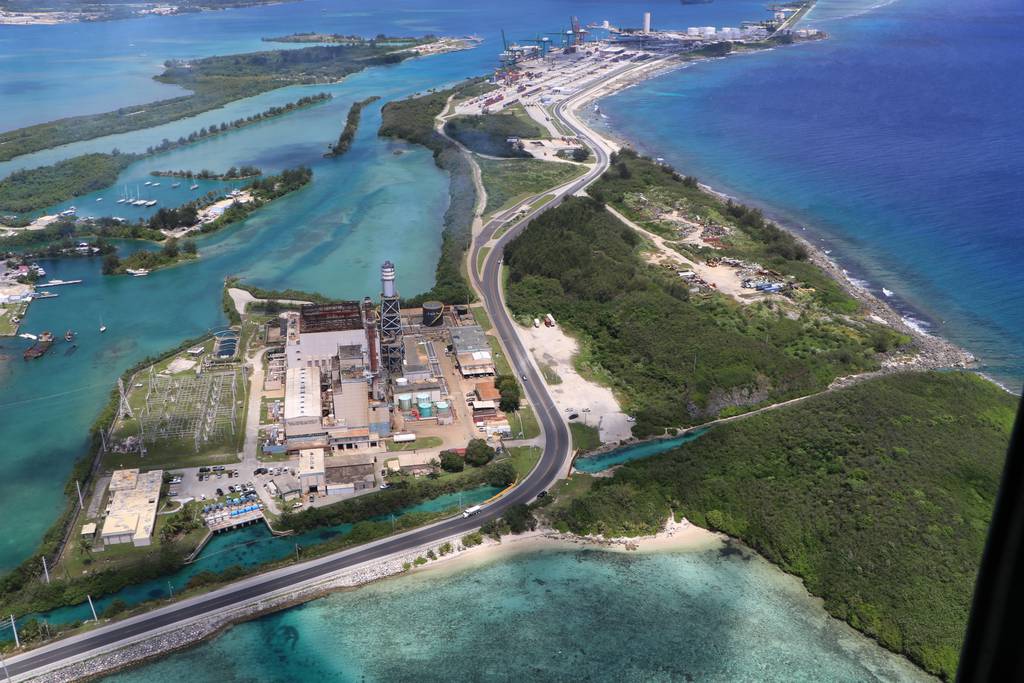
The U.S. Indo-Pacific Command has submitted a wish list to Congress requesting $11 billion more than the White House’s fiscal 2025 defense budget proposal, with a focus on constructing infrastructure, classified space programs, munitions, and Guam defenses to bolster its presence in the region and deter China. The request includes funds for military construction, classified space programs, and munitions procurement, with a significant portion allocated to the Army and Navy. The command's wish list aims to bridge the funding gap reported in its annual assessment to Congress and comes amid ongoing budget negotiations and discussions in Congress.
The head of the U.S. Indo-Pacific Command, Adm. John C. Aquilino, expressed deep concern over the increased joint military actions between China and Russia in the region. He urged China to de-escalate maritime confrontations with its neighbors and highlighted the serious implications of China's military cooperation with Russia during the latter's war in Ukraine. Aquilino also emphasized the worrisome neighborhood created by the partnership between Russia, China, and North Korea. Additionally, he mentioned the pending talks with his Chinese counterpart, which have been awaiting a response for three years.
The head of the US Indo-Pacific Command, Adm. John C. Aquilino, expressed deep concern over the increased joint military actions between China and Russia in the region. Aquilino urged China to de-escalate maritime confrontations with its neighbors and highlighted the serious implications of China's military cooperation with Russia during the latter's war in Ukraine. He also mentioned the potential risks associated with North Korea's cooperation with Russia and China. Aquilino's concerns come as North Korea conducted its latest intercontinental ballistic missile test, showcasing its advancing capabilities. Japan, which has territorial disputes with China, is particularly worried about China's growing joint activity with Russia's military near its coast.
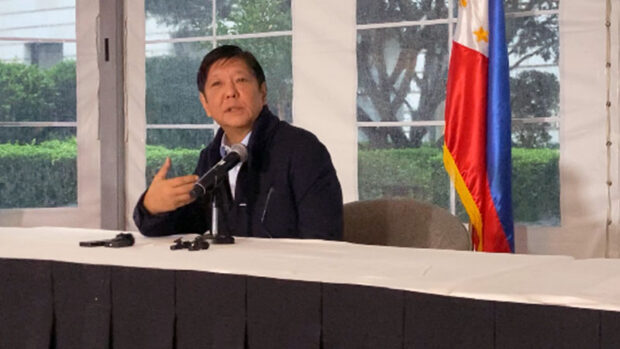
President Ferdinand Marcos Jr. will become the first Philippine president to visit the US Indo-Pacific Command Headquarters in Hawaii. He will meet with Admiral John Aquilino, the highest-ranking military commander in the Asia-Pacific region, and participate in a roundtable discussion at the Daniel Inouye Asia Pacific Center for Security Studies. Marcos is expected to discuss regional security developments, including the South China Sea. This visit concludes his weeklong trip to the United States, which included attending the Apec Economic Leaders' Meeting and related activities in San Francisco and a working visit to Los Angeles.
Admiral John Aquilino, commander of U.S. Indo-Pacific Command, outlined his ambitious plan to connect all U.S. forces and allies in the Indo-Pacific region through a comprehensive networking scheme. The plan aims to provide a unified view of the battlefield, enhance decision-making capabilities, and enable effective deterrence against China. Aquilino emphasized the importance of networking, data fusion, and the ability to operate in contested spaces. He also highlighted the need for the right weapons and a robust network to close the kill chain. The plan involves the development of programs such as the Joint Fires Network, Mission Partner Environment, Pacific Multi-Domain Training And Experimentation Capability (PMTEC), and Stormbreaker. Aquilino acknowledged the challenges of interoperability and data integration but expressed optimism about the progress being made.
The commander of U.S. Indo-Pacific Command, Navy Adm. John C. Aquilino, emphasized the need for the U.S. to continue modernizing its strategic capabilities in response to China's military buildup, including its nuclear capabilities. Aquilino highlighted the importance of strengthening security in the Indo-Pacific region through building relationships with partners like South Korea and Japan. Recent demonstrations of support include a ballistic missile submarine making a port call in South Korea and a B-52 bomber flight accompanied by South Korean and Japanese aircraft. Aquilino praised the trilateral relationship between the U.S., Japan, and South Korea, acknowledging the historical issues but commending the leadership in defending their nations.