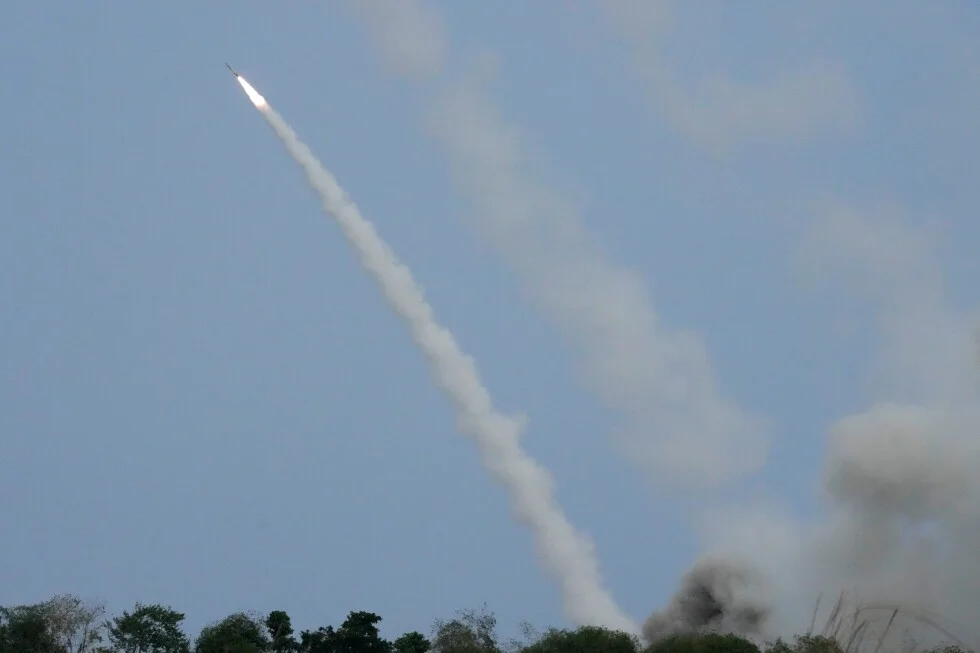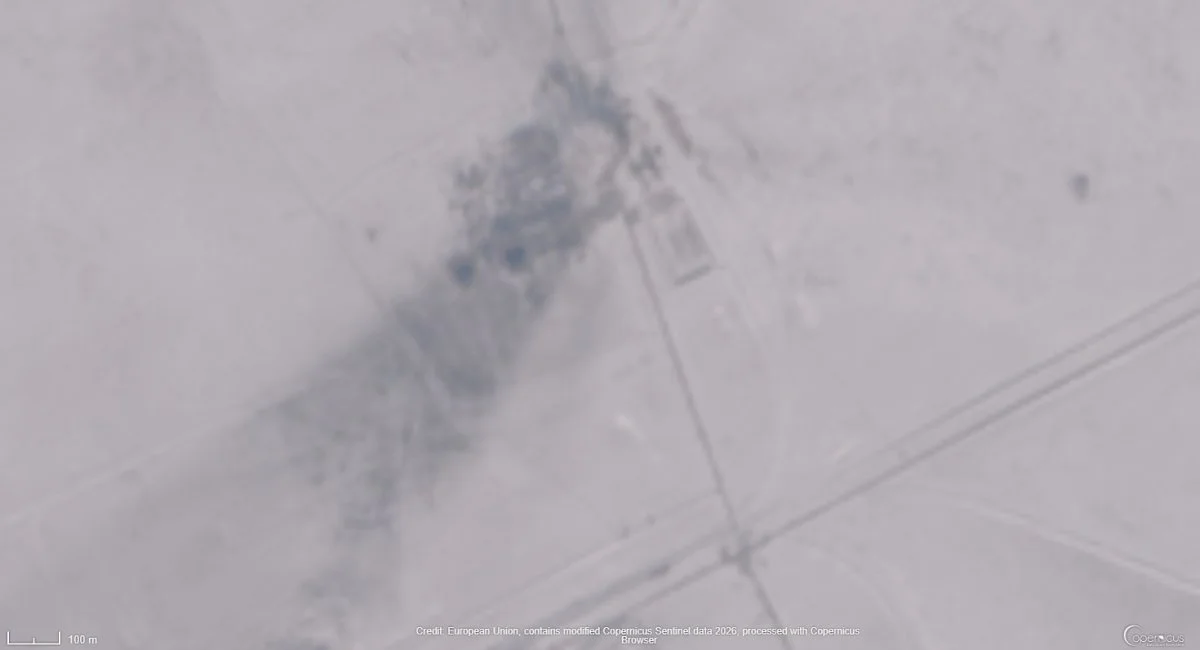
China conducted large-scale military exercises around Taiwan, involving army, navy, air force, and rocket units, as a show of force and warning against Taiwanese independence and external interference, following increased tensions and US arms sales to Taiwan.
Europe is strengthening its eastern defenses with layered, networked barriers and advanced technology to deter Russian aggression, moving away from static fortifications like the Maginot Line towards dynamic, sensor-based systems that buy time and adapt to modern threats, despite political and resource challenges.
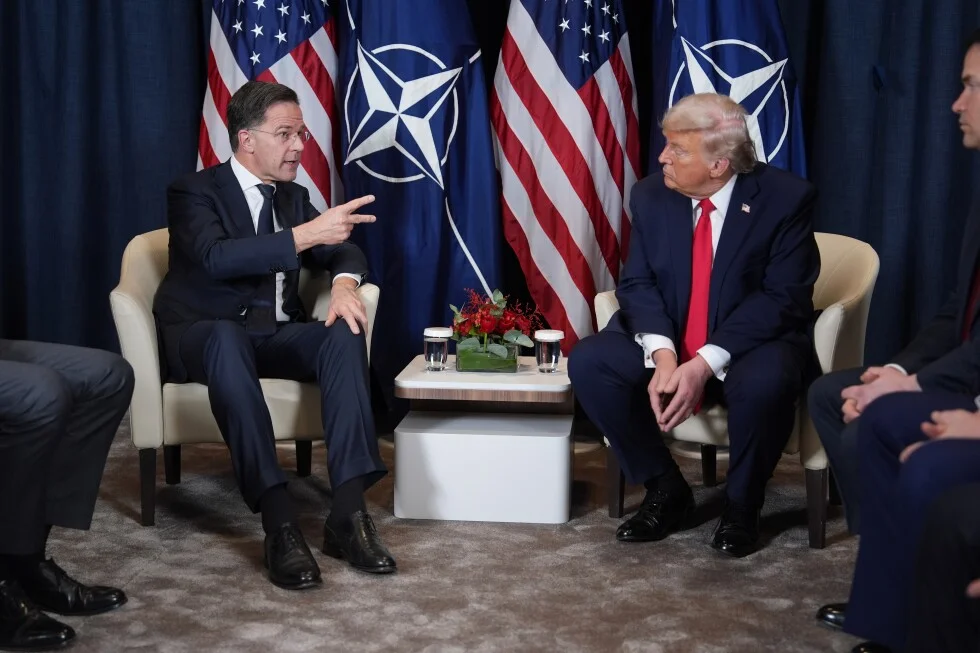
NATO Secretary General Mark Rutte warned that nuclear war can never be won and must never be fought, emphasizing NATO's strong nuclear deterrent amid Russian threats and recent military developments, including increased ammunition production and ongoing conflict in Ukraine.
The article discusses the complexities and risks of resuming nuclear testing in the US, highlighting concerns about environmental impact, the sufficiency of current stockpile certification without testing, and the geopolitical implications of such a move, amid debates on nuclear deterrence and disarmament.
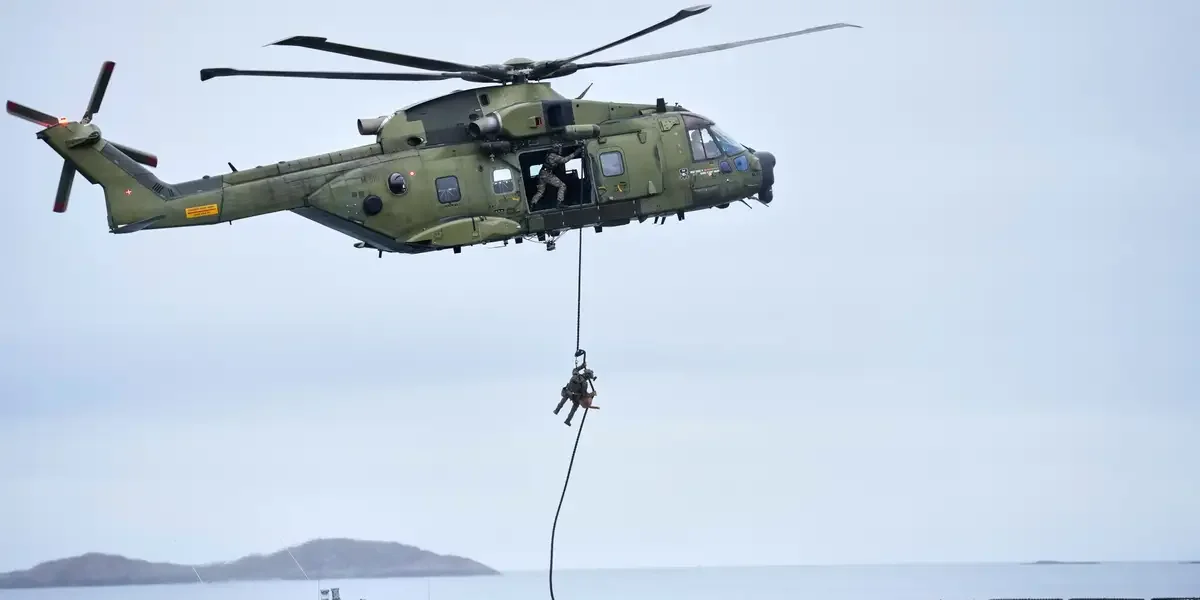
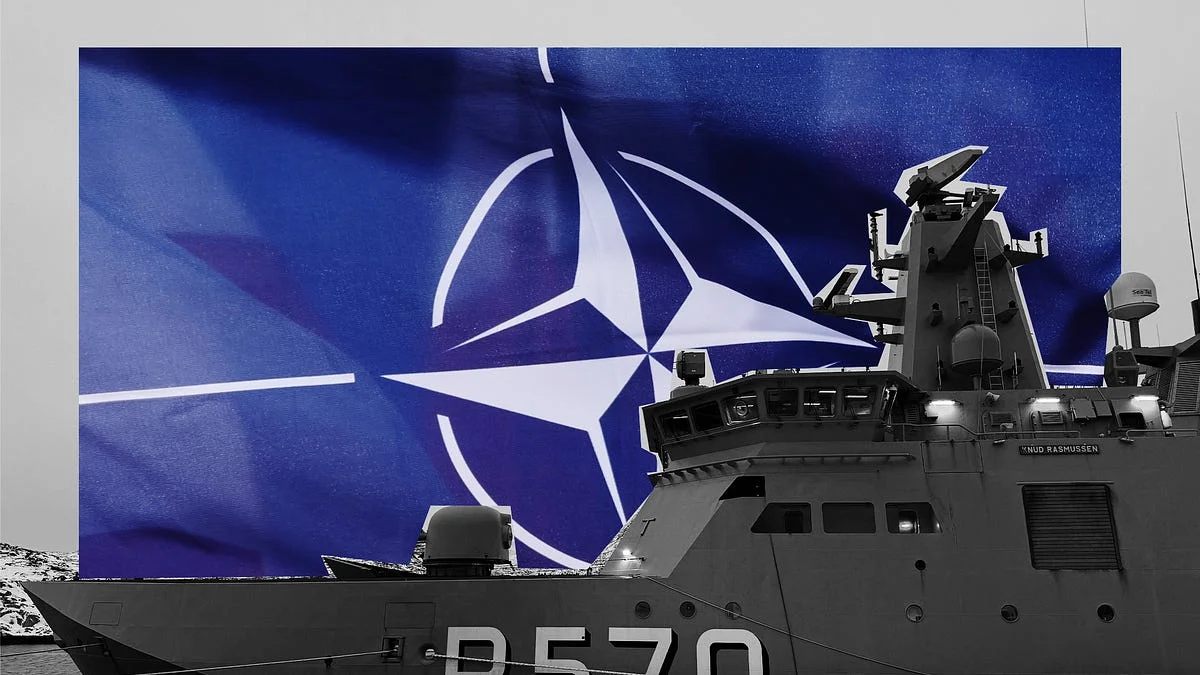
NATO conducted a large-scale military exercise in the North Sea involving 13 countries, showcasing its military capabilities amid heightened tensions with Russia, which has been conducting reconnaissance and hybrid attacks in the region.
The US-Mexico border wall will be painted black to increase heat and difficulty in climbing, as part of broader efforts under the Trump administration to deter illegal crossings, which have significantly decreased recently, alongside increased border security measures and deportations.
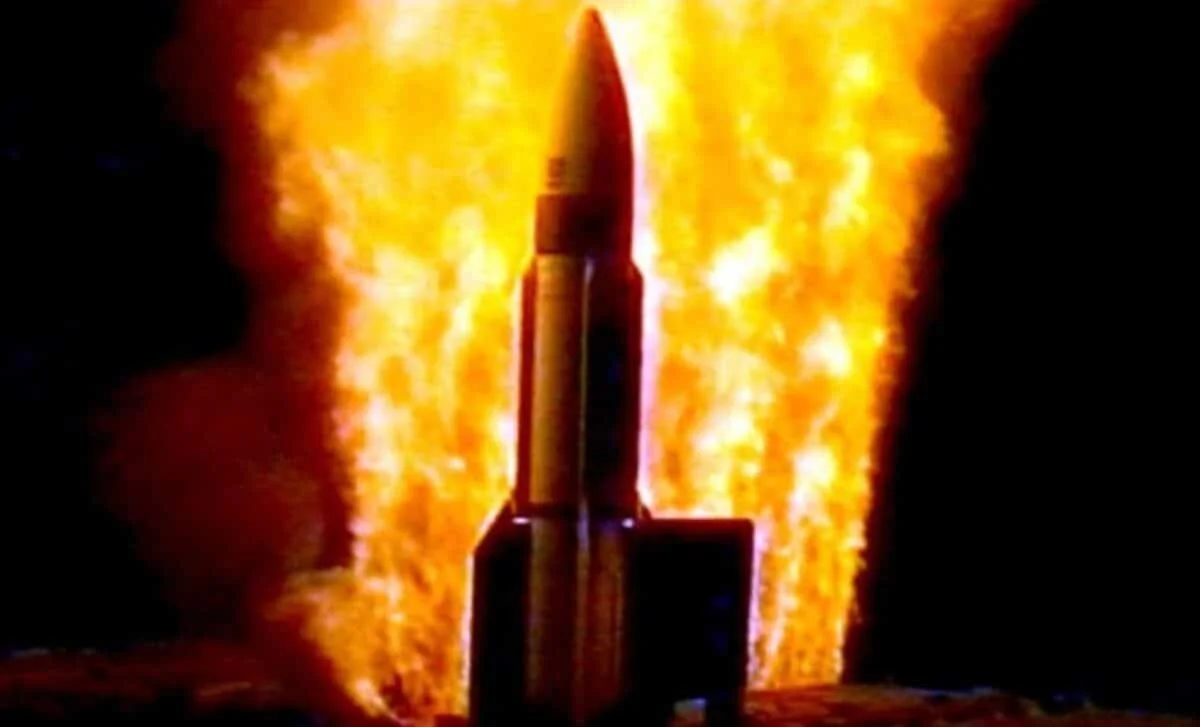
The article emphasizes the importance of shared production, interoperability, and co-manufacturing of munitions among U.S. and allied forces to strengthen deterrence against China and Russia, highlighting existing weapon systems like the SM-6 and Tomahawk, and advocating for expanded allied industrial capacity and distributed manufacturing to ensure credible and resilient defense capabilities in the Indo-Pacific region.
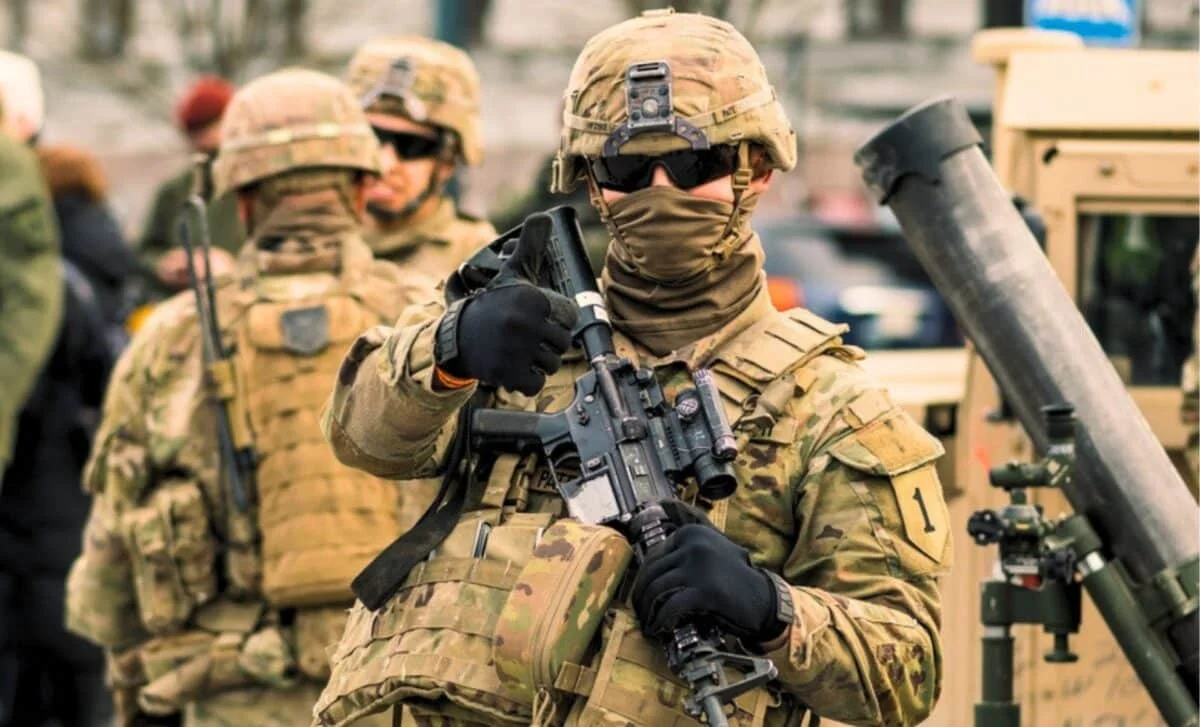
The U.S. Army and NATO are implementing the Eastern Flank Deterrence Line plan to strengthen ground-based defenses and enhance interoperability across alliance members, focusing on countering Russian threats, especially around the Baltic states and Kaliningrad, with standardized, data-driven systems and collaborative military technology development.
The US Pacific Fleet commander stated that despite China's aggressive tactics in the South China Sea, it has failed to intimidate Southeast Asian claimants into surrendering their sovereignty, with regional countries strengthening their maritime capabilities and the US committed to supporting freedom of navigation and regional stability.
The article compares Israel's 1967 nuclear brinkmanship with Iran's current nuclear ambitions, highlighting historical parallels, regional tensions, and the complex politics of nuclear proliferation in the Middle East, emphasizing the potential for escalation and the difficult choices facing both nations and the international community.
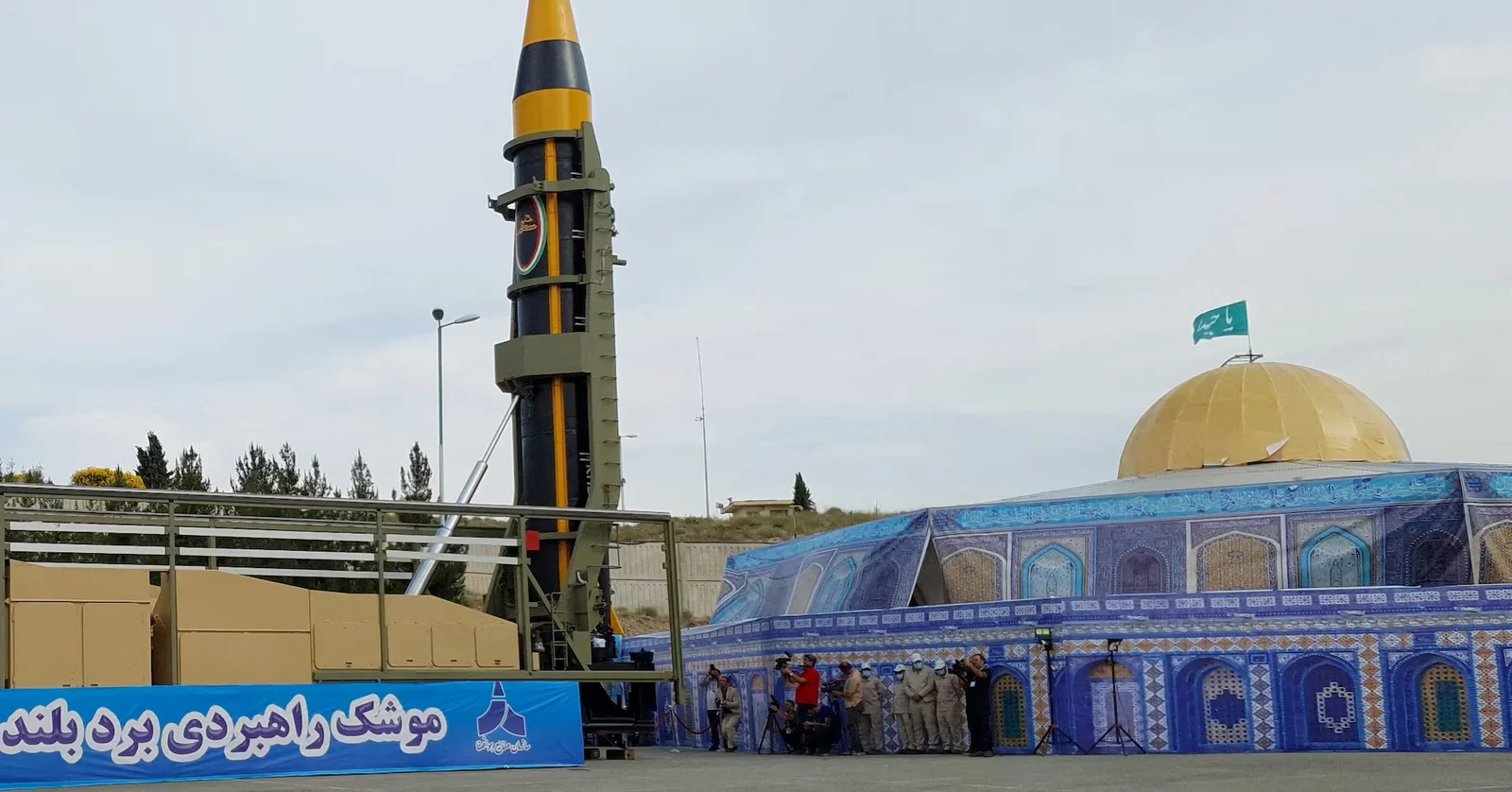
Iran possesses a highly advanced and diverse missile arsenal, including cruise, hypersonic, and long-range systems, but has largely held back from using them in the ongoing conflict with Israel, likely as a strategic deterrence measure and political leverage, with the potential to escalate if necessary.
Israel launched a large-scale attack on Iran's nuclear and military targets, destroying a significant portion of Iran's missile launchers and targeting key figures, while Iran responded with missile barrages, including attacks on urban areas, revealing limits in Iran's missile capabilities and a breakdown in deterrence strategies amid escalating regional tensions.
Iran's hard-liners overplayed their hand in the recent conflict with Israel, leading to significant losses in military capabilities, leadership, and regional influence, ultimately collapsing their decades-long deterrence strategy and exposing their vulnerabilities.
If you encounter a coyote in your backyard, conservation scientist Charles van Rees advises using loud noises like yelling and clapping to scare them away, rather than throwing objects, which can be dangerous. He recommends installing quality fencing and using motion-activated sprinklers or lights as effective deterrents. It's important to keep coyotes out to prevent them from associating your yard with food, which can lead to rare but possible attacks, especially on small pets and children.
U.S. Indo-Pacific Commander Samuel Paparo stated that China's recent military exercises around Taiwan appeared to be a "rehearsal" for an invasion. He emphasized the need for solidarity among the U.S., Japan, and their partners to strengthen deterrence against Beijing.