The Department of War has signed a seven-year agreement with Lockheed Martin to significantly increase PAC-3 MSE missile production from 600 to 2,000 annually, aiming to stabilize demand, boost industrial capacity, and enhance national security through a new acquisition model that encourages long-term investment and supply chain efficiency.
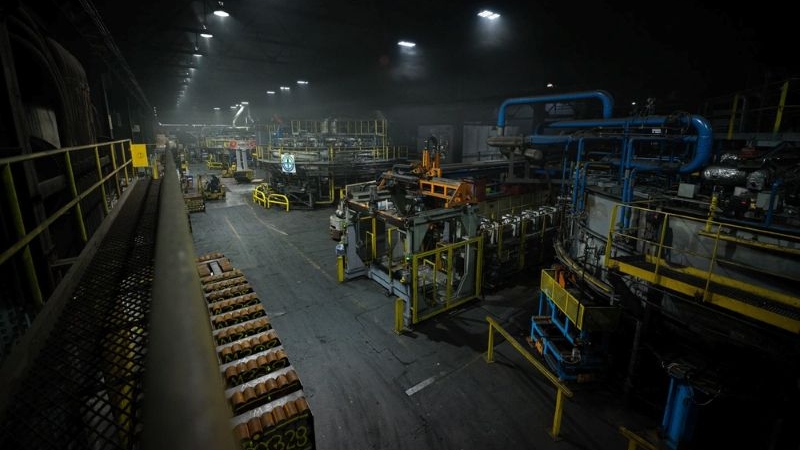
The article emphasizes the importance of shared production, interoperability, and co-manufacturing of munitions among U.S. and allied forces to strengthen deterrence against China and Russia, highlighting existing weapon systems like the SM-6 and Tomahawk, and advocating for expanded allied industrial capacity and distributed manufacturing to ensure credible and resilient defense capabilities in the Indo-Pacific region.
The UK is shifting to a war footing by investing £1.5 billion to establish 'always-on' munitions factories and bolster its defense industry amid ongoing tensions with Russia and support for Ukraine, aiming to enhance military readiness and stockpile weapons, while facing challenges in meeting defense spending targets and modernizing its armed forces.
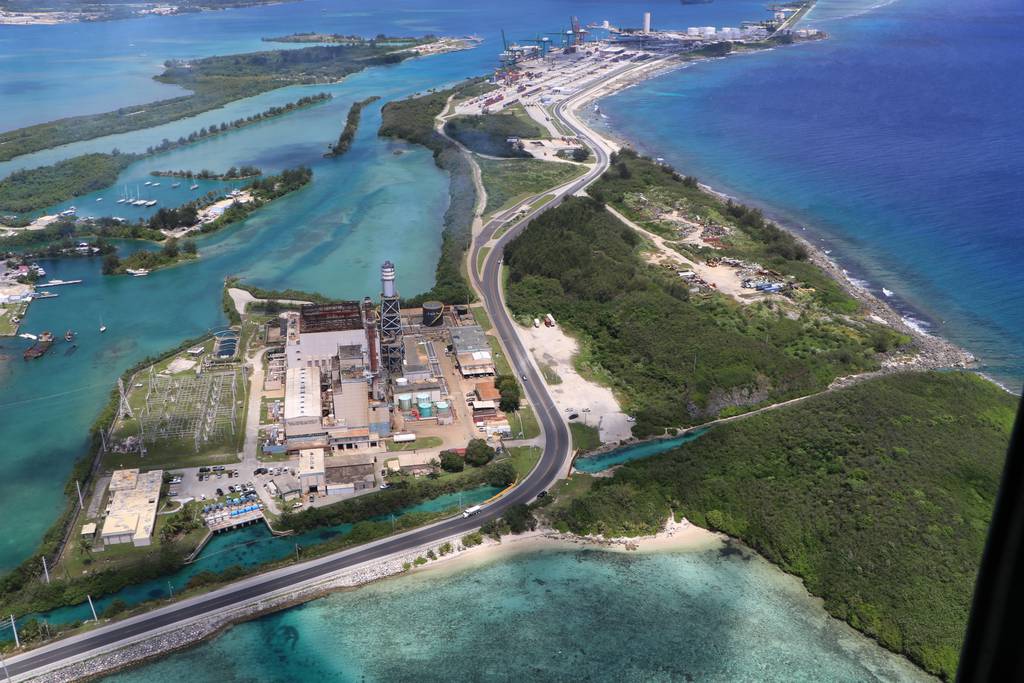
The U.S. Indo-Pacific Command has submitted a wish list to Congress requesting $11 billion more than the White House’s fiscal 2025 defense budget proposal, with a focus on constructing infrastructure, classified space programs, munitions, and Guam defenses to bolster its presence in the region and deter China. The request includes funds for military construction, classified space programs, and munitions procurement, with a significant portion allocated to the Army and Navy. The command's wish list aims to bridge the funding gap reported in its annual assessment to Congress and comes amid ongoing budget negotiations and discussions in Congress.
South Korea's defense minister stated that North Korea has sent around 7,000 containers of munitions and military equipment to Russia since last year to support its war in Ukraine. This comes amid growing tensions with rivals and a streak of weapons displays. The North's increased weapons tests are seen as a distraction from Russia's invasion of Ukraine, and it has aligned with Moscow over the conflict. The South Korean military believes North Korea has been using rail networks to send arms supplies to Russia through their land border, possibly in exchange for aid and military assistance. North Korea's recent missile launches and actions are seen as part of its efforts to bolster its forces and potentially verify the performance of weapons intended for Russia.
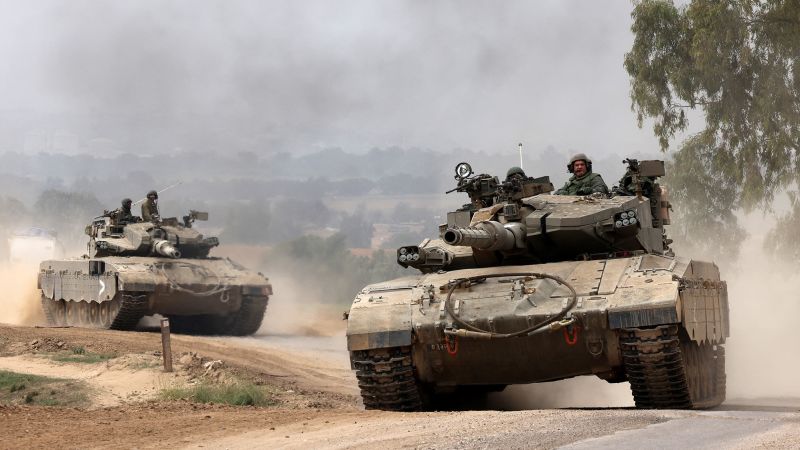
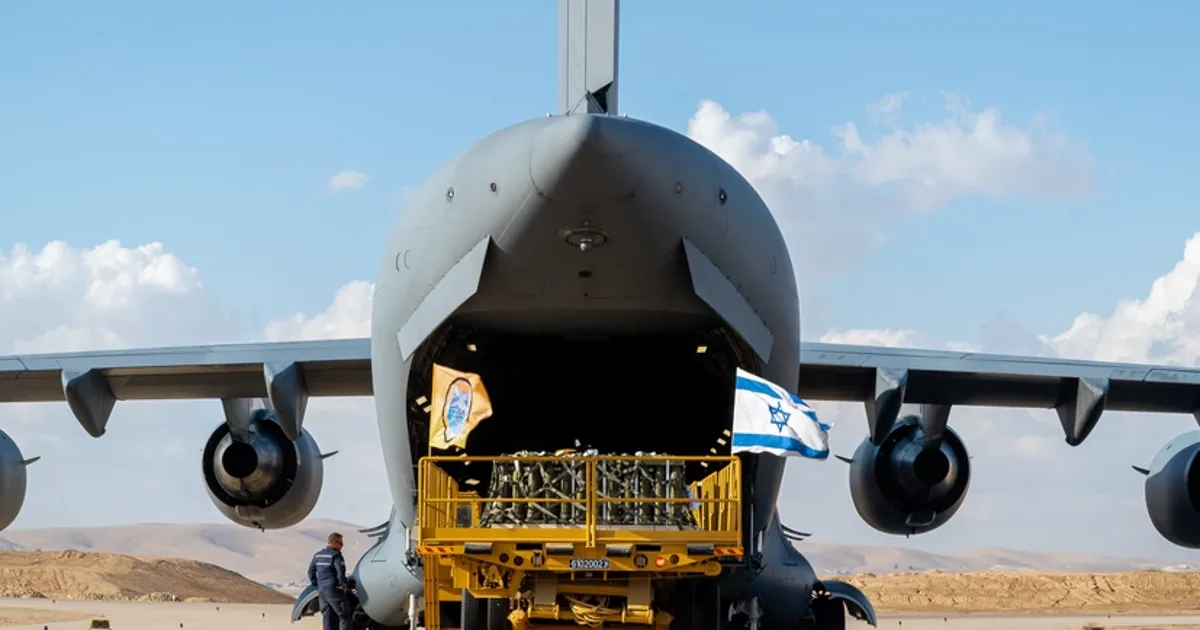
The US State Department has bypassed the standard 20-day congressional review period to send thousands of munitions to Israel amid its conflict with Hamas in Gaza. The emergency declaration followed a request for the sale of 45,000 shells for Israel's tanks. The move comes as the US faces pressure to support a ceasefire and place conditions on the weapons it provides to Israel. The State Department confirmed Secretary of State Antony Blinken's exercise of delegated authority for the immediate approval of the transfer. The US has been discreet about the types of weapons and equipment it is sending to Israel, drawing increased scrutiny following an Amnesty International report on the use of US-made weapons in strikes that killed civilians.
An internal Pentagon document reveals that Israel has requested tens of thousands of 155mm artillery shells, bunker-buster munitions, and kamikaze drones from the United States since the start of the war in Gaza. Congressional Democrats are expressing concerns about the lack of transparency from the Biden administration regarding the munitions supply.
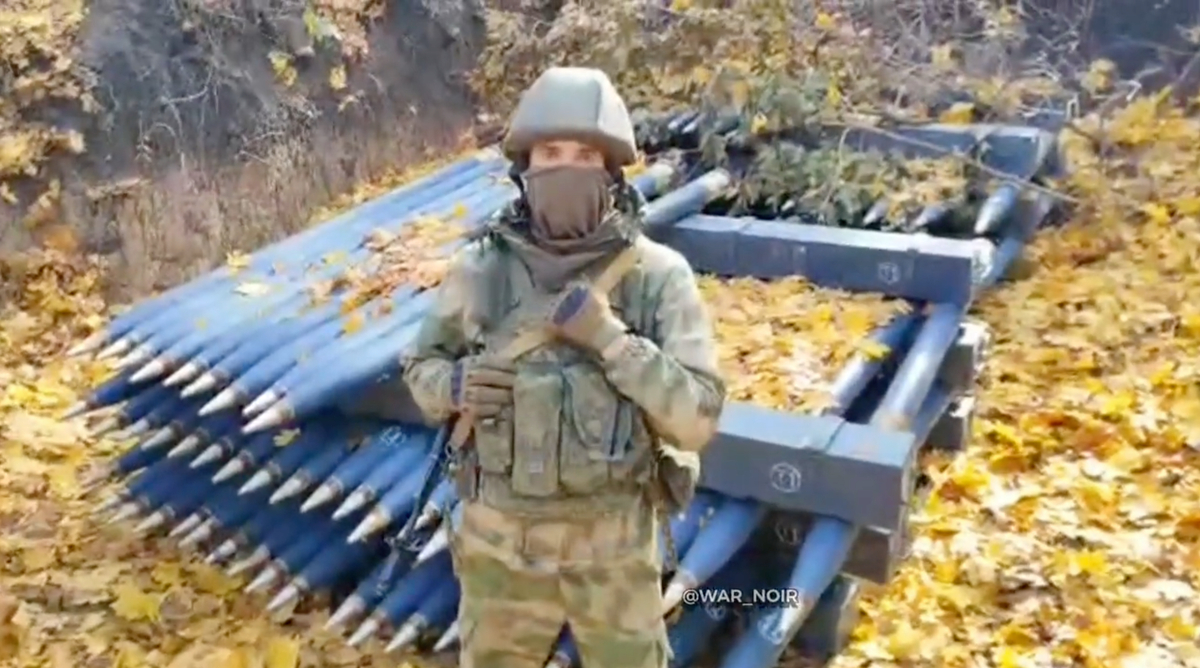
Russian soldiers have confirmed using North Korean munitions in Ukraine, with videos and photos surfacing on social media. The artillery shells, identified as North Korean-made copies of Soviet projectiles, required firing adjustments due to potentially inferior quality. The presence of these shells on the front line suggests Russia's dwindling supply. Estimates suggest that North Korea sent at least 350,000 to 500,000 shells to Russia. Both Russia and North Korea have denied claims of weapon shipments.
Fort Totten Park in Washington, D.C., has been closed after World War I-era munitions were discovered, and officials believe there may be more. Two metal canisters were found in the park, one containing an unknown liquid. Initial testing indicated that the liquid was nonhazardous, but further testing is being conducted. The National Park Service and the Army are seeking funding for a comprehensive investigation. Visitors are urged to stay away from the area and report any encounters with munitions to the police. The park's reopening date is unknown.
South Korea's National Intelligence Service believes that North Korea has sent over a million artillery shells to Russia since August to support Russian President Vladimir Putin's war on Ukraine. The shells would amount to two months' worth of supplies for the Russians, and there are concerns that North Korea may receive advanced Russian technologies in exchange, potentially enhancing its nuclear weapons and missile program. Both North Korea and Russia have denied these claims.
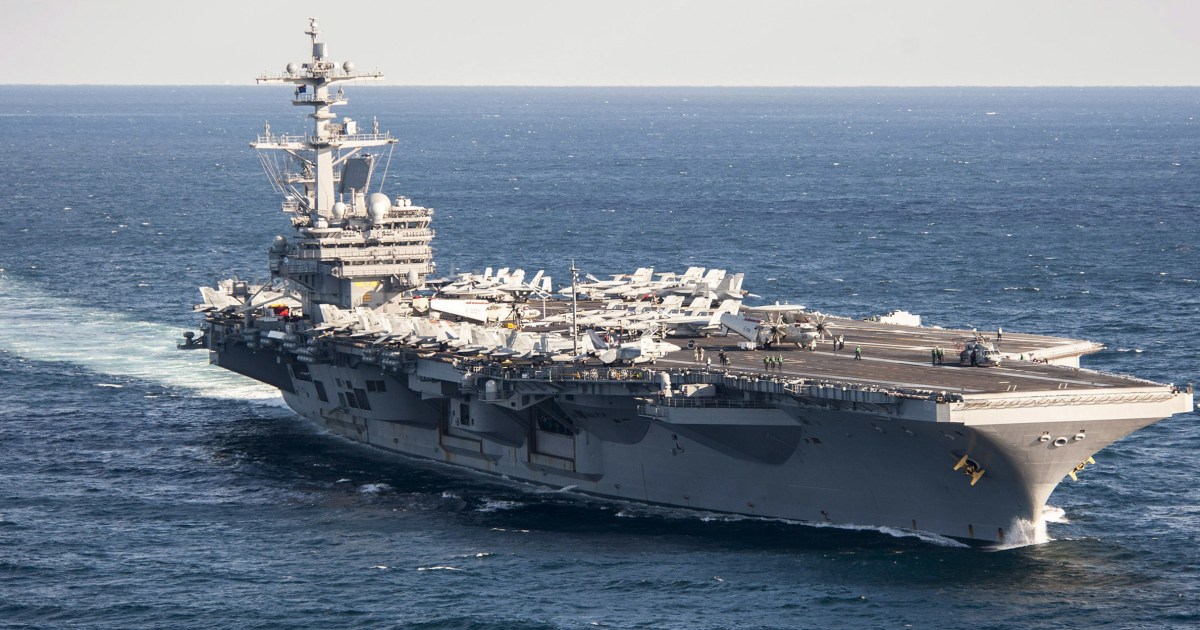
The U.S. Army has stated that additional funding from Congress is needed to ensure the production and acquisition of munitions can meet the needs of both Israel and Ukraine. Army Secretary Christine Wormuth emphasized the importance of increased capacity and funding to support both countries simultaneously. The U.S. has promised aid to Israel following the recent Hamas attacks, with the first shipment of security assistance expected to arrive soon. The Army is currently reviewing Israel's requests for support and assessing the potential impact on U.S. military readiness. Defense Secretary Lloyd Austin has also announced the deployment of the USS Gerald R. Ford Carrier Strike Group to the Eastern Mediterranean, closer to Israel.
The United States is sending an aircraft carrier strike group and military aircraft closer to Israel as a show of support, and will begin supplying Israel with munitions and other military supplies immediately. Defense Secretary Lloyd Austin directed the USS Gerald R. Ford Carrier Strike Group to go to the Eastern Mediterranean, along with augmenting fighter aircraft squadrons in the region. The U.S. government will rapidly provide additional equipment and resources to the Israel Defense Forces, including munitions. The move underscores the United States' strong support for Israel and its commitment to help protect its citizens against terrorist attacks.
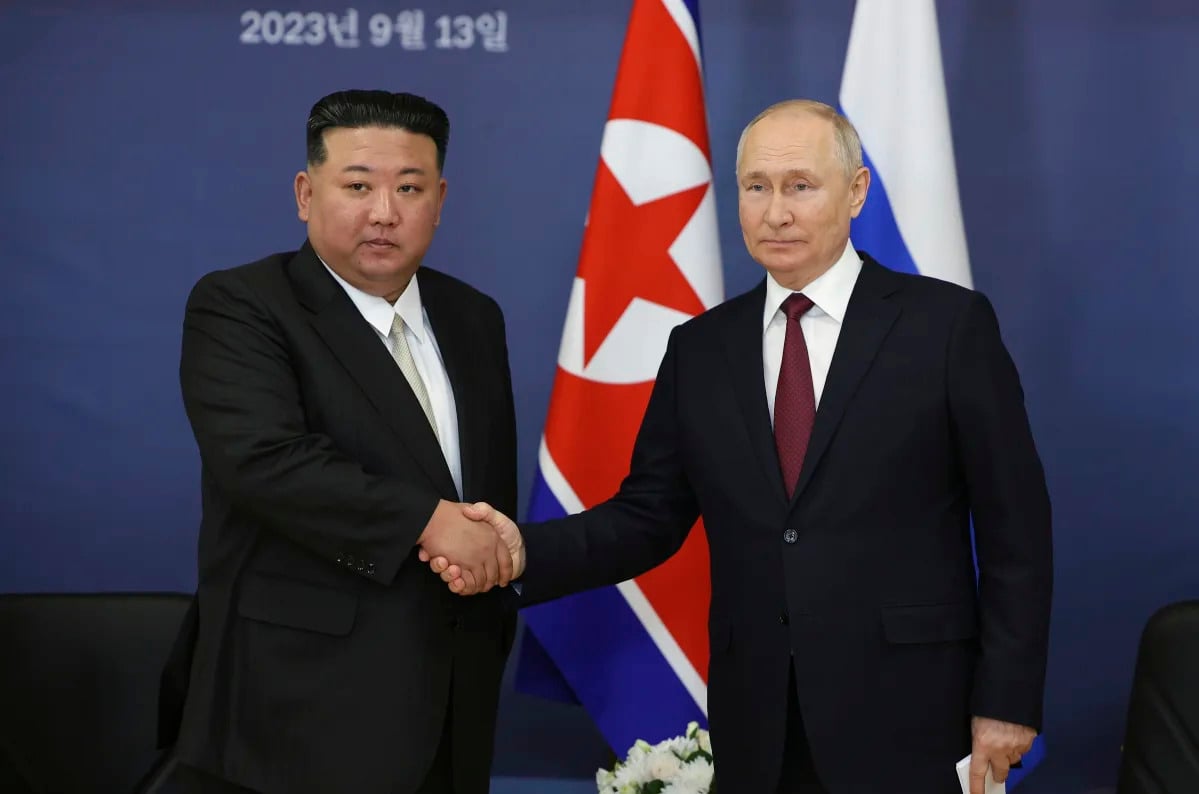
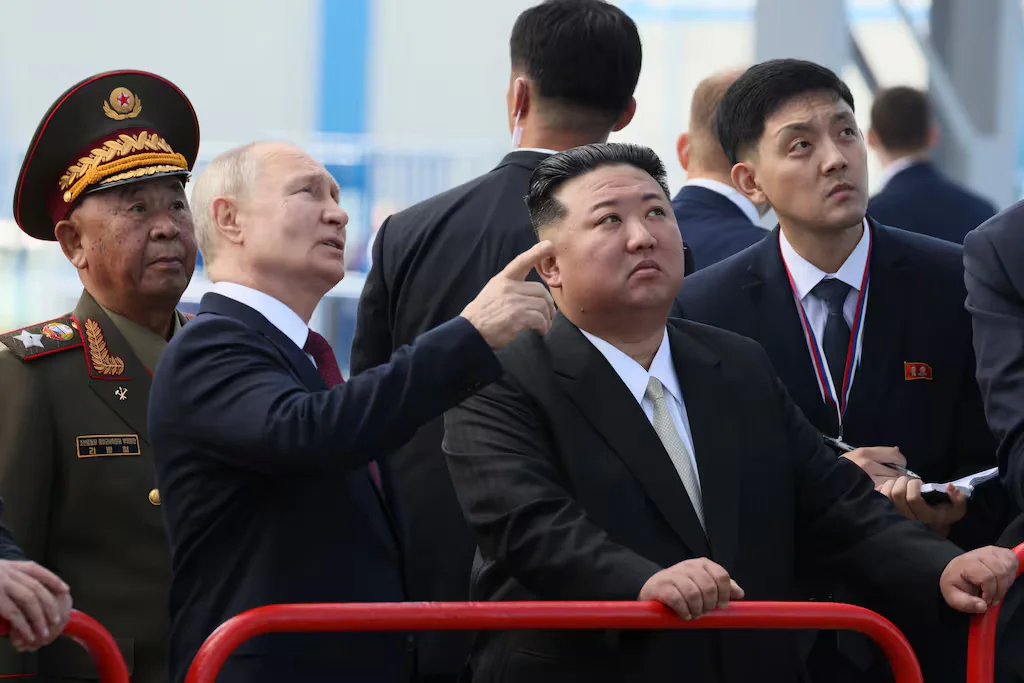
North Korean leader Kim Jong-un has arrived in Russia for a meeting with President Vladimir Putin, where they are expected to discuss bilateral cooperation, including trade and economic ties, as well as military cooperation. The meeting could potentially see North Korea supplying Russia with more weapons for the war in Ukraine, offering Russia access to ammunition that could aid its forces fighting in the conflict. In return, Russia could provide North Korea with advanced technology, food aid, and other resources. This meeting signifies a potential shift in the relationship between the two countries, moving from symbolic displays of cooperation to more substantive exchanges.
The US has accused Russia of requesting munitions from North Korea, violating UN sanctions. The request allegedly occurred in 2020, and the US claims that Russia sought to obtain military equipment and ammunition from North Korea. This accusation further strains the already tense relationship between Russia and the US.
The White House has stated that Russian Defense Minister Sergei Shoigu discussed increasing the sale of munitions to Moscow for its war in Ukraine during his visit to North Korea. The Biden administration sees this as a sign of Russia's desperation, as it relies on countries like North Korea and Iran for arms due to sanctions and export controls. The United States has previously accused Russia of receiving arms shipments from North Korea, and it believes that Iran has been a crucial supplier of attack drones for Russia. The Biden administration has been releasing intelligence findings to highlight Russia's limited options for resupplying weapons.