Thanksgiving is a time when food waste in the U.S. significantly increases, with an estimated 316 million pounds of food being discarded, according to ReFed. This amount, valued at over $550 million, could feed every food-insecure person in the country five times, highlighting the need for more sustainable practices during the holiday.
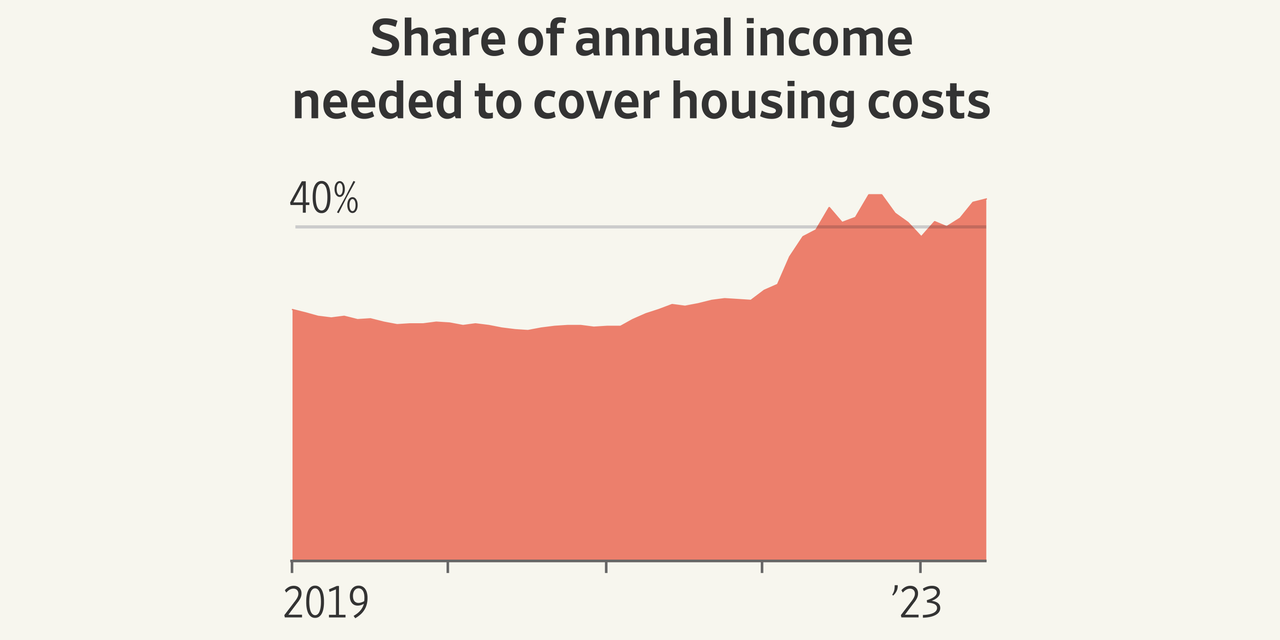
Despite easing from 2022 highs, inflation continues to severely impact American parents, with only 64% reporting financial stability in 2023. Child care costs have surged nearly 20% from 2016 to 2021, leading many parents into debt. Rising prices for necessities like food, rent, and energy are exacerbating financial pressures, particularly for lower-income families.
US households are facing increasing financial pressure as the cost of carrying debt, including credit card and auto loan interest rates, rises to the highest levels in more than a decade, with delinquency rates also on the rise. This marks the first time on record that interest payments on non-mortgage debts are as significant a financial burden for US households as mortgage interest payments, adding to the strain of managing budgets amidst inflation.
Recent data from the U.S. government reveals that consumer spending is driving strong economic growth, defying economists' predictions of a recession. Despite rising borrowing costs and depleted savings, consumer spending has remained robust, fueled by factors such as sturdy hiring, low unemployment, and healthy finances for most households. Wealthier households, in particular, have seen substantial growth in home values and stock portfolios, contributing to their increased spending. While economists caution that spending may cool in the coming months, the durability of consumer spending has caught the attention of Federal Reserve officials. However, challenges such as student loan repayments and potential government shutdowns could impact consumer spending in the future.
U.S. households have significantly increased their holdings in the U.S. Treasury market, reaching about $2.5 trillion from less than $1 trillion since the Federal Reserve began raising rates in 2022. This surge in ownership is the highest level in the past 25 years. The recent rise in the 10-year Treasury yield to almost 4.5%, the highest since 2007, has attracted households and real money investors. However, the increase in yields has led to a sell-off in rate-sensitive sectors and technology stocks, causing sharp weekly losses in the stock market. Higher borrowing costs are also impacting consumers and major corporations with maturing debt. The bond market has seen gains erased by rising yields, with negative returns for the year.
American households are facing the reality of higher interest rates, which are expected to remain elevated. This will have a significant financial impact, increasing borrowing costs and potentially affecting the overall economic outlook.
The U.S. stock market's surge has driven U.S. household wealth to a record high of over $154 trillion in Q2, aided by a rebound in property values, according to Federal Reserve data. Household net worth rose 3.7% from the previous quarter, fully recovering from losses incurred during the bear market and weaker real estate values. The S&P 500's strong performance and rising property values contributed to the overall wealth gain. However, household cash reserves continued to decline for the fifth consecutive quarter, while debt levels for households, businesses, and governments continued to rise.
The Federal Reserve's 2022 Survey of Household Economics and Decision Making (SHED) report found that historically high inflation had a significant impact on Americans' finances last year, with rising prices outpacing wage gains and reducing household budgets. The share of US adults who reported being worse off financially than a year earlier rose to 35%, the highest level in nearly a decade. The report also found that financial well-being declined markedly, with 73% of respondents saying they were doing at least OK financially, a drop of five points from the year prior. Additionally, anxiety about being able to afford retirement increased, with only 31% of non-retirees reporting that their retirement savings plans were on track last fall.
The Federal Reserve Board's Economic Well-Being of U.S. Households in 2022 report shows that higher prices have negatively affected most households and overall financial well-being declined over the prior year, though workers continued to benefit from a strong labor market. The report draws from the Board's tenth annual Survey of Household Economics and Decisionmaking, or SHED, which was conducted in October of last year. The report discusses findings related to financial well-being, income, expenses, employment, banking and credit, housing, retirement and investments, and higher education and student loans.