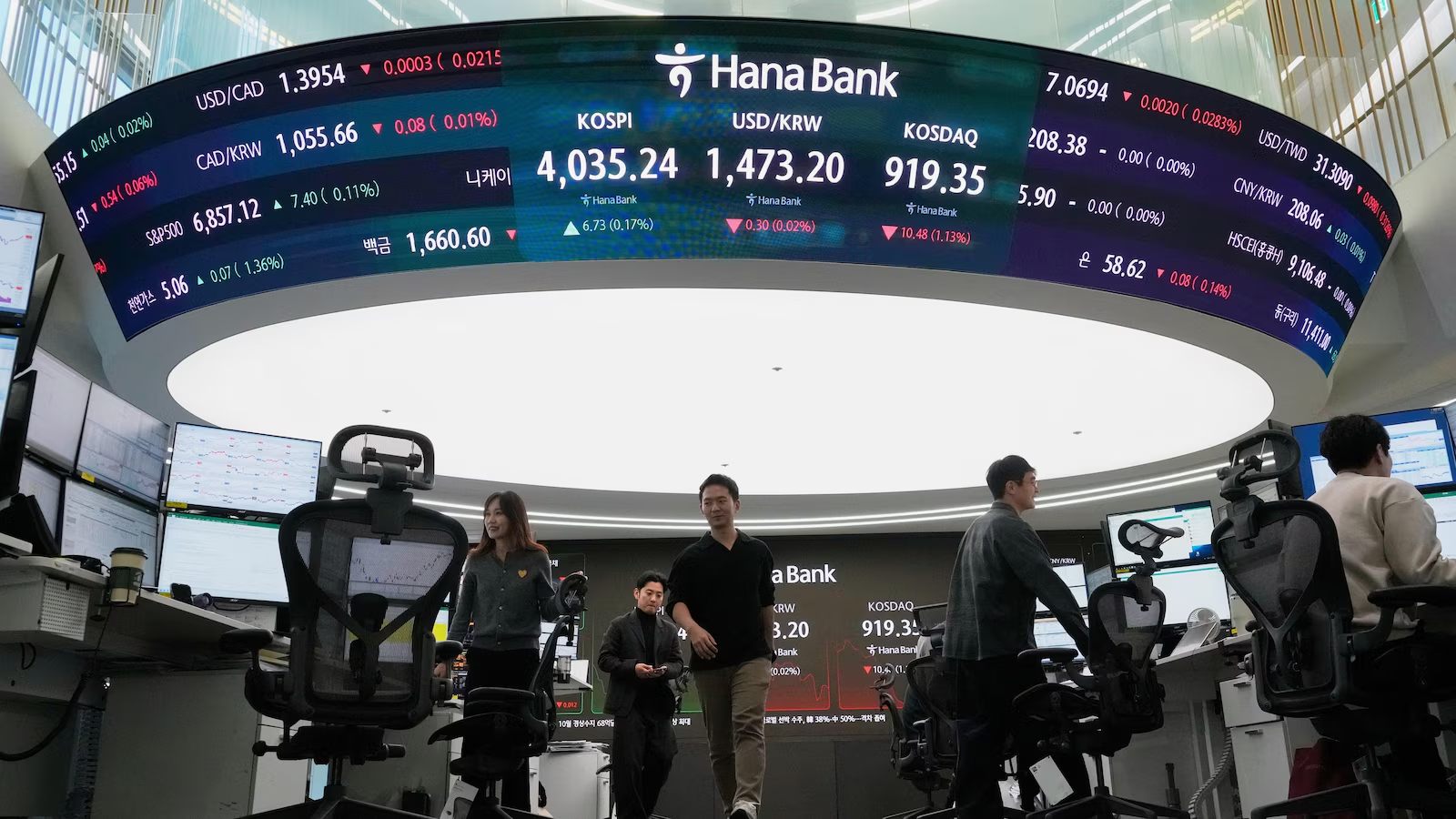
Asian shares and US futures declined ahead of key US employment and inflation reports, with investors cautious about potential interest rate changes and economic slowdown signals, amid mixed corporate earnings and global economic data.
US stock futures rose ahead of a key inflation report, with investors betting on a Federal Reserve rate cut despite mixed economic signals from Europe and strong earnings reports, setting the stage for potential volatility after recent data delays.
US stock futures are flat as the Nasdaq reaches a new high, with investors awaiting the Federal Reserve's decision, indicating cautious market sentiment ahead of upcoming monetary policy announcements.
US stock futures are slightly higher as investors await retail earnings reports and the Federal Reserve's upcoming meeting, indicating cautious optimism in the financial markets.
Financial markets opened the week cautiously due to geopolitical tensions affecting investment outlooks, with Asian equities declining, particularly in Korea amid a political crisis. Chinese stocks also fell following weak demand recovery data, while European and US futures saw slight decreases.
U.S. stock futures are slightly down on Thursday following record highs, as Federal Reserve Chair Jerome Powell's comments on the economy and inflation suggest a cautious approach to rate cuts. Despite this, market expectations for a December rate cut have increased. Bitcoin has surged past $103,000, boosting stocks like MicroStrategy and Coinbase. Meanwhile, crude oil prices are up ahead of an OPEC+ decision, and U.S. economic data shows mixed results with lower-than-expected private payrolls and a drop in the ISM services PMI.
U.S. stock futures are down on Tuesday due to cautious investor sentiment influenced by Federal Reserve Chair Jerome Powell's comments on interest rates and geopolitical tensions from Russia's nuclear policy expansion. Economic data showing strength has reduced expectations for immediate rate cuts, while upcoming earnings reports and geopolitical developments are also impacting market outlook. Key stocks like Tesla and Alphabet are in focus, with Tesla shares rising and Alphabet facing antitrust challenges.
U.S. futures dipped on Thursday amid concerns over weak Treasury sales and potential Federal Reserve interest rate cuts. Salesforce shares fell after its second-quarter forecast missed estimates, while activist investor Nelson Peltz sold his Disney stake following a failed proxy battle. UBS reshuffled its leadership team, and crude prices declined despite a significant draw in U.S. oil inventories.
US futures ticked up as investors cautiously await Israel's reaction to Iran's missile attack, with S&P 500 and Nasdaq 100 futures gaining ahead of Monday's opening bell. Oil prices dipped after a surge triggered by anticipation of Iranian attacks on Israel, while gold prices remained near record highs as a safe-haven asset amid geopolitical uncertainty. Bitcoin rebounded after falling sharply over the weekend, and markets steadied amid calls for restraint from world leaders. Investors are focused on the Middle East developments, with potential impacts on inflation, economic growth, and Federal Reserve rate cuts, while upcoming earnings reports from Goldman Sachs and other major firms, as well as retail sales data and comments from policymakers, will also be key factors in the week ahead.
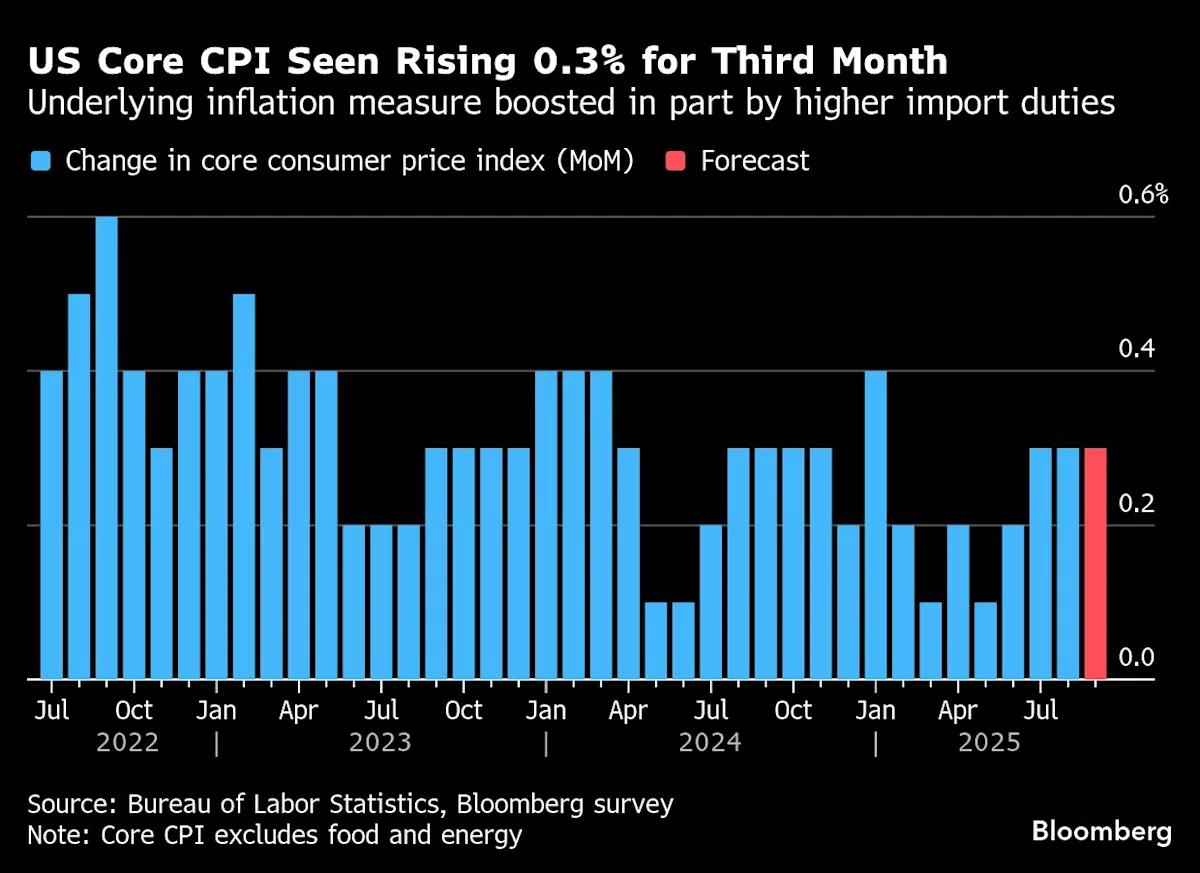
US equity futures edged higher, signaling a potential rebound on Wall Street after a recent slump driven by surging oil prices and expectations of strong labor market data. Concerns about inflation and the Federal Reserve's interest rate decisions continue to weigh on markets, with oil prices near a five-month high. Investors are closely watching the upcoming US nonfarm payrolls data and inflation figures for further insights into the economic outlook and potential Fed actions.
US stock futures fell as investors' optimism for interest rate cuts was tempered and concerns about China's economy grew. Policymakers are pushing back against expectations of imminent rate cuts, and disappointing GDP data from China added to the worries. Hopes now rest on quarterly earnings and the release of the December retail sales report, with a focus on regional bank fourth quarter results.
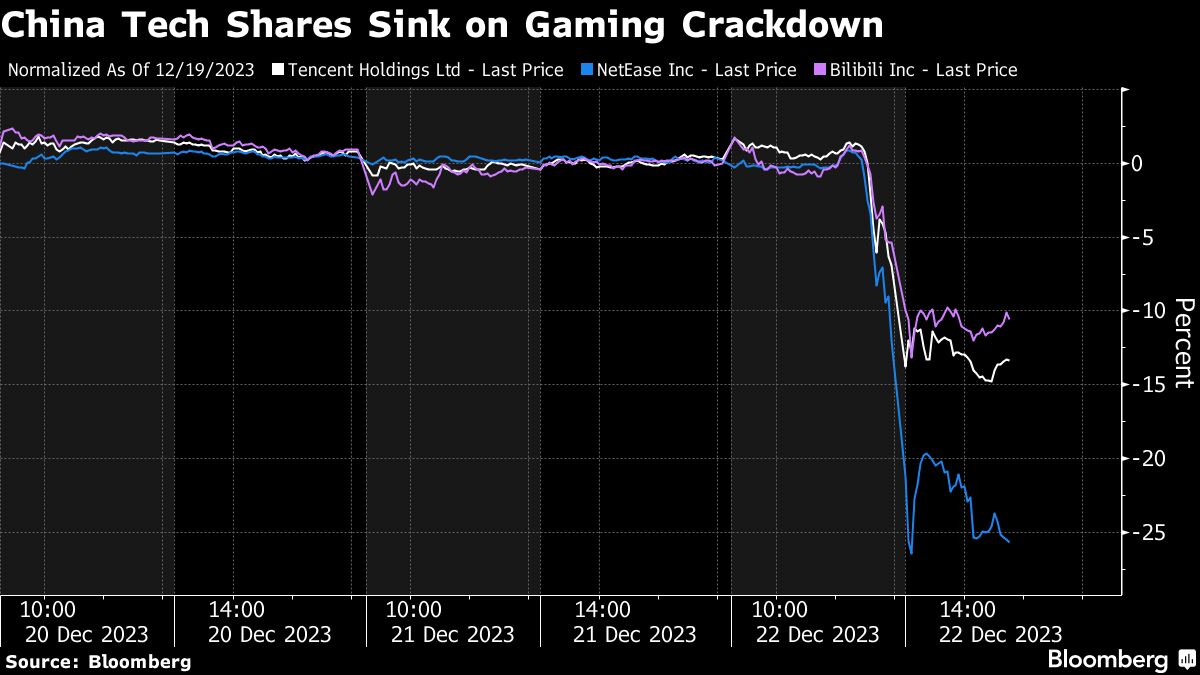
European stocks and US futures declined as investors awaited the release of a US inflation gauge that could impact Federal Reserve policy. Technology stocks led the decline in European markets, with Prosus NV plunging after China announced new restrictions on online gaming. Adidas AG and Puma SE also slumped following a weak sales outlook from US competitor Nike Inc. The US core personal consumption expenditures price index is expected to show a decline, potentially strengthening expectations of Fed rate cuts next year. Treasury yields and the dollar remained steady, while oil extended its weekly gain amid increased attacks in the Red Sea.
US stock futures slipped, indicating a possible pullback in the record-setting rally as cooling inflation overseas boosted expectations of early interest-rate cuts. The Dow and S&P 500 futures were down around 0.2%, while Nasdaq 100 futures fell 0.3%. Despite hawkish comments from Federal Reserve officials, investors remain optimistic. A drop in UK inflation and German wholesale inflation added to the positive sentiment. However, concerns arise about whether faster rate cuts could lead to an economic downturn. Investors will closely watch upcoming data for clues on the Fed's ability to achieve a "soft landing." FedEx shares tumbled 9% in premarket trading after missing profit expectations and cutting its full-year revenue forecast.
US stock futures rose, with the Dow Jones eyeing a third-straight record high, as the prospect of deeper and earlier interest-rate cuts continued to buoy spirits. The Federal Reserve's surprise shift in tone to dovish this week, signaling more rate cuts in 2024, has helped drive a record-setting rally in US stocks. However, some caution that markets could be getting ahead of themselves, and central banks in Europe discouraged hopes for an easing of policy. Additionally, the expiration of $5 trillion in US stock options, 80% in S&P 500-linked contracts, could limit any potential pullback.