In 2025, both Apple and Meta faced significant challenges in the VR headset market, with Apple shipping only 45,000 Vision Pro units and Meta experiencing a 16% decline in Quest shipments, amid a broader market downturn and reduced advertising. Despite the slump in consumer VR, the market for smart glasses is booming, with IDC projecting a 211.2% growth in 2025, and Apple and Meta exploring enterprise and educational applications for their devices. The market is expected to recover somewhat in 2026, especially for Apple with plans for a lower-cost headset targeting enterprise use.

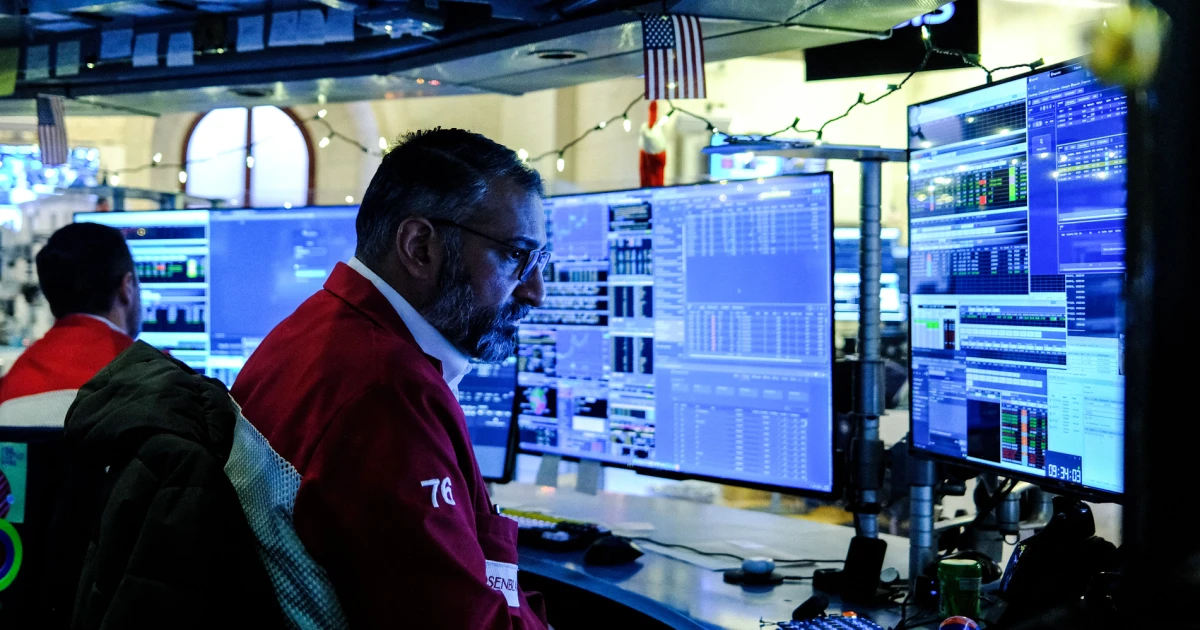
The stock market ended 2025 with declines across major indices, testing key levels, while specific stocks like Tesla, Palantir, Nvidia, and Taiwan Semiconductor are in focus due to their recent performance and upcoming earnings reports. The market experienced a continued post-Christmas downturn, with major indexes falling and some leading stocks showing signs of damage, amid a broader economic backdrop of falling oil prices and bond yields. Investors are advised to review their positions and stay alert for opportunities in the new year.
The cryptocurrency market experienced a significant decline in 2025, erasing previous gains despite initial optimism fueled by Donald Trump's pro-crypto policies. Market value dropped by $1 trillion, with bitcoin's price falling from an all-time high of $126,000 to around $90,000, amid geopolitical tensions, macroeconomic factors, and industry-specific challenges. Despite the downturn, some industry leaders remain optimistic about the long-term prospects of crypto.
Middle East IPOs have decreased by a third as the post-pandemic boom in the region's markets diminishes, reflecting a slowdown in new public offerings after a period of rapid growth.
The article argues that Xbox has struggled significantly in 2025, losing market share to PlayStation 5 due to lack of compelling exclusives, high prices, and poor sales, leading Microsoft to consider shifting focus from traditional consoles to PC-like gaming devices and handhelds, signaling a potential transformation of the Xbox brand.
The tech sector declined as Oracle failed to secure a $10 billion AI debt deal, raising concerns about AI investment bubbles, while investor Michael Burry warned of a potential bear market due to increased stock market wealth and AI-driven risks, despite his own short positions in AI stocks.
The S&P 500 has fallen for four consecutive days, led by tech stocks like Oracle and Nvidia, amid concerns over AI-related debt and a warning from investor Michael Burry about a potential market downturn due to increased household wealth in stocks and risky AI investments. Oracle's failed $10 billion debt deal and rising concerns over AI bubble risks contribute to the cautious market sentiment, with analysts highlighting potential overexuberance in data center spending and a shift away from the top-performing Magnificent Seven stocks.
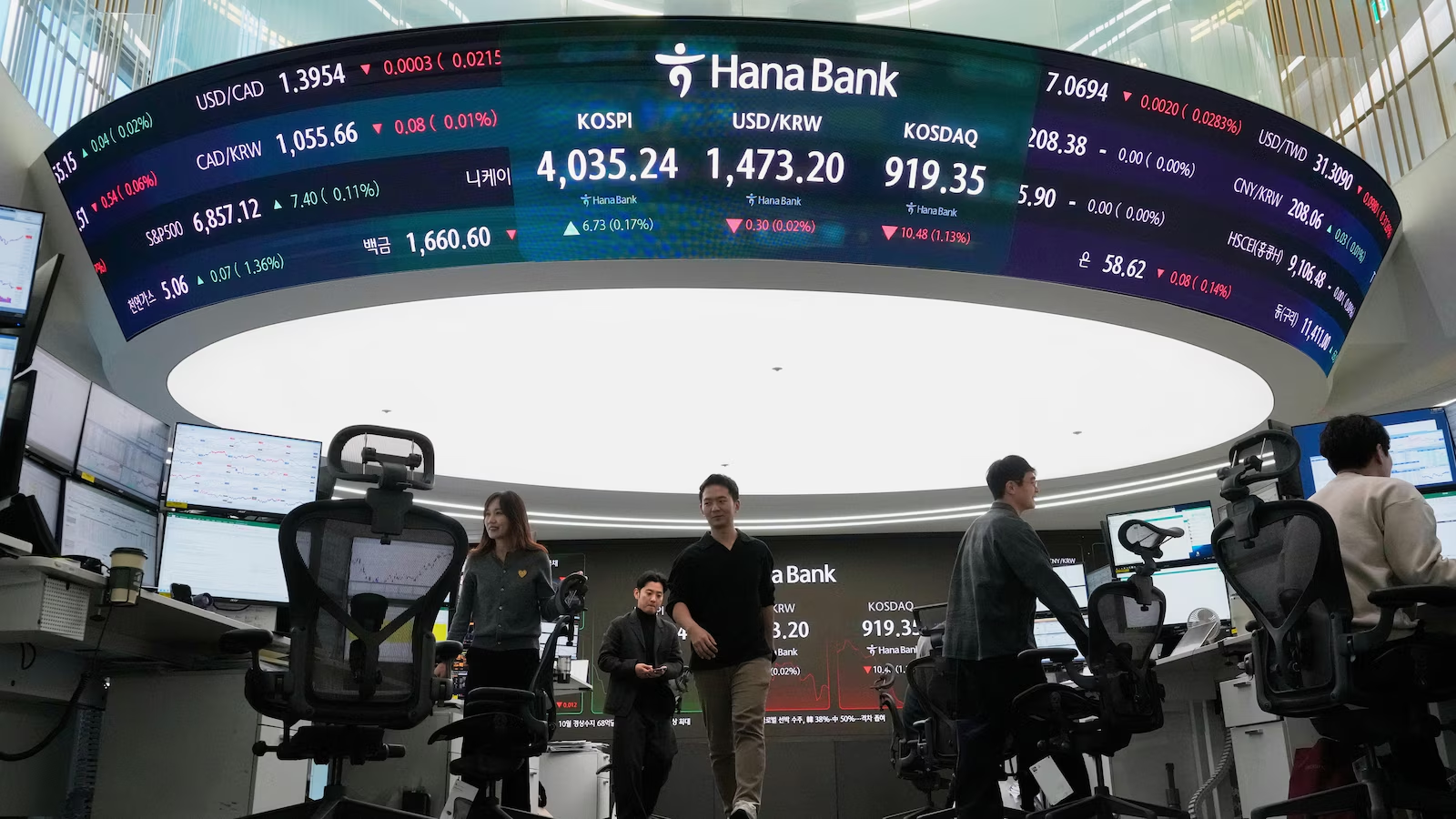
World shares showed mixed results following a decline in US markets driven by AI stocks, with traders awaiting US inflation data and Japan's interest rate decision; Asian markets experienced declines and gains, while oil prices rose after geopolitical developments.
Investors' concerns over Oracle's high debt levels have led to a significant stock decline and the withdrawal of Blue Owl Capital from a $10 billion data center project, raising fears of delays in AI-related infrastructure. This has contributed to a broader market downturn, with major U.S. indexes falling, amid ongoing worries about an AI bubble and global market movements.
Stocks declined sharply due to renewed fears in the AI sector, triggered by concerns over Oracle's data center funding, leading to drops in major tech stocks and broader market indices, though analysts remain optimistic about the long-term AI rally.
Oracle led the market lower, while two of Jim Cramer's favorite undervalued stocks received upgrades, highlighting ongoing market volatility and investment opportunities in overlooked stocks.
The article discusses a significant selloff in individual tech stocks like Oracle and CoreWeave, which are involved in AI infrastructure, suggesting a potential burst of the AI bubble. Despite these declines, the overall stock market remains broadly bullish, with investors shifting from overextended tech stocks to other sectors, indicating a cautious but not catastrophic market correction.
Asian shares and US futures declined ahead of key US employment and inflation reports, with investors cautious about potential interest rate changes and economic slowdown signals, amid mixed corporate earnings and global economic data.
Asian stocks declined ahead of key US jobs data, with markets showing risk-off sentiment as investors await economic indicators that could influence interest rate policies. US and European markets fell, and tech stocks, especially AI-related firms, faced pressure amid a broader rotation out of technology shares. The upcoming US jobs report and other economic data are expected to significantly impact market directions in the near term.