
The core personal consumption expenditures (PCE) price index, a key inflation gauge used by the Federal Reserve, rose 0.1% in November and increased 3.2% from a year ago, slightly below economists' expectations. On a six-month basis, core PCE increased 1.9%, indicating that the Fed is nearing its inflation target. Consumer expenditures and income also rose in line with expectations, suggesting continued spending despite ongoing inflation pressures. The Fed prefers PCE as an inflation measure and has indicated it is done raising rates, with expectations of rate cuts in 2024.
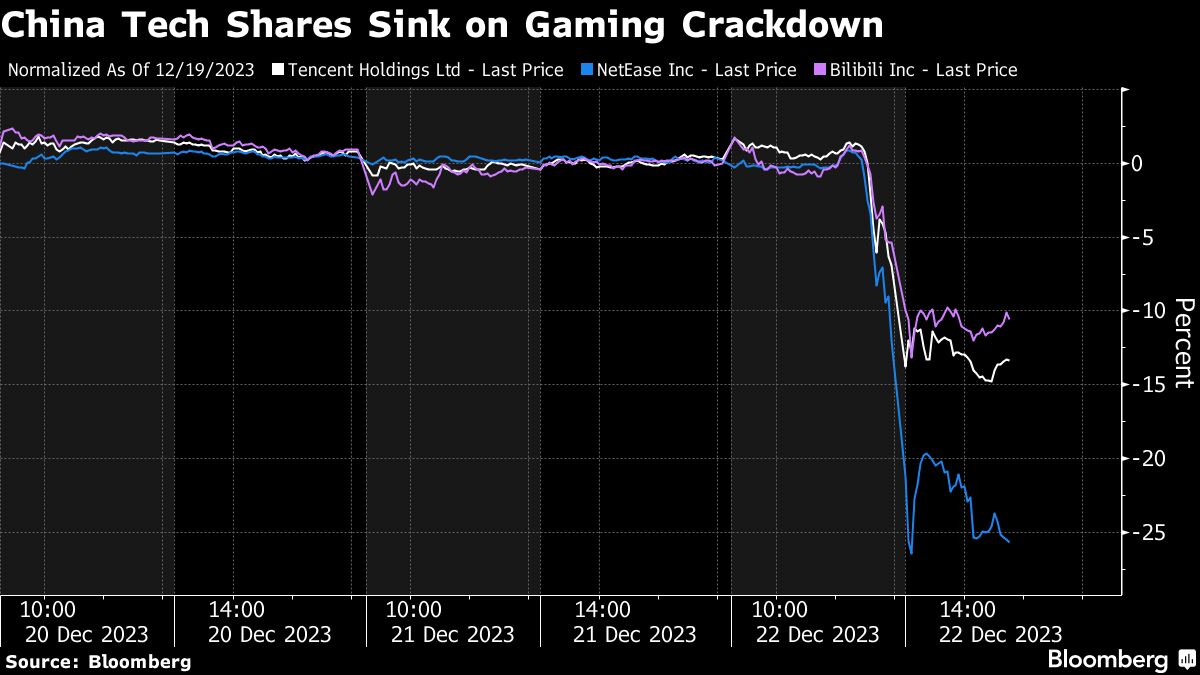
European stocks and US futures declined as investors awaited the release of a US inflation gauge that could impact Federal Reserve policy. Technology stocks led the decline in European markets, with Prosus NV plunging after China announced new restrictions on online gaming. Adidas AG and Puma SE also slumped following a weak sales outlook from US competitor Nike Inc. The US core personal consumption expenditures price index is expected to show a decline, potentially strengthening expectations of Fed rate cuts next year. Treasury yields and the dollar remained steady, while oil extended its weekly gain amid increased attacks in the Red Sea.
The Federal Reserve's preferred inflation gauge, the personal consumption expenditures (PCE) price index, showed its biggest monthly increase since May, indicating rising inflationary pressures. The PCE price index rose by 0.6% in November, surpassing expectations, driven by higher energy prices and supply chain disruptions. This data suggests that inflation remains a concern for the central bank as it continues to monitor economic conditions and consider its monetary policy approach.
Dow futures are slightly up as investors await the release of the inflation gauge report. The S&P 500 and Nasdaq Composite are also expected to open higher.