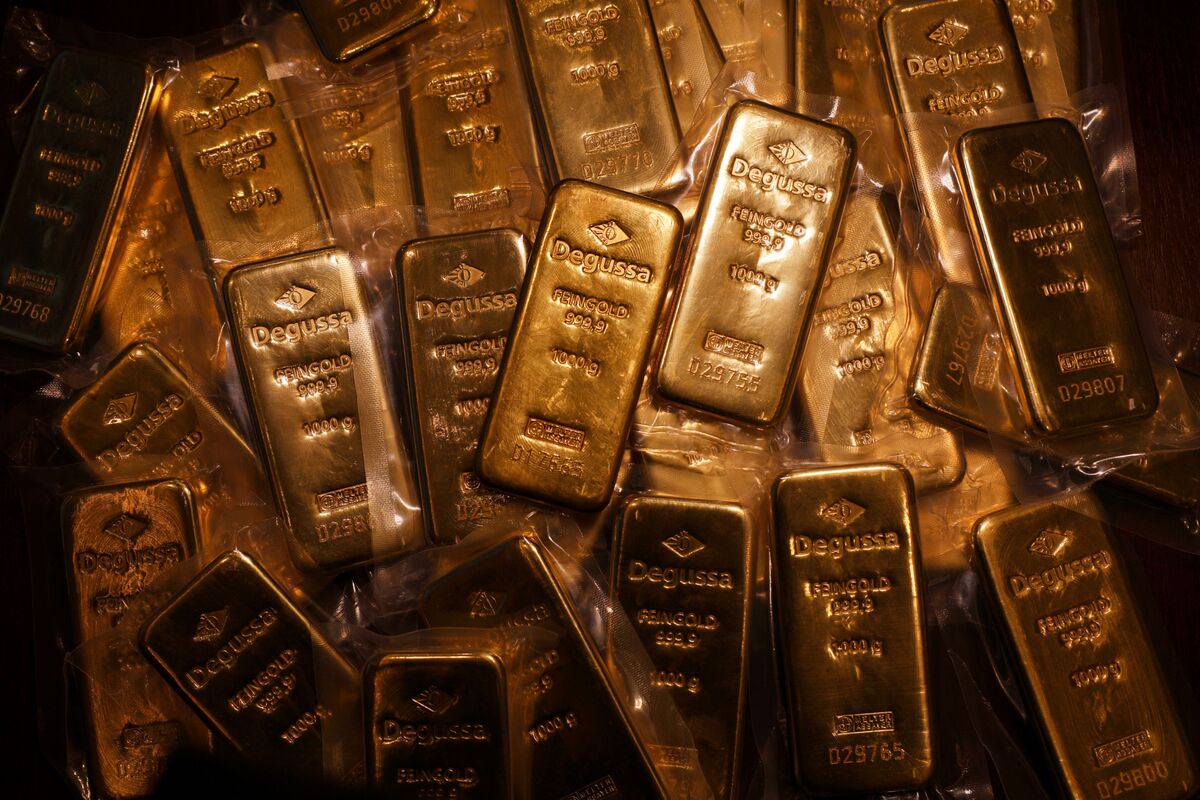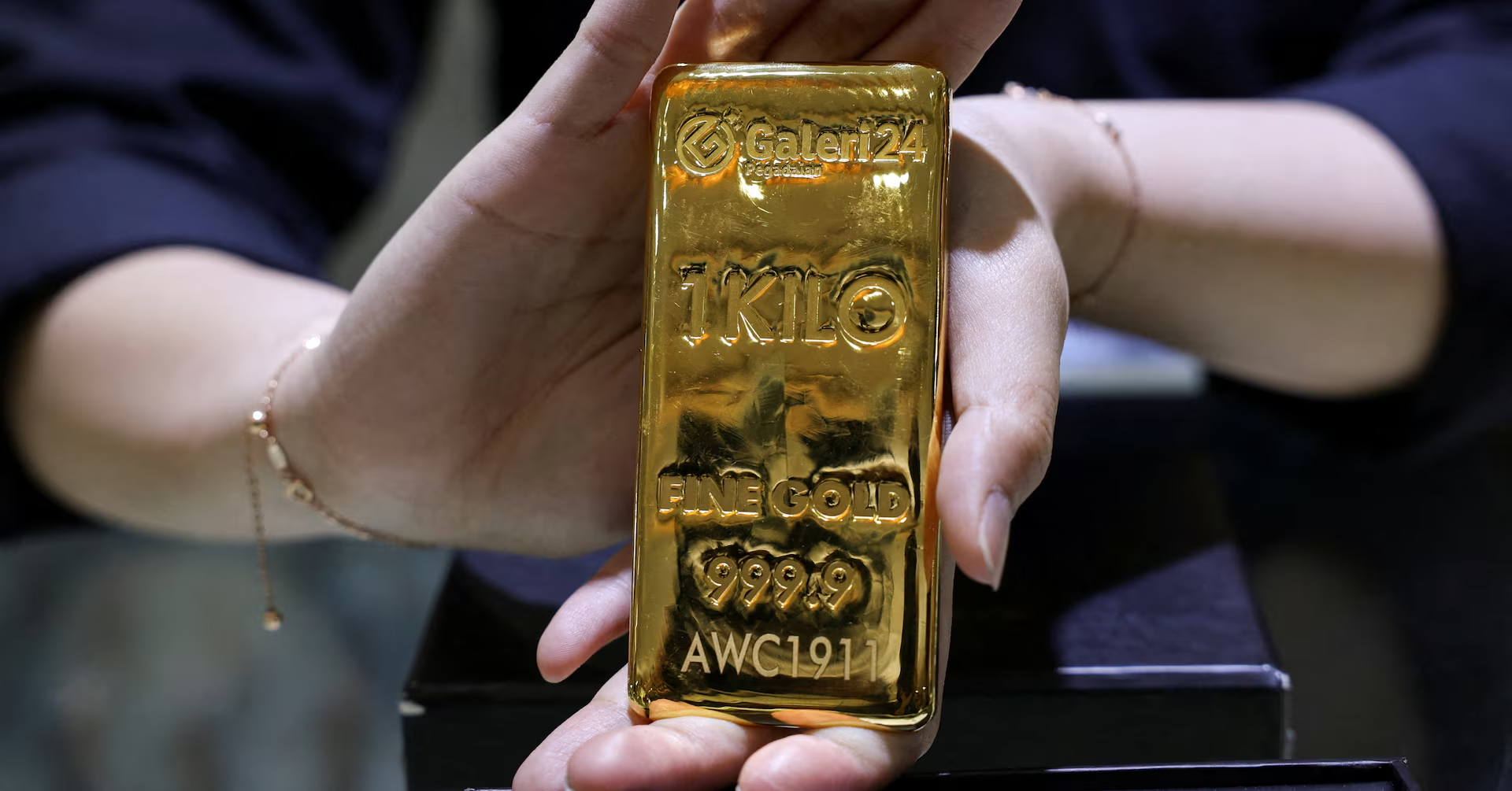
Gold prices reached a six-week high and silver hit an all-time record, driven by expectations of US interest rate cuts and a weakening dollar, amid anticipation of key economic data and dovish signals from Fed officials.
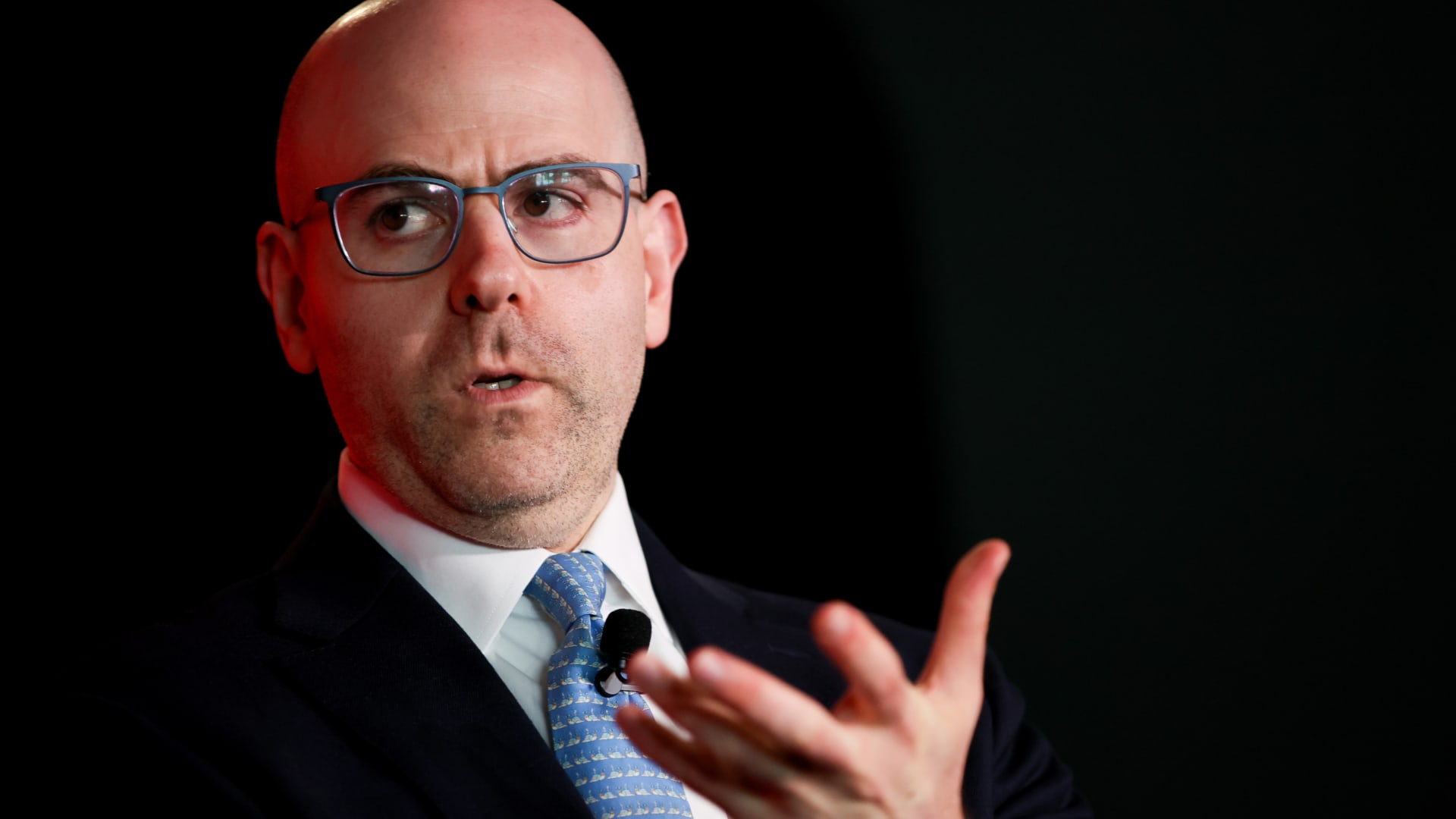
Federal Reserve Governor Stephen Miran advocates for a more aggressive interest rate cut of at least 25 basis points in December, possibly 50 basis points, citing the need to preempt economic softening, despite the Fed's recent quarter-point reductions and mixed opinions among policymakers.
Global stock markets experienced volatility with declines in Asian equities and US tech stocks amid concerns over AI valuations, US government shutdown impacts, and uncertain Federal Reserve interest rate policies, while commodities like oil and gold showed mixed movements.
U.S. Treasury yields rose slightly as investors reacted to the Federal Reserve's recent rate cuts and uncertainty about future monetary policy, amid ongoing trade discussions between the US and China.
The stock market has continued to rally to new highs despite geopolitical and economic concerns, driven by strong corporate earnings, expectations of interest rate cuts, and enthusiasm for AI. Analysts remain optimistic but cautious, noting the market's high valuations and potential risks from a weakening labor market and US-China trade tensions. The rally may persist through the end of the year, with some experts seeing further gains despite inherent risks.
Equities traders expect the upcoming CPI report to have minimal impact on the market, as optimism for a Federal Reserve rate cut next week dominates sentiment. Economists forecast a slight increase in core CPI, but market participants believe any inflation data will be offset by expectations of monetary easing, supporting a potential rally in the S&P 500 despite persistent inflation concerns.
Bitcoin's price remains volatile amid signals from the Federal Reserve about ending its quantitative tightening, with potential interest rate cuts on the horizon, leading to market uncertainty and a recent dip to around $108,500 before rebounding above $111,000.
Stocks rallied globally amid expectations of a Federal Reserve rate cut and weakening dollar, despite renewed US-China trade tensions; markets are also influenced by optimism over monetary easing and concerns about macroeconomic uncertainties.
Gold prices hit a record high of over $4,000 per ounce as investors seek safe havens amid the US government shutdown and global economic uncertainty, driven by factors like interest rate expectations, political turmoil, and a weak dollar.
The S&P 500 and Nasdaq reached intraday record highs driven by expectations of interest rate cuts and a dovish Federal Reserve, despite uncertainties from the US government shutdown and limited economic data, with tech stocks and semiconductor companies leading gains.
Gold prices remain near record highs due to ongoing US government shutdown and expectations of interest rate cuts, with market sentiment supported by economic cooling signals and delayed key data releases.
Gold reached a record high above $3,800 an ounce, driven by a weaker US dollar and concerns over a potential US government shutdown, which could impact economic data and influence Federal Reserve policy. The surge is part of a broader rally in precious metals, supported by central-bank demand and market tightness, with prices on track for a third consecutive quarterly gain.
U.S. stocks rose last week, driven by the Federal Reserve's first rate cut since December, with markets optimistic about easing monetary policy and economic growth, amid upcoming economic data releases and earnings reports, while analysts remain cautious about potential risks like rising yields.
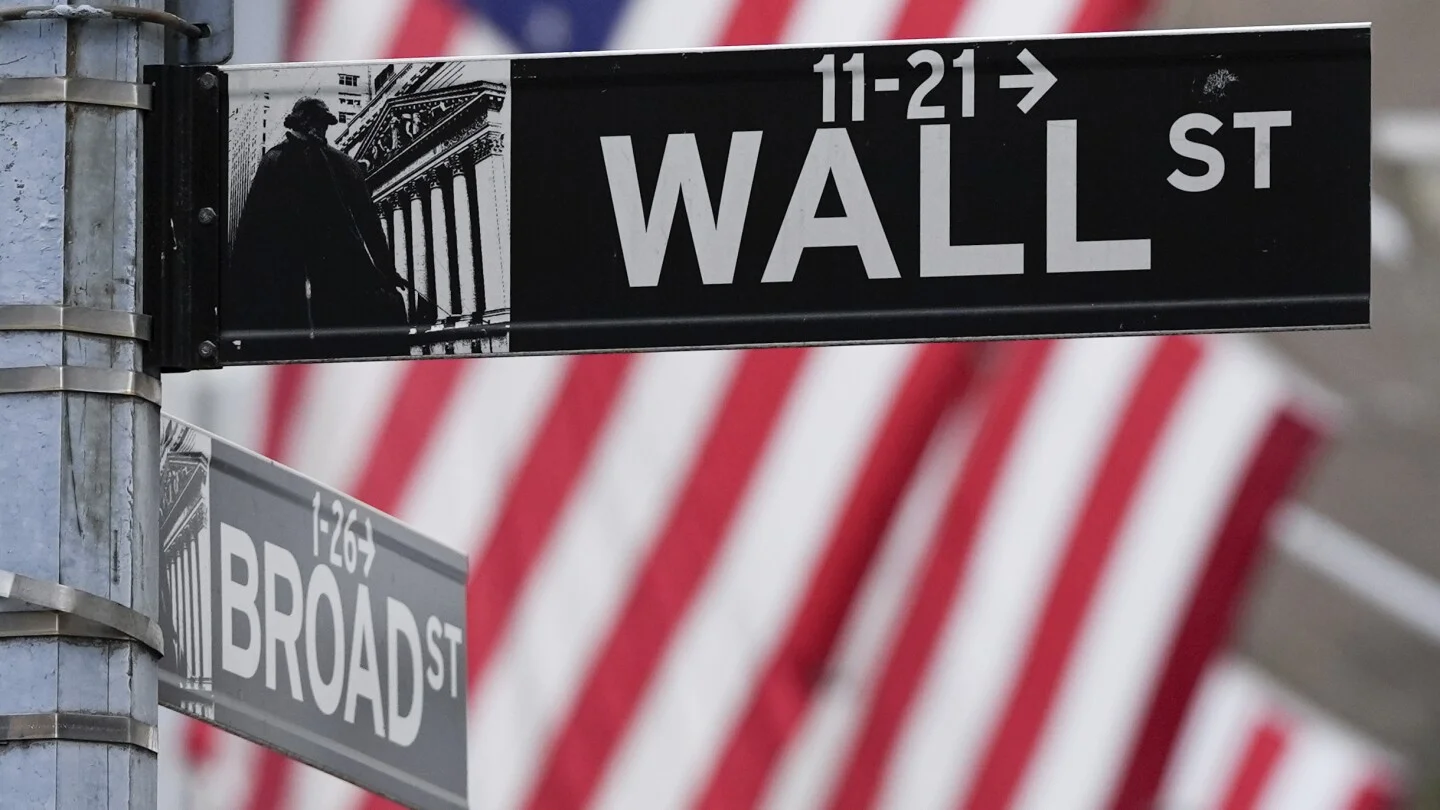
Wall Street ended a record-setting week with gains driven by expectations of continued interest rate cuts by the Federal Reserve to support the economy, with strong performances from FedEx and Newmont, while concerns about housing and inflation persist.
The Federal Reserve is expected to cut interest rates by a quarter-point to around 4.1%, with most economists predicting up to five cuts by mid-2026 to support economic growth amid a slowdown in hiring and persistent inflation. The central bank is balancing the need to stimulate the economy without risking a recession, with future rate adjustments likely to be gradual and based on economic data.