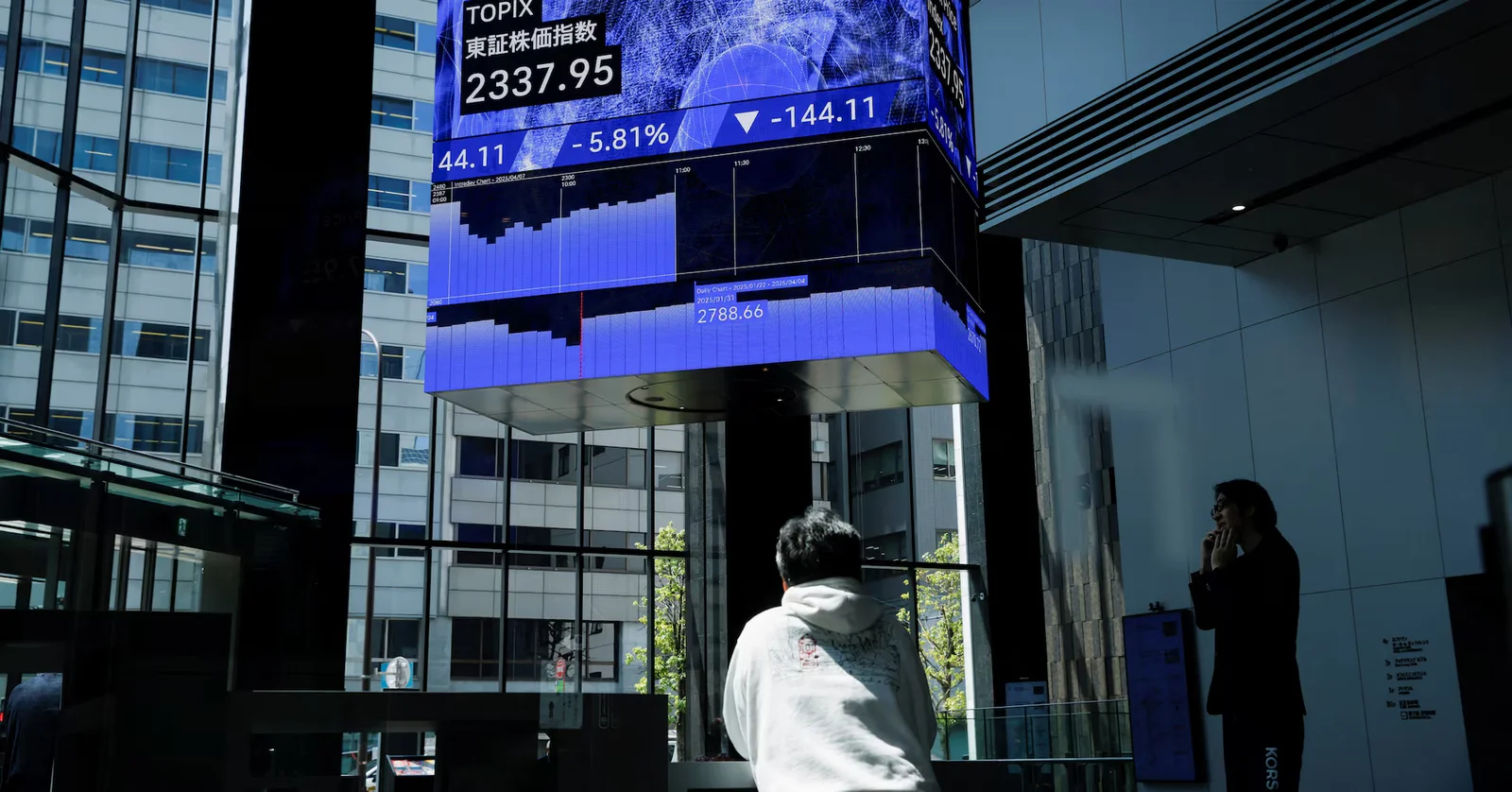
Stocks began 2026 with a focus on AI and chipmaking, driven by strong performances in Asian markets and tech giants like Samsung and TSMC, despite historical tendencies for early-year declines; optimism remains about the year's potential, supported by last year's gains and ongoing technological investments.
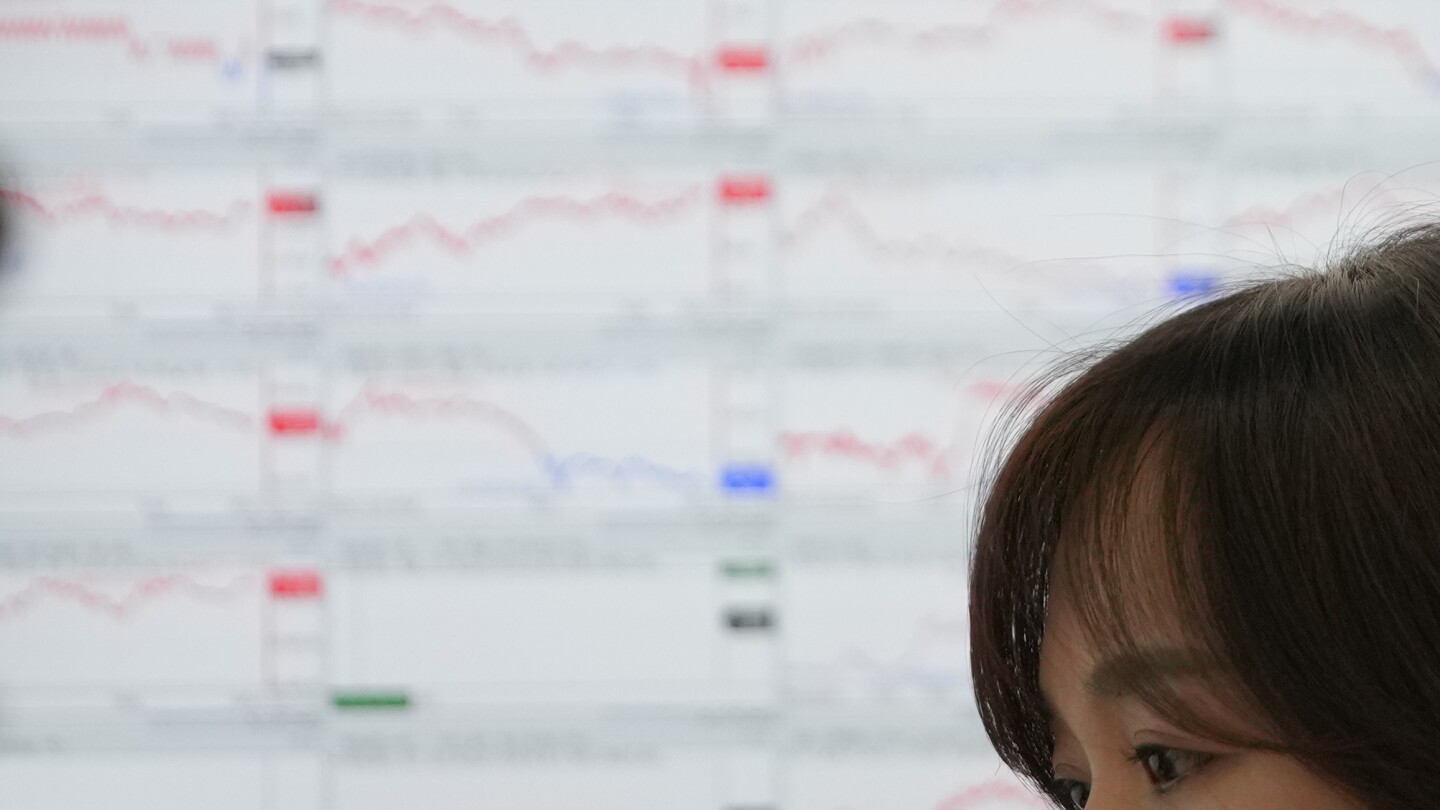
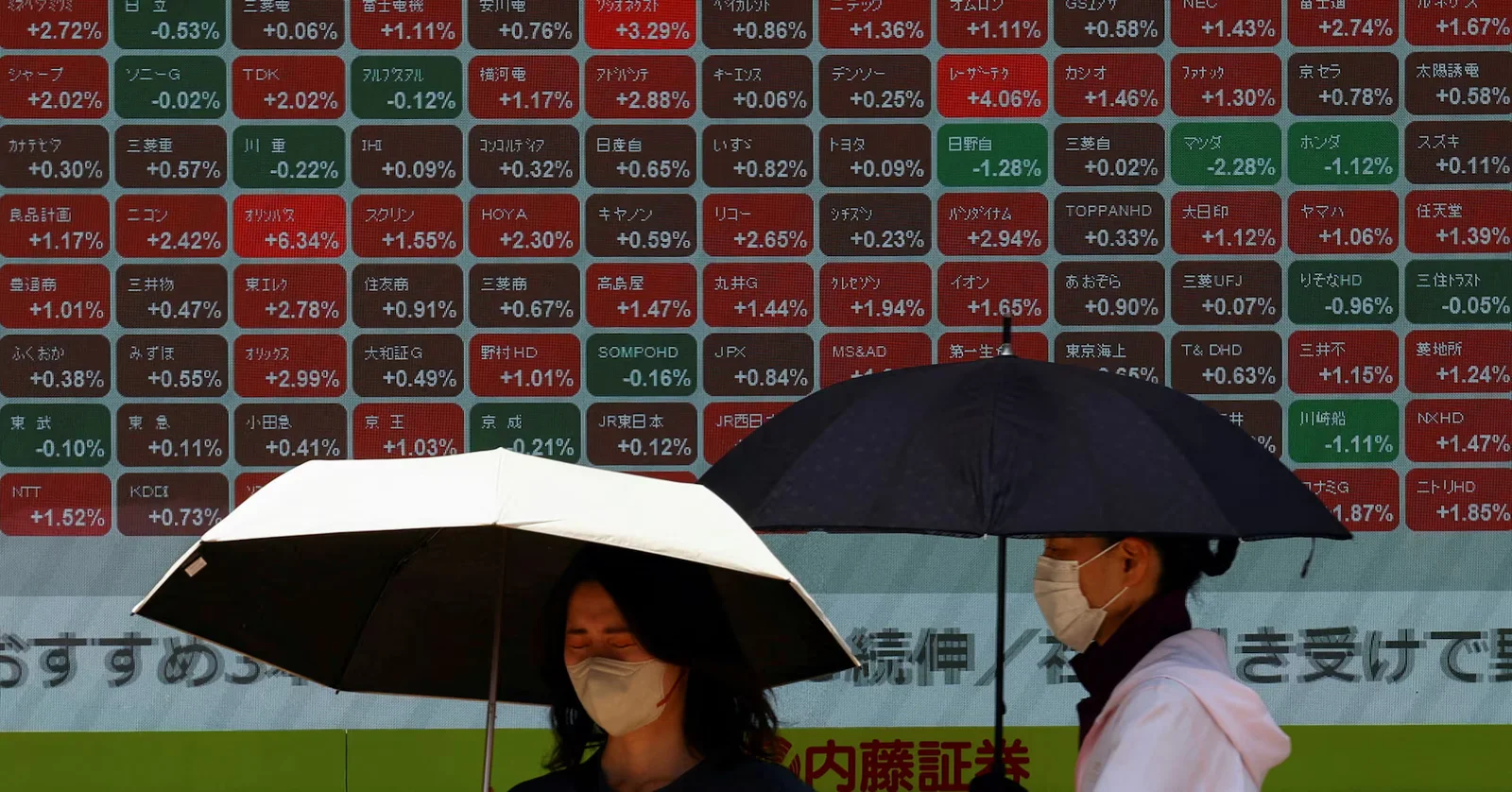
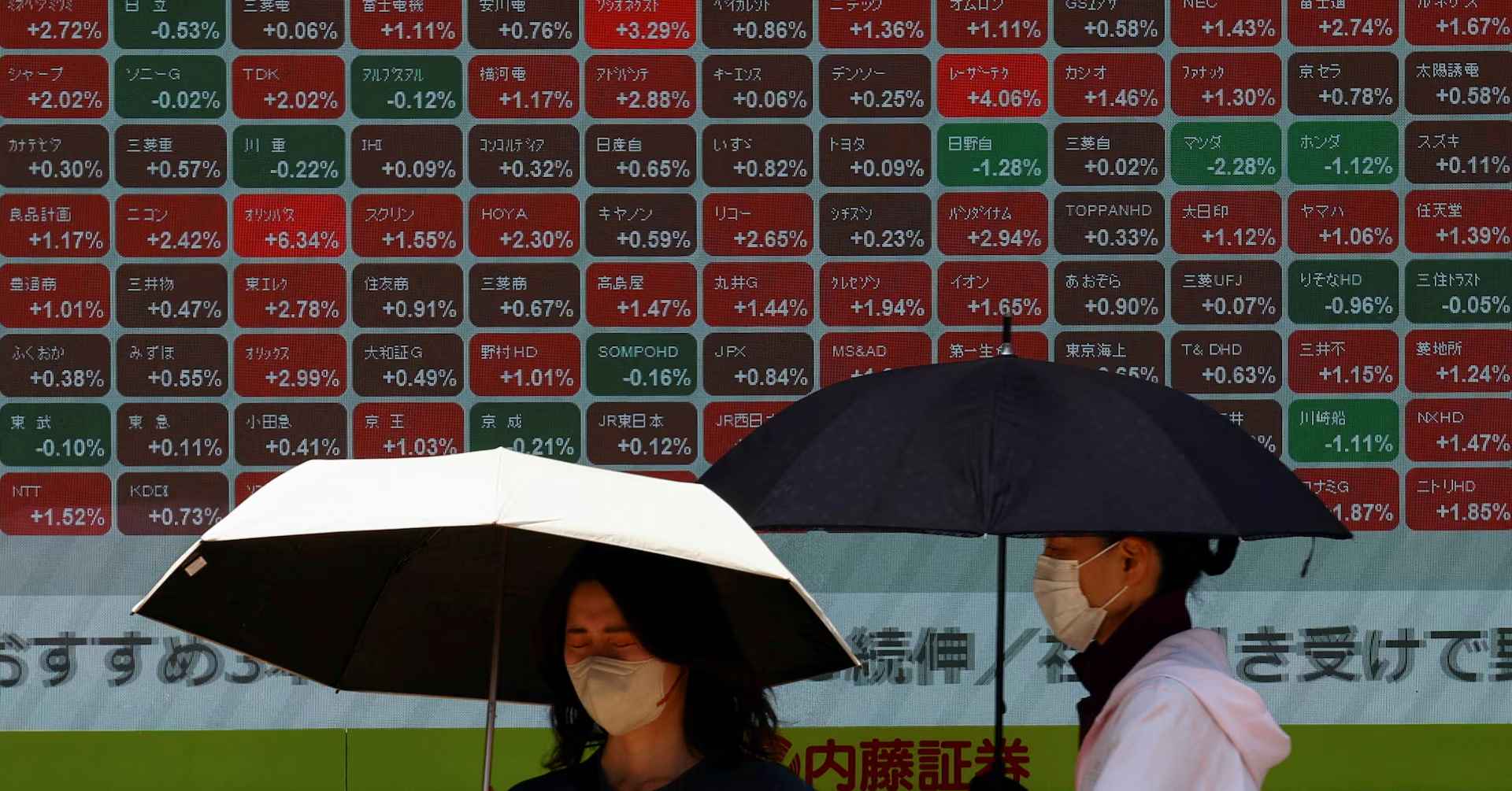
Asian shares were mixed with Tokyo’s Nikkei leading gains, while gold and silver hit record highs as investors seek safe havens amid geopolitical tensions and expectations of U.S. interest rate cuts, with gold reaching $4,541.80 per ounce and silver surpassing $75.
Asian shares are mixed with Tokyo's Nikkei leading gains, while gold and silver hit record highs as investors seek safe havens amid geopolitical tensions and expectations of US Federal Reserve rate cuts, with gold reaching $4,541.80 per ounce and silver surpassing $75.
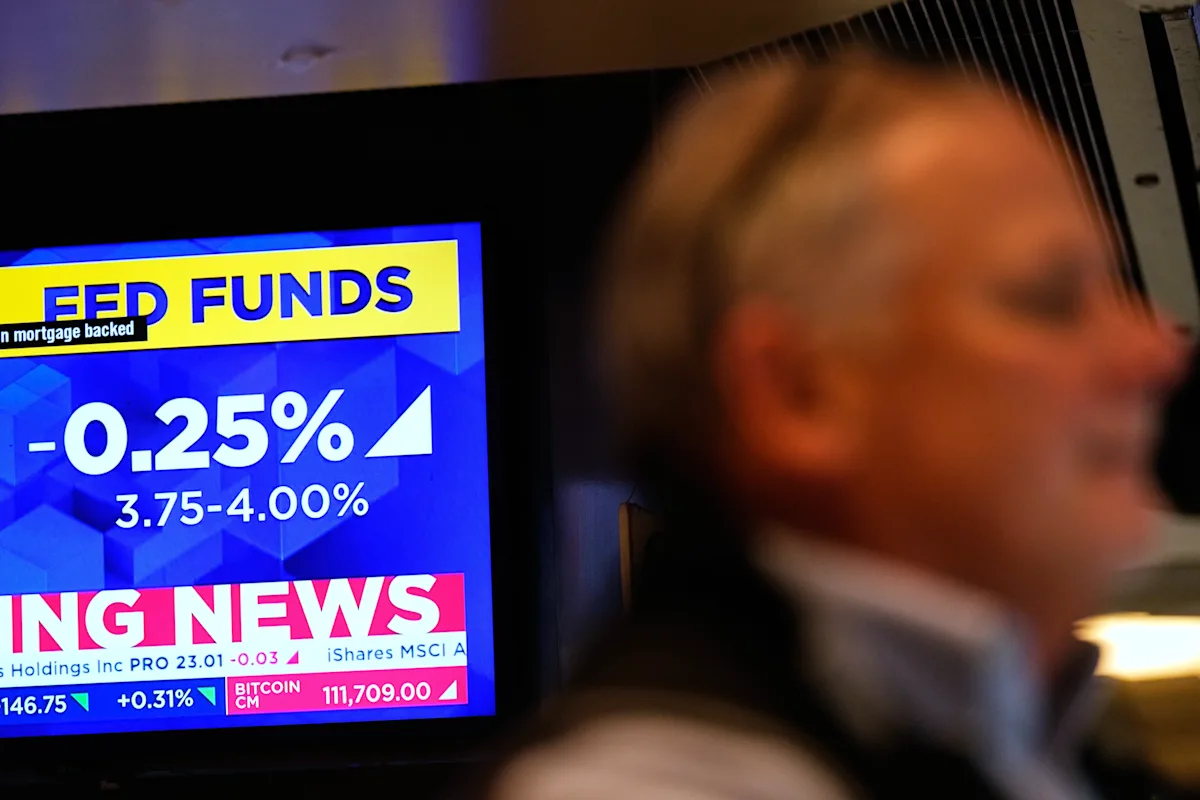
Asian shares and US futures declined ahead of key US employment and inflation reports, with investors cautious about potential interest rate changes and economic slowdown signals, amid mixed corporate earnings and global economic data.
Asian shares showed mixed results amid cautious trading following a volatile day on Wall Street, with U.S. markets bouncing back and concerns over AI stock valuations reminiscent of the dot-com bubble, while key companies like Nvidia and FedEx influenced market movements.
Stocks rose and risk appetite increased amid hopes for a deal to end the US government shutdown, with markets also reacting to economic data and geopolitical developments, while concerns about stretched valuations and lack of fresh economic data persisted.
Asian shares declined despite gains in US markets driven by optimism around AI stocks like Nvidia and Amazon, with traders locking in profits after recent rallies; concerns about market valuations persist amid strong corporate earnings and AI sector growth.
Asian markets initially declined after President Trump’s meeting with Chinese leader Xi Jinping, despite Trump describing the talks as 'amazing,' as investors remained skeptical about the progress on trade issues, with some indices showing slight gains and others falling amid ongoing concerns over tariffs and export restrictions.
Asian shares and gold rose amid concerns over a US government shutdown that could delay key economic data, while oil prices fell due to increased OPEC+ production and China's ongoing manufacturing contraction.
A global stock rally faced setbacks after the Bank of Japan announced plans to sell ETFs, causing Asian shares to decline and raising concerns about market sustainability amid signs of potential rate hikes and geopolitical developments.
Asian shares rose on optimism about lower auto tariffs in US-Japan negotiations, while US and European futures gained. However, concerns remain due to weak US economic data and potential tariff hikes on various sectors, impacting markets globally.
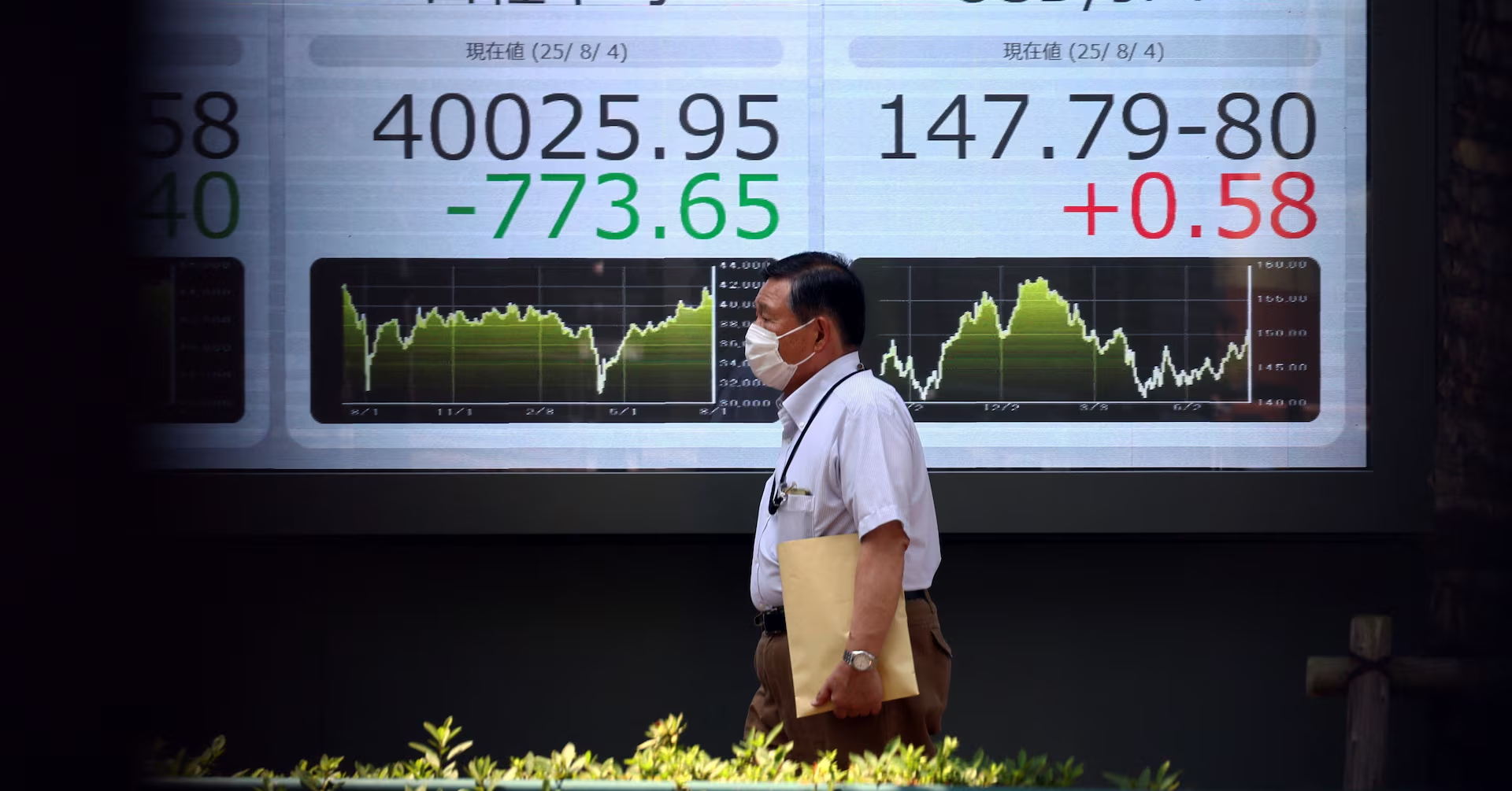
Asian shares are on track for their worst week since April due to US imposing new tariffs on trading partners, causing global market declines and increased uncertainty. Investors are awaiting US jobs data, which could influence the Federal Reserve's decision on interest rate cuts. The dollar has strengthened, and markets are volatile amid concerns over trade tensions and economic growth.
Asian shares declined following the US's announcement of new tariffs on multiple countries, while investors await US jobs data that could influence the Federal Reserve's interest rate decision. The US imposed tariffs ranging from 10% to 41% on imports from various nations, causing market fluctuations and affecting currencies and commodities. Strong corporate earnings and inflation data further complicated the market outlook, with the US dollar strengthening and bond yields remaining steady.
Asian stocks rose following Wall Street's record highs, driven by strong U.S. economic data and corporate earnings, while the yen weakened ahead of Japan's upper house election, with market movements influenced by political and economic factors including inflation and trade negotiations.
Asian shares experienced mixed movements amid US trade negotiations, with President Trump indicating a potential delay and extension of tariffs, easing market concerns and maintaining near-record levels despite ongoing trade tensions.