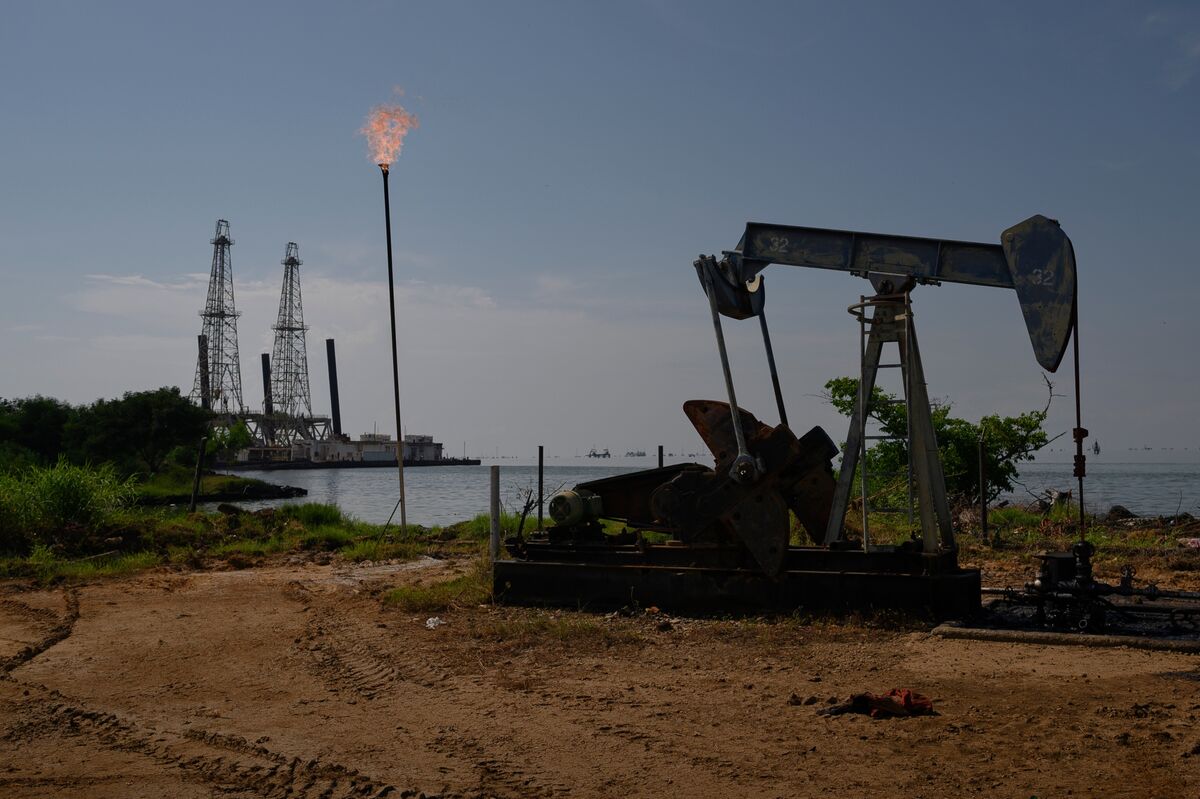
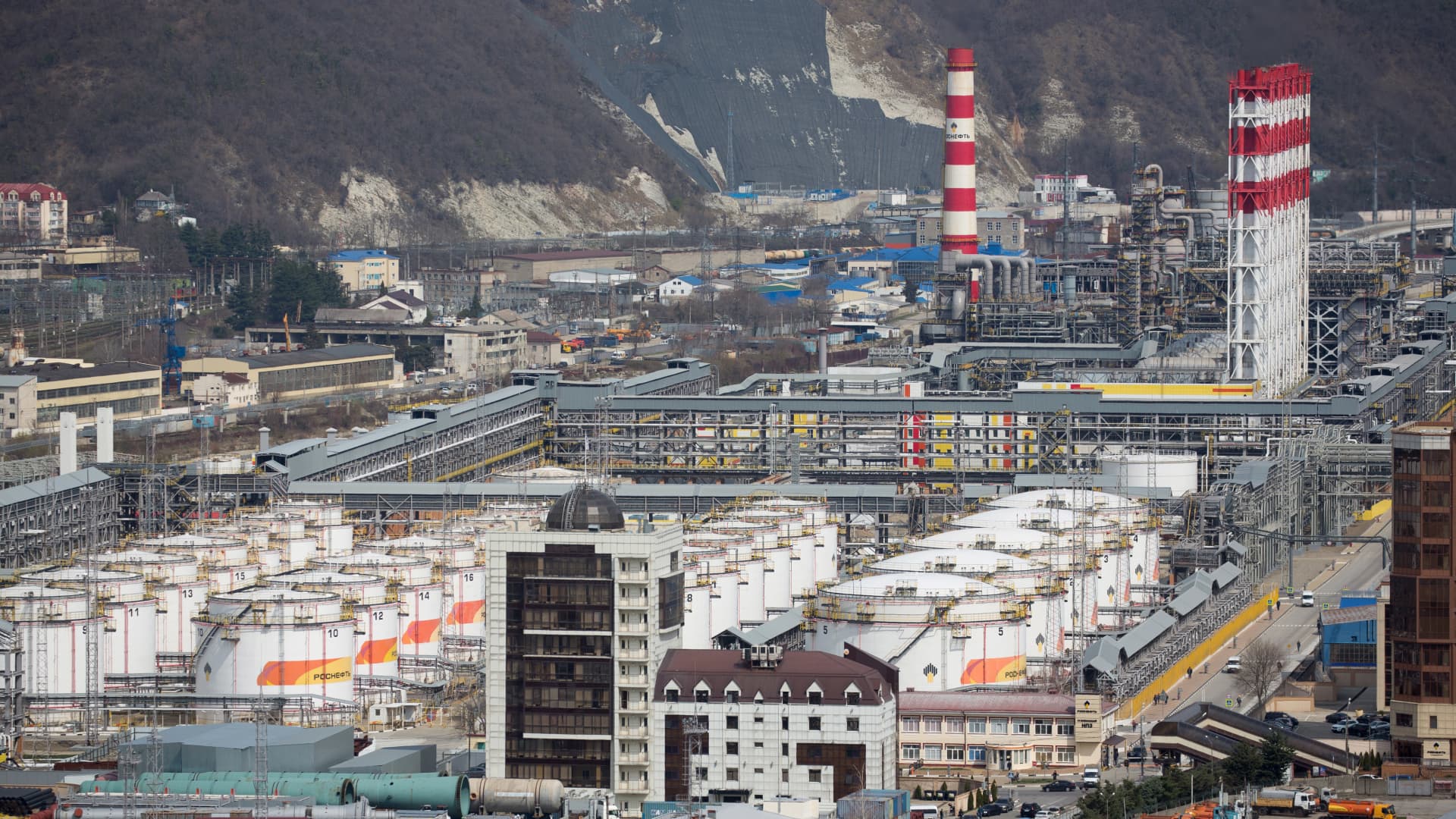
Chinese buyers are avoiding Venezuelan crude due to US sanctions, leading to higher offers and reduced exports, with Venezuela's Merey crude offered at a smaller discount compared to previous months, while Chinese demand remains subdued amid ample supplies and floating storage of sanctioned oil.
U.S. futures dipped on Thursday amid concerns over weak Treasury sales and potential Federal Reserve interest rate cuts. Salesforce shares fell after its second-quarter forecast missed estimates, while activist investor Nelson Peltz sold his Disney stake following a failed proxy battle. UBS reshuffled its leadership team, and crude prices declined despite a significant draw in U.S. oil inventories.
US oil production is projected to continue booming in 2024, potentially reaching a record high of 13.3 million barrels per day. This surge in supply could put pressure on Saudi Arabia to regain control over crude prices. Exxon Mobil and Chevron are increasing their capital expenditure budgets for 2024, investing more in the Permian Basin, the center of the shale boom. While some experts warn that Saudi Arabia may flood the market with supply to depress prices, others believe OPEC is more concerned about inadequate investment in supply rather than the growth of US shale oil.
US oil production is projected to continue booming in 2024, potentially reaching a record high of 13.3 million barrels per day. This surge in supply could put pressure on Saudi Arabia to regain control over crude prices. Exxon Mobil and Chevron are increasing their capital expenditure budgets for 2024, investing more in the Permian Basin. While some experts suggest that Saudi Arabia may flood the market with supply to depress prices, others believe that OPEC+ will maintain supply-demand fundamentals to support prices. The growth in US oil production reflects a shifting landscape in the American energy industry, with companies prioritizing shareholder returns through buybacks and dividends. OPEC is more concerned about inadequate investment in supply rather than the threat of US shale oil growth.
OPEC and Saudi Arabia are losing their grip on the oil market as booming US supply offsets OPEC's supply cuts. Oil prices have seen the longest decline in five years, with Brent crude down 18% and West Texas Intermediate crude down 19% since mid-October. Despite OPEC's efforts to stabilize prices, market participants are skeptical, attributing the fall to increased US production and anticipated softer demand. Saudi Arabia may resort to a "market share war" by flooding the market with oil to regain control of prices.
Saudi Arabia may flood the oil market with a surge in supply to regain control over prices in response to rising US crude production, according to an energy market expert. While OPEC+ members have pledged voluntary production cuts without firm commitments, Saudi Arabia could potentially increase its output by an additional 2.5 million barrels per day. This move aims to flush out higher-cost producers and regain control over prices, as it did in 2014. The booming US oil supply is seen as a significant challenge for OPEC and Saudi Arabia, with US crude output hitting a record high of over 13.2 million barrels per day in September.
US stocks had a mixed performance on Friday, with the Dow Jones Industrial Average slightly up, the S&P 500 unchanged, and the Nasdaq composite lagging. Retailers are closely watched as Black Friday marks the start of the holiday shopping season, with big box chains warning of cautious consumer spending. Discord within OPEC+ kept crude prices in check as the group delayed its meeting due to a dispute over quotas. Brent crude futures remained flat above $81 per barrel, while West Texas Intermediate crude futures fell around 1% above $76 per barrel. Nvidia's stock was in focus as the company delayed the launch of an AI chip in China to comply with US export curbs.
The head of OPEC warns of a "dangerous" lack of investment in the oil industry, stating that at least $12 trillion is needed globally between now and 2045 to prevent a spike in energy prices. Underinvestment in the sector endangers energy security and could lead to increased price volatility as demand grows. The head of OPEC also dismisses the idea that renewables or hydrogen alone can meet future energy requirements, emphasizing the need for stable, affordable, and reliable energy sources. These comments come after the International Energy Agency predicted that global demand for oil, natural gas, and coal is likely to peak by 2030, calling for an immediate halt in spending on new oil and gas projects to achieve zero net emissions by 2050.
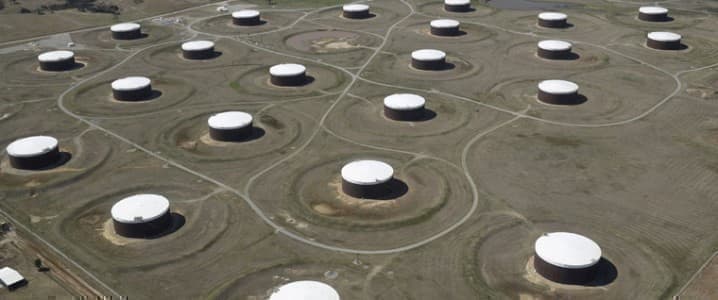
Oil prices fell after reaching their highest level in over a year, with U.S. West Texas Intermediate futures declining 2.09% to $91.72 per barrel and global benchmark Brent down 1.4% at $95.18. The drop in prices was driven by a decrease in crude stocks at the Cushing storage hub in Oklahoma, which fell to their lowest level since July 2022. The ongoing production cuts by OPEC and its allies, including Saudi Arabia and Russia, have contributed to a "pretty robust deficit" in the global oil markets. While prices are expected to remain high for the rest of the year, there are concerns about long-term demand destruction if prices reach triple digits.
Stockpiles at the Cushing storage hub in Oklahoma are at risk of reaching their lowest level in almost a decade, potentially leading to a boost in crude prices and supporting the goal of reaching $100 oil by the end of the year. The decline in inventories reflects the tightening global market and the scramble for near-term supplies. Official estimates will be released this week.
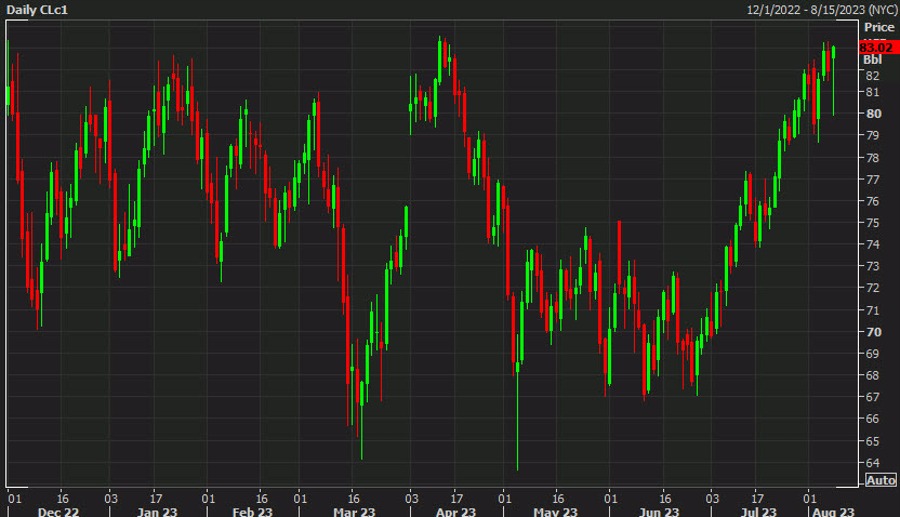
Despite concerns about the Chinese economy causing a $2 drop in crude prices earlier in the day, oil made an impressive recovery in New York trading, rallying $3 to reach $83.03. This turnaround demonstrates independent strength in the oil market, which is currently tight. However, there are concerns that the trade may have been influenced by leaked API data, with official data set to be released later. If oil can maintain its strength through the upcoming data releases, it has a good chance of surpassing the year-to-date highs set in April.
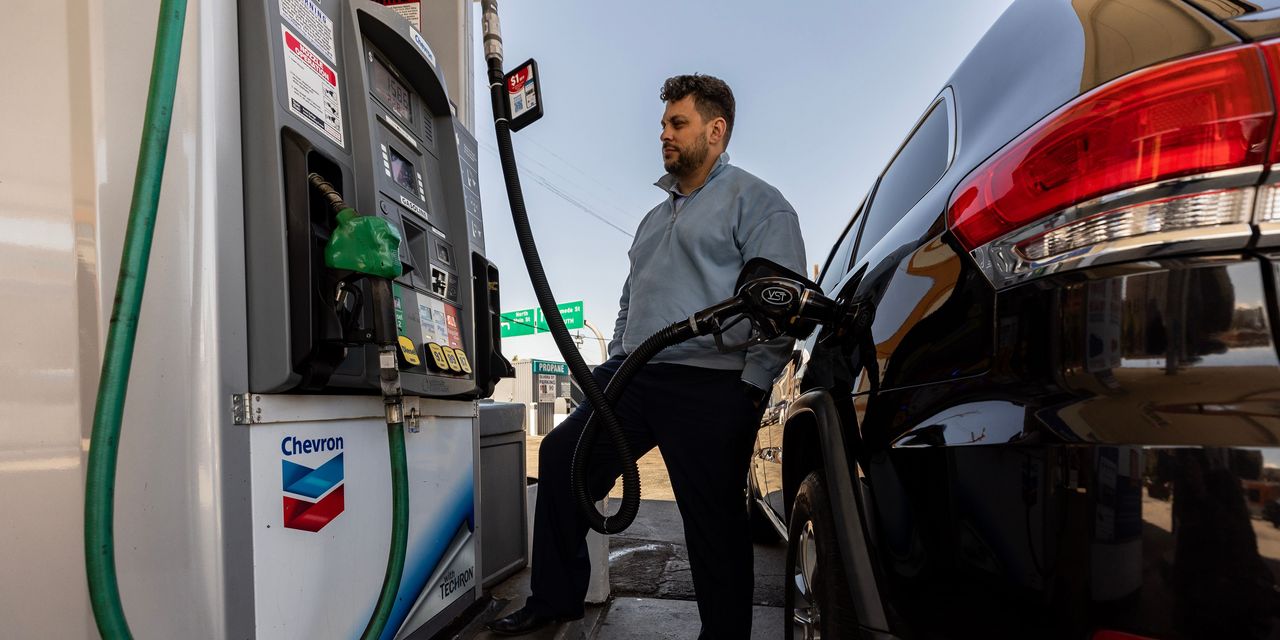
Gas prices in the U.S. are expected to reach their highest level since 2023 as benchmark contracts for August deliveries of gasoline have risen in 14 of the past 18 trading sessions, reflecting the steady increase in crude prices. Gasoline futures are on track for their highest close since October 28.
Goldman Sachs predicts that record oil demand will lead to significant deficits in the second half of 2023, driving crude prices higher. The bank expects demand to reach an all-time high, resulting in deficits of nearly 2 million barrels per day in the third quarter. Despite the increase in U.S. crude oil production, Goldman Sachs anticipates a slowdown in growth throughout the rest of 2023. The lack of agreement at the G20 energy ministers' meeting highlights the uncertainty surrounding long-term oil demand. Investors may require a premium to compensate for the elevated risk caused by this uncertainty.
US national average gas prices have stabilized, but state-by-state prices are more volatile, with some states seeing hefty gas price increases. Gas prices could become increasingly volatile due to conditions ripe for major movements in the broader market, such as another interest rate hike by the Fed. However, traders are betting that a pause in interest rate hikes is the most likely outcome when the Fed meets on Wednesday. Low crude prices are also unlikely to push gas prices back to last year's highs.
OPEC+ will meet in Vienna on June 4 to decide on further production policy steps amid supply volatility, demand uncertainty, and a prospective recession. The group has lowered output by 2 million barrels per day since October 2020 to combat lower demand. Some members have also announced additional voluntary cuts totaling 1.6 million barrels per day in April. Saudi Arabia has warned oil market speculators they could face further pain ahead, in comments some have read as hinting further supply cuts could be in the cards. However, further output cuts are unlikely this weekend unless demand stays low in China.