Tag

Us Energy Information Administration

All articles tagged with #us energy information administration

"Understanding the Surge in Gas Prices: Seasonal Blends, Politics, and Inflation Impact"

Originally Published 1 year ago — by USA TODAY

Featured image for "Understanding the Surge in Gas Prices: Seasonal Blends, Politics, and Inflation Impact"
Source: USA TODAY

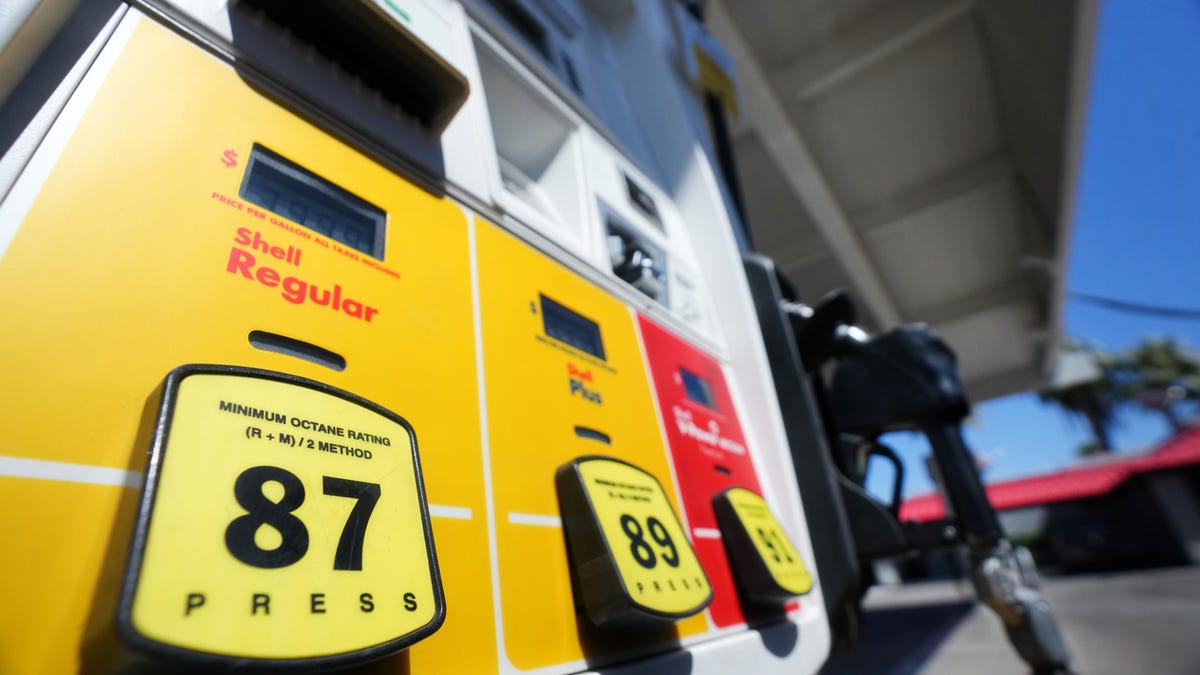
Gas prices in the US have risen nearly 6.5% in the past month, with the average price per gallon at $3.61. The increase is attributed to the transition from winter to summer blend gas, leading to higher demand as well as potential impact from hurricane season. States such as Indiana, Arizona, and California have seen the biggest increases, while California, Hawaii, and Washington currently have the highest gas prices. However, prices are expected to decrease by 10 to 20 cents as the year progresses, particularly as the demand for gas decreases in the cooler months.


"Assessing the Future of Natural Gas Prices Amid Market Volatility"

Originally Published 1 year ago — by EIA

Featured image for "Assessing the Future of Natural Gas Prices Amid Market Volatility"
Source: EIA

The U.S. Energy Information Administration forecasts that the U.S. benchmark Henry Hub natural gas spot price will average higher in 2024 and 2025 than in 2023, but remain below $3.00 per MMBtu. This is due to faster growth in demand than supply in 2024, with supply remaining relatively flat. In 2025, supply and demand are expected to grow at similar rates, leading to high natural gas inventories. The increase in U.S. natural gas supply is expected to come from domestic production, particularly in the Permian region. Natural gas consumption is projected to grow in all sectors except the industrial sector in 2024, driven by domestic consumption and exports in 2025. U.S. natural gas exports are dependent on the timing of new LNG export terminals, with capacity additions expected to continue despite a pause on export determinations to non-free trade agreement countries.

Oil Inventories Decline, Gasoline Stocks Surge

Originally Published 2 years ago — by OilPrice.com

Featured image for Oil Inventories Decline, Gasoline Stocks Surge
Source: OilPrice.com

Crude oil prices rebounded as the U.S. Energy Information Administration reported a 4.3 million barrel draw in inventories for the week to December 8. However, builds in gasoline and middle distillate inventories limited the price increase. Oil prices have been on a losing streak due to ample supply and projected growth in U.S. output next year. The EIA revised down its forecast for Brent crude prices in 2024, citing concerns about global oil demand growth.

Winter Heating Costs Expected to Decrease Nationwide

Originally Published 2 years ago — by CNET

Featured image for Winter Heating Costs Expected to Decrease Nationwide
Source: CNET

The US Energy Information Administration (EIA) forecasts that most households in the US will pay less for home heating this winter, with natural gas prices expected to be significantly lower compared to last year. The EIA attributes this to a drop in natural gas prices and a milder winter forecasted for many regions. However, costs for propane and heating oil may remain flat or increase. Factors such as extreme weather events and the impact of El Niño could affect heating costs. To save on energy costs, individuals can adjust thermostat settings, improve energy efficiency through insulation and sealing, and consider high-efficiency electric heating options or solar panels.

Oil Prices Drop Despite Significant Inventory Drawdown

Originally Published 2 years ago — by OilPrice.com

Featured image for Oil Prices Drop Despite Significant Inventory Drawdown
Source: OilPrice.com

Despite a 4.6 million barrel draw in crude oil inventories reported by the US Energy Information Administration, oil prices fell due to concerns about potential rate hikes in the US that could dampen demand for oil. However, strong GDP growth and oil refining data from China helped stabilize crude oil prices at around $84-85 per barrel for Brent and $80-81 for West Texas Intermediate. Gasoline inventories added 1.3 million barrels during the week ending April 14, while middle distillates saw a decline of 0.4 million barrels.

OPEC's Cuts and Surprises Impact Oil Prices and Short Sellers.

Originally Published 2 years ago — by Barron's

Featured image for OPEC's Cuts and Surprises Impact Oil Prices and Short Sellers.
Source: Barron's

The U.S. Energy Information Administration has raised its oil price forecasts for 2023 and 2024, with Brent crude expected to average $85.01 a barrel this year and prices in 2024 at $81.21 a barrel. The increase is attributed to OPEC cuts, with expectations for the cost of West Texas Intermediate also raised by a similar amount.

OPEC's surprise oil cut and its impact on the US economy.

Originally Published 2 years ago — by KABC-TV

Featured image for OPEC's surprise oil cut and its impact on the US economy.
Source: KABC-TV

OPEC's surprise oil production cut of up to 1.15 million barrels per day from May until the end of the year has raised concerns about gas prices in California, where the average price of regular gas is already over a dollar more than the national average. Gas analysts warn that prices could jump by 5 to 10 cents a gallon, while some experts predict an increase of 8 to 12 cents in the coming weeks and months. The White House has expressed opposition to the move, citing market uncertainty, but President Joe Biden said it "won't be as bad as you think."

Natural Gas Market Experiences Record-Low Withdrawals and Mixed Trading Results.

Originally Published 2 years ago — by OilPrice.com

Featured image for Natural Gas Market Experiences Record-Low Withdrawals and Mixed Trading Results.
Source: OilPrice.com

The South Central natural gas storage in the United States saw record-low cumulative gas withdrawals from underground storage this winter season, due to warmer weather and higher natural gas production in Texas and Louisiana. Natural gas withdrawals from the South Central region stood at 233 billion cubic feet between early November 2022 and the week ending March 2023, the EIA said. As a result, natural gas consumption in the residential and commercial sectors in the South Central storage region was 13% below the five-year average this winter heating season.

Renewable Energy Outpaces Coal in US for First Time in History

Originally Published 2 years ago — by Engadget

Featured image for Renewable Energy Outpaces Coal in US for First Time in History
Source: Engadget

Renewable power generation surpassed coal in the US in 2022, with wind being the dominant source of clean electricity. Natural gas remains the top power source, but renewables have a firm foothold in the US energy mix. California leads in solar power generation, while Texas dominates in wind, coal, and natural gas. The trend towards renewables is expected to continue, with the Biden administration promoting renewable electricity and coal use projected to shrink further.

Renewable Energy Overtakes Coal in US for the First Time in 2022

Originally Published 2 years ago — by The Hill

Featured image for Renewable Energy Overtakes Coal in US for the First Time in 2022
Source: The Hill

Renewable energy generated more electricity than coal or nuclear power in the US for the first time in 2022, according to the US Energy Information Administration. Wind and solar energy made up 14% of US electricity, up from 12% in 2021, while coal power fell from 23% to 20%. Texas dominated wind generation, while California led in solar power. Despite the increase in renewable generation, natural gas remained the top source of US electricity. The American Council on Renewable Energy attributed the surge to economic factors, with wind and solar energy costs falling by 70% and 90%, respectively, in the last decade.

Renewables Outpace Coal in US Power Sector for First Time.

Originally Published 2 years ago — by Electrek.co

Featured image for Renewables Outpace Coal in US Power Sector for First Time.
Source: Electrek.co

Renewable power generation surpassed coal-fired generation for the first time in the US electric power sector in 2022, according to the US Energy Information Administration. Wind and solar's combined total generation increased to 14%, while coal-fired generation dropped to 20%. Natural gas remains the largest source of US electricity generation at 39%. The EIA forecasts that both wind and solar will each grow by 1% in 2023, while coal is forecast to decline by 3% to 17%.