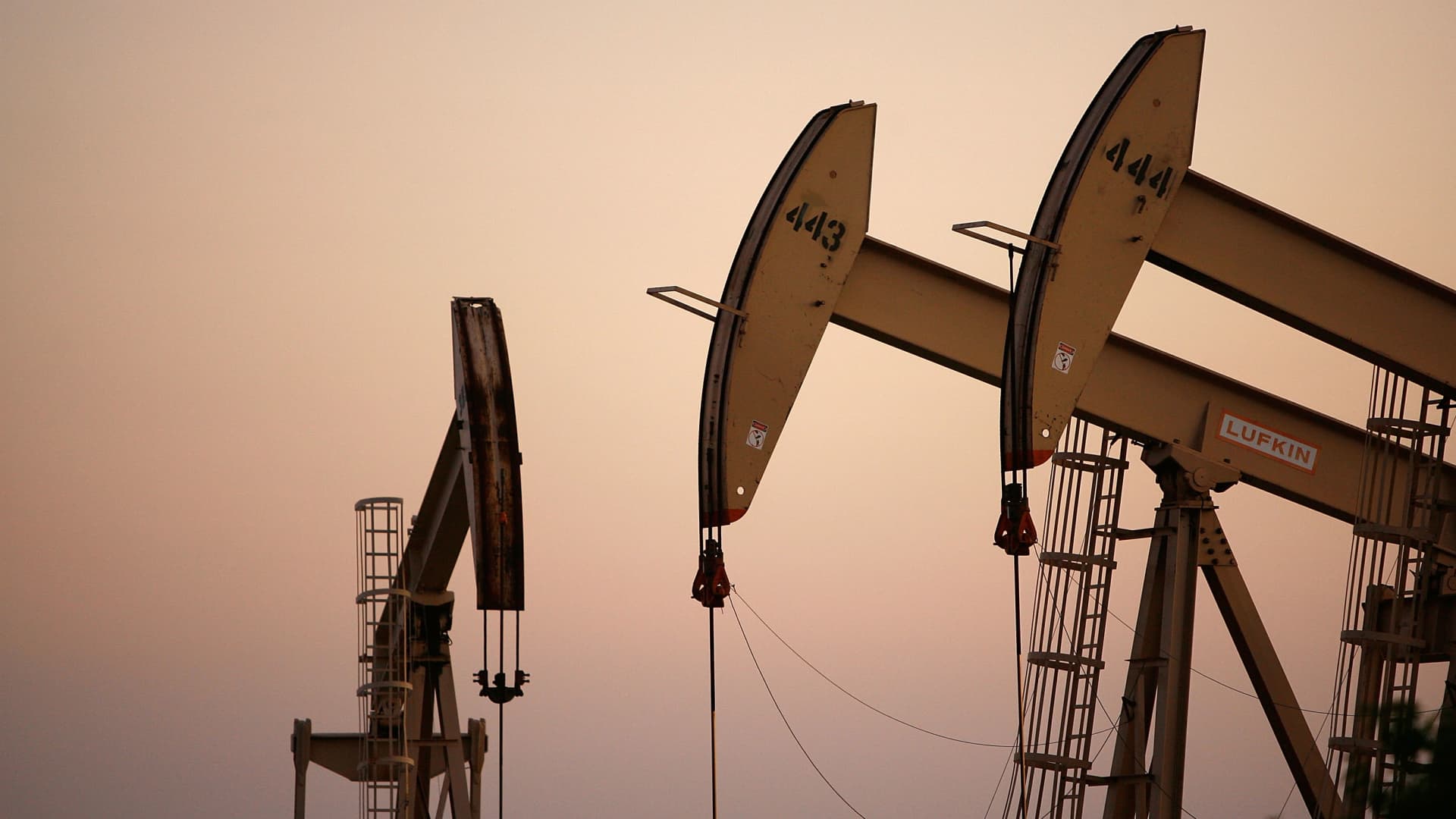
In 2025, crude oil prices declined due to oversupply in the global market, with prices dropping from $79 to $63 per barrel, influenced by economic slowdown, increased production by OPEC+, and inventory builds, especially in China, which moderated price declines.

Treasury yields declined as crude oil prices dropped over 7% following US and Iran military actions, while Fed Governor Bowman indicated support for a potential July interest rate cut if inflation remains controlled, amid ongoing geopolitical tensions and economic data releases.
The stock market is experiencing volatility due to triple witching, where stock options, stock index futures, and stock index options all expire simultaneously. Treasury yields have fallen, with the 10-year at 4.231%. Nvidia's stock continues to slip, and crude oil prices are expected to rise due to seasonal demand and geopolitical tensions. Gold futures fell 1.2% as the dollar strengthened on positive U.S. business activity data. The Dow Jones Industrial Average, S&P 500, and Nasdaq Composite are all experiencing minor fluctuations.
US stock futures traded lower ahead of major bank earnings, with a focus on interest rate impact. Big banks like JPMorgan Chase, Citigroup, and Wells Fargo are set to report, and analysts expect a 5% increase in S&P 500 company earnings for the first quarter. Fed speakers and geopolitical risks in the Middle East are also in focus, with crude prices rising due to elevated risks but set for weekly losses on concerns over US monetary policy.
The S&P 500 fell 0.7% as concerns over potential interest rate cuts grew, with health care stocks dropping after the federal government announced lower-than-expected Medicare Advantage payment rates. Meanwhile, crude oil prices rose due to supply concerns, benefiting oil and gas companies. Major U.S. equities indexes struggled amid uncertainty about the Federal Reserve's monetary policy, with the Dow and Nasdaq also experiencing declines.
Treasury yields surged following higher-than-expected inflation prints, as markets anticipate potential interest rate cuts by the Federal Reserve. The market is jittery about the Fed's policy and the timing of rate cuts, with expectations of three cuts before year-end. Some economists believe the market's predictions are incorrect, while others are more optimistic. Additionally, the market is witnessing a breakup of the Magnificent Seven, with some leaders of last year under pressure. Crude oil prices rallied to a four-month high due to supply data and geopolitical risks, leading to gains in the energy sector.
Crude oil prices rose as the Energy Information Administration reported inventory draws in gasoline and middle distillate stocks, with a build of 1.4 million barrels in crude oil. Traders shifted focus to the latest OPEC+ meeting and the decision to continue withholding 2.2 million bpd from the global market, leading to a rise in prices despite concerns over Chinese economic growth measures. Analysts suggest signs of a tightening oil market and the impact of ongoing production cuts.
Saudi Aramco announced a cut in crude prices to all regions, including Asia, amid weaker global oil prices and increased production by non-OPEC countries. The move comes after a summer rally and a fourth-quarter decline in crude prices. Oil prices bounced last week due to attacks on shipping in the Red Sea, stoking fears of a broader conflict. U.S. oil production has reached record levels, easing concerns about tight supplies and potentially leading to record-breaking U.S. crude exports.
Crude oil prices rebounded as the U.S. Energy Information Administration reported a 4.3 million barrel draw in inventories for the week to December 8. However, builds in gasoline and middle distillate inventories limited the price increase. Oil prices have been on a losing streak due to ample supply and projected growth in U.S. output next year. The EIA revised down its forecast for Brent crude prices in 2024, citing concerns about global oil demand growth.
The recent decision by OPEC+ to implement deeper production cuts has not had the desired impact on crude oil prices, which are still significantly lower than before the announcement. Doubts about the commitment to further cuts have arisen due to the failure of previous production restraints to boost Saudi revenue. The market is skeptical about the effectiveness of production cuts in the face of increasing non-OPEC production, particularly from the United States. The recent agreement by OPEC+ for voluntary production cuts by eight countries, including Saudi Arabia and Russia, has not been seen as credible, leading to a decline in oil prices. Saudi Arabia may need to reconsider its production strategy and reclaim market share to maximize revenue, despite the short-term impact on prices. Russian President Putin's visit to Saudi Arabia is likely aimed at delaying any decision to retake market share. Both leaders may also have political motivations for avoiding a sharper dip in oil prices.
Asian shares fell as Wall Street retreated and crude oil prices slipped due to concerns of oversupply. China reported a 0.5% increase in exports in November, the first year-on-year increase since April, but imports fell. Energy stocks and Big Tech stocks had the worst drops on Wall Street, while travel-related companies and airlines advanced. British American Tobacco shares sank after announcing a non-cash hit due to a drop in the value of its U.S. cigarette brands. The Federal Reserve's next meeting is expected to leave interest rates unchanged. Treasury yields were generally lower, and the U.S. dollar fell against the Japanese yen.
Dow Jones futures were flat, while S&P 500 futures and Nasdaq futures fell slightly. Treasury yields retreated, while crude oil prices spiked due to tightened sanctions on Russian crude sales. Several major companies, including UnitedHealth, JPMorgan Chase, Wells Fargo, Citigroup, PNC Financial Services, and BlackRock, reported earnings. The stock market rally retreated as Treasury yields rebounded and major indexes struggled at key levels.
Oil majors ExxonMobil, Chevron, and BP are nearing buy points as U.S. crude oil prices continue to rise above $90 per barrel. The surge in oil prices, driven by concerns about tightening global supply, has led to a rally in energy stocks since June. While the outlook for demand remains uncertain due to China's struggling economy and the battle against inflation in the U.S., oil majors are poised to retake their market-leading position. ExxonMobil, Chevron, and Occidental Petroleum all advanced on Wednesday, with ExxonMobil stock moving above a buy point.
Trafigura, one of the world's largest commodity traders, warns that crude oil prices could face upside risk due to the current tightness in the market. Ben Luckock, Co-Head of Oil Trading at Trafigura, believes that the fair price for oil is in the range of $72 to $88 per barrel, but acknowledges that the market is vulnerable to further price increases. The credibility of Russia's supply cuts remains an issue, as it is difficult to track Moscow's exports. Meanwhile, Vitol's CEO, Russell Hardy, expects some relief in the tight oil market in the next two months due to refinery maintenance, but sour crude supply will remain tight.