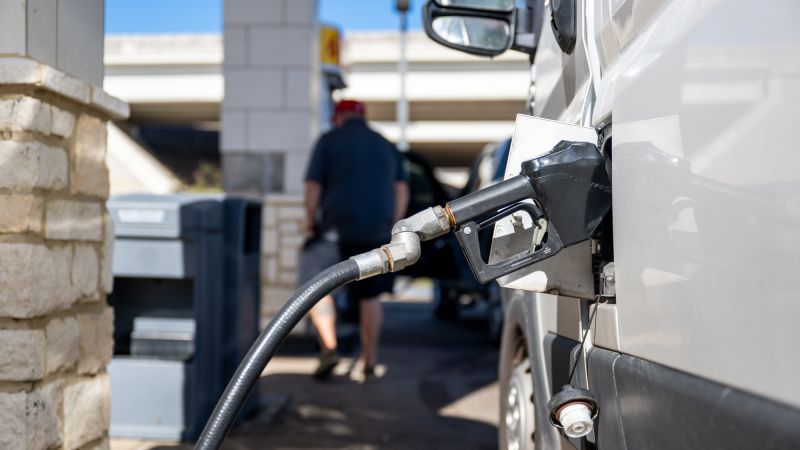
Gas prices in the US are expected to be at their lowest since 2020 in 2026, averaging around $2.97 per gallon, due to increased supply and declining oil prices, providing relief amid ongoing inflation concerns, despite potential geopolitical risks.
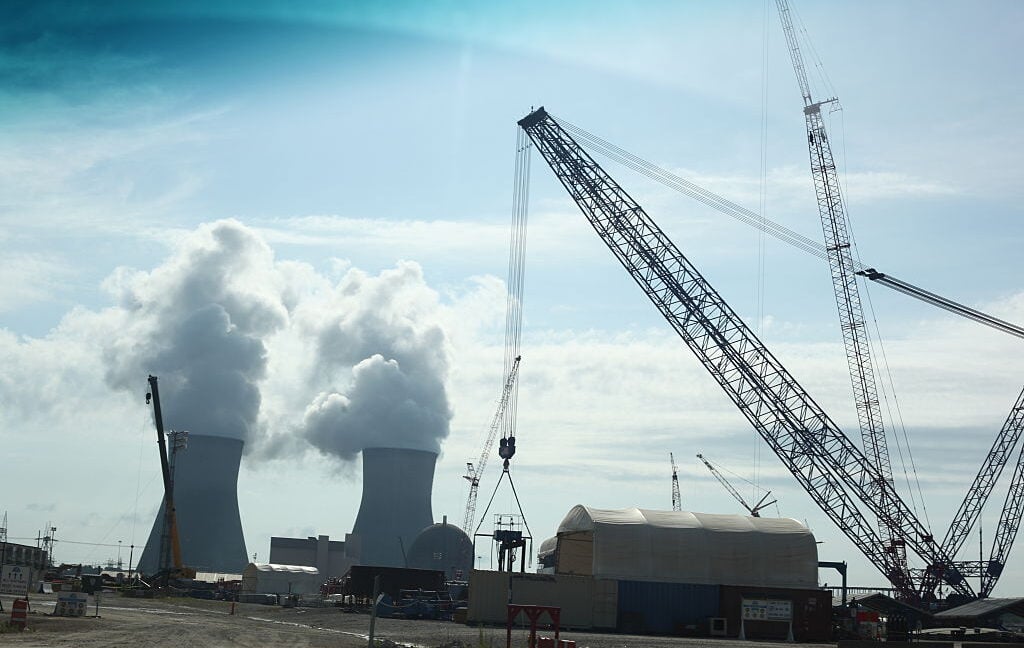
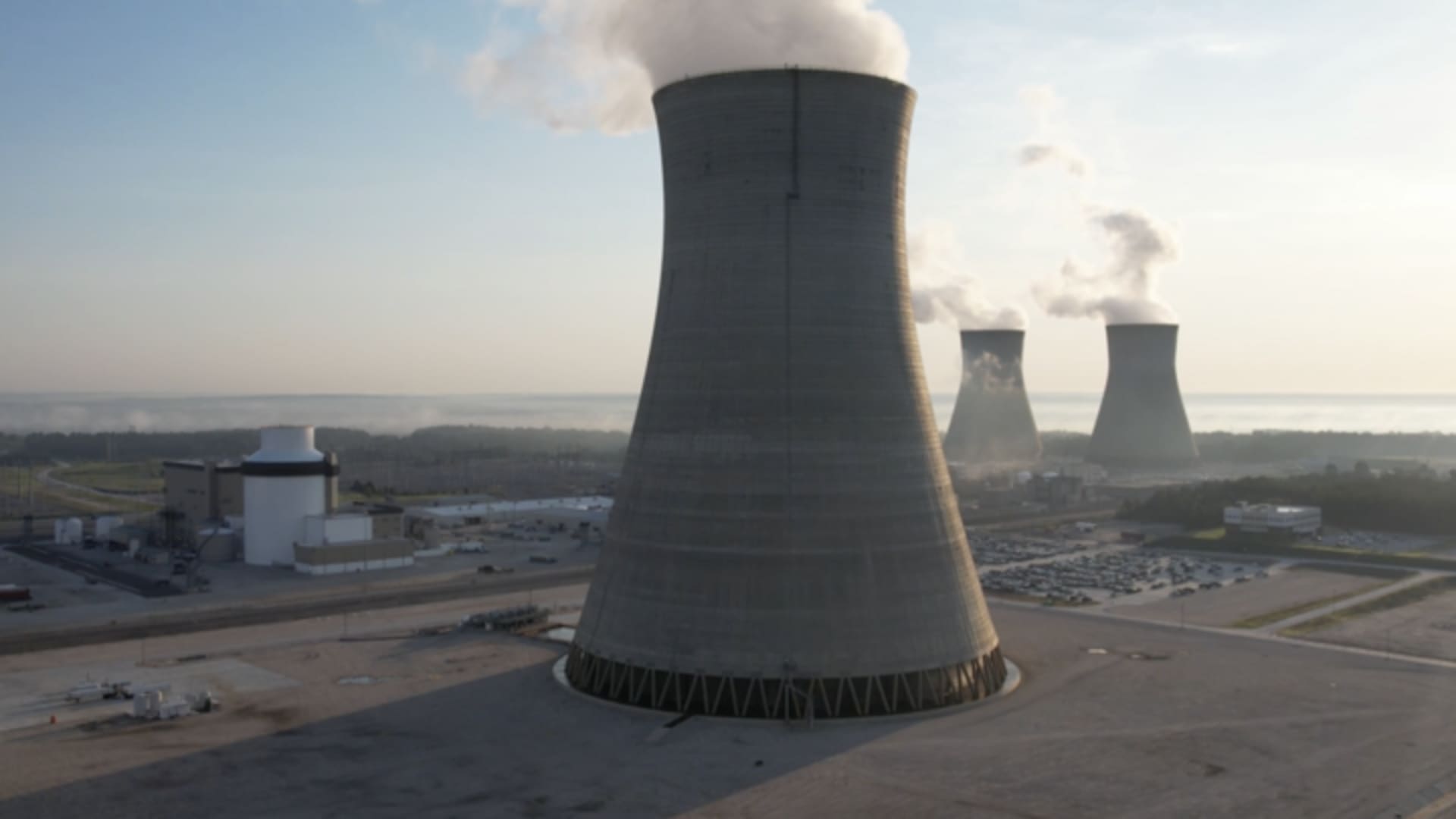
Westinghouse announced an agreement with the Trump administration to build at least $80 billion worth of new nuclear reactors in the US, involving collaborations with GE Vernova and Hitachi, though details and official confirmation are currently lacking.
The EU and US have a new trade agreement where the EU commits to purchasing $750 billion worth of US energy over three years, aiming to reduce dependence on Russian fossil fuels, especially LNG, amid ongoing geopolitical tensions. The deal signifies a major shift in energy sourcing for Europe, although specific implementation details remain unclear.
Westinghouse plans to build 10 large nuclear reactors in the U.S. by 2030, aiming to significantly boost nuclear power in line with President Trump's goal of quadrupling nuclear capacity by 2050, with a focus on using AI to streamline construction processes.
OpenAI has signed a significant deal with Oracle to rent approximately 4.5 gigawatts of data center power across multiple US sites for its Stargate AI project, highlighting the massive energy demands of cutting-edge AI development and Oracle's expanding cloud infrastructure efforts.
Crude oil prices rose after the U.S. Energy Information Administration reported a significant inventory draw of 4.9 million barrels for the week ending July 12, aligning with the American Petroleum Institute's estimates. Despite the crude draw, gasoline and middle distillate inventories saw increases. Oil prices saw a boost, with WTI and Brent both trading up over 1%.
Sub-zero temperatures in the U.S. have caused a significant drop in natural gas production, leading to record-high electricity demand in some states, particularly Texas. The state's grid regulator issued a conservation call due to freezing temperatures and low operating reserves. With gas and oil production declining in North Dakota, gas prices have surged, potentially setting the stage for a repeat of the 2021 winter power outages.
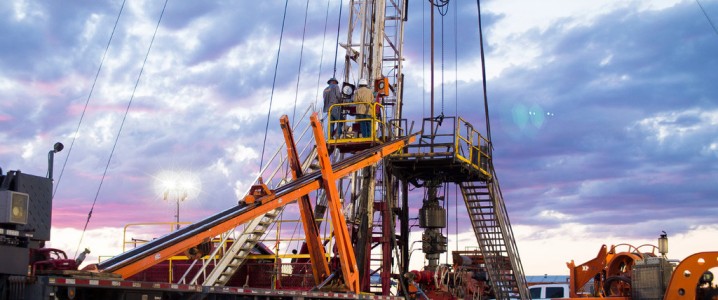
The Energy Information Administration (EIA) forecasts that the United States will reach a new record in crude oil production at 13.4 million barrels per day in 2025, driven by increases in well efficiency. However, the EIA also predicts a slowdown in production growth due to fewer active drilling rigs. Additionally, the report forecasts a decline in U.S. coal production and expects global liquid fuels production growth to slow in 2024 before rebounding in 2025. The EIA also anticipates relatively balanced global supply and demand of petroleum liquids, with crude oil prices expected to slightly outpace demand growth in 2025.