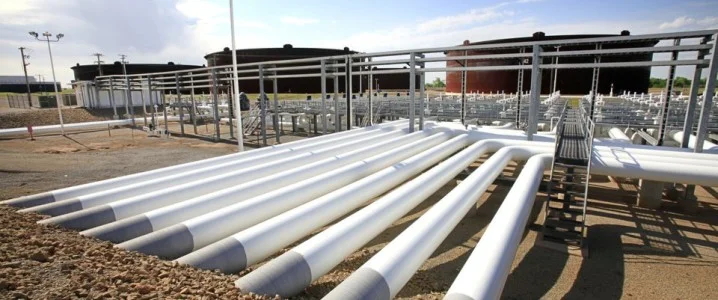
In 2025, crude oil prices declined due to oversupply in the global market, with prices dropping from $79 to $63 per barrel, influenced by economic slowdown, increased production by OPEC+, and inventory builds, especially in China, which moderated price declines.
Crude oil prices rose after the U.S. Energy Information Administration reported a significant inventory draw of 4.9 million barrels for the week ending July 12, aligning with the American Petroleum Institute's estimates. Despite the crude draw, gasoline and middle distillate inventories saw increases. Oil prices saw a boost, with WTI and Brent both trading up over 1%.
Crude oil prices fell as the U.S. Energy Information Administration reported an unexpected inventory build of 1.2 million barrels for the week ending May 31, along with increases in gasoline and middle distillate inventories. This follows similar reports from the American Petroleum Institute and comes amid concerns over potential reversals of OPEC+ production cuts, leading to a market selloff and oil prices hitting a four-month low.
The US led global oil production for the sixth consecutive year in 2023, surpassing its own record with an average of 12.9 million barrels per day. Alongside Russia and Saudi Arabia, the three countries accounted for 40% of global oil production. The EIA report highlighted the US's dominance in oil production, driven by advancements in hydraulic fracturing and horizontal drilling techniques, particularly in the Permian Basin. Russia, which led global production in 2017, has faced production growth challenges due to sanctions and voluntary cuts.
The U.S. Energy Information Administration reported a 4.2 million barrel increase in crude oil inventories, while gasoline and middle distillates saw draws. This news caused oil prices to drop, despite earlier reports of OPEC+ extending production cuts. The American Petroleum Institute also reported an unexpected 8.43 million barrel build in oil inventories, further impacting prices. Brent crude was trading at $84.15 per barrel, and West Texas Intermediate at $79.31 per barrel.
The EIA predicts zero growth in US crude oil production for 2024, with a drop in production expected for the remainder of the year. The cold snap in January caused a temporary decline in production, and the EIA forecasts a return to near-record levels in February. This lack of production growth could support crude oil prices and help OPEC tighten the market, with a global oil supply deficit of 120,000 bpd expected for this year.
The U.S. Energy Information Administration (EIA) has revised its forecast for domestic oil growth in 2024, projecting a slower increase of 170,000 barrels per day (bpd) compared to last year's 1.02 million bpd. U.S. crude oil production is expected to reach 13.21 million bpd in 2024, with a slight decrease in the middle of the year. Global oil inventories have risen due to disruptions in the Red Sea shipping lane, and the EIA anticipates a rise in crude oil prices into the mid-$80s followed by downward pressure in the second quarter of 2024.
The Energy Information Administration (EIA) forecasts that the United States will reach a new record in crude oil production at 13.4 million barrels per day in 2025, driven by increases in well efficiency. However, the EIA also predicts a slowdown in production growth due to fewer active drilling rigs. Additionally, the report forecasts a decline in U.S. coal production and expects global liquid fuels production growth to slow in 2024 before rebounding in 2025. The EIA also anticipates relatively balanced global supply and demand of petroleum liquids, with crude oil prices expected to slightly outpace demand growth in 2025.
The U.S. Energy Information Administration (EIA) reported a significant build in oil and fuel stocks, with oil inventories increasing by 2.9 million barrels, gasoline inventories adding 2.7 million barrels, and middle distillate stocks rising by 1.5 million barrels. This comes amid security concerns in the Red Sea, leading to rerouting of shipping routes and increased military presence in the region. Crude oil prices moved lower in response to the inventory increase.
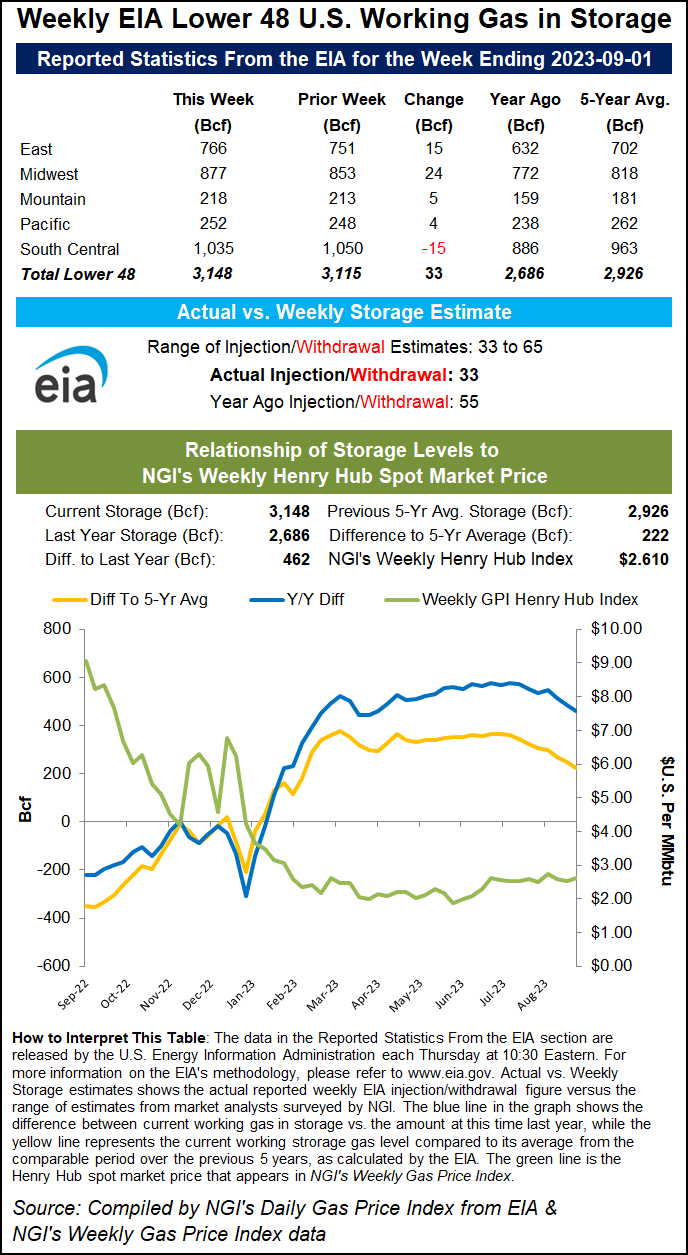
The U.S. Energy Information Administration (EIA) reported a smaller-than-expected injection of 33 Bcf natural gas into storage for the week ended Sept. 1, causing a rally in Nymex natural gas futures. Prior to the report, market expectations ranged from 33 Bcf to 65 Bcf, with a median estimate of 42 Bcf. The October futures contract initially rose to $2.600/MMBtu before settling at $2.590/MMBtu, up 8.0 cents.
A 15-year-old horse in Oklahoma has tested positive for equine infectious anemia (EIA), a viral disease that attacks horses' immune systems. The infected horse was euthanized, and the remaining 21 horses in the herd are under quarantine until state testing requirements are met. EIA is transmitted through the exchange of body fluids and can be spread by blood-feeding insects or contaminated instruments. Infected horses are carriers for life, and there is no vaccine or cure for the disease.
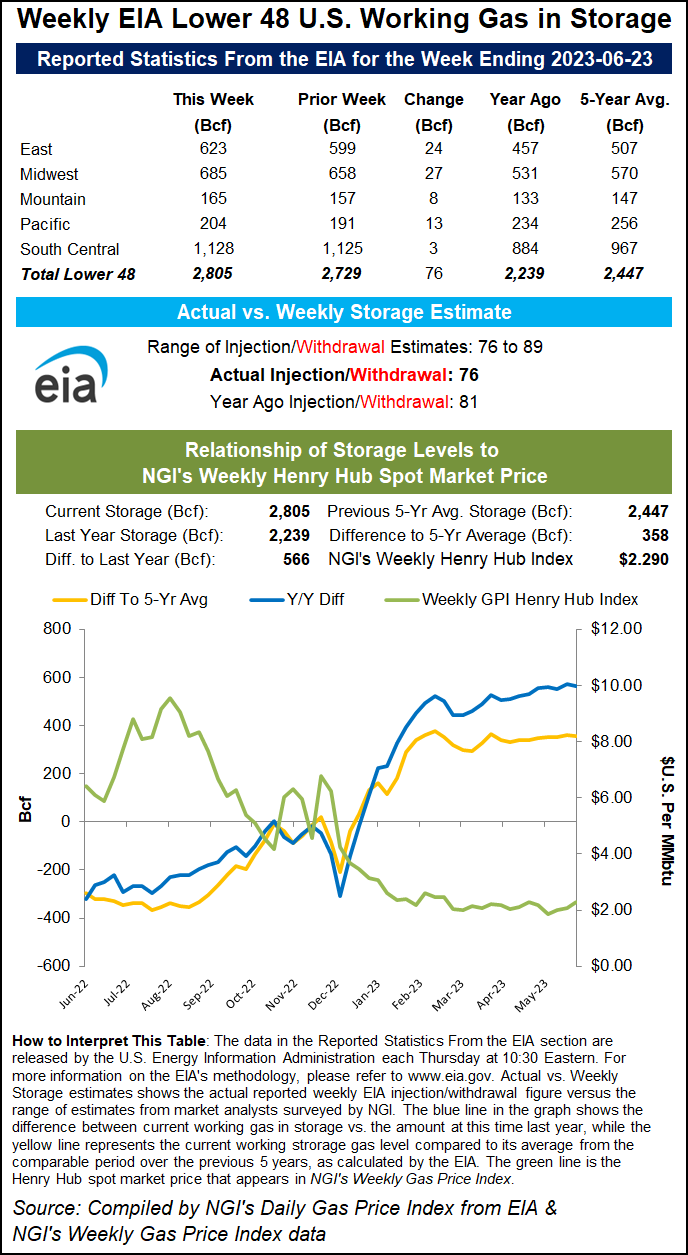
The U.S. Energy Information Administration (EIA) reported a storage injection of 76 Bcf for natural gas, which was lower than expected and triggered a price rally. The August Nymex gas futures contract initially traded slightly lower but jumped more than 5 cents after the EIA report. However, some of those gains were erased later in the day.
Crude oil prices fell after the Energy Information Administration reported an estimated inventory build of 7.9 million barrels for the week to June 9, compared to a modest inventory draw of half a million barrels for the previous week. Analyst expectations for the weekly change ranged from a draw of 2.5 million barrels to a build of 2 million barrels. Meanwhile, prices have been on the mend after consumer price inflation fell to 4% in May on an annual basis and by a modest 0.1% on a monthly basis, sparking hope that the worst of the price rises may be over, stimulating higher energy demand.
Despite bearish EIA inventory data, WTI crude oil prices rose above $70 per barrel, recouping more than half of this week's losses. Factors affecting the oil markets include China's oil demand, OPEC+ upcoming meeting, the Fed's future interest rate plans, rising U.S. crude oil inventories, and Russia's crude oil production levels. The market believes that OPEC+ will not change production plans, but the $74 handle for Brent is likely below the comfort level of most OPEC+ levels, leaving some to believe another cut is inevitable.
Crude oil prices rose after the Energy Information Administration reported a surprise inventory build of 4.5 million barrels for the week to May 26, with crude oil inventories in the US around 2% below the five-year average. The EIA also reported a 200,000-barrel inventory draw in gasoline and an inventory build of 1 million barrels in middle distillates. Brent crude traded at $73.11 per barrel, with West Texas Intermediate at $68.86 per barrel. Economists polled by Reuters suggested that prices will not top $100 this year, remaining below $90 per barrel for the remainder of the year.