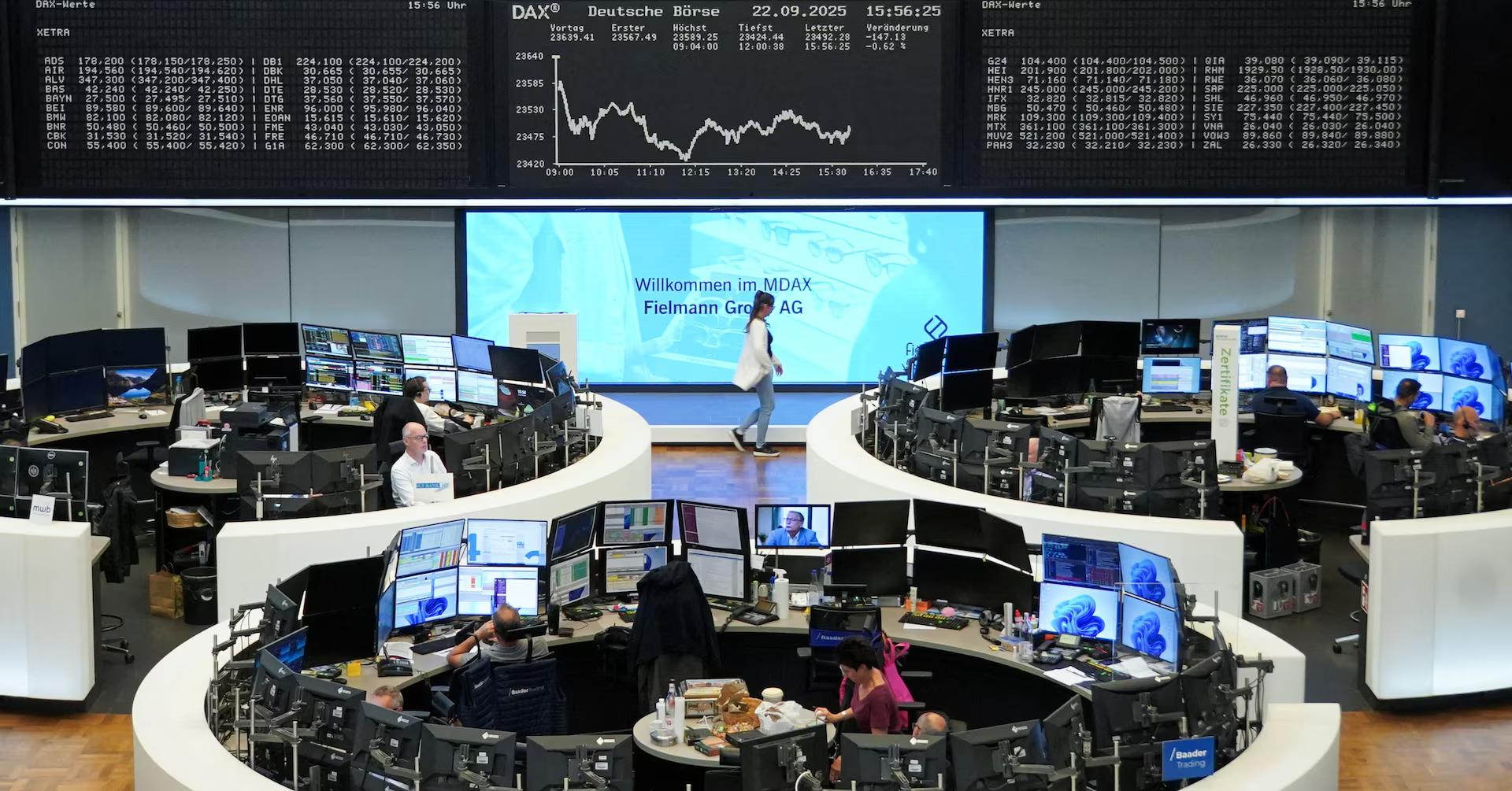
Stock futures declined as investors reacted to mixed US economic data, including a job report showing job losses in October but gains in November, leading to a third consecutive day of losses for major indexes. The market is also awaiting upcoming Federal Reserve speeches and CPI data, amid concerns about economic slowing and a potential shift towards fixed income investments.

Global stocks and cryptocurrencies declined amid risk aversion ahead of key US economic data and Federal Reserve policy decisions, with investors cautious about rate cuts and economic outlooks, while markets also monitor potential changes in central bank leadership and international economic signals.
The USD/JPY currency pair is approaching a breakout point influenced by US-China trade negotiations, potential tariff reductions, and economic data. Positive trade developments and dovish US Federal Reserve policies could push the pair toward 155, while hawkish Bank of Japan rhetoric and weaker US data might bring it down to 150.
European stocks rose despite US tariffs on pharmaceuticals and other goods, as markets had already priced in these tariffs. US economic data suggests resilience, leading to reduced expectations of Fed rate cuts, while the dollar gained weekly. Oil prices increased, and US Treasury yields rose slightly.
Asian shares rose on optimism about lower auto tariffs in US-Japan negotiations, while US and European futures gained. However, concerns remain due to weak US economic data and potential tariff hikes on various sectors, impacting markets globally.
Wall Street declined following weaker US economic data, with flatlining services activity and rising input costs raising concerns about economic growth and the impact of tariffs. Oil prices fell for the fourth consecutive session amid worries of oversupply and weaker demand, while the dollar steadied and market expectations for a Fed rate cut increased to 94%. European markets gained ground, supported by positive earnings and reduced uncertainty, despite ongoing trade tensions and geopolitical concerns.
Oil prices remained steady as mixed US economic indicators and new EU sanctions on Russia offset each other, with concerns over potential supply disruptions due to sanctions being balanced by signs of economic growth and lower inflation expectations. The EU's new sanctions include a crude oil price cap and bans on Russian petroleum products, while US companies like Chevron are making strategic moves in the energy sector.
Asian stocks rose following Wall Street's record highs, driven by strong U.S. economic data and corporate earnings, while the yen weakened ahead of Japan's upper house election, with market movements influenced by political and economic factors including inflation and trade negotiations.
Questions about the accuracy and reliability of U.S. economic data, including labor and inflation reports, have raised concerns among investors and policymakers, potentially complicating Federal Reserve decision-making and impacting financial markets.
Questions about the accuracy of US economic data, including labor and inflation reports, are raising concerns among investors and policymakers, potentially complicating Federal Reserve decisions and impacting markets, especially as recent collection cutbacks and methodological issues come to light.
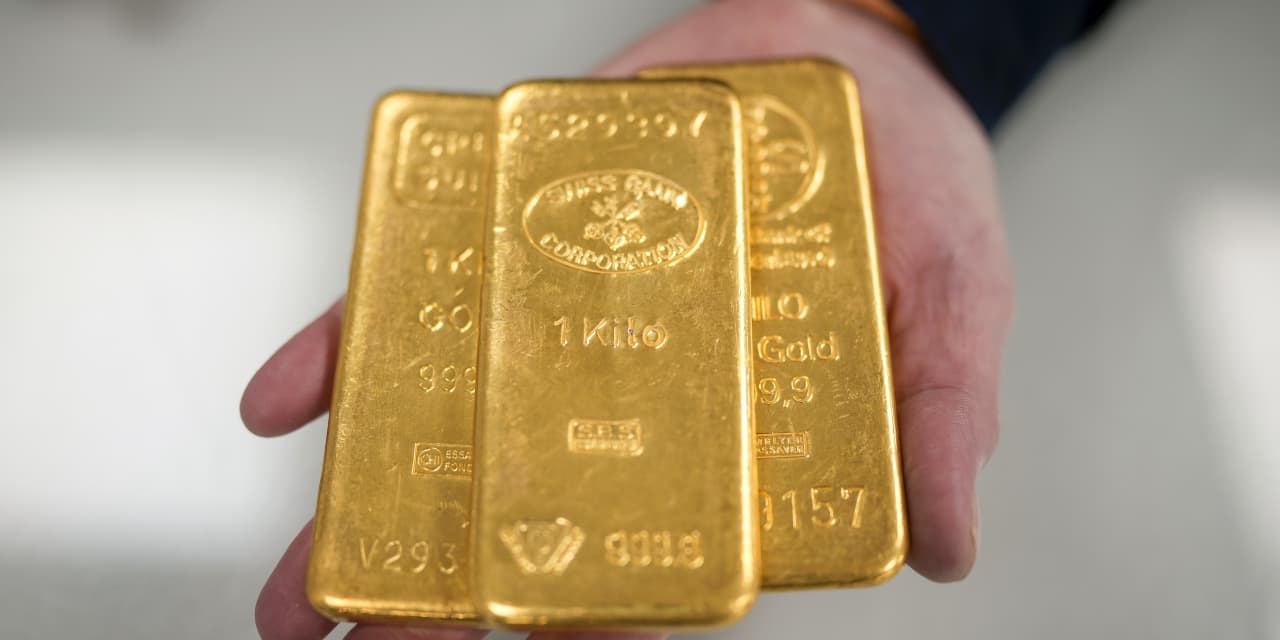
Gold prices dropped over 2% on Thursday due to stronger-than-expected U.S. economic data, which increased U.S. Treasury yields and strengthened the dollar. The precious metal broke several support levels, hitting a two-week low. With persistent inflation and a strong U.S. economy, the Federal Reserve is likely to maintain higher interest rates, limiting gold's near-term upside. Key technical levels to watch include $2,310, $2,300, and $2,280 on the downside, and $2,365, $2,375, and $2,420 on the upside.
Gold futures closed at a new record high due to weak U.S. economic data, leading to a decline in the dollar and Treasury yields. The complex interplay of economic data, fluctuating dollar fortunes, bond yields, and Federal Reserve actions contributed to this surge. Factors such as tamer U.S. inflation data and a weaker dollar index supported the rally. The market dynamics, including strong Asian buying and expectations of Fed rate cuts, are driving the gold price higher, with experts predicting a continued rally.
European stocks are expected to open flat as investors await the European Central Bank's rate decision, while most Asian equities rose on bets that China's latest stimulus measures may stabilize its stock market. The dollar strengthened against major peers, treasury yields declined, and US investors are awaiting economic data. Oil prices advanced, and Bitcoin rose near the $40,000 mark.