Researchers at the University of Surrey have developed a brain-inspired approach called Topographical Sparse Mapping to enhance AI performance and efficiency by mimicking the human brain's neural wiring, reducing energy consumption and improving sustainability in AI models.
A study from the University of Surrey found that young adults aged 18-25 who use nicotine vape products were significantly more likely to experience mental health issues such as depression, anxiety, and sleep problems. Vape users also exhibited lower levels of mindfulness, worse sleep quality, heightened levels of rumination, and increased alcohol consumption. While the study doesn't establish causation, it suggests a concerning link between vaping and anxiety symptoms, prompting the need for interventions to reduce vape use among young people.
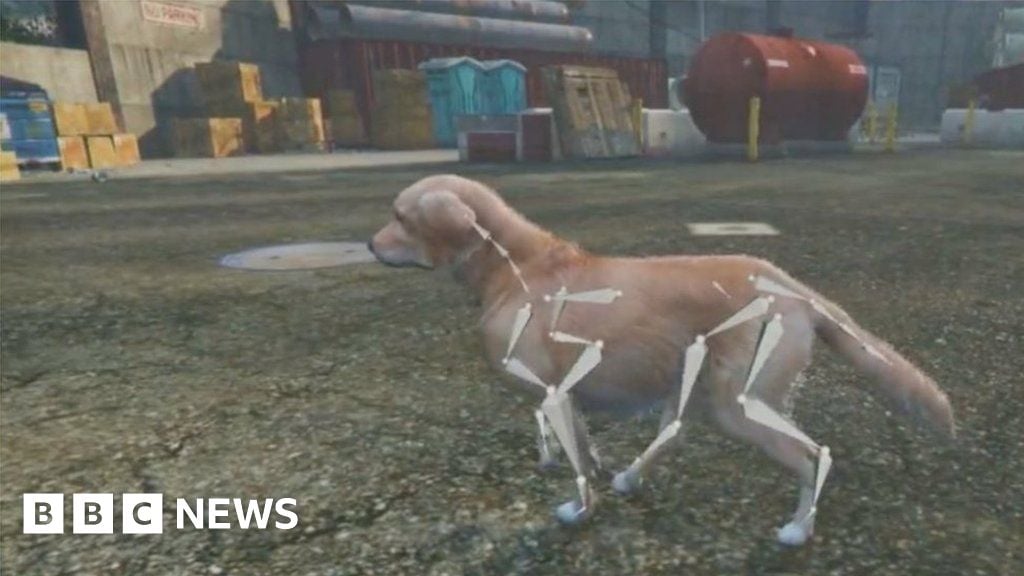
Researchers at the University of Surrey have trained an AI system to predict the 3D pose of dogs from 2D images using the video game Grand Theft Auto, creating a database called DigiDogs. This AI system could have various applications, from ecology to animation, and may help conservationists spot injured wildlife or assist artists in creating more realistic animals in the metaverse. The team plans to further refine the system using real dog photographs and Meta's DINOv2 model to ensure accurate 3D pose prediction.
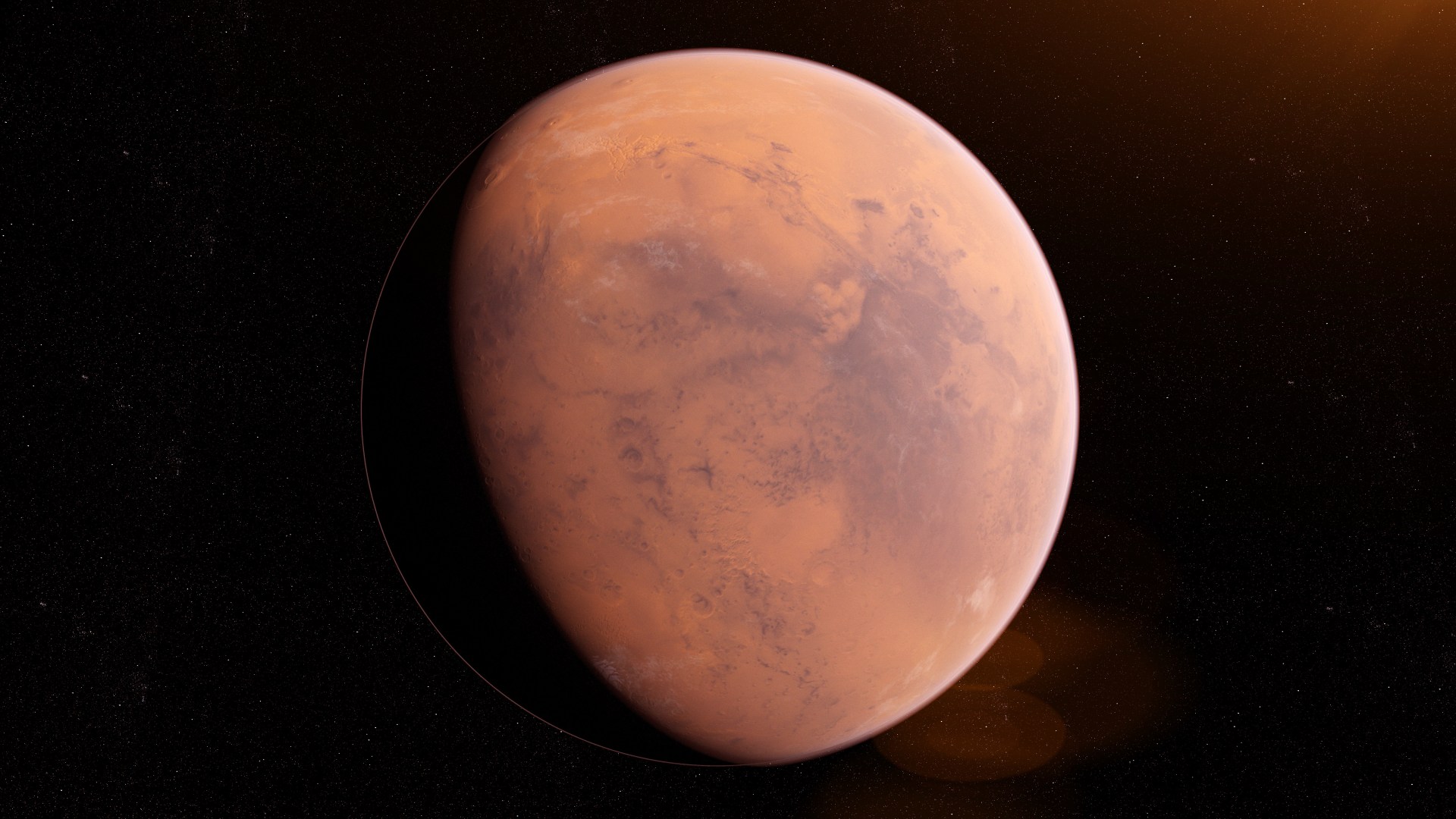
Scientists at the University of Surrey have developed a new "bacteria paint" that contains oxygen-producing bacteria, which could potentially make the air on Mars breathable for humans. The paint, called "green living paint," contains bacteria that can produce oxygen and capture carbon dioxide, similar to plants. These bacteria, known as photosynthetic Chroococcidiopsis, are capable of surviving in extreme environments and require very little water. The paint could be used to create livable conditions on Mars and aid in colonization efforts.