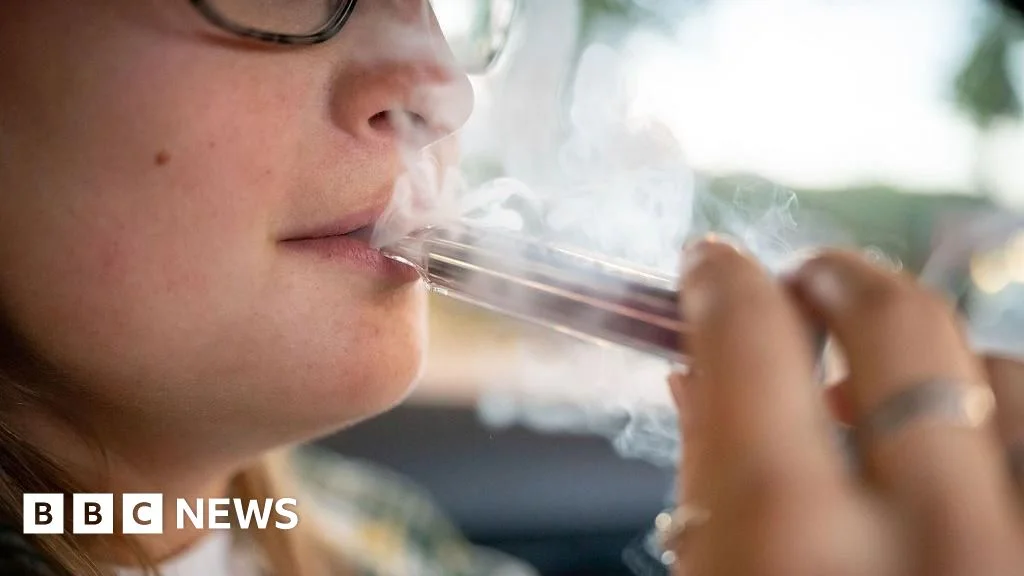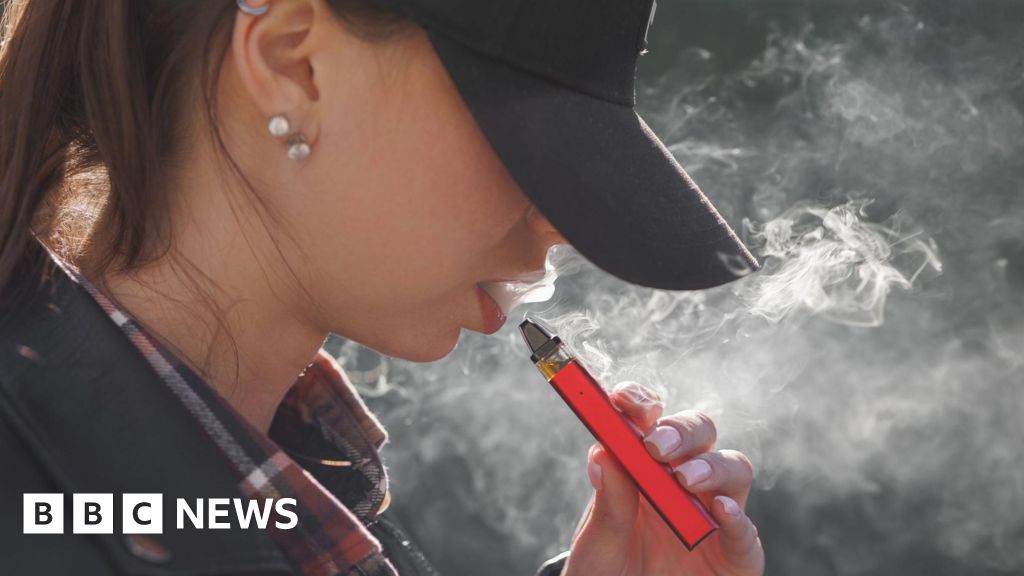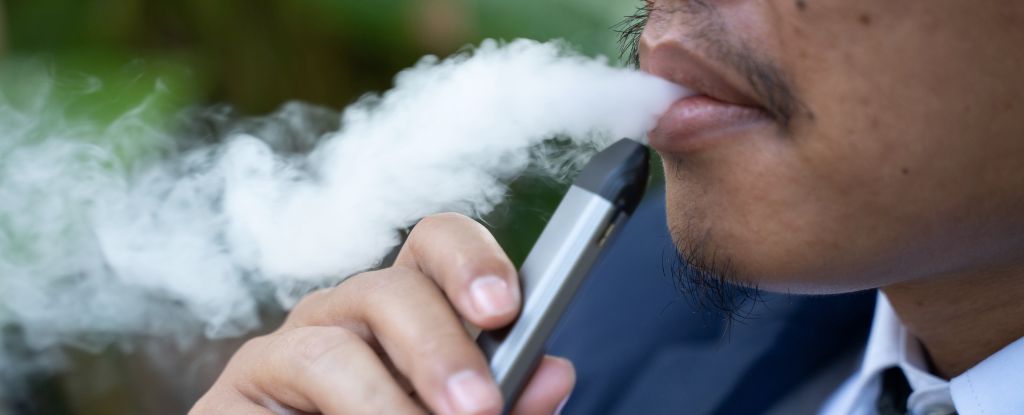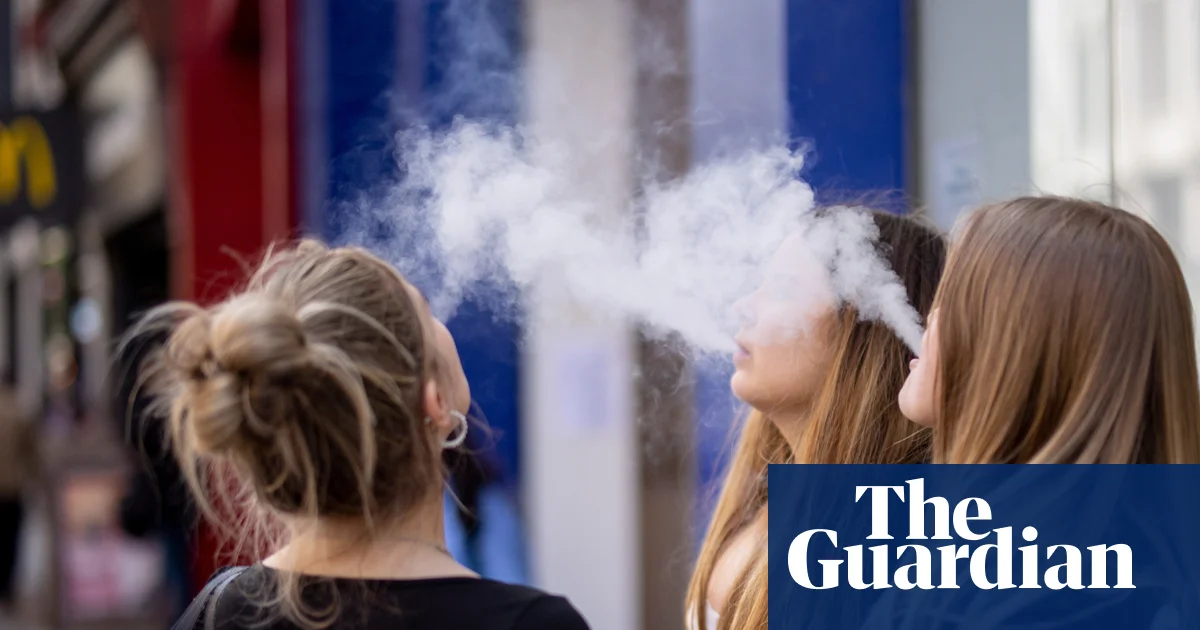
Vaping is considered safer than smoking due to the absence of combustion, but it remains addictive and challenging to quit, especially for young people. While evidence supports vaping as a less harmful alternative, many users struggle to stop due to behavioral and psychological factors, with various support strategies like gradual reduction, professional help, and behavioral therapies showing promise. Public misconceptions about vaping's risks persist, complicating efforts to reduce its use, particularly among youth.
For the first time in Great Britain, more adults use vapes than smoke cigarettes, with 5.4 million vaping compared to 4.9 million smoking, reflecting a decline in smoking rates and rising vaping popularity, especially among younger adults. Health experts acknowledge vaping as less harmful than smoking but caution about potential risks, especially for children and non-smokers. The government is implementing new regulations to restrict sales and marketing of vaping products to protect youth, amid ongoing efforts to reduce smoking-related deaths.
Research indicates that vaping is significantly less harmful than smoking tobacco and can be an effective tool for quitting cigarettes, but public perception remains largely negative due to media and misinformation. Vaping delivers less toxic chemicals, and while not risk-free, it poses lower health risks, especially compared to the dangers of smoking. It is recommended for current smokers as a quitting aid, but not for non-smokers or young people, as concerns about nicotine addiction and gateway effects persist. Closing the perception gap could save millions of lives by encouraging more smokers to switch to vaping.
The managing director of BAT UK advocates for allowing strict advertising of vapes targeted at adults to help smokers switch, despite current UK restrictions and health concerns about youth vaping; she emphasizes regulation, education, and enforcement to support the UK's goal of a smoke-free generation by 2030.
A large study suggests that vaping increases the risk of prediabetes, especially when combined with traditional smoking, highlighting potential long-term health risks beyond lung issues.
Vaping's impact on oral health is still being studied, but current evidence suggests it may cause dry mouth, gum issues, and potentially increase the risk of tooth decay, though it appears less harmful than smoking. More research is needed to fully understand its long-term effects.
A report by the Trump administration on children's health omits mention of nicotine and tobacco, despite concerns about vaping-related lung injuries and the importance of tobacco control efforts, which have historically reduced youth smoking and vaping. Critics argue that the omission undermines comprehensive public health strategies, especially given the addictive and harmful nature of nicotine.
Nicotine is highly addictive, similar to cocaine, and has traditionally been associated with cigarette smoking, but its use is now increasingly popular through vaping and oral products, with the global market expected to grow significantly by 2028. The article explores whether nicotine is merely addictive or if it offers any benefits.
Doctors warn that vaping may cause irreversible harm to children's health, including brain and heart damage, due to exposure to toxins, high nicotine levels, and chemicals that can lead to cardiovascular issues and addiction. Experts advocate for a global ban on e-cigarette sales to protect youth from long-term health risks.
A comprehensive review finds that young people who vape are three times more likely to start smoking and face increased risks of asthma, mental health issues, and other health problems, prompting calls for stricter regulations to protect youth from vaping-related harms.
A passenger on an American Airlines flight was filmed arguing with flight attendants over vaping in the bathroom, leading to his removal from the plane. The incident highlights airline policies against vaping onboard due to safety concerns, with flight attendants emphasizing their role in ensuring safety and enforcing regulations. The passenger later apologized for vaping and criticized the crew's actions, while airline officials confirmed his disruptive behavior and subsequent removal. Experts affirm that flight attendants are justified in their response to ensure safety.
A passenger was ejected from an American Airlines flight after vaping in the bathroom and arguing with a flight attendant, which led to police escorting him off the plane for disruptive behavior; he also accused the attendant of assaulting him, but no disciplinary action against the crew has been confirmed.
A self-described AI expert and pickleball coach, Peter Nguyen, was caught vaping on an American Airlines flight from Phoenix to SFO, then falsely claimed he was assaulted by a flight attendant and posted a video on Instagram, possibly aiming to monetize the incident. The airline removed him upon landing due to disruptive behavior, and he was met by police, though his punishment remains unclear.
Celebrity pickleball coach Peter Nguyen was removed from an American Airlines flight after being caught vaping in the lavatory, leading to a viral confrontation with a flight attendant. The incident highlights the airline's strict ban on vaping, which extends the smoking ban to include e-cigarettes, despite some allowances for medically beneficial vapor. The article also discusses the history of smoking bans on planes and the ongoing issues with in-flight smoking and vaping.
A passenger on an American Airlines flight from Phoenix to San Francisco was caught vaping in the lavatory and then falsely claimed to be a lawyer while accusing a flight attendant of assault, leading to his removal from the flight and social media attention.