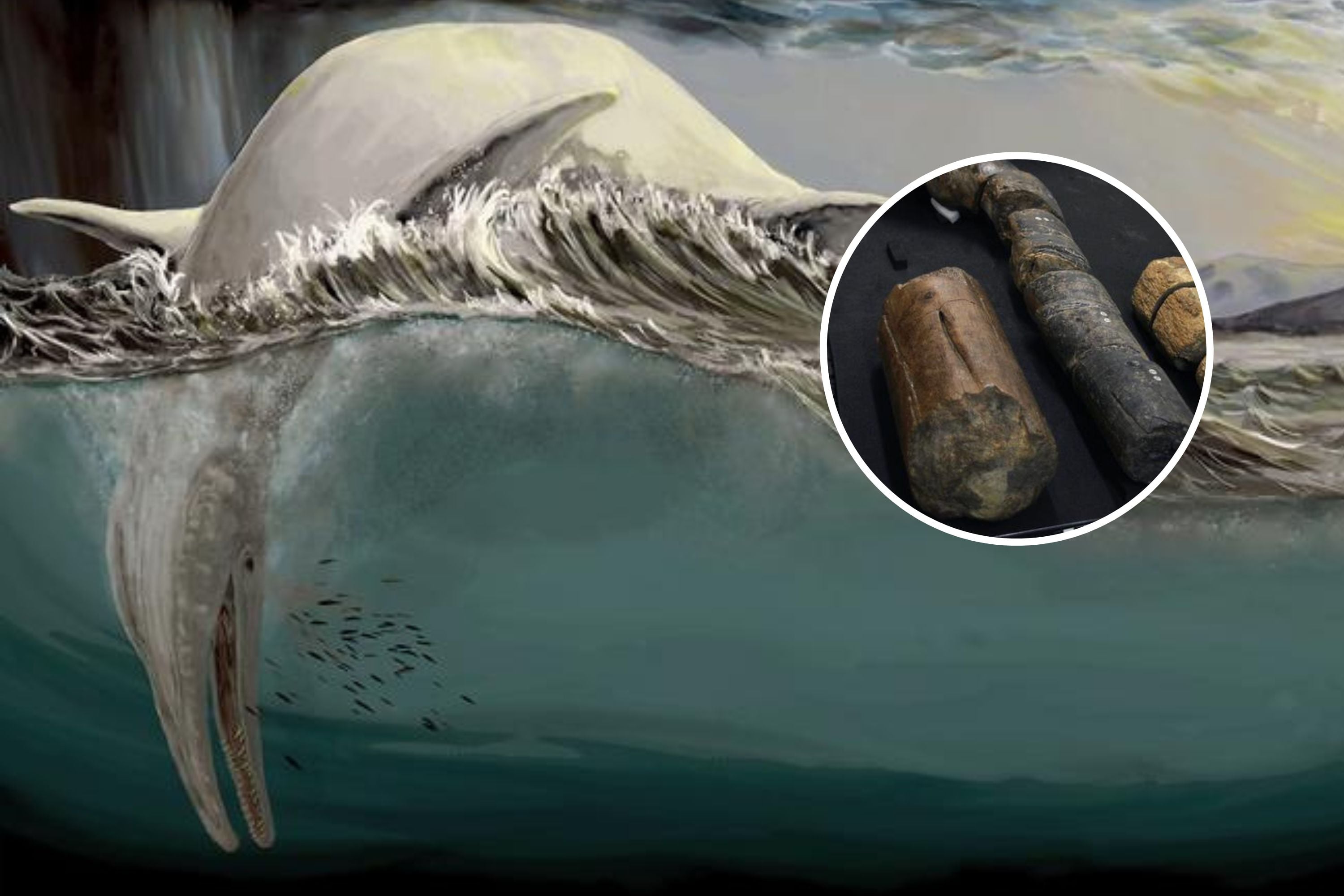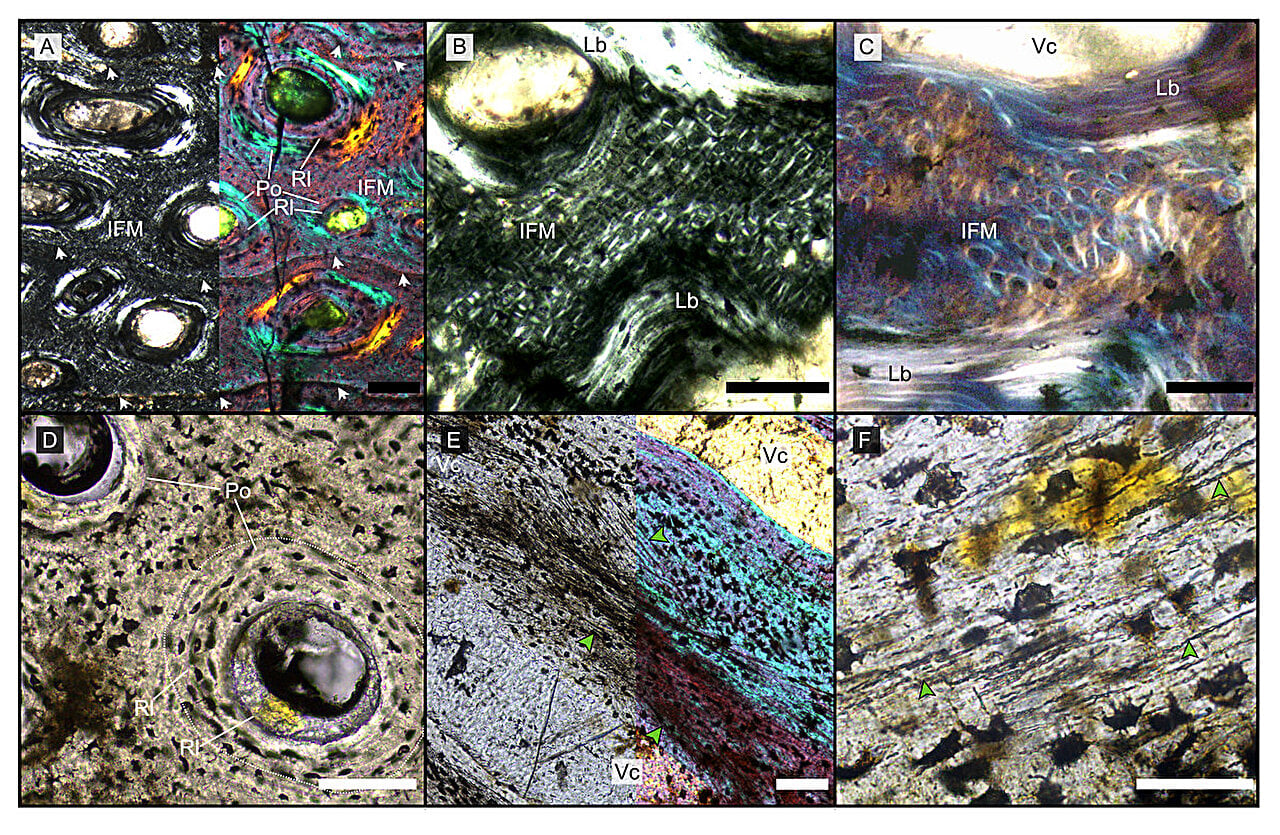
Mysterious fossilized bone fragments, initially thought to be from a creature the size of a blue whale, have been identified as belonging to ancient air-breathing marine reptiles known as ichthyosaurs, which thrived in the oceans over a hundred million years ago. Scientists at the University of Bonn in Germany used osteohistology to analyze the microstructure of the fossilized jawbones and found a unique, shared pattern of fibrous collagen, indicating they belong to the same animal group. This discovery refutes claims that the bones come from land-living dinosaurs and sheds light on the anatomy and potential hunting behavior of these ancient leviathans of the sea.
Paleontologists may have finally identified the mysterious fossilized bones found across Europe as belonging to a massive species of ichthyosaur, based on new research published in the journal PeerJ. The bones, which have puzzled researchers for 150 years, are now believed to be from the lower jaw of an enormous sea creature measuring between 82 and 98 feet long. The discovery was made by researchers from the University of Bonn, who found that the bone fragments contained unique collagen interweaving, characteristic of ancient ichthyosaurs. These ancient sea reptiles, which lived during the Mesozoic Era, had streamlined bodies similar to modern dolphins or sharks and are thought to have become extinct due to factors such as climate change and competition with other marine predators.
A study from the University of Bonn suggests that large, fossilized bone fragments found in Europe since the 19th century may have belonged to gigantic ichthyosaurs, marine creatures that could reach 25 to 30 meters in length. The microstructure of the fossils indicates that they come from the lower jaw of these ancient sea creatures, refuting previous claims that the bones belonged to land-living dinosaurs. The unusual structure of their bone walls, similar to carbon fiber-reinforced materials, likely allowed for fast growth and stability, and the findings have been published in the journal PeerJ.
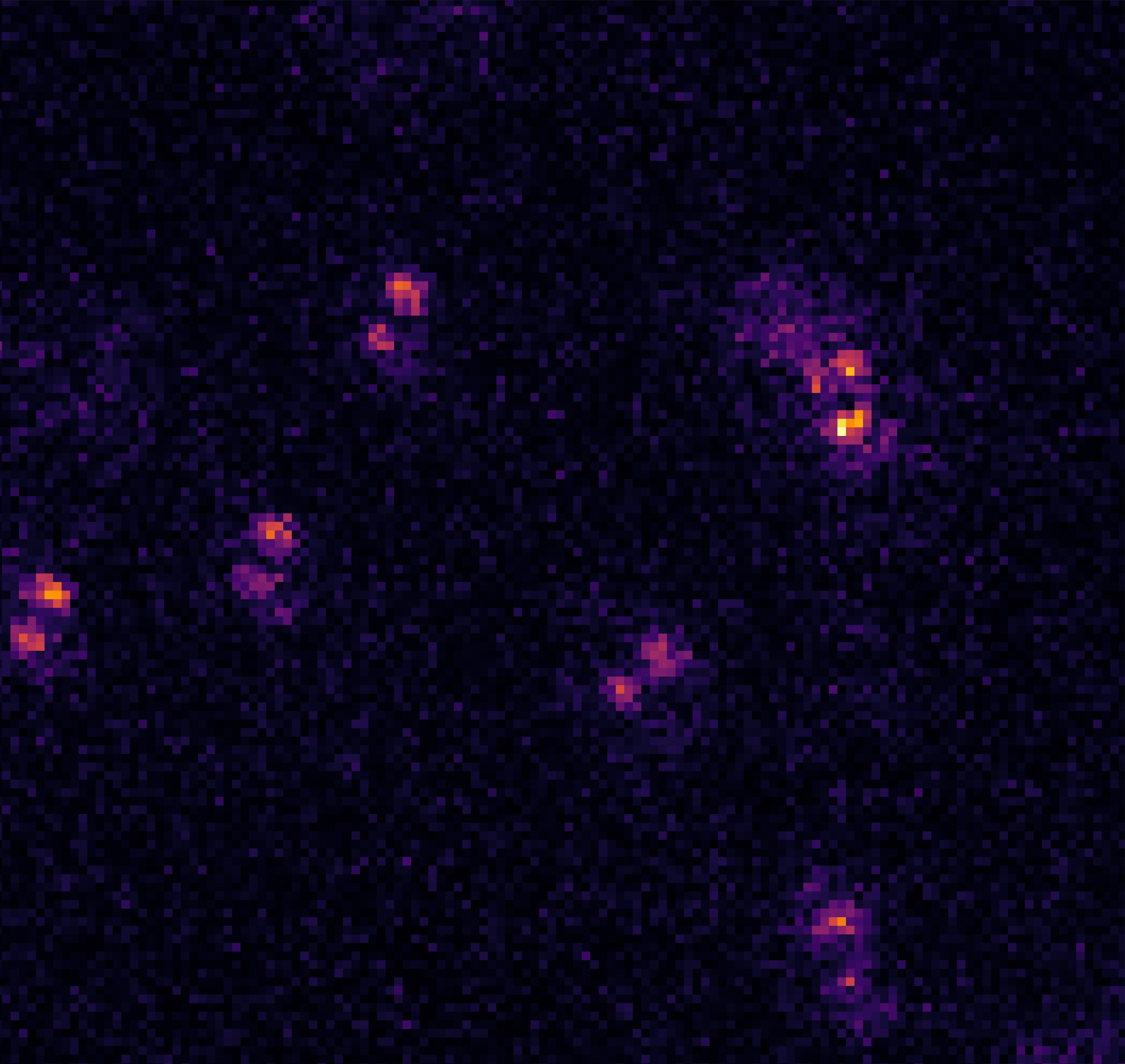
A new method developed by the University of Bonn and University of Bristol allows for the precise measurement of all three spatial coordinates of individual atoms with one single image, using an effect known in theory since the 1990s. This method, based on quantum gas microscopy, deforms the wavefront of light emitted by the atom, producing a dumbbell shape on the camera that rotates around itself, allowing researchers to determine the z coordinate. This breakthrough is important for quantum mechanics experiments and could aid in the development of new quantum materials with special characteristics.
Scientists from the University Hospital of Bonn and the University of Bonn have made a breakthrough in understanding male pattern hair loss by identifying the role of rare genetic variants. Analyzing data from over 72,000 men, the researchers identified five key genes associated with male pattern hair loss, including two previously known candidate genes (EDA2R and WNT10A) and three new candidate genes (HEPH, CEPT1, and EIF3F). The findings provide valuable insights into the genetic basis of hair loss and may lead to improved treatment options and risk assessment for this common condition.