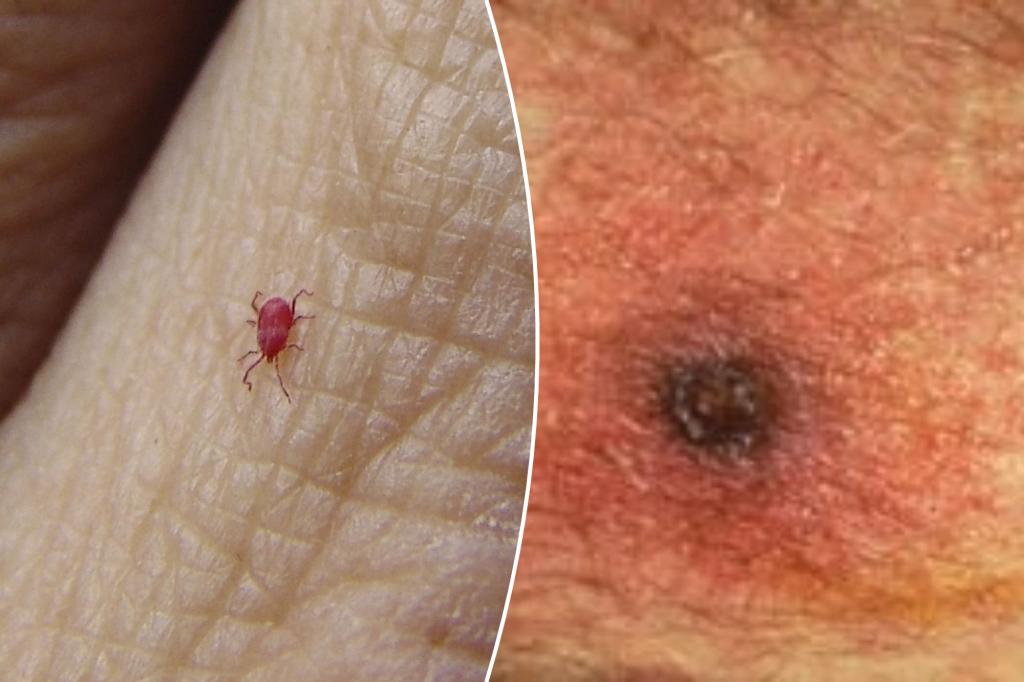
Typhus, a disease nearly eradicated in the U.S., is resurging in Texas due to climate change and increased rat populations, with cases rising notably in recent years, prompting health officials to raise awareness and caution.
Santa Monica is experiencing a flea-borne typhus outbreak with five cases, prompting health officials to increase monitoring and control efforts amid a regional surge in cases across Los Angeles County, which has seen a record high of 187 cases last year and 106 so far in 2025. The disease, transmitted by fleas from rodents and wildlife, can cause symptoms like fever, rash, and muscle pain, and is preventable through flea control and avoiding contact with stray animals. Authorities advise residents to take precautions and seek medical attention if symptoms develop.
A Texas man, Michael Kohlhof, lost both his hands and all of his toes after contracting a severe case of typhus from a single flea bite. Kohlhof was hospitalized in June with flu-like symptoms and went into septic shock shortly after. He was placed on a ventilator, dialysis, and a cocktail of drugs to keep him alive while his organs were failing. Doctors determined that the cause of his condition was typhus, an infection spread by lice, fleas, or mites. Kohlhof underwent amputations of both hands and parts of his feet due to complications from the infection. Typhus, if left untreated, can lead to severe illness and organ damage.
A Texas man, Michael Kohlhof, lost both his hands and all of his toes after contracting a severe case of typhus from a single flea bite. Kohlhof was initially hospitalized with flu-like symptoms but quickly deteriorated, requiring intensive care. Doctors determined that the cause of his condition was typhus, an infection spread by lice, fleas, or mites. Kohlhof's family set up a GoFundMe page to support his medical expenses, and he underwent amputations of both hands and parts of his feet due to complications from the infection. Typhus, if left untreated, can lead to severe illness and organ damage.
A Texas man, Michael Kohlhof, has had his hands and parts of his feet amputated after contracting a severe case of typhus from a flea bite. Kohlhof initially experienced flu-like symptoms before his condition rapidly worsened, leading to septic shock. He has undergone multiple amputations due to dry gangrene caused by sepsis. Typhus, an infectious disease transmitted by fleas, lice, and chiggers, is rare in the United States but has been reported in Southern California, Hawaii, and Texas. Kohlhof's family has set up a GoFundMe to support his treatment as he does not have health insurance.
A Texas man, Michael Kohlhof, lost both his hands and feet after contracting typhus from a flea bite. Initially admitted to the hospital with flu-like symptoms, Kohlhof's condition deteriorated rapidly, leading to sepsis. Doctors amputated his hands up to the forearms, and his feet are still being assessed for salvageable parts. Kohlhof's family has set up a GoFundMe page to cover the cost of his medical treatment, including numerous surgeries and rehabilitation. Flea-borne diseases, such as typhus, can be transmitted to humans through infected fleas and can cause severe health complications.
A Texas man, Michael Kohlhof, lost both of his arms and part of his feet after being bitten by a flea, which caused him to develop typhus and go into septic shock. Kohlhof was initially rushed to the emergency room with flu-like symptoms and loss of feeling in his toes. Despite being on life support and facing multiple organ failures, he miraculously pulled through. However, due to complications from the treatment, his hands and feet developed dry gangrene, leading to necessary amputations. The type of typhus he contracted is extremely rare in the US. Kohlhof's family is now supporting him as he adjusts to life with multiple limb amputations.
A Texas man, Michael Kohlhof, lost his hands and feet after contracting typhus from a single flea bite. Initially mistaking his symptoms for the flu, Kohlhof was admitted to the hospital and eventually diagnosed with typhus, which caused sepsis and tissue death in his extremities. Both of his hands have been amputated up to his forearms, and doctors are assessing what parts of his feet can be saved. Kohlhof's family has set up a GoFundMe to cover the cost of his medical treatment, as he undergoes numerous surgeries and rehabilitation. Flea-borne diseases, such as typhus, can be prevented by keeping pets flea-free and taking precautions to avoid flea bites.
A Houston man has lost both of his hands and parts of his feet after being bitten by a flea, resulting in a severe case of typhus. Michael Kohlhof, 35, was admitted to the hospital with flu-like symptoms and gastrointestinal issues, but his condition quickly deteriorated, leading to organ failure and septic shock. Despite doctors' efforts to save his life, Kohlhof's hands and feet were amputated due to the damage caused by vasopressors used to treat the infection. Typhus cases have been on the rise in Texas, and experts recommend taking preventive measures such as controlling fleas on pets and using insect repellent when spending time outdoors.
ER doctors in San Antonio have diagnosed several cases of murine typhus, a type of typhus caused by flea bites. Symptoms include fever, headache, and a purple diffuse rash, which can progress to more serious neurological symptoms. Prevention measures include using bug spray, regularly spraying yards, and putting pets on preventative flea medicine. Treatment involves a simple antibiotic, and it is important to inform doctors of recent flea bites. Typhus is not spread from human to human.
A potentially deadly form of typhus, spread by chiggers (trombiculid mites), has been detected in the United States for the first time. Scientists from the CDC found that chiggers in North Carolina parks are infected with the bacteria that causes scrub typhus, which can lead to severe multiorgan failure if left untreated. The disease was previously only seen in the Asia-Pacific region. Symptoms include fever, headache, body aches, and rash. The infection can be misdiagnosed as flu or tick-borne diseases. Early treatment with antibiotics is effective. The spread of scrub typhus follows the trend of tropical diseases spreading into more temperate climates.