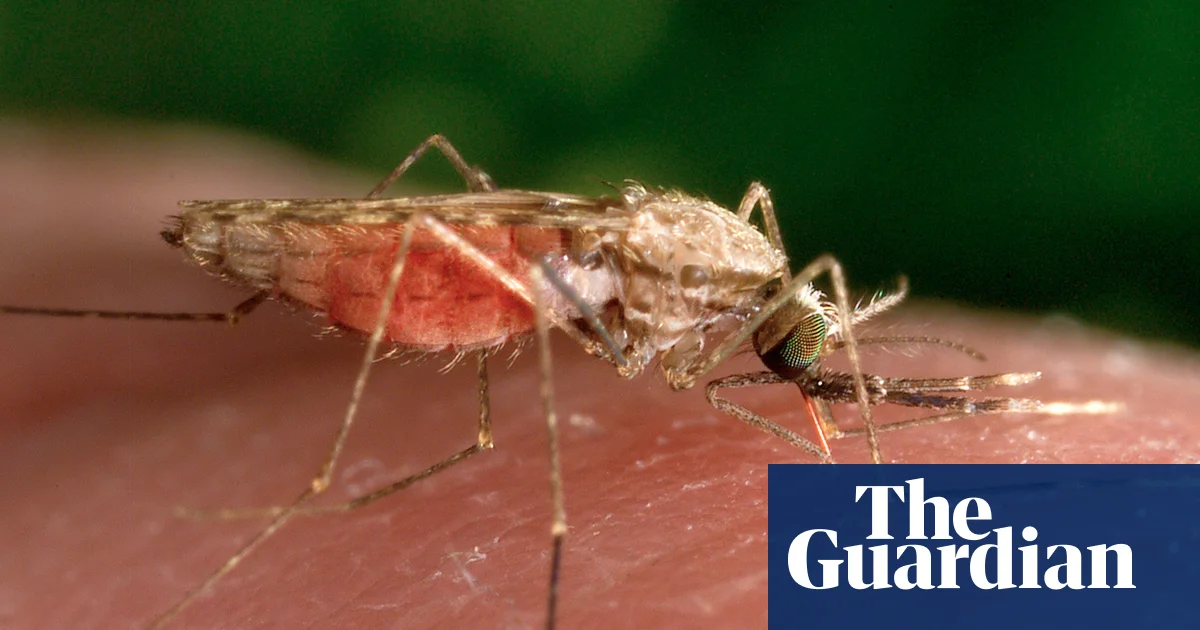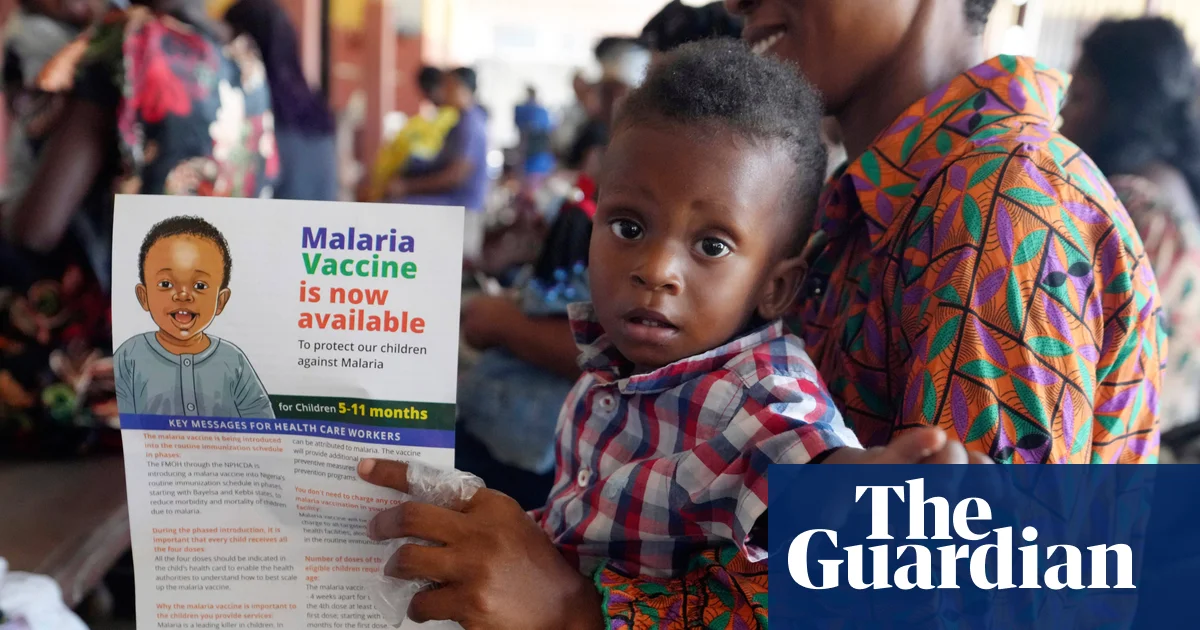
A new study warns that cuts in anti-malaria funding from wealthy countries could lead to the deadliest resurgence of the disease, causing millions of deaths and significant economic losses, especially in sub-Saharan Africa. The report emphasizes the importance of maintaining or increasing funding to prevent a catastrophic increase in cases and deaths, highlighting the role of international and private sector support in combating malaria.

Typhus, a disease nearly eradicated in the U.S., is resurging in Texas due to climate change and increased rat populations, with cases rising notably in recent years, prompting health officials to raise awareness and caution.
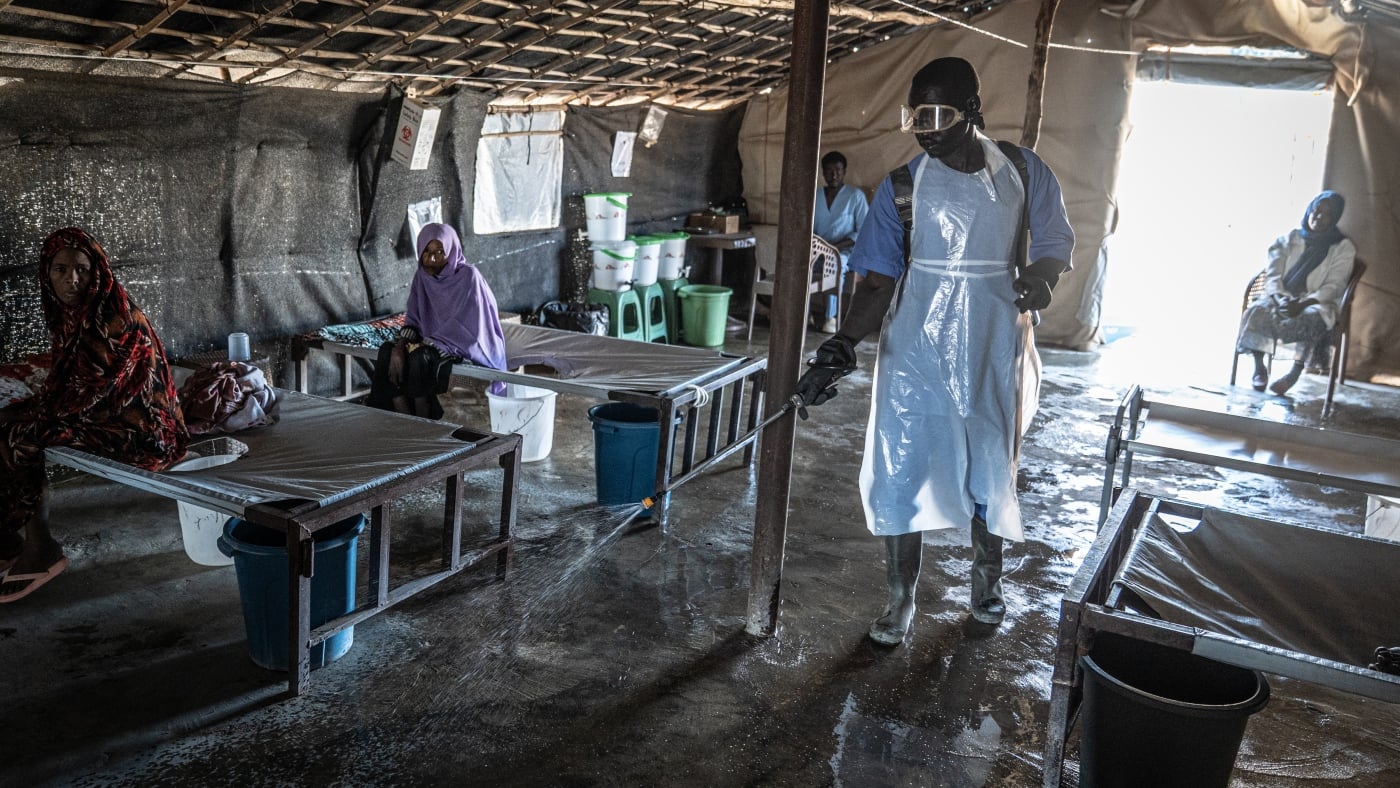
Cholera, an ancient and deadly disease, is resurging across Africa due to conflict, poverty, and climate change, prompting a coordinated emergency response including vaccination and improved water infrastructure, with a goal to eliminate it as a major health issue by 2030.
The article criticizes Donald Trump's administration for undermining public health progress in the US, including slashing medical research funding, promoting vaccine misinformation, and restricting immigration of scientists, which threatens to reverse decades of health improvements and increase disease outbreaks.
Malaria cases in Zimbabwe have surged dramatically due to U.S. aid cuts, leading to increased hospitalizations and deaths, as the country struggles to maintain prevention efforts without sufficient funding, highlighting the broader impact of climate change and international support on disease control.
Malaria cases and deaths in Zimbabwe have surged dramatically in 2025, with a 180% increase in cases and a 218% rise in deaths, largely due to US aid cuts that disrupted prevention efforts like mosquito net distribution and research programs, threatening the country's goal to eliminate malaria by 2030.