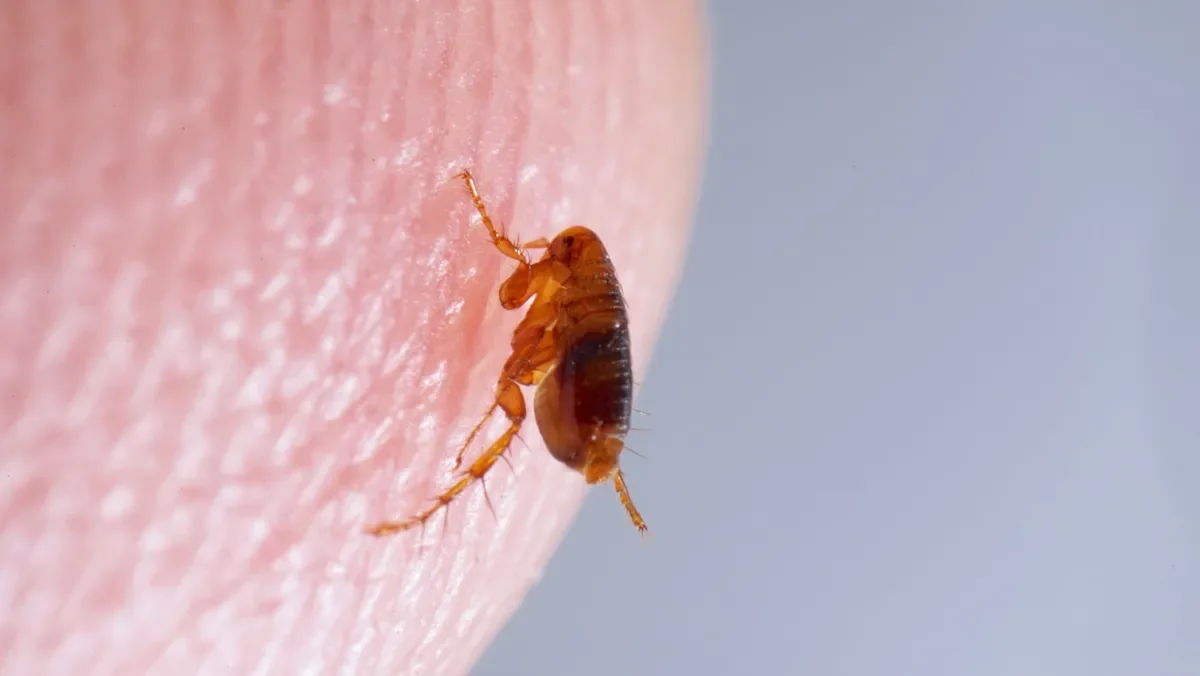
A man in New Mexico contracted the bubonic plague after camping near Santa Fe National Forest, marking the first human case in the state this year, likely transmitted via flea bite from infected rodents; similar cases have occurred in California.
Public health officials in California confirmed a case of the plague in a Lake Tahoe resident, likely contracted via a flea bite while camping. The plague, historically deadly but now treatable with antibiotics, remains rare but highlights ongoing insect-borne disease risks. Precautions include wearing protective clothing and keeping pets away from wild rodents. Early detection and awareness are crucial for effective treatment.
A resident in the Lake Tahoe area has tested positive for plague after being bitten by an infected flea while camping, prompting health officials to advise precautions against rodent and flea exposure, especially in areas with known infections. The individual is recovering at home, and health authorities emphasize the importance of preventive measures to avoid infection, which is treatable with antibiotics.
A resident of South Lake Tahoe tested positive for the plague, likely contracted from a flea bite while camping, but is currently recovering at home. Human cases are rare and treatable with antibiotics, but health officials emphasize the need for caution.
A resident of South Lake Tahoe has tested positive for the plague after camping in the area, likely from an infected flea bite. The individual is recovering at home, and health officials are monitoring the situation, which is rare in the U.S. with only a few cases annually. The plague is present in local wildlife, with recent positive tests in rodents, but prompt antibiotic treatment can be effective.
A resident of South Lake Tahoe tested positive for the plague after camping in the area, likely from an infected flea bite. The individual is recovering at home, and health officials emphasize that plague cases are extremely rare in the U.S., with ongoing surveillance in California detecting positive rodents in the region. Prompt antibiotic treatment is crucial, and the case highlights the importance of awareness and monitoring of zoonotic diseases.
A resident of South Lake Tahoe has contracted plague, likely from an infected flea while camping, prompting health officials to monitor rodent populations and advise precautions to prevent infection, which is treatable if caught early.
A California resident tested positive for plague after a flea bite while camping, highlighting the presence of the disease in the western U.S. where it circulates among wild rodents. The disease is treatable with antibiotics if caught early, and the risk to the public remains low.
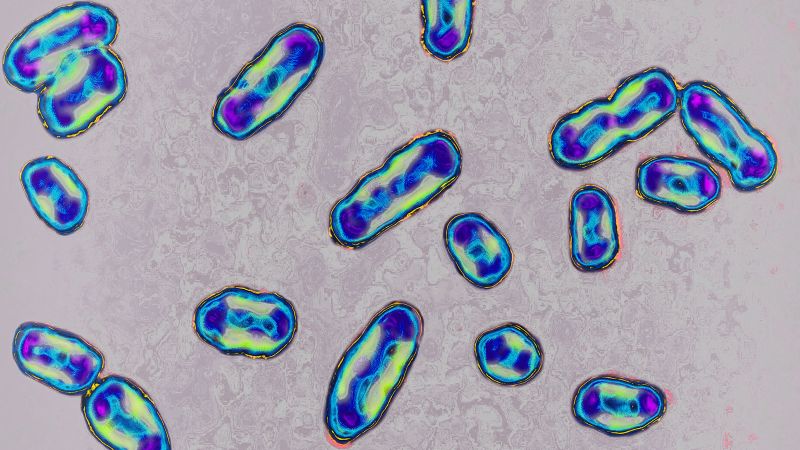
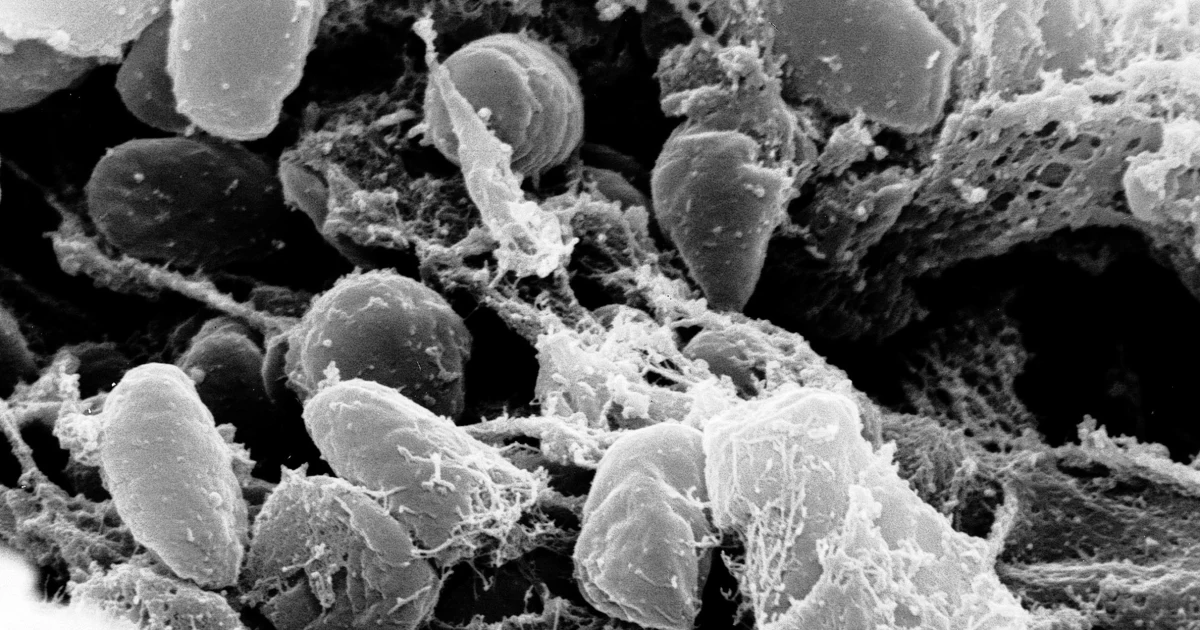
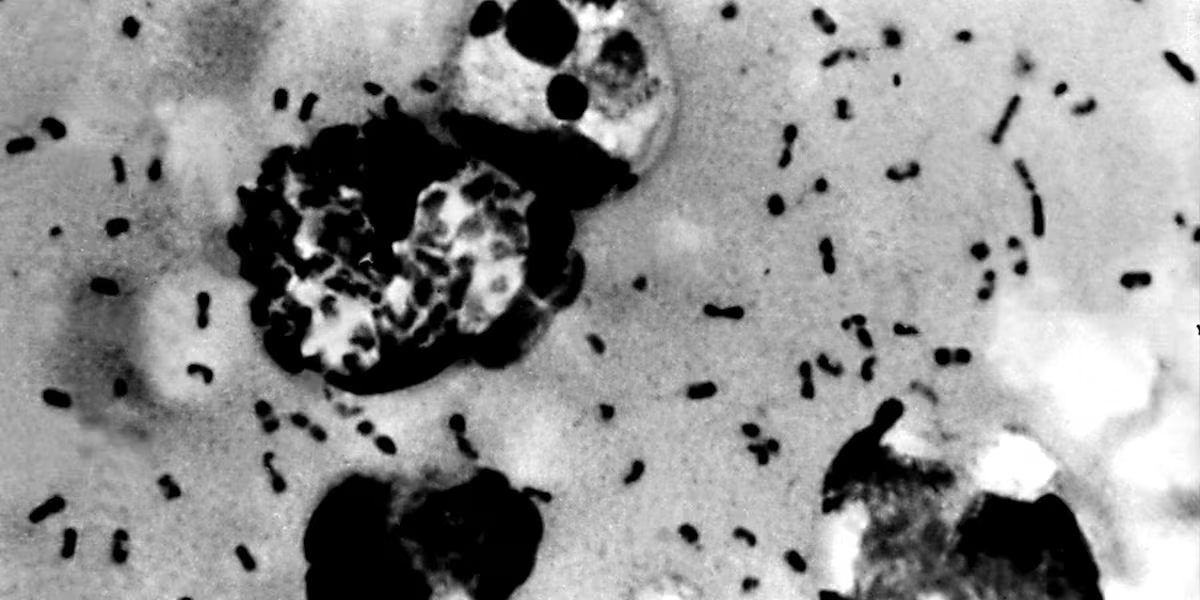
A resident in South Lake Tahoe has tested positive for the plague, likely contracted from an infected flea while camping. The disease, caused by Yersinia pestis, is rare but serious, though treatable with antibiotics if diagnosed early. Health officials advise precautions to avoid exposure to rodents and fleas in the area, where plague activity has been monitored in local wildlife.
A resident of South Lake Tahoe has tested positive for the plague, likely contracted from a flea bite while camping, prompting health officials to advise precautions against wild rodents and fleas, especially for outdoor enthusiasts and pet owners.
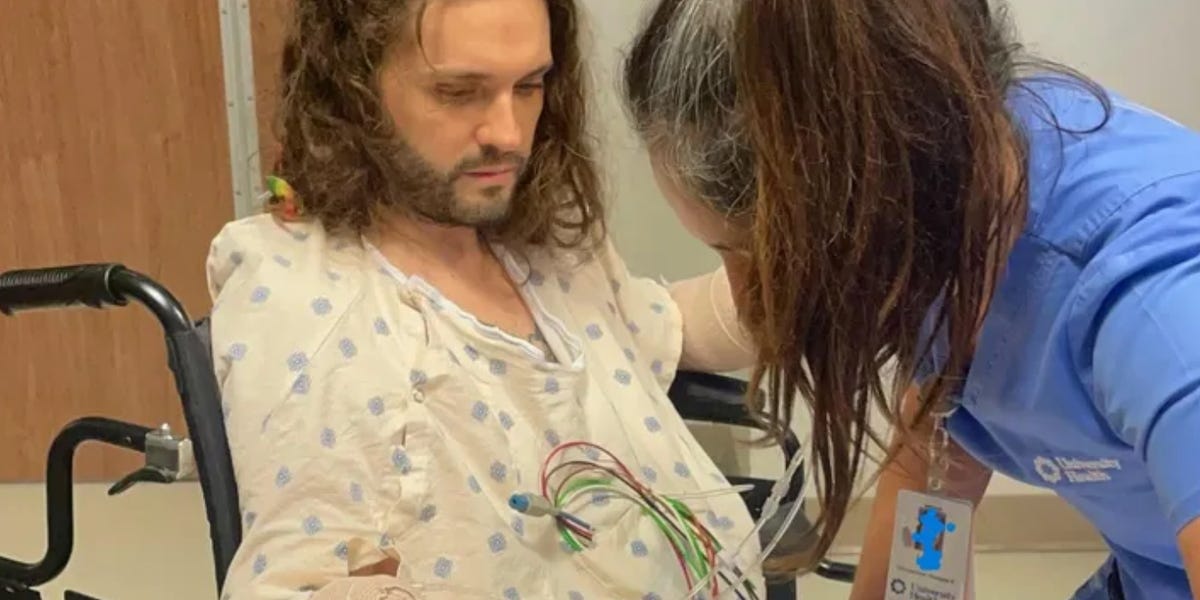
A Texas man, Michael Kohlhof, lost both his hands and all of his toes after contracting a severe case of typhus from a single flea bite. Kohlhof was hospitalized in June with flu-like symptoms and went into septic shock shortly after. He was placed on a ventilator, dialysis, and a cocktail of drugs to keep him alive while his organs were failing. Doctors determined that the cause of his condition was typhus, an infection spread by lice, fleas, or mites. Kohlhof underwent amputations of both hands and parts of his feet due to complications from the infection. Typhus, if left untreated, can lead to severe illness and organ damage.
A Texas man, Michael Kohlhof, lost both his hands and all of his toes after contracting a severe case of typhus from a single flea bite. Kohlhof was initially hospitalized with flu-like symptoms but quickly deteriorated, requiring intensive care. Doctors determined that the cause of his condition was typhus, an infection spread by lice, fleas, or mites. Kohlhof's family set up a GoFundMe page to support his medical expenses, and he underwent amputations of both hands and parts of his feet due to complications from the infection. Typhus, if left untreated, can lead to severe illness and organ damage.
A Texas man, Michael Kohlhof, lost both of his arms and part of his feet after being bitten by a flea, which caused him to develop typhus and go into septic shock. Kohlhof was initially rushed to the emergency room with flu-like symptoms and loss of feeling in his toes. Despite being on life support and facing multiple organ failures, he miraculously pulled through. However, due to complications from the treatment, his hands and feet developed dry gangrene, leading to necessary amputations. The type of typhus he contracted is extremely rare in the US. Kohlhof's family is now supporting him as he adjusts to life with multiple limb amputations.
A Houston man has lost both of his hands and parts of his feet after being bitten by a flea, resulting in a severe case of typhus. Michael Kohlhof, 35, was admitted to the hospital with flu-like symptoms and gastrointestinal issues, but his condition quickly deteriorated, leading to organ failure and septic shock. Despite doctors' efforts to save his life, Kohlhof's hands and feet were amputated due to the damage caused by vasopressors used to treat the infection. Typhus cases have been on the rise in Texas, and experts recommend taking preventive measures such as controlling fleas on pets and using insect repellent when spending time outdoors.