Labour leader Sir Keir Starmer has stated he would use nuclear weapons if necessary to defend the UK, marking a departure from Jeremy Corbyn's stance against the Trident system. Starmer pledged to increase defence spending and maintain the UK's nuclear deterrent, emphasizing Labour's commitment to national security. Conservative defence secretary Grant Shapps criticized Labour's position, while SNP spokesman Martin Docherty-Hughes condemned the focus on nuclear weapons amid a cost-of-living crisis. Starmer also reaffirmed Labour's support for NATO and announced a slate of ex-military candidates for the upcoming election.
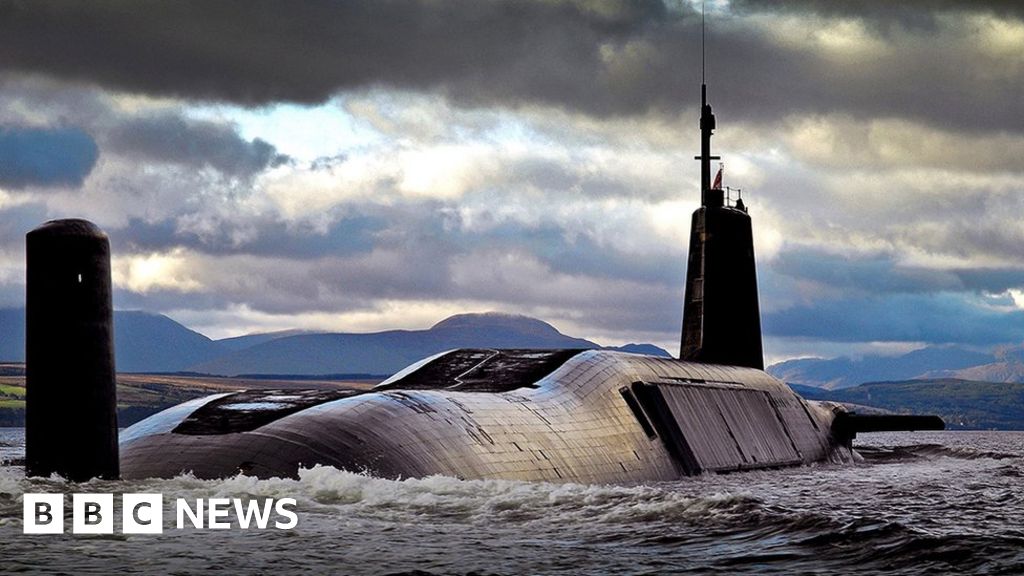
The Trident nuclear-weapons system is a key part of the UK's nuclear deterrent, consisting of four Vanguard-class submarines armed with Trident missiles and warheads. The system is based at Faslane near the Firth of Clyde and has an annual running cost of about £3bn. A recent test firing of a Trident missile from a Royal Navy submarine failed, raising concerns about the system's reliability. The decision to use Trident can only be made by the prime minister, and the system is controversial due to ethical, economic, and strategic concerns.
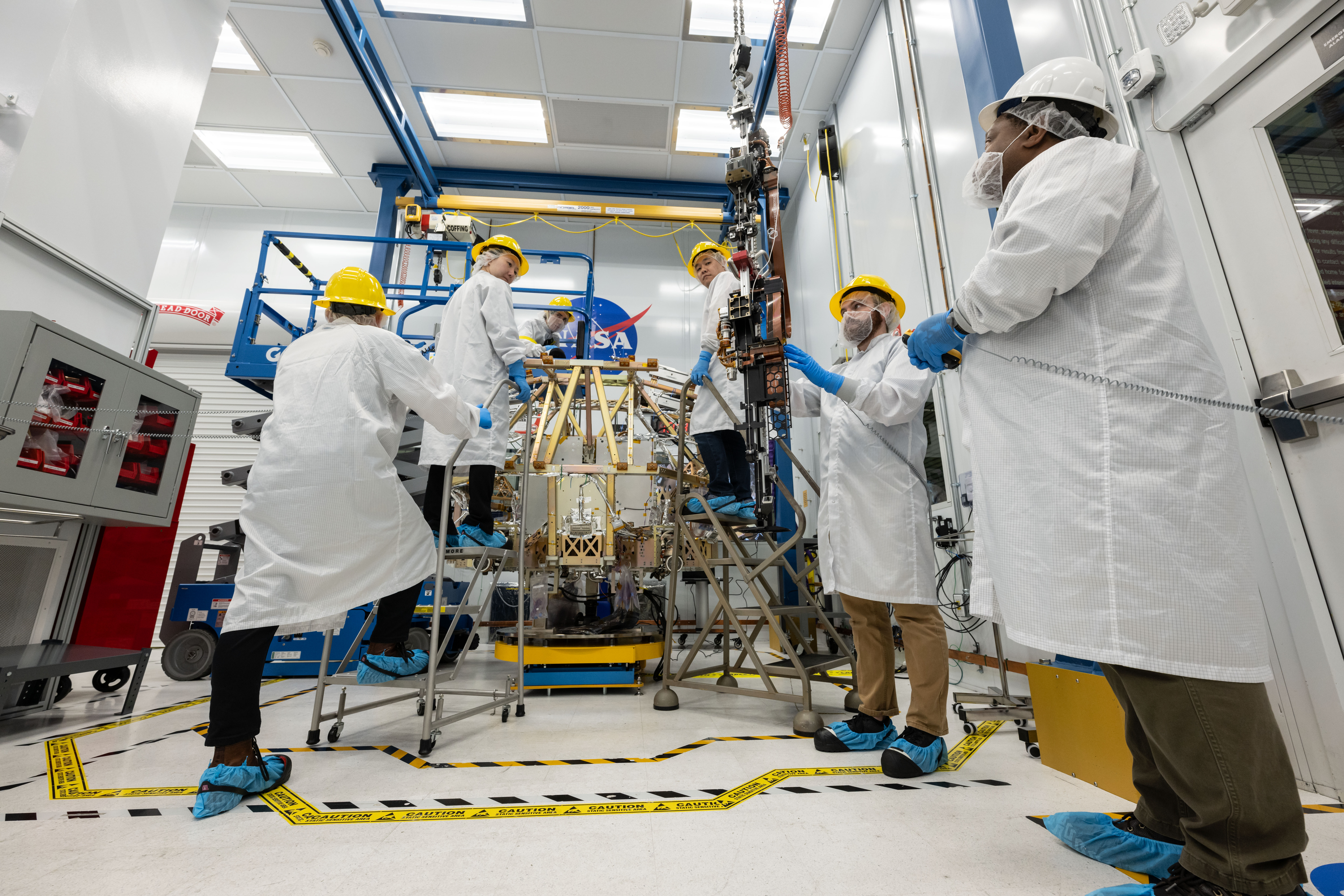
NASA's VIPER rover has had its final science instrument, TRIDENT, integrated into its belly, marking a significant milestone in its preparation for a lunar mission. TRIDENT, designed to dig up soil from below the lunar surface using a rotary percussive drill, was successfully tested for its drilling capabilities. VIPER, set to launch to the Moon as part of NASA's Commercial Lunar Payload Services initiative, will use these instruments to study the origin of water and other resources on the Moon to support human exploration as part of NASA’s Artemis campaign.
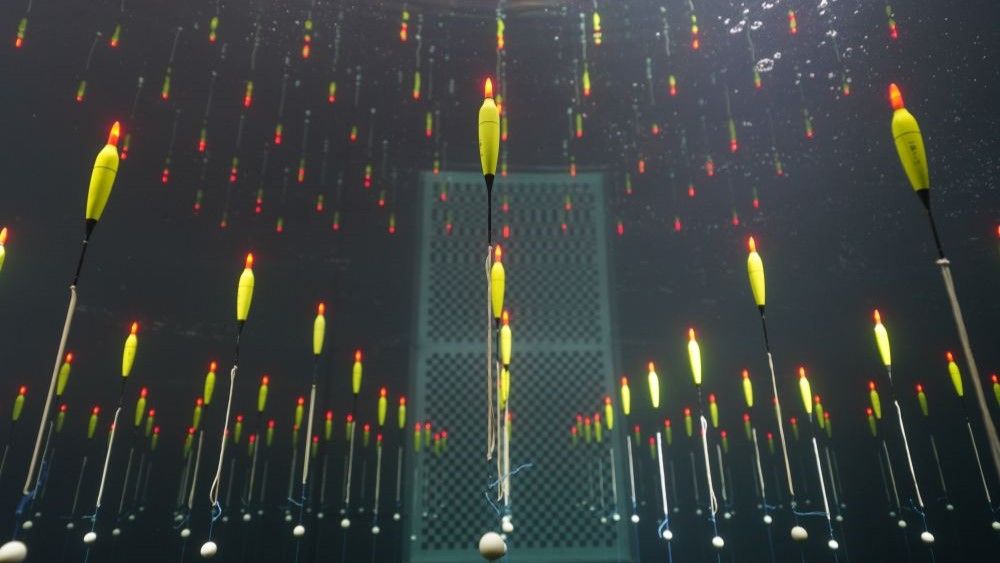
China is constructing the world's largest underwater telescope, called TRIDENT, to detect elusive "ghost particles" known as neutrinos. The telescope will be anchored 11,500 feet beneath the surface of the Western Pacific Ocean and is expected to be completed by 2030. By slowing down neutrinos, scientists can trace their origins billions of light-years away. TRIDENT will use the Earth as a shield to detect neutrinos from all directions, enabling all-sky observation without blind spots. The detector will consist of over 24,000 optical sensors arranged in a Penrose tiling pattern and will be significantly more sensitive than the current largest neutrino detector, IceCube. A pilot project will begin in 2026, with the full detector coming online in 2030.