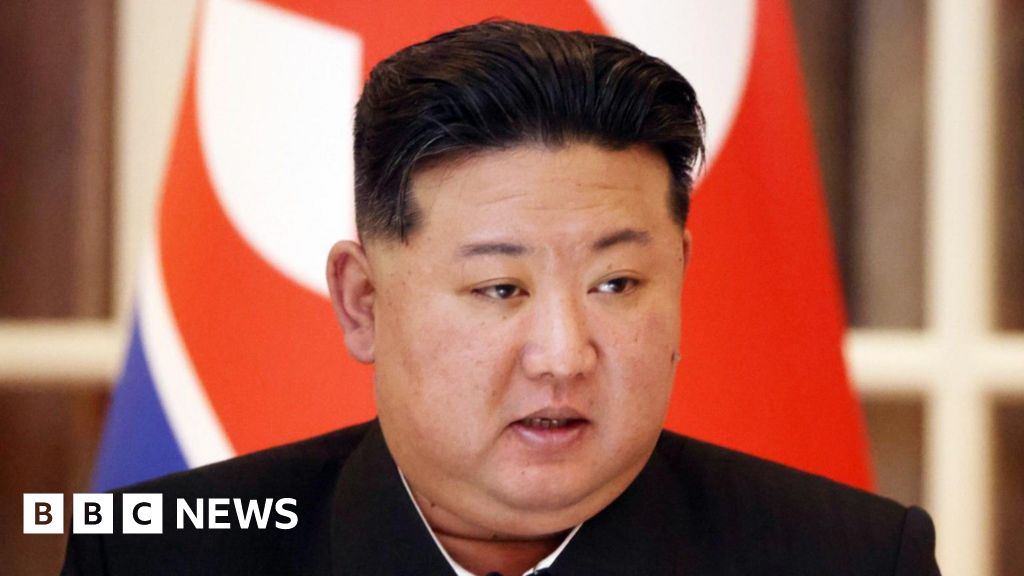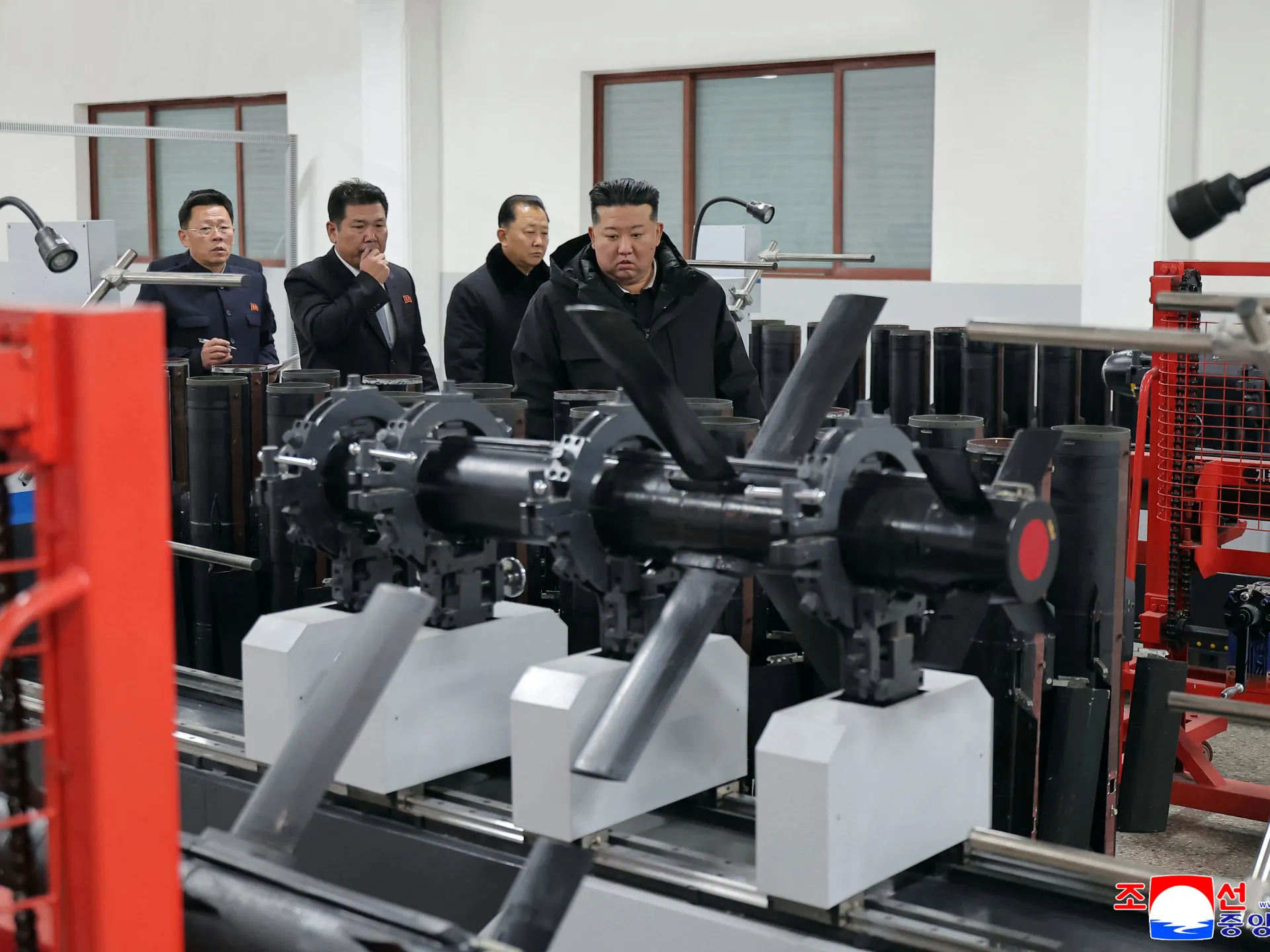
North Korea launched multiple ballistic missiles into the sea as South Korean President Lee Jae Myung visited China for a diplomatic trip, amid heightened regional tensions and North Korea's military developments. The missile launches, which flew about 900 km, were analyzed by the US and Japan, with North Korea's leader Kim Jong Un calling for increased weapons production. The visit to China aims to strengthen economic ties and discuss peace on the Korean Peninsula.
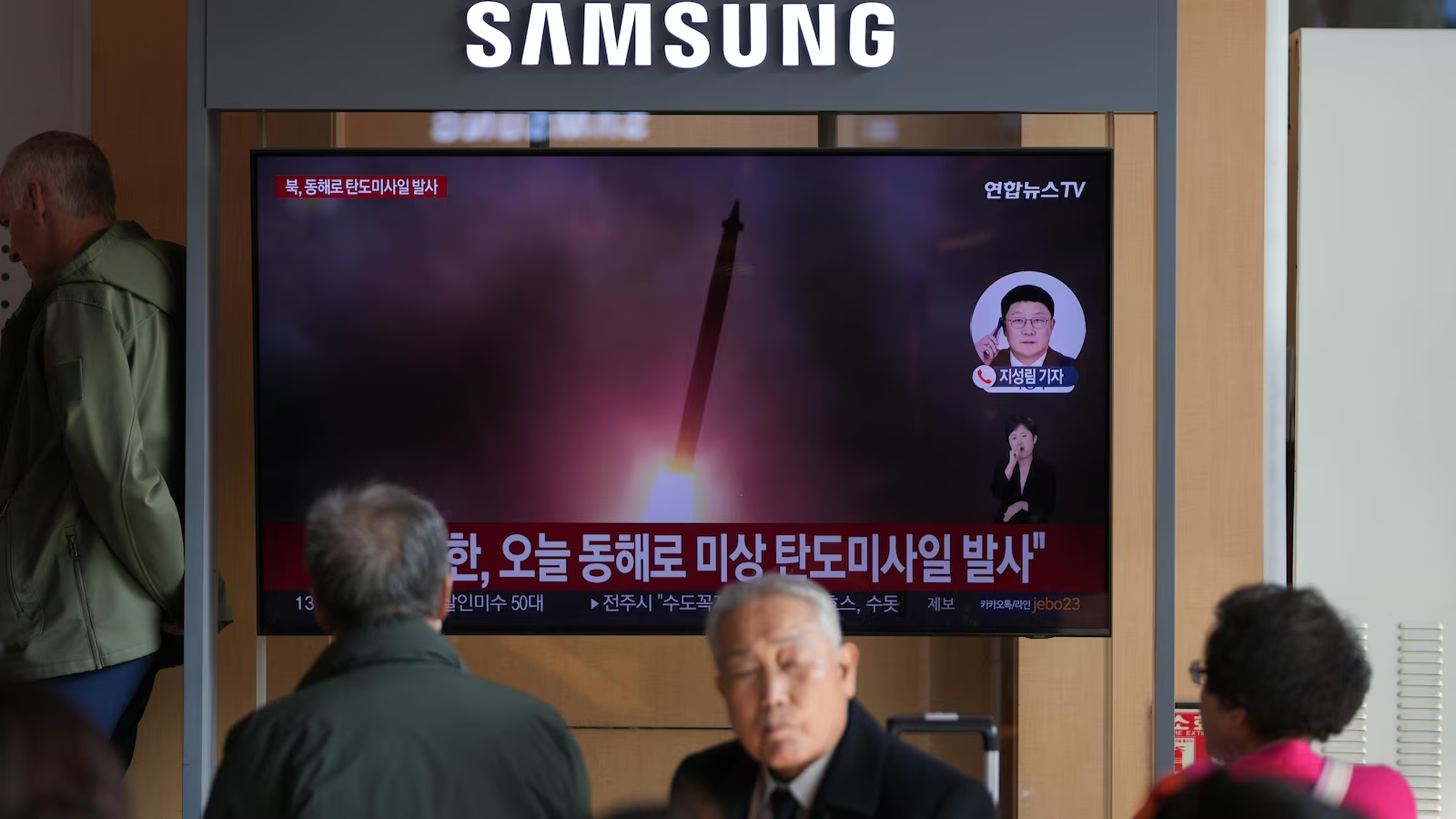
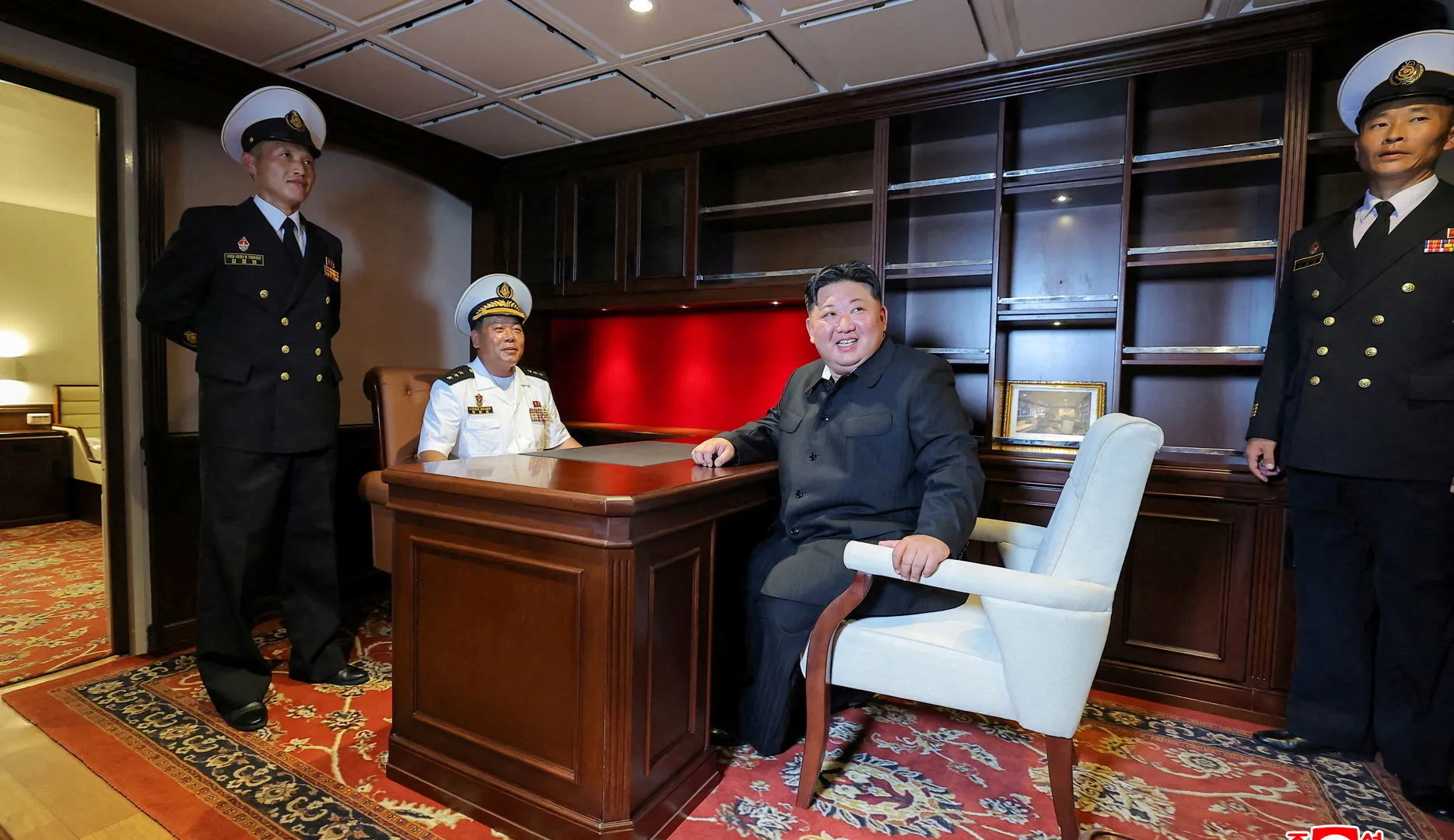
North Korea conducted a long-range cruise missile test overseen by Kim Jong Un, emphasizing continued development of its nuclear forces amid regional tensions and advancements like a nuclear-powered submarine, while neighboring countries seek diplomatic and military responses.
North Korea launched a suspected short-range ballistic missile toward eastern waters, escalating its weapons testing amid stalled talks with the US and South Korea, with increased military activity and regional tensions.
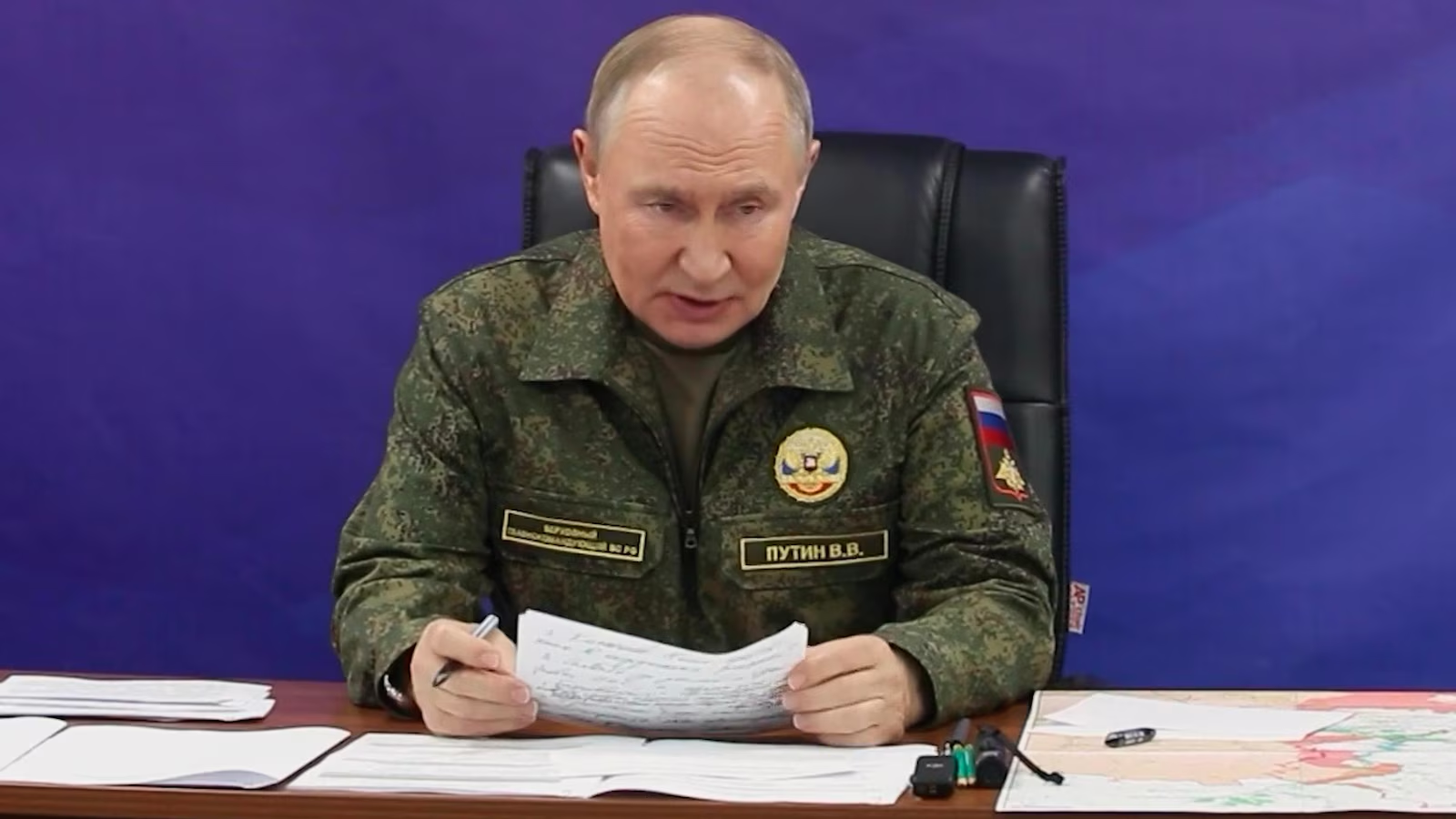
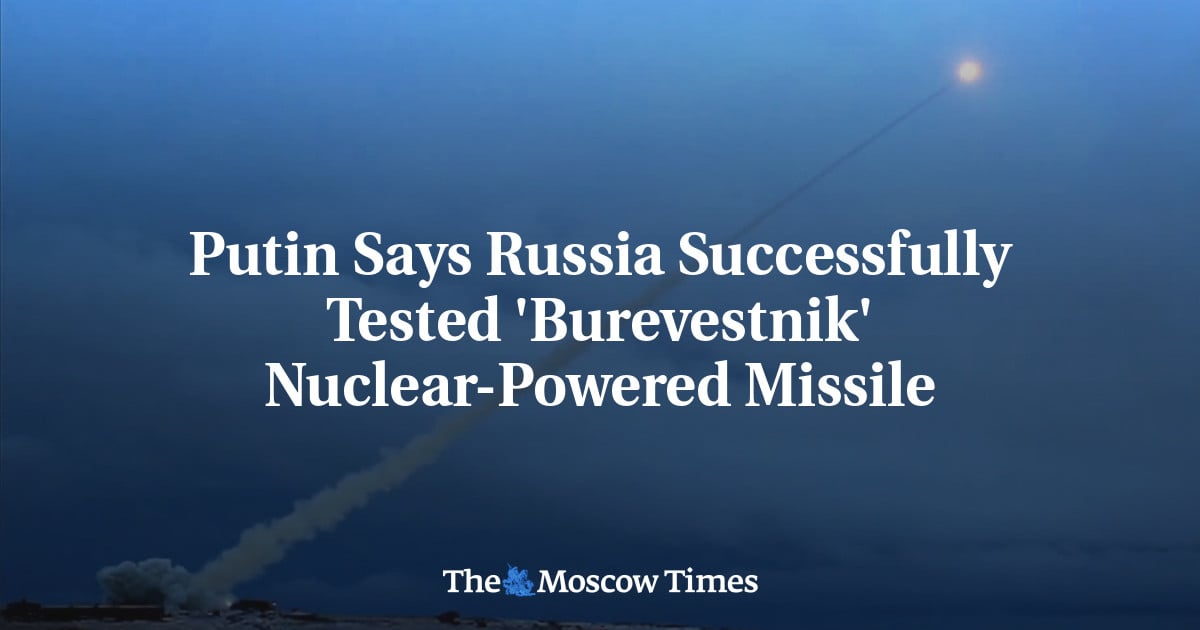
Russia successfully tested a nuclear-powered cruise missile, the 9M730 Burevestnik, claiming it has unlimited range and can evade defenses, while U.S. President Trump dismissed the missile as unnecessary and criticized Russia's focus on military advancements amid deteriorating US-Russia relations and canceled talks.
U.S. President Donald Trump dismissed Russia's nuclear-capable Burevestnik missile test, urging Russian President Vladimir Putin to focus on ending the Ukraine war instead of missile testing, while highlighting the U.S. military's capabilities.
Russia has tested a new nuclear-capable cruise missile, the Burevestnik, which reportedly has an 8,700-mile range and is designed to evade current defenses, with Putin emphasizing its potential deployment and invulnerability, amid ongoing military drills.
President Vladimir Putin announced that Russia successfully tested the nuclear-powered intercontinental cruise missile Burevestnik, which flew 14,000 km over 15 hours, showcasing its advanced military capabilities amid ongoing tensions with Ukraine and stalled peace talks.
North Korea, supervised by Kim Jong Un, tested two new antiair missiles amid ongoing joint military drills by South Korea and the U.S., highlighting its expanding military capabilities and strategic focus on countering aerial threats, while also strengthening ties with Russia and other nations.
North Korean leader Kim Jong Un oversaw the test-firing of two new air defense missiles, claiming they have superior combat capabilities, amid ongoing military tensions and upcoming US-South Korea talks. The tests, which occurred just before a US-South Korea summit, highlight North Korea's focus on missile technology and regional security concerns, as South Korea and the US continue their joint military exercises and North Korea responds with provocative actions.
North Korea conducted a missile test overseen by Kim Jong Un, claiming the new weapons have superior capabilities. The test followed recent border tensions with South Korea, which involved warning shots after North Korean soldiers crossed the DMZ. The region remains tense amid ongoing US-South Korea military drills and North Korea's efforts to expand its nuclear arsenal, amid concerns over possible Russian missile technology exchanges.
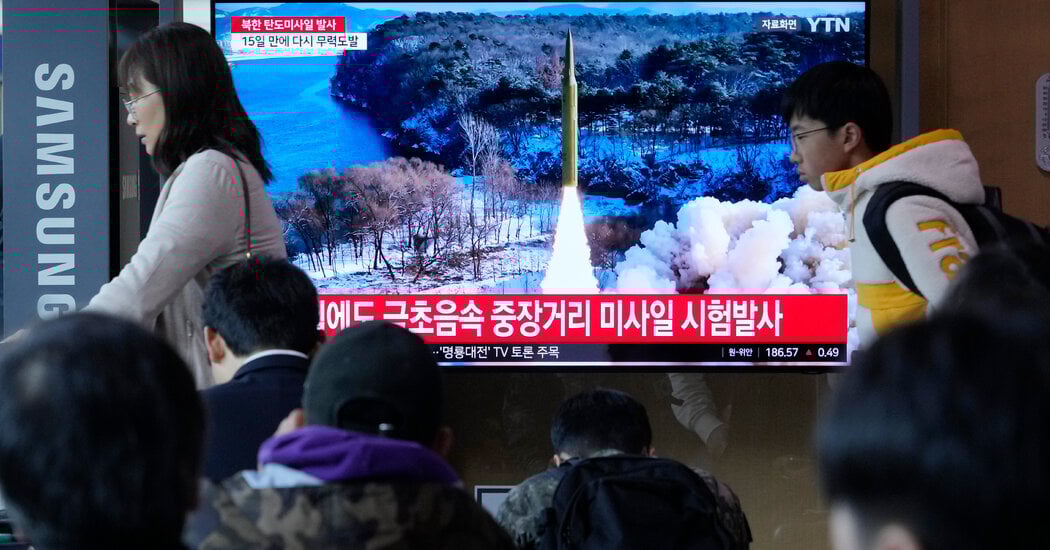
North Korea launched an intermediate-range ballistic missile off its east coast, indicating its continued development of missiles capable of targeting American military bases in the Western Pacific. The missile, which did not fly over Japan, fell in waters between the two countries after flying for 372 miles. Analysts believe the test may have involved a new intermediate-range hypersonic missile powered by a solid-fuel engine, making it faster to launch and more difficult to intercept. This development poses a potential threat to U.S. territories like Guam in the Western Pacific.
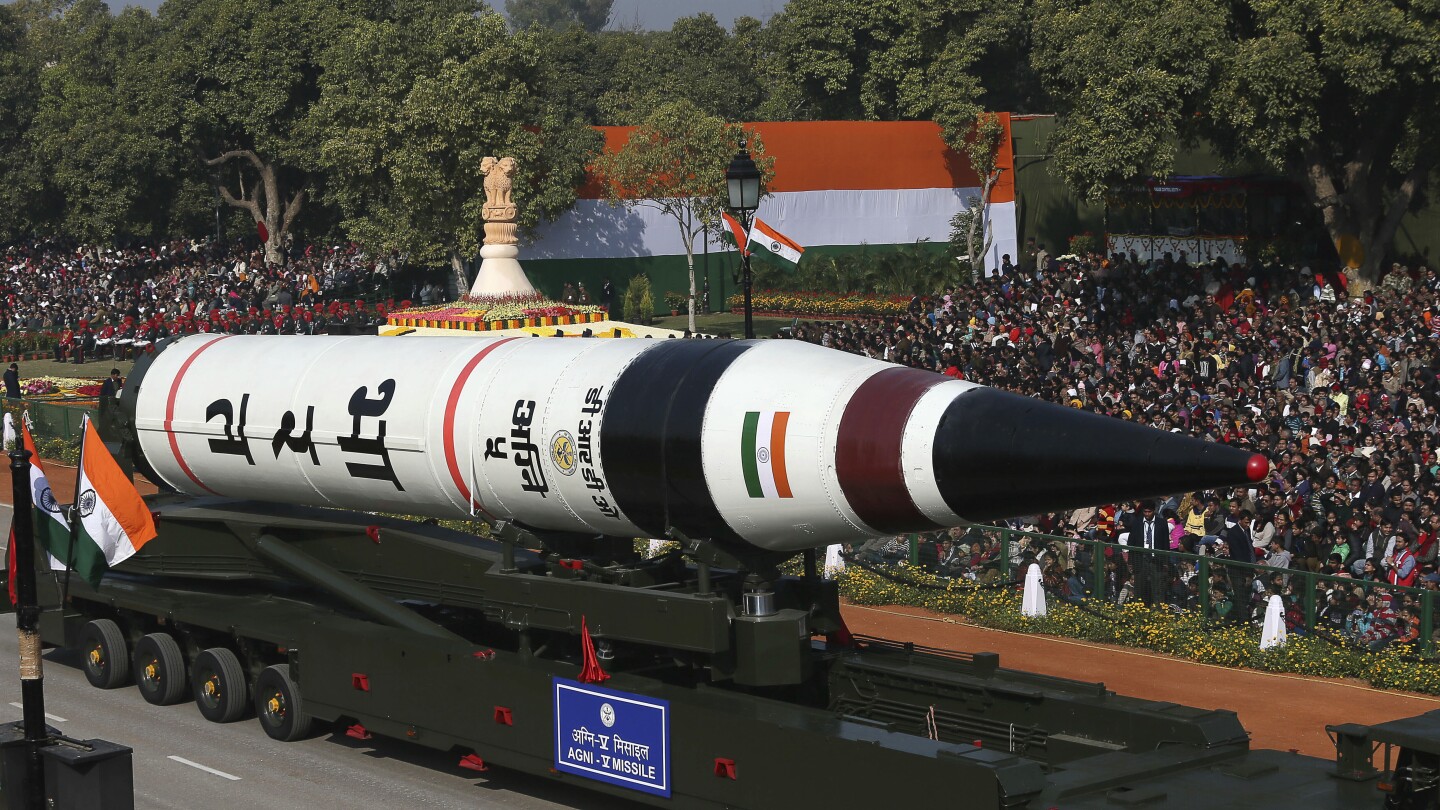
India successfully conducts its first test flight of a domestically developed missile capable of carrying multiple warheads, marking a significant advancement in its medium- and long-range missile systems amid strategic competition with China. The missile, equipped with multiple independently targetable re-entry vehicles, adds to India's nuclear-capable arsenal, including the Agni-5 intercontinental ballistic missile, enabling it to target both China and neighboring Pakistan.
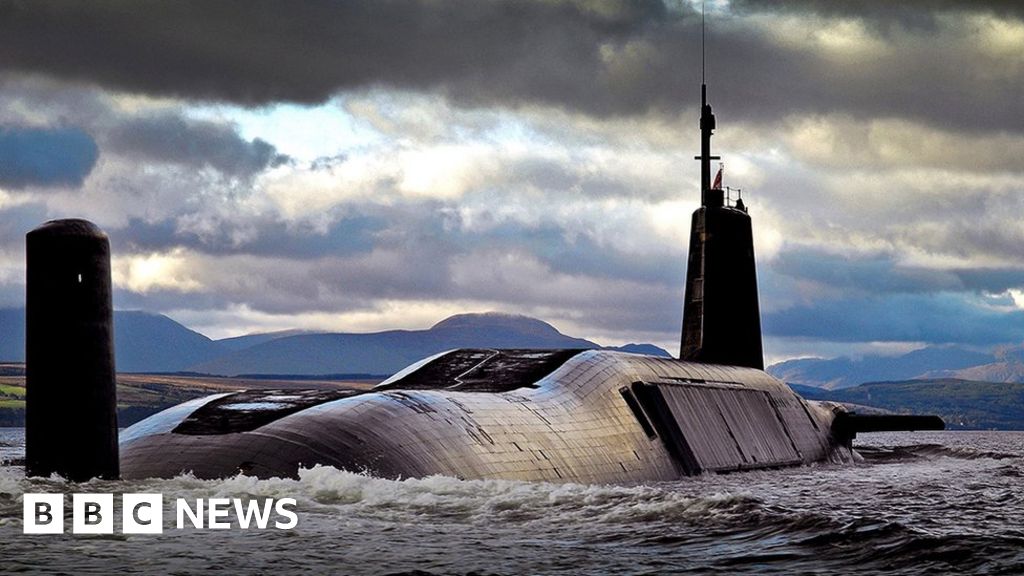
Britain's Defense Secretary Grant Shapps reassured lawmakers that the country's nuclear deterrent program remains functional despite reports of a failed Trident II missile test off the coast of Florida. The missile, launched from a Royal Navy submarine, reportedly experienced an anomaly during the test, but Shapps emphasized the effectiveness and reliability of the U.K.'s nuclear deterrent. Critics have raised concerns about the cost and reliability of the program, while the Ministry of Defense maintains that at least one British nuclear-armed ballistic missile submarine has been patrolling the seas since the system was deployed in 1969.
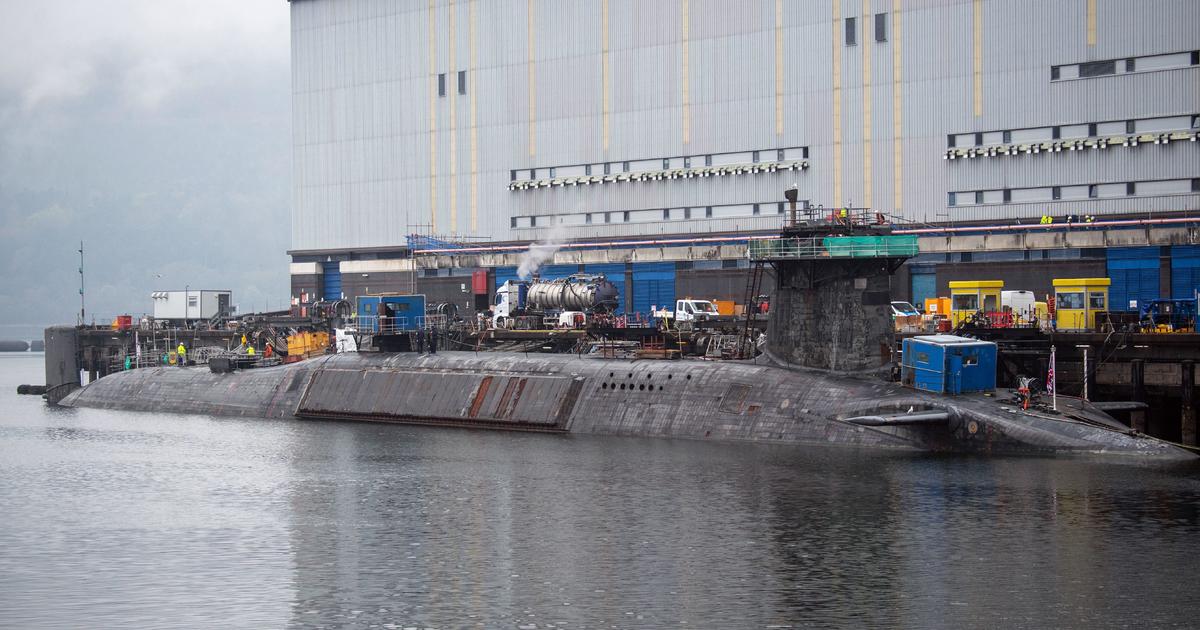
The Trident nuclear-weapons system is a key part of the UK's nuclear deterrent, consisting of four Vanguard-class submarines armed with Trident missiles and warheads. The system is based at Faslane near the Firth of Clyde and has an annual running cost of about £3bn. A recent test firing of a Trident missile from a Royal Navy submarine failed, raising concerns about the system's reliability. The decision to use Trident can only be made by the prime minister, and the system is controversial due to ethical, economic, and strategic concerns.
North Korea fired multiple unidentified cruise missiles into the sea off its west coast, marking the third missile test in less than a week. The launch comes amidst heightened tension on the Korean peninsula, with South Korean and US intelligence closely monitoring the situation. The recent tests include a new submarine-launched cruise missile, and South Korea's Joint Chiefs of Staff believe the firings were to test upgrades of existing missiles' capabilities.