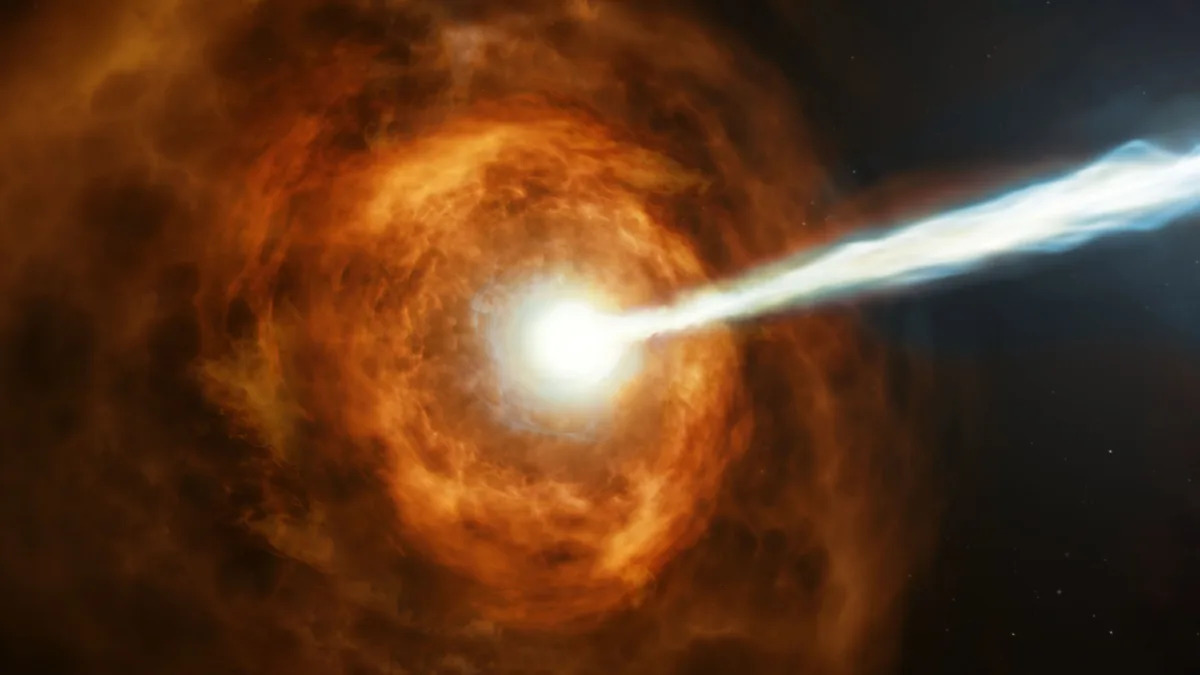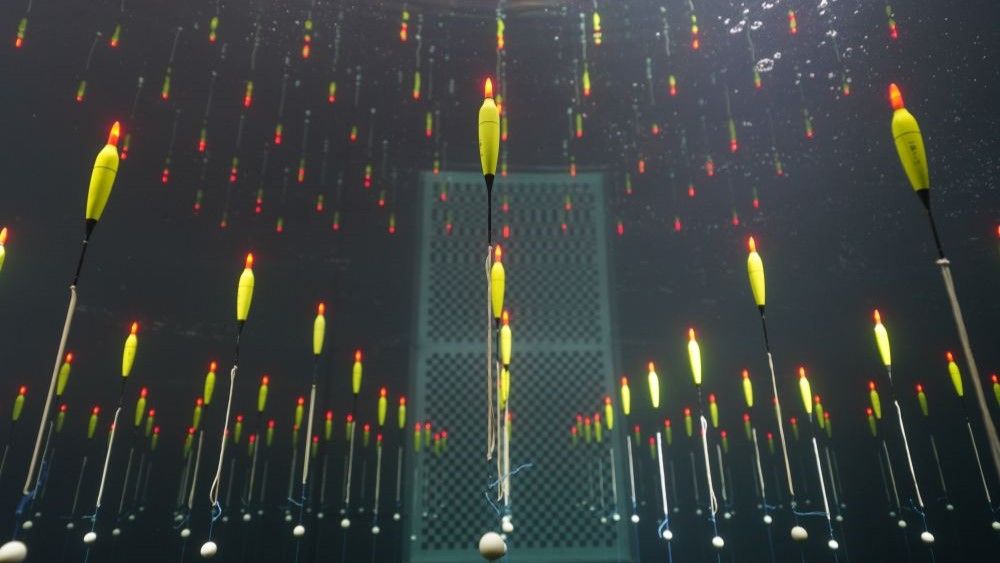
China is constructing the world's largest underwater telescope, called TRIDENT, to detect elusive "ghost particles" known as neutrinos. The telescope will be anchored 11,500 feet beneath the surface of the Western Pacific Ocean and is expected to be completed by 2030. By slowing down neutrinos, scientists can trace their origins billions of light-years away. TRIDENT will use the Earth as a shield to detect neutrinos from all directions, enabling all-sky observation without blind spots. The detector will consist of over 24,000 optical sensors arranged in a Penrose tiling pattern and will be significantly more sensitive than the current largest neutrino detector, IceCube. A pilot project will begin in 2026, with the full detector coming online in 2030.
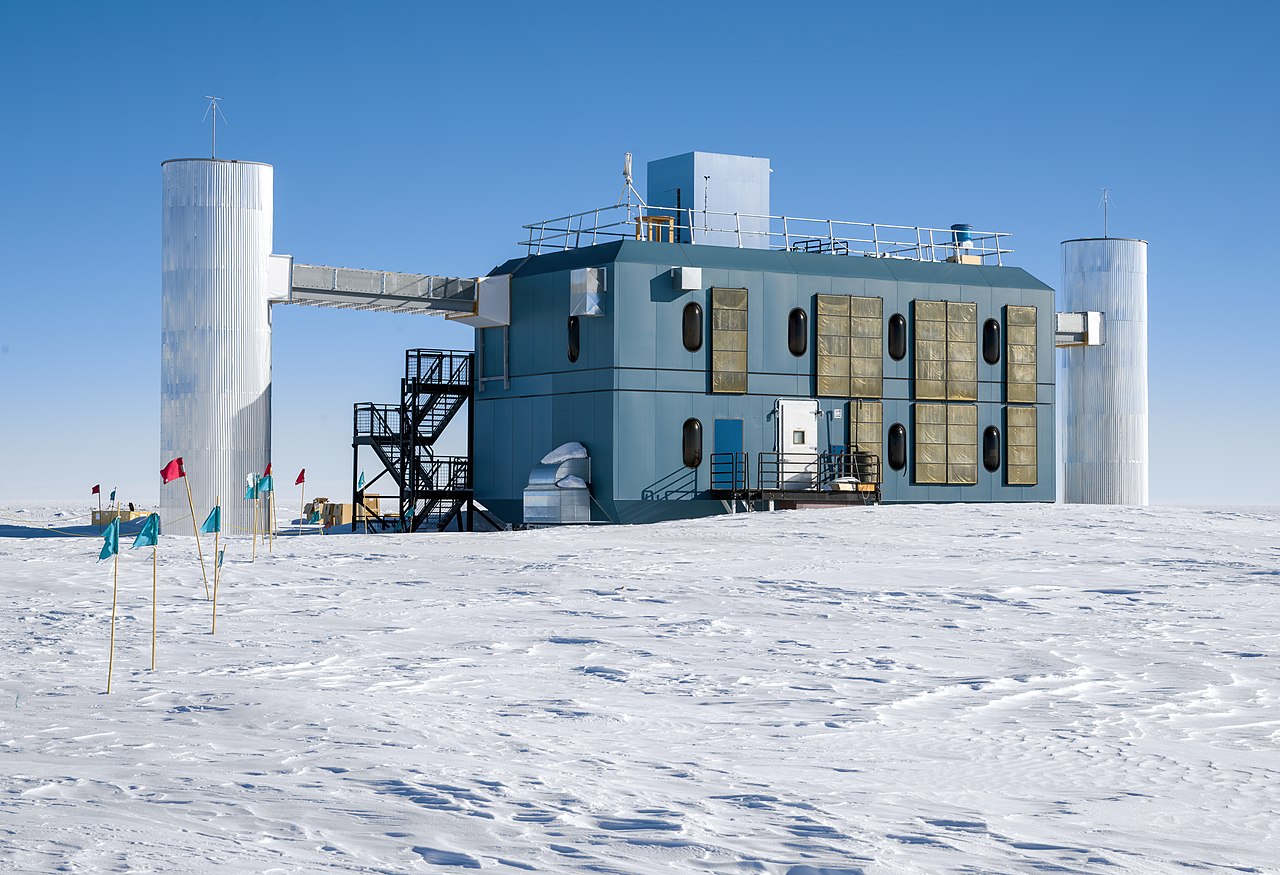
IceCube-Gen2, the next generation neutrino detector, is set to be 5 times more sensitive and 8 times larger than its predecessor, IceCube. With an upgraded facility and an expanded radio antenna array, IceCube-Gen2 aims to increase the number of neutrino detections by an order of magnitude and better pinpoint the sources of these elusive particles. The observatory will play a crucial role in multi-messenger astronomy, allowing scientists to study the universe through various observational techniques, including neutrino emissions. IceCube-Gen2 is expected to be operational by 2033 and will provide a more complete understanding of the high-energy universe.
China is constructing a detector with 55,000 sensors suspended 0.6 miles beneath the ocean's surface to hunt for high-energy neutrinos that may originate from black holes, supernovas, pulsars, or other events. The detector will cover about 7 cubic miles and will help scientists determine the origin of cosmic rays. The sensors will detect neutrinos and distinguish them from solar neutrinos as the sun's rays can't travel that deep. The detector will be the largest underwater neutrino detector, and its specific goal is to figure out whether gamma rays and high-energy neutrinos might come from the same intergalactic sources.
China is building a massive neutrino detector with 55,000 sensors suspended 0.6 miles beneath the ocean's surface to hunt for high-energy neutrinos that may originate from black holes, supernovas, pulsars, or other events. The detector will cover about 7 cubic miles and will be the largest underwater neutrino detector. Scientists hope to determine whether gamma rays and high-energy neutrinos come from the same intergalactic sources and figure out the origin of cosmic rays.