
Wall Street Banks Stand to Gain Billions from Loosened Capital Rules
Loosening of capital regulations could potentially benefit Wall Street banks by enabling them to gain billions, raising concerns about increased risk and regulatory oversight.

All articles tagged with #capital rules
Loosening of capital regulations could potentially benefit Wall Street banks by enabling them to gain billions, raising concerns about increased risk and regulatory oversight.
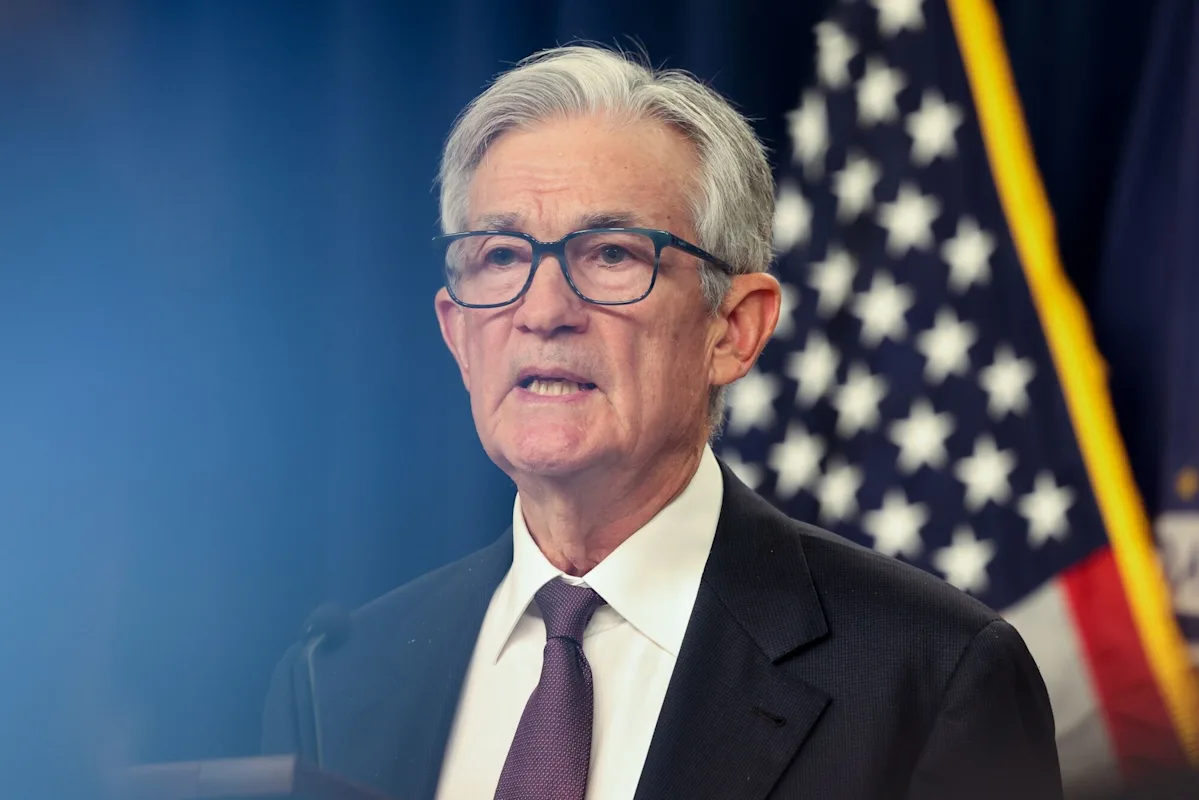
US bank regulators plan to reduce the capital buffer requirement for the largest banks by up to 1.5 percentage points to ease trading constraints in the Treasuries market, with proposals to adjust the enhanced supplementary leverage ratio and potentially exclude Treasuries from calculations, aiming to bolster market liquidity.

UBS shares rose 4.5% after the Swiss government proposed new capital regulations requiring UBS to hold an additional $26 billion in core capital, following its takeover of Credit Suisse. The regulations are expected to be phased in by 2034, allowing UBS to lobby for concessions. The move aims to strengthen the bank's financial position amid recent banking sector turbulence, and negotiations for adjustments are already underway.
Federal Reserve vice chair of supervision Michael Barr defended the new US proposal requiring banks to increase their capital buffers, countering claims that it would hinder lending and harm the economy. Barr cited the positive outcomes of similar changes made after the 2008 financial crisis, including the growth of the banking system and increased profitability. US regulators proposed a 16% increase in capital requirements, primarily affecting large banks, and are accepting comments on the proposal until November 30. Banks have pushed back against the changes, arguing that the initial proposal lacks transparency and could lead to increased lending in private credit markets.
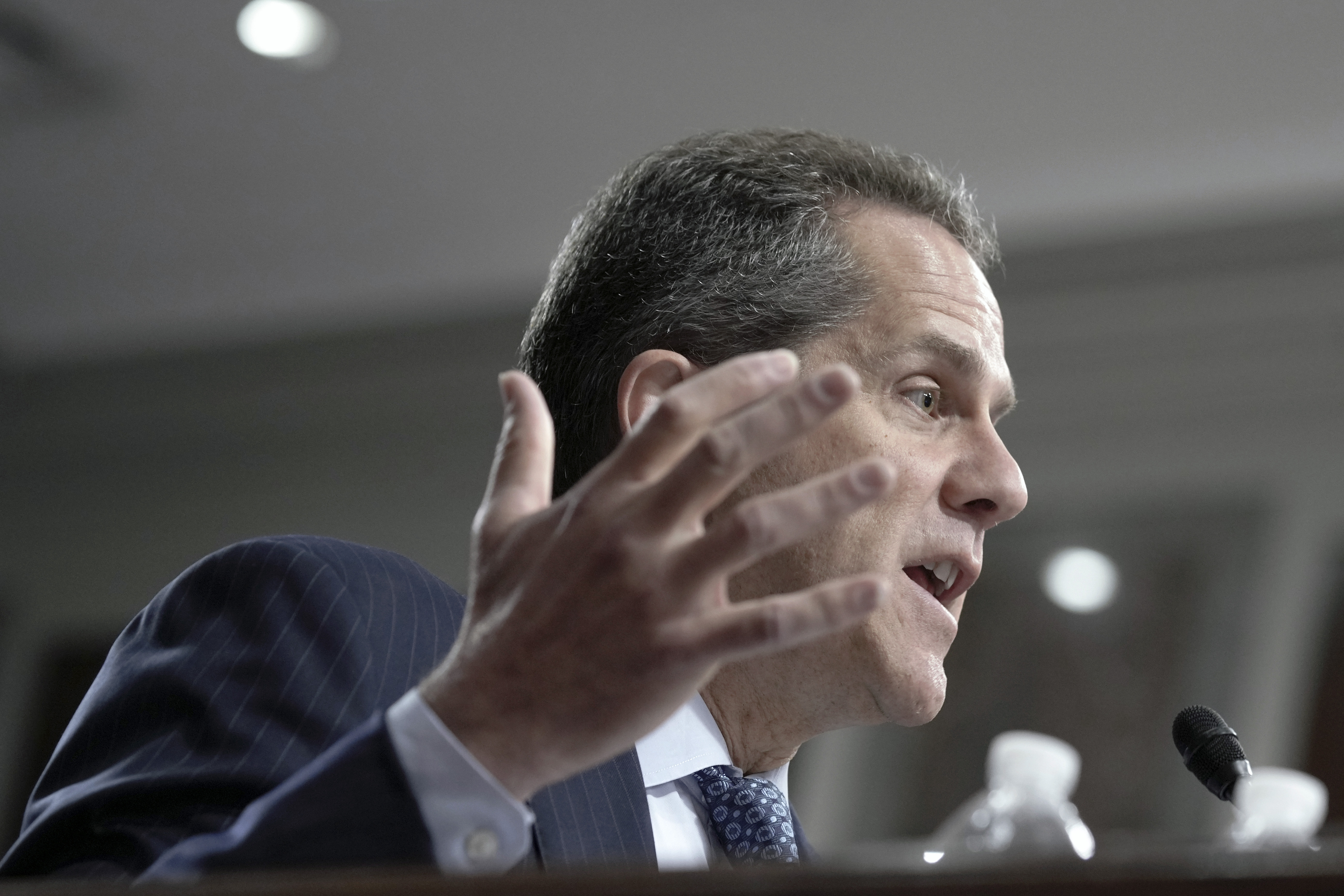
Michael Barr, the Federal Reserve's vice chair for supervision, has called for tougher capital rules for large lenders in order to enhance the resilience of the financial system. Barr's recommendations include raising capital requirements for banks with $100 billion or more in assets, ending reliance on banks' internal risk estimates, and implementing long-term debt requirements for a broader group of banks. The proposed changes are expected to face intense lobbying from the banking industry, but Barr argues that the benefits of a more resilient financial system outweigh any potential negative impact on bank activities.