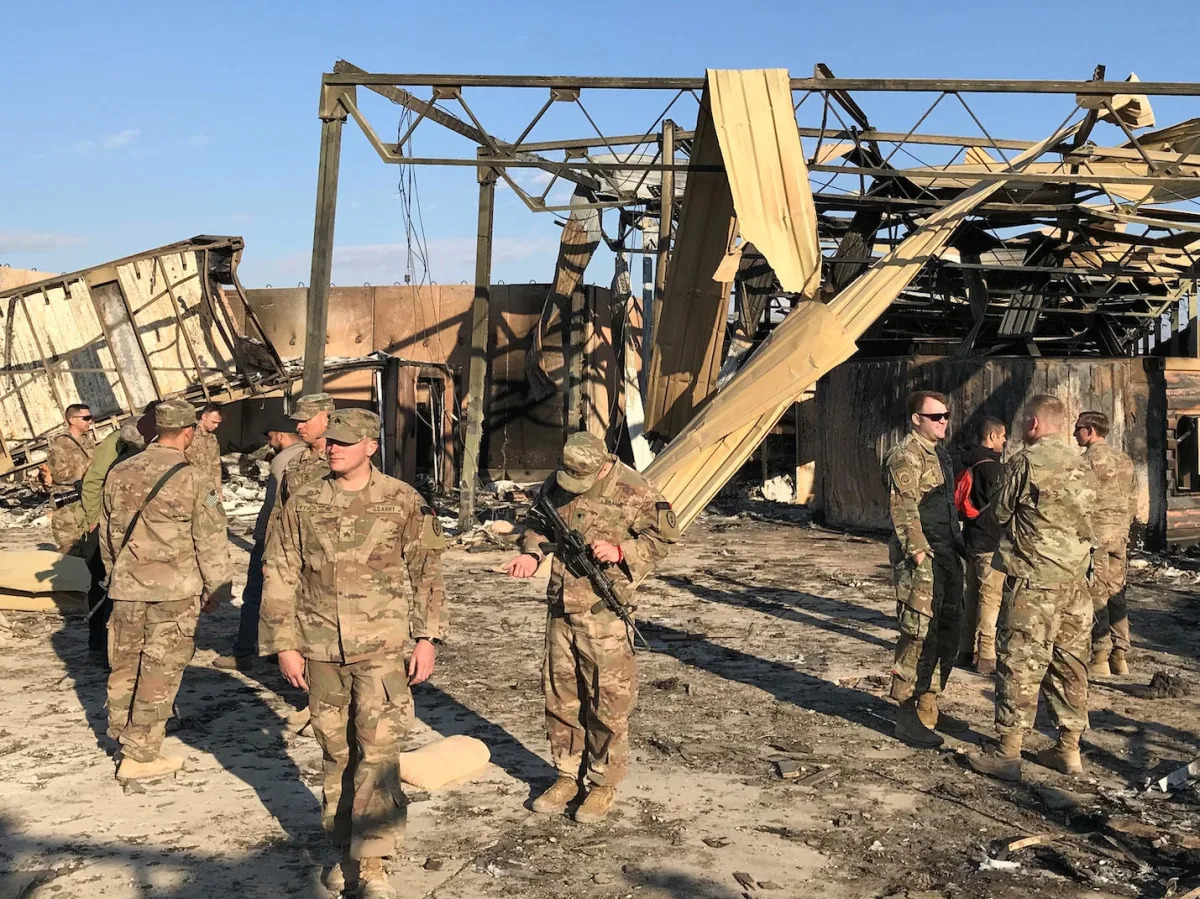
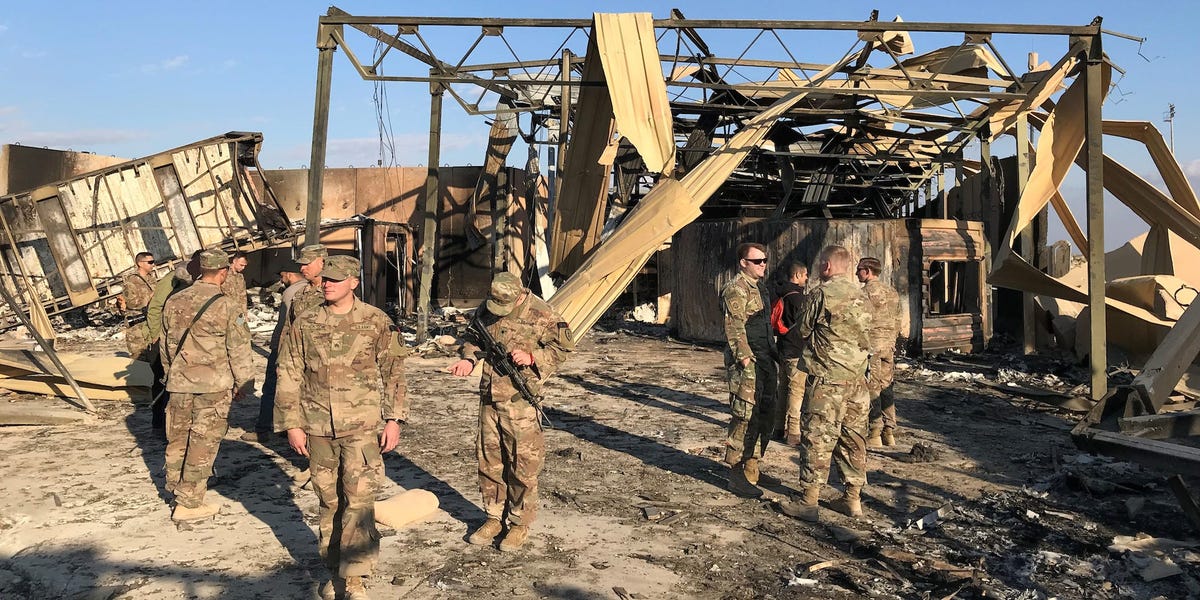
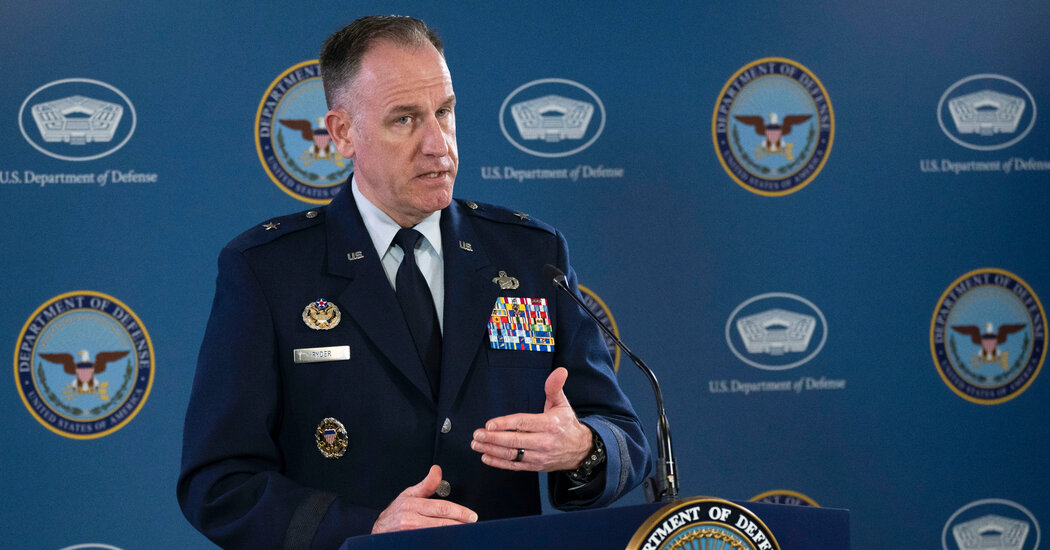
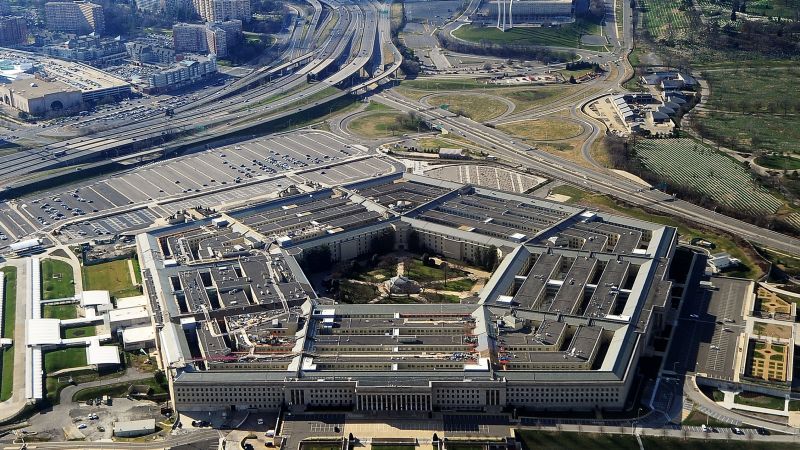
US personnel in Iraq are undergoing traumatic brain injury evaluations after Iranian-backed militias launched a barrage of ballistic missiles and rockets at the Al-Asad airbase. The attack, claimed by an Iran-backed militia group, signifies a pattern of targeting US forces in Iraq and Syria. The Pentagon has labeled its strikes on Houthi missiles as "defensive" measures, following heightened tensions between Iran-backed militias and the US.
Iranian-backed militants launched a barrage of ballistic missiles and rockets at Al-Assad airbase in Iraq, leaving several U.S. personnel being evaluated for traumatic brain injuries. Most incoming missiles were intercepted, but some impacted the base. The attack is the largest of over 140 on U.S. forces in Iraq and Syria since mid-October, and is seen as escalatory due to the use of ballistic missiles. The attacks are believed to be in solidarity with Palestinians in the Israel-Hamas conflict. The U.S. response to this latest attack remains unclear.
Testing is being conducted on the brain of Lewiston shooter Robert Card at Boston University's UNITE Brain Bank, a renowned research facility for traumatic brain injuries and chronic traumatic encephalopathy. The New York Times has raised questions about whether Card's exposure to blasts during his time in the Army Reserve contributed to his mental state during the shooting. Results from the testing may take 6 to 8 months to be available. The Maine State Medical Examiner's Office believes that conducting this testing is necessary to provide answers in such cases. Governor Janet Mills has formed an independent commission to investigate the circumstances surrounding the shooting, but the commission's initial public meeting has been postponed.
A study published in The New York Times has shown promising results for the use of brain implants in helping individuals with moderate to severe traumatic brain injuries. Five volunteers received electrodes implanted in their heads, which stimulated their brains and led to improved performance on cognitive tests. If these findings are replicated in larger clinical trials, the implants could become the first effective therapy for chronic brain injuries. The study focused on a crucial hub in the brain network called the central lateral nucleus, which, when stimulated, helped individuals regain focus and attention. While further research is needed, this study offers hope for millions of people suffering from traumatic brain injuries.
A new study has shown promising results for the use of brain implants in helping people with chronic problems resulting from traumatic brain injuries. Five individuals with moderate to severe brain injuries had electrodes implanted in their heads, which stimulated their brains and led to improved performance on cognitive tests. If these findings are replicated in larger clinical trials, brain implants could become the first effective therapy for chronic brain injuries. The study focused on a specific structure in the brain called the central lateral nucleus, which plays a crucial role in the brain's network responsible for focus and attention. While further research is needed, this study offers hope for millions of people suffering from traumatic brain injuries.
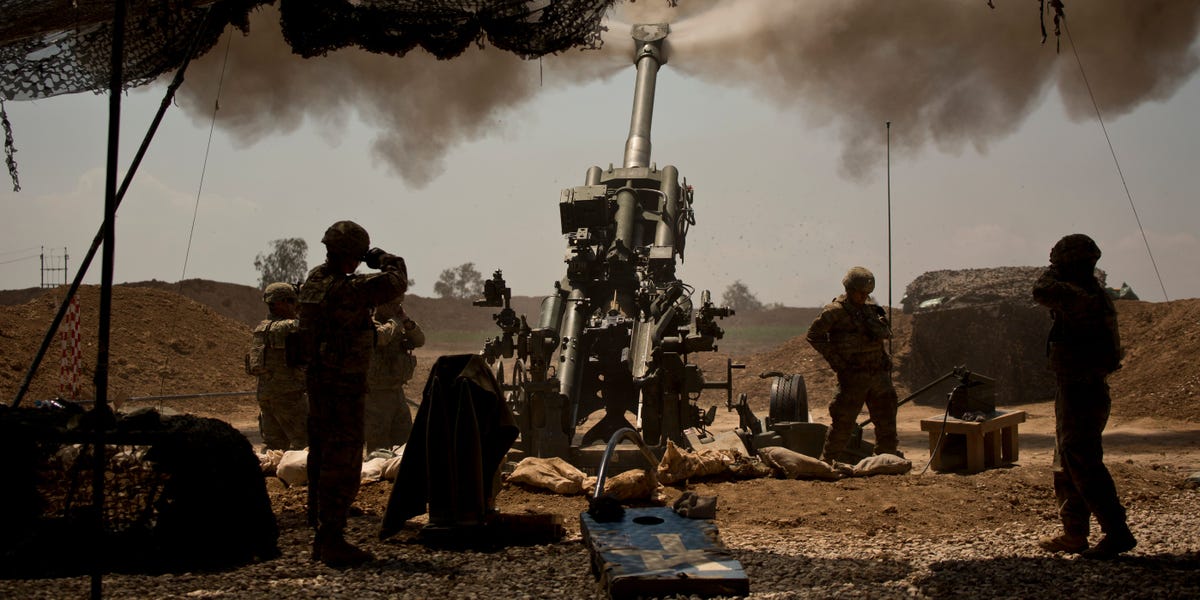
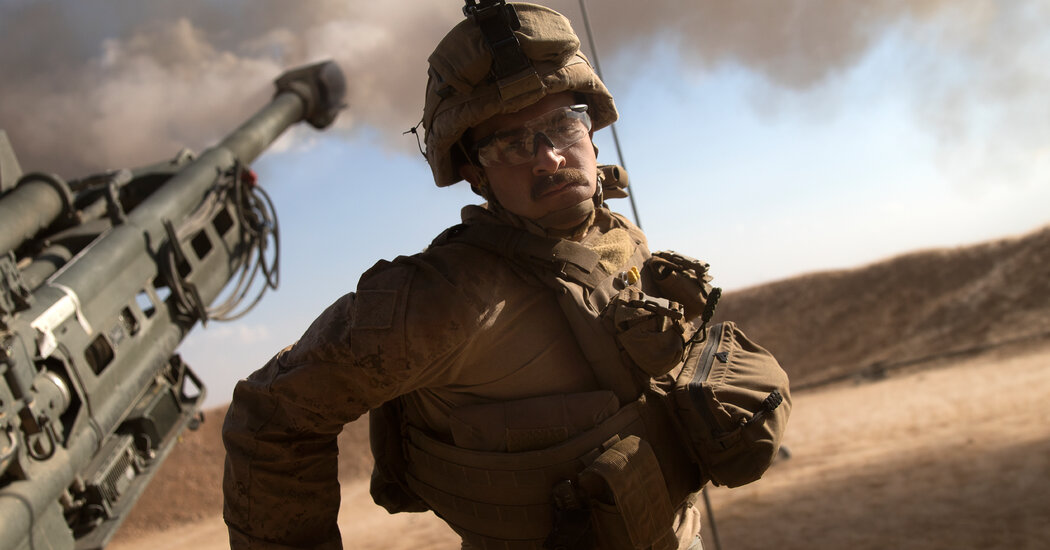
US soldiers who participated in the fight against ISIS are experiencing mental health issues, including seeing ghosts and feeling cursed. The soldiers' exposure to intense artillery fire, with tens of thousands of explosive shells fired during the fighting, may have contributed to traumatic brain injuries. Many veterans have reported frightening and bizarre symptoms, such as hallucinations and hearing voices. While the exact cause is not yet confirmed, repeated exposure to blasts could potentially lead to cerebral scarring.
A secret U.S. offensive strategy against the Islamic State in 2016 and 2017 involved minimal American boots on the ground and relentless artillery fire. However, the troops who carried out the firing suffered devastating mental and physical problems, including nightmares, panic attacks, depression, and hallucinations. The military struggled to understand the cause of these issues, as the gun crews were miles away from the front lines and did not experience direct combat injuries. A study conducted by the Marine Corps found that the gun crews were being harmed by their own weapons, with more than half of the Marines in one unit receiving diagnoses of traumatic brain injuries. Despite these findings, the military treated the injuries as routine psychiatric disorders and failed to provide adequate support and treatment. Many affected veterans have experienced homelessness and a significant number have died by suicide. The military is only beginning to recognize the long-term effects of repeated blast exposure and develop protocols to protect troops.
A study of twins who served in World War II has found that traumatic brain injuries are associated with cognitive decline later in life, with individuals who experienced such injuries more likely to have lower scores on cognitive tests at around 70 years old. The study, which used a twin-study design, also revealed that those with multiple traumatic brain injuries, loss of consciousness due to head injury, or injuries occurring at age 25 or older had a sharper decline in cognitive scores. The research highlights the importance of taking steps to prevent head injuries and discussing brain protection strategies with healthcare professionals.
The Iranian ballistic missile attack on Al Asad air base in Iraq in January 2020 provided a glimpse into the long-lasting injuries that US troops are likely to face in future wars against near-peer adversaries like Russia or China. While no US personnel were killed in the attack, over 100 were later diagnosed with traumatic brain injuries (TBIs), resulting in recurring headaches and PTSD-related symptoms. The attack highlighted the limited understanding of the brain traumas caused by such attacks and the need for further research. As conflicts against near-peer adversaries involve heavier and longer-range weaponry, the prevalence of TBIs among US troops is expected to increase. Evacuating wounded personnel from the battlefield would also become more challenging due to the adversary's advanced sensors and weapons. The Al Asad attack serves as a warning of the lethal dangers that US troops will face in future battlefields.
The Iranian ballistic missile attack on an Iraqi base housing US troops in January 2020 resulted in no deaths but over 100 diagnosed cases of traumatic brain injuries (TBIs). Medical researchers believe these injuries provide a preview of the potential casualties US troops may face in future wars against near-peer adversaries. The attack highlighted the long-lasting and less visible injuries that troops may sustain, including recurring headaches and PTSD-related symptoms. As conflicts against near-peer adversaries become more prevalent, TBIs are expected to increase among US troops, necessitating the development of techniques to prevent and treat these injuries.
A study conducted by researchers at VA Puget Sound Health Care System suggests that prazosin, a blood pressure drug commonly used to treat high blood pressure, may also provide relief for veterans and service members suffering from posttraumatic headaches caused by mild traumatic brain injuries (TBIs). The pilot study included 48 participants who reported headaches due to TBIs, and the results showed that prazosin was well-tolerated and improved their quality of life. However, further research is needed to confirm these findings.
Heather Anderson, an Australian rules football player, has become the first female professional athlete to be diagnosed with chronic traumatic encephalopathy (C.T.E.), a degenerative brain disease. The discovery highlights the need for recognizing the risks and implementing strategies to minimize traumatic brain injuries in female contact sports, as women are more susceptible to concussions. Anderson, who died by suicide at the age of 28, had one confirmed concussion and potentially four more suspected concussions during her career. The majority of C.T.E. cases have been found in male athletes, but the growing representation of women in professional contact sports suggests that more cases may be identified in the future.
Six American service members suffered traumatic brain injuries in separate attacks by Iranian-backed militants in Syria last week. The Pentagon initially said that seven Americans were injured in the attacks and that a U.S. contractor was killed. The diagnoses followed two attacks. The United States has more than 900 troops, and hundreds more contractors, in Syria, working with Kurdish fighters to prevent a resurgence of the Islamic State.
Six US service members have been diagnosed with traumatic brain injuries as a result of attacks from Iran-backed groups in Syria last week. The injuries were identified during post-attack medical screenings, and one service member has been transferred to Baghdad for further treatment. The US has responded with precision air strikes on facilities associated with Iran’s Islamic Revolutionary Guards Corps, which killed eight militants. Mild traumatic brain injuries, or concussion, is one of the most common forms of TBI among service members.